Telling Labrador Boredom From Real Anxiety
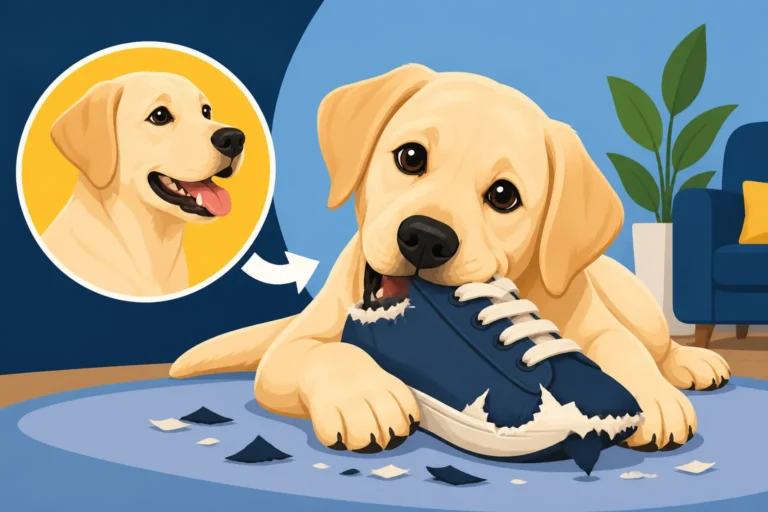
It's a familiar scenario for many Labrador owners: you walk in the door to a chewed-up shoe, a suspiciously quiet house, or a dog who greets you with frantic energy. The immediate thought is often, "Are they bored, or are they experiencing real anxiety?" It's a genuinely tough nut to crack because many of the outward signs can look remarkably similar, leading to frustration and confusion for us, and continued distress for our beloved Labs. This guide is here to help you unravel the mystery, offering clear distinctions and practical advice to understand what's truly going on with your Labrador.
Understanding the Labrador Mindset: More Than Just Wiggle Butts
Before we dive into the specific behaviors, it’s crucial to remember what a Labrador Retriever fundamentally is. These dogs were bred for demanding work: retrieving game for hours, often in challenging conditions, requiring both immense physical stamina and sharp mental focus. This heritage means they are inherently intelligent, highly energetic, and deeply devoted to their human companions. They thrive on having a "job" and being part of the family action.
The Energetic, Intelligent Companion
A Labrador isn't content to be a couch potato all day, every day, especially during their younger years. Their boundless energy isn't a flaw; it's a feature of the breed. If that energy isn't channeled constructively, it will find its own outlets, and those outlets are rarely convenient or polite for us humans. Think of it like a really smart, athletic teenager who's stuck in detention all day – they're going to find ways to entertain themselves, even if it means doodling on the walls or tapping their foot incessantly. This innate drive for activity and engagement is at the root of many behaviors we see.
The Social Butterfly and Family Member
Labradors are social creatures through and through. They bond intensely with their families and thrive on interaction. They're not solitary animals who are happy to be left to their own devices for extended periods. They want to be where the action is, involved in whatever you're doing, whether it's watching TV or weeding the garden. This deep need for companionship means that being isolated or feeling disconnected from their pack can be a significant source of stress, leading to a whole different set of behaviors than simple boredom. It's not just about physical presence; it's about active engagement and feeling like a valued member of the family unit.
Signs Your Labrador Is Simply Bored
Boredom in Labradors usually stems from a lack of physical exercise, mental stimulation, or social interaction appropriate for their breed's needs. These behaviors are often annoying, sometimes destructive, but generally lack the frantic, distressed edge of anxiety. They're typically "problem-solving" behaviors born from an intelligent dog trying to entertain itself.
Destructive Chewing and Digging
Oh, the chewing! We've all been there, coming home to find a favorite slipper dismembered or the leg of a chair looking like a beaver got to it. A bored Labrador will often turn to chewing as an outlet for pent-up energy and a way to explore their world with their mouth, which is a natural canine behavior. This isn't necessarily frantic; it's often methodical, an act of creation (or destruction, depending on your perspective) to relieve monotony. Similarly, digging in the yard can be a sign of boredom. They're looking for stimulation, scents, or just the sheer joy of moving earth, especially if they haven't had enough outdoor activity. You might find holes appearing in new spots every week, or your prized petunias uprooted. For these behaviors, the focus is often on the act itself rather than an escape. For more on this, check out Labrador Chewing Through Adolescence.
A bored Lab might also go after objects that smell like you – a remote control, your glasses, a shirt left on the floor. It's not out of distress for your absence, but more about engaging with an interesting item in their environment, especially if more appropriate chew toys aren't available or appealing. They're not trying to escape; they're trying to occupy themselves.
Excessive Barking, Whining, or Nipping
A bored Labrador can become a vocal one. They might bark incessantly at squirrels outside the window, at every sound in the hallway, or even just at you for attention. This isn't usually born of fear, but rather a desperate plea for something to do, an attempt to engage the world around them. The whining might be persistent, following you around the house, trying to instigate play or demanding interaction. It's a "listen to me, I'm bored!" declaration.
Nipping, especially in younger Labradors, can also be a manifestation of boredom or lack of appropriate training. If they're not getting enough mental and physical exercise, they might resort to play-nipping at clothes, hands, or even other pets to try and get a reaction. This often has a playful, albeit sometimes too rough, quality to it, rather than a frantic or aggressive one. For more insights on vocal behaviors, you might find Labrador Barking Triggers helpful.
Hyperactivity and "Zoomies"
If your Labrador races around the house like a furry cannonball, slides into the furniture, and generally seems unable to settle down, it could be a classic case of too much energy and not enough outlet. These "zoomies" are often a way for them to discharge pent-up energy in bursts. While they might seem chaotic, it's often an attempt to burn off steam rather than a sign of deep emotional distress. They might jump on you, grab toys, and drop them, then run to another part of the room, looking for an interaction that never quite satisfies their need for engagement.
This can be especially noticeable after long periods of confinement or quiet activity, like a rainy day spent mostly indoors. They're practically vibrating with unused energy, and once they get a chance, they just have to release it. It's like a child who's been cooped up all day and finally gets to run wild at the playground; it's joyful release, not fear.
Excessive Attention-Seeking
This type of behavior often feels like your Labrador is glued to your side, nudging your hand off your keyboard, dropping toys on your lap repeatedly, or pawing at you relentlessly. They're not distressed, they just want you to do something with them. They might follow you from room to room, sigh dramatically, or lean against you with exaggerated weight. This is a clear indicator that they're under-stimulated and looking for their human to provide the entertainment or direction they crave.
They might stare intently, making eye contact, then look towards a leash or a toy, trying to communicate their desire for activity. It’s an active attempt to elicit a response from you, rather than a passive expression of unease. They're trying to fix their boredom problem with your help.
Recognizing the Red Flags of Anxiety in Labradors
Anxiety in Labradors, on the other hand, is driven by fear, stress, or deep emotional distress. The behaviors are often more intense, frantic, and can be self-destructive. Unlike boredom, which often seeks to engage with the environment, anxiety often presents as an attempt to escape or cope with an unbearable internal state.
Destructive Behavior (With a Twist)
While bored Labs chew, anxious Labs often chew with a frantic, desperate energy. They might target exits – door frames, windowsills – trying to "escape" the situation that's causing them stress, such as being left alone. Their chewing might be accompanied by drooling, panting, or other signs of distress. It's not just exploring; it's a frantic effort to alleviate internal panic. You might also see damage that seems illogical, like gnawing on their own paws or tail, which indicates self-soothing or self-mutilation.
Similarly, digging for an anxious Labrador isn't just about fun. It could be an attempt to dig under a fence to escape the yard when feeling overwhelmed or alone. The context of the destruction is key: is it a playful, exploratory destruction, or a desperate attempt to get away or cope? When it comes to intense chewing, having a variety of Chew Toys That Survive a Labrador can certainly help direct normal chewing, but true anxiety often overwhelms even the best toys.
Excessive Vocalization (Distress Cries)
Anxious barking and whining sound different. It's often high-pitched, incessant, and carries a tone of distress or panic. This isn't the "I want attention" bark; it's the "I'm terrified and alone" cry. It might begin the moment you leave or after a short latency period, and it won't stop until you return. Neighbors often report hearing continuous barking or howling, indicating a sustained state of distress.
This vocalization can be accompanied by other signs like pacing, panting, or trembling, even when no external threat is present. It’s a communication of internal turmoil, often triggered by separation from their primary caregiver. If you suspect separation anxiety, learning about Building Alone-Time Tolerance in a Labrador Puppy can be a proactive step.
Pacing, Panting, and Trembling
These physical signs are strong indicators of anxiety. A Labrador who constantly paces back and forth, unable to settle, is likely experiencing significant stress. This isn't just a brief burst of energy; it's sustained, restless movement. Panting heavily when not hot or after exercise, and trembling even in a calm environment, are classic physiological responses to fear and anxiety. These are involuntary reactions, not chosen behaviors.
You might notice drooling, dilated pupils, or a tucked tail alongside these symptoms. This collection of physical cues points to a dog grappling with an internal state of unease or fear, whether it's triggered by being left alone, loud noises, or an unfamiliar situation. It’s their body signaling "danger," even if you can't see the threat.
Inappropriate Urination or Defecation
When a house-trained Labrador suddenly starts having accidents indoors, especially when left alone, it's a major red flag for anxiety, particularly separation anxiety. This isn't typically done out of defiance or boredom (though boredom can lead to "forgetting" house training if they're left alone too long without potty breaks). Instead, it's often an involuntary physiological response to extreme stress and fear.
They might urinate right by the door you left through, or in their crate, even if they're usually clean. It's not a choice; it's a loss of bladder or bowel control due to panic. If you consistently find messes only after you've been gone, and especially if other anxiety signs are present, this is a strong indicator of emotional distress, not just a lack of training or engagement. For an anxious dog, the goal isn't just to entertain themselves; it's to find relief from an overwhelming feeling.
Withdrawal or Excessive Licking
Sometimes, anxiety doesn't manifest as hyperactivity but as withdrawal. An anxious Labrador might hide, become unresponsive, or try to make themselves as small and invisible as possible. They might refuse food or treats when stressed. This quiet form of anxiety can be harder to spot but is equally concerning.
Another coping mechanism is excessive licking, particularly of their own paws or flanks. While a bit of licking is normal, obsessive, continuous licking can lead to "lick granulomas" – raw, inflamed spots on the skin. This self-soothing behavior indicates significant underlying stress and can be a hard habit to break once established. It's a way for them to manage their internal discomfort.
Key Differences and a Handy Comparison Table
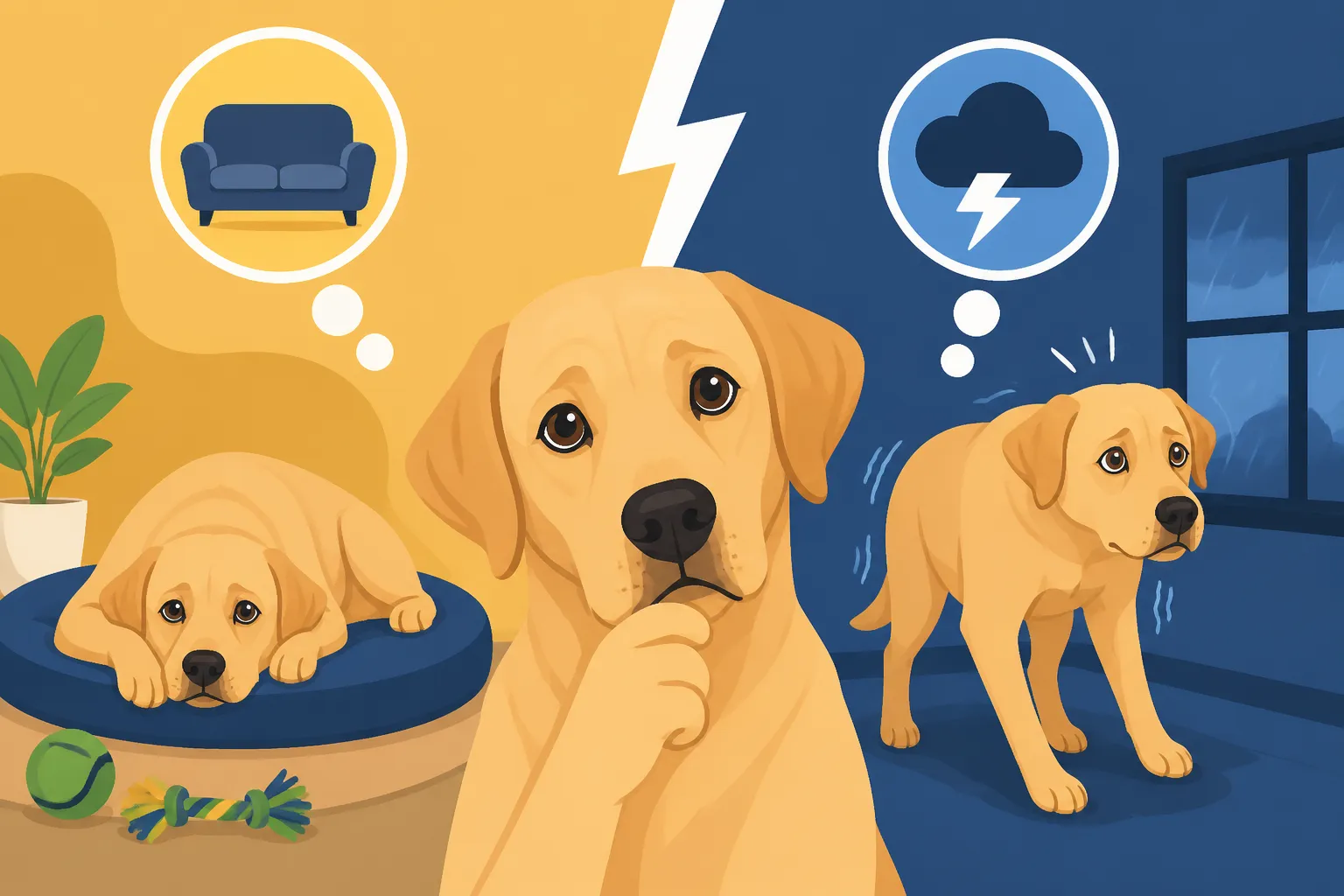
To summarize, the core distinction lies in the motivation and intensity of the behavior. Boredom seeks engagement and self-entertainment, often with a mischievous or energetic flair. Anxiety seeks escape or self-soothing from fear and distress, often with a frantic, desperate, or withdrawn quality.
| Behavior Trait | Boredom | Anxiety |
|---|---|---|
| Primary Motivation | Lack of mental/physical stimulation, need for engagement | Fear, stress, panic, distress, desire for escape |
| Vocalization | Attention-seeking barks/whines, reactive barking (squirrels, mailman) | High-pitched, incessant, distressed barking/howling, crying when alone |
| Destructive Behavior | Chewing on interesting objects, furniture (exploratory, seeking stimulus) | Frantic chewing, targeting exits (doors, windows), self-mutilation (paws, tail) |
| Pacing/Restlessness | Zoomies, restless but settles with activity | Persistent, unable to settle, often with panting/trembling |
| Elimination | Rarely inappropriate, might "forget" if left too long (long-term) | Inappropriate urination/defecation, especially when left alone (involuntary) |
| Intensity | Annoying, energetic, sometimes playful | Frantic, desperate, fearful, withdrawn, obsessive |
| When it Occurs | During dull periods, lack of activity, anytime they're under-stimulated | Often when left alone, during loud events (thunderstorms, fireworks), unfamiliar situations |
Actionable Steps to Address Boredom and Anxiety
Once you have a better idea of whether your Labrador is bored or anxious, you can start implementing targeted solutions. It's important to be patient and consistent, as behavior changes take time.
Combating Boredom: Enrichment and Activity
If you've identified boredom as the culprit, the good news is that it's often manageable with increased physical and mental engagement.
Increase Exercise and Playtime
This is often the first line of defense. Labradors need significant exercise. This isn't just a quick trip around the block for a potty break. Think longer walks, runs, swimming sessions, or intense games of fetch. A good rule of thumb is at least an hour to two hours of dedicated activity daily, broken into multiple sessions. For some Labs, especially younger or field-bred ones, even more might be needed. Consider activities like hiking, taking them to a dog park (if they're well-socialized), or even training them for dog sports like agility or dock diving. How Much Fetch a Labrador Actually Needs is a great read on this topic.
Remember that physical activity isn't just about running; it's also about exploration. Vary your walking routes, let them sniff new things, and engage their senses.
Provide Mental Stimulation
Physical exercise is vital, but so is mental work. Labradors are smart, and their brains need a workout too!
- Puzzle Toys and Treat Dispensers: These are fantastic for keeping a bored mind occupied. Brands like Kong or other interactive feeders available on Amazon can turn mealtime into a challenging game, making them work for their food. This slows down their eating and engages their problem-solving skills. Puzzle Feeders That Slow a Greedy Labrador offers more ideas.
- Training Sessions: Even if your Lab knows the basics, short, daily training sessions can be incredibly stimulating. Teach new tricks, refine old commands, or introduce scent work games. This strengthens your bond and gives them a "job" to do. Our friends at BAXTER & Bella offer online puppy and dog training programs that can provide structured lessons and plenty of ideas for mental engagement, helping to keep your Lab's mind sharp and happy.
- Chew Toys: Always have a variety of appropriate, durable chew toys available. Rotate them to keep things fresh. This provides an acceptable outlet for their natural chewing instincts.
Increase Social Interaction
If your Labrador is a social butterfly, boredom might stem from a lack of interaction with you or other dogs. Spend quality time with them, even if it's just cuddling on the couch or having a gentle grooming session. Arrange playdates with well-behaved dogs or consider doggy daycare a few times a week if they enjoy it and you need to be away.
Addressing Anxiety: Support and Professional Guidance
If you suspect anxiety, especially separation anxiety, the approach needs to be more nuanced and often requires professional help. Simply increasing exercise isn't enough, as an anxious dog can still be anxious even when physically tired.
Create a Safe and Predictable Environment
Anxious dogs thrive on routine and predictability. Try to keep their daily schedule consistent, especially around feeding, walks, and potty breaks. Provide a safe, comfortable "den" for them, like a crate (properly introduced and never used as punishment) or a quiet corner with their bed, where they can retreat when feeling overwhelmed. Some dogs find a covered crate more comforting, as it provides a sense of security.
Minimizing triggers, if possible, is also key. For noise-sensitive dogs, consider white noise machines or calming music during thunderstorms or fireworks.
Desensitization and Counter-Conditioning
This is where professional help often comes in. For separation anxiety, it involves gradually increasing the time your dog is comfortable being alone, starting with very short durations (seconds, then minutes) and pairing your departures with positive things (like a special long-lasting treat or puzzle toy only given when you leave). The goal is to change their emotional response from panic to calm.
This process can be slow and requires immense patience. It's about building positive associations and showing them that your departures aren't something to fear. A certified professional dog trainer or veterinary behaviorist can design a specific plan for your Labrador. For general training and understanding, platforms like BAXTER & Bella can offer foundational advice that supports these efforts, even if deep anxiety requires one-on-one expert intervention.
Consider Calming Aids or Medication
For severe anxiety, your veterinarian might recommend calming supplements or, in some cases, anti-anxiety medication. These are not "magic bullets" but can help reduce the dog's overall anxiety levels enough for behavior modification techniques to be more effective. Discuss these options thoroughly with your vet to determine if they are appropriate for your Labrador.
Avoid Punishment
Punishing an anxious dog for destructive behavior or accidents will only increase their fear and worsen the anxiety. They are not acting out of spite; they are in distress. Focus on management, prevention, and positive reinforcement for desired behaviors. Shaming or scolding will erode trust and make the anxiety harder to overcome.
Distinguishing between a bored Labrador and an anxious one is a crucial step in providing them with the best possible care. It takes careful observation, patience, and sometimes, a little help from professionals. But by understanding the root cause of their behavior, you can ensure your beloved Lab lives a happier, more fulfilled life, free from the endless struggle of unaddressed needs.
Disclaimer
This article is for general informational purposes only and does not constitute professional advice. Laws, prices and regulations vary by location and change over time. Consult a qualified professional for guidance on your specific situation.