Labrador Recall and Working Off Leash
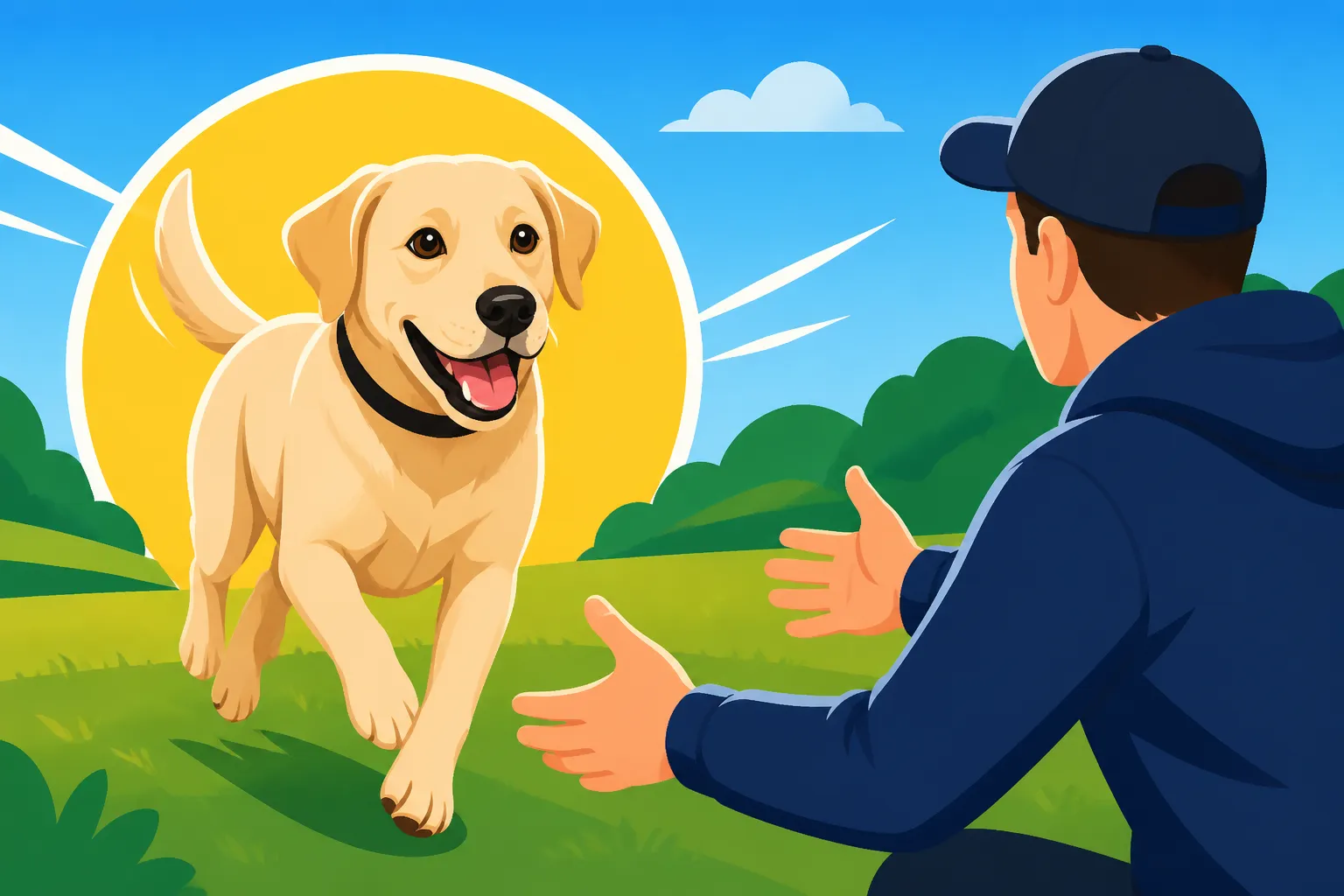
It's the dream, isn't it? That picture of your Labrador gracefully trotting ahead, sniffing every interesting leaf, but instantly turning on a dime and rocketing back to you the moment you call their name. For many Labrador owners, achieving that reliable off-leash freedom feels like the ultimate goal, but the reality can often be a frustrating dance of selective hearing and an overabundance of intriguing smells. This comprehensive guide is here to walk you through everything you need to know, from building a rock-solid foundation to navigating the challenges of adolescence and maintaining those crucial skills for a lifetime of happy, safe adventures together.
Understanding the Labrador's Drive for Off-Leash Work
Labradors were quite literally bred to work independently, often at a distance from their human companions, retrieving fallen game. This inherent drive makes them excellent candidates for off-leash activities, but it also presents unique challenges. Their independent streak and powerful scenting abilities mean they can be easily sidetracked by the world around them. Understanding these natural inclinations is the first step in setting realistic expectations and tailoring your training approach.
The Retriever Instinct and Wanderlust
The Labrador's core identity is that of a retriever. They have an innate desire to carry things, to explore, and to bring items back to their handler. This drive, while fantastic for games of fetch and field work, can also translate into a powerful urge to explore their environment extensively, following interesting scents or sights. They are incredibly curious dogs, and the world is a giant, exciting playground waiting to be investigated. This wanderlust is not defiance; it's simply a strong natural inclination that needs to be channeled and managed through consistent training.
Think about a Labrador in a vast field, nose to the ground, following a rabbit's trail. Their entire being is focused on that scent, a primal connection to their ancestry. Asking them to abandon such a compelling mission for a mere "come" requires that "come" to be the most exciting, rewarding, and ingrained command they know. This is why our training has to be more compelling than the most enticing distraction. It’s about building a relationship where you are the ultimate reward, the source of all good things, even when a squirrel zips by.
Overcoming Distractions: Smells, Sights, and Sounds
For a Labrador, the world is a symphony of distractions. A rustling bush might hide a rabbit, a distant bark could be a playmate, and every patch of grass tells a story through its myriad scents. These aren't minor interruptions; they are often intensely stimulating signals that can override less-practiced commands. A Labrador's nose is legendary, capable of detecting odors imperceptible to humans, making them prone to tuning out your voice if a particularly interesting scent trail presents itself.
Consider a busy park environment. There are children screaming with joy, other dogs playing, bicycles whizzing past, and the faint smell of discarded picnic lunches. In such a chaotic environment, a Labrador who hasn't been systematically desensitized and proofed on recall will struggle immensely. They are not being naughty; their brains are simply overwhelmed by a cascade of highly stimulating information. Our job is to gradually expose them to these distractions while simultaneously elevating the value and reliability of their recall command, ensuring that "come" cuts through the noise.
Building the Foundation: Essential Early Recall Training
A truly reliable off-leash Labrador starts with a strong foundation built during puppyhood and meticulously maintained throughout their lives. Don't wait until you're ready to let them off-leash to start training recall; it should be one of the very first commands they learn. It's not just about freedom; it's about safety.
The "Come" Command: Making it a Game
From the moment your Labrador puppy arrives home, "come" should be the happiest, most rewarding word they hear. Start in a quiet, confined space like your living room or a fenced yard. Get down to their level, clap your hands, use an excited, high-pitched voice, and say their name followed by "Come!" The instant they take a step towards you, reward them lavishly with a high-value treat, enthusiastic praise, or a quick game of tug. The key is to make coming to you feel like winning the lottery every single time. Never use "come" to do something unpleasant, like giving medication or ending a fun play session, especially in the early stages.
Vary your location and position. Sometimes call them from across the room, other times from behind a couch. Hide and call them, making it a fun game of discovery where finding you leads to big rewards. Consistency is paramount. Everyone in the household needs to use the same command and the same positive reinforcement. Imagine the joy your puppy feels when they dart across the room, anticipating that delicious bite of cheese or a rousing belly rub. This positive association builds a powerful motivation to return to you, making you the most exciting thing in their world. For those looking for structured online guidance, resources like BAXTER & Bella offer comprehensive puppy training programs that cover recall from the very beginning, often including video tutorials and community support.
Introducing the Long Line for Safety and Practice
Once your Labrador puppy understands the concept of "come" in low-distraction environments, it's time to introduce the long line. This is a crucial tool for teaching and practicing recall safely before you ever consider letting them off-leash. A long line, typically 15 to 30 feet in length, allows your Labrador to explore and feel a sense of freedom while still giving you control. You can find a great variety of long lines on platforms like Amazon, making it easy to get started with safe, supervised practice.
Start in a secure, open area like a large, fenced park or field. Let your Labrador roam, sniff, and enjoy themselves on the long line. When they are a little distracted but not completely engrossed, give your excited "come" command. If they hesitate, gently reel them in with the long line while continuing to praise and encourage. The moment they reach you, huge rewards! This teaches them that "come" means to return to you, even when they're investigating something interesting, and that ignoring the command results in a gentle, non-punitive physical reminder. It also allows you to prevent them from practicing ignoring you, which is vital. Long Line Work to Build Labrador Recall goes into more detail on how to use this tool effectively.
Mastering Advanced Recall Techniques
As your Labrador grows and their basic recall strengthens, it’s time to move into more advanced techniques that ensure reliability in increasingly complex situations. This phase is all about making recall foolproof, even when faced with significant distractions.
Whistle Recall: A Consistent, Clear Cue
A whistle can be an incredibly powerful tool for recall, especially for Labradors who might be out of earshot, or in noisy environments. Unlike your voice, which can vary in tone and emotion, a whistle blast is always consistent. It's a distinct sound that cuts through environmental noise and travels further. To introduce whistle recall, pair it with your verbal "come" command and the same high-value rewards. Blow the whistle (a distinct, short series of toots is common), immediately say "come," and reward as soon as they reach you. Repeat this many, many times in low-distraction settings until your Labrador associates the whistle solely with returning for a fantastic reward.
Once the association is solid, you can start using the whistle by itself. Practice in progressively more distracting environments, always ensuring success and rewarding generously. The beauty of the whistle is its clarity; there's no confusion for your Labrador about what you're asking. It becomes a distinct signal that means "drop everything and come here for something amazing!" This can be particularly useful if your Labrador is focused on something across a field, where your voice might not carry clearly. For more tips on this, refer to Whistle Recall for a Labrador Retriever.
Emergency Recall: The Lifesaver Command
An emergency recall is a separate, distinct command that you never use casually. This is for life-or-death situations: when your Labrador is bolting towards a busy road, about to eat something poisonous, or is heading for a potentially dangerous interaction with another animal. Choose a unique word or phrase (e.g., "NOW!", "FREEZE!", "CODE RED!") and pair it with the absolute highest-value rewards possible – something they only get for this command, like cooked chicken or steak.
Practice this command very rarely and always in a controlled environment to start, ensuring 100% success. The goal is to make this command so intrinsically rewarding and so distinct from everyday "comes" that it elicits an immediate, unthinking sprint back to you. The key is to never dilute its meaning. If you use it and your Labrador fails to come, you risk destroying its potency. That's why careful, infrequent practice and supreme rewards are critical. This isn't just a command; it's a safety net for those truly critical moments.
Proofing Recall in Diverse Environments
Proofing means practicing a command successfully in an increasing variety of environments, with increasing distractions, and with different people. You might have a perfect recall in your backyard, but that doesn't mean it will hold up at the beach or a busy park. Start with slightly more distracting areas, still using your long line. For example, move from your backyard to a quiet corner of a local park. Practice in the presence of other people, then other calm dogs, then moving vehicles, gradually building up the challenge.
The crucial element here is to set your Labrador up for success. Don't jump from your quiet home to a dog park with a high-energy "come" command. Slowly introduce new elements, always making sure your Labrador can succeed and earn their reward. If they fail, reduce the distraction level and try again. This systematic approach builds confidence and reliability, ensuring that "come" means "come" no matter where you are or what exciting things are happening around your Labrador. Remember that Short Training Sessions That Suit a Labrador are often more effective than long, drawn-out ones, especially when introducing new environments.
Gradual Introduction to Off-Leash Freedom
The transition to off-leash freedom is a significant milestone, and it requires a thoughtful, gradual approach to ensure both your Labrador's safety and the reliability of their training. Rushing this stage can undermine all your hard work.
Choosing the Right Environment for First Off-Leash Experiences
Your Labrador's first true off-leash experiences should be in the safest, most controlled environment possible. Think of a securely fenced dog park during off-peak hours, a private friend's field with no escape routes, or even a very large, empty sports field with clear sight lines and no nearby roads. The ideal spot has minimal distractions and maximum safety. Avoid areas with potential hazards like busy roads, dense woods where your dog could get lost, or places where you know aggressive dogs might be present.
The goal is to provide enough space for your Labrador to feel the freedom of exploration without being immediately overwhelmed or tempted by high-value distractions. Observe how they react in these new spaces. Are they constantly checking in with you? Or are they immediately bolting to the farthest corner? Their behavior in these initial settings will tell you a lot about their readiness for more open, less controlled environments. Patience here is key; a bad first experience can set you back considerably.
Short Bursts of Freedom and Gradual Increase
When you do offer off-leash time, start small. Allow your Labrador short bursts of freedom, perhaps for just a few minutes, before calling them back and immediately putting them back on the long line or leash. This teaches them that off-leash time is a privilege that depends on their responsiveness. As their recall becomes more reliable, you can gradually increase the duration and expand the area where they are allowed to roam free. Always carry high-value treats and be prepared to engage them in a fun game when they return.
It's also beneficial to practice "check-ins." Call your Labrador, reward them, then immediately release them to continue playing or exploring. This reinforces the idea that coming to you doesn't always mean the end of fun; sometimes it means a brief interaction and then more freedom. This proactive approach prevents your Labrador from associating "come" only with being leashed and going home. Over time, you'll see your Labrador naturally start to check in with you more frequently, looking to you for guidance and reassurance, which is the hallmark of a strong off-leash bond. For more on when this trust can develop, see When a Labrador Can Be Trusted Off Leash.
Reading Your Labrador's Body Language Off Leash
Being able to read your Labrador's body language is critical for safe off-leash adventures. Pay attention to their posture, ear position, tail wags, and eye contact. Are they keeping an eye on you, even from a distance? Or are they completely oblivious to your presence? A Labrador who frequently checks back, makes eye contact, and stays within a reasonable range is likely a good candidate for off-leash work.
Conversely, if your Labrador is consistently pushing boundaries, ignoring your calls, or showing intense focus on something far away with no regard for you, they might not be ready for that level of freedom in that particular environment. Learn to spot the signs of intense distraction before it becomes a problem. Are their ears locked forward? Nose glued to the ground? Tail high and stiff? These are cues that they might be less responsive to your call. Knowing when to intervene, even by simply walking towards them to reduce the distance, can prevent them from practicing ignoring you and ensure their safety.
Tools and Aids for Successful Off-Leash Training
While training is primarily about building a strong relationship and clear communication, certain tools can significantly aid your journey to reliable off-leash recall. These aren't shortcuts, but rather enhancements to your training strategy.
The Importance of High-Value Rewards
For a food-motivated breed like the Labrador, high-value rewards are gold. These are treats so delicious and desirable that your dog would do almost anything for them. Think small pieces of cooked chicken, cheese, hot dogs, or liverwurst. These aren't everyday kibble; they're special motivators reserved for successful recall attempts, especially in challenging environments. The higher the distraction, the higher the value of the reward needs to be. Treats That Motivate a Food-Driven Labrador offers more ideas on this topic.
The goal is to make coming back to you the most rewarding experience possible. Over time, as recall becomes ingrained, you can start to vary the rewards, sometimes using praise, toys, or even just the opportunity to continue playing. However, especially during the initial and proofing stages of off-leash work, those truly irresistible treats are your best friend. Always keep a pouch of these ready, easily accessible, so you can reward instantly the moment your Labrador responds to your call.
Harnesses, Collars, and Long Lines
Choosing the right equipment is important for both safety and effective training.
- Flat Collar: A well-fitting flat collar with ID tags is essential for any dog, on or off-leash. Ensure it's snug enough that it can't slip over your Labrador's head but loose enough for comfort.
- Harness: While harnesses are great for leash walking and preventing pulling, they can sometimes make it harder to quickly grab your dog in an emergency, or they might get snagged on brush if your Labrador is truly off-leash in rugged terrain. For long line work, a harness distributes pressure more evenly, which can be safer for your Labrador's neck.
- Long Line: As mentioned earlier, a long line is indispensable. It allows you to practice recall safely, giving your Labrador the sensation of freedom while maintaining your control. Look for a durable, lightweight line that won't tangle easily. You can find various lengths and materials on sites like Amazon.
- Whistle: If you decide to incorporate whistle recall, invest in a good quality dog training whistle. Some trainers prefer a silent whistle, while others use an audible one that carries well.
Remember, no piece of equipment can replace solid training. These are aids to support your efforts, not substitutes for consistent work and a strong bond.
GPS Trackers for Peace of Mind
For some owners, especially those who venture into large, open, or unfamiliar areas, a GPS tracker can offer invaluable peace of mind when working towards off-leash reliability. These small devices attach to your dog's collar and allow you to track their location via an app on your smartphone. While they are never a substitute for training a reliable recall, they can be a comforting backup, particularly during the early stages of off-leash exploration or if your Labrador has a particularly strong wanderlust.
Consider exploring GPS trackers, many of which are readily available on Amazon, if you plan to venture into more open, less fenced areas. They are a tool for reassurance, providing a safety net in case your Labrador gets truly sidetracked by a scent or becomes disoriented. However, relying solely on a tracker without solid recall training is a recipe for anxiety and potential danger. The primary goal should always be to train your Labrador to come back to you, regardless of technology.
Common Challenges and Troubleshooting Recall Problems
Even with the best intentions and consistent training, you'll likely encounter bumps in the road. Labradors are intelligent, but they are still dogs, and sometimes their natural instincts can make recall a challenge.
When Your Labrador Ignores You for Scents
This is a classic Labrador dilemma! Their powerful noses are incredible, but they can be a curse when you're trying to get their attention. If your Labrador consistently ignores you because they're engrossed in a scent, it usually means two things: the distraction is currently more rewarding than you are, or your recall isn't yet strong enough in that specific environment.
To troubleshoot, go back to basics. Practice in environments with less compelling scents, gradually increasing the level of olfactory stimulation. Use ultra-high-value treats for successful recalls when they're sniffing. Instead of just calling, try running away from them excitedly (making yourself more interesting than the smell!) or making a novel, interesting sound. Practice frequently on the long line, gently reeling them in if they get too fixated, ensuring they never practice ignoring your call. Consider specific training for Labrador Recall Around Birds and Wildlife if those are common distractions in your area.
Dealing with Excitement and Other Dogs
For many Labradors, other dogs are one of the biggest distractions. They are generally social creatures who love to play, and the sight of another canine often triggers an immediate desire to interact. If your Labrador struggles with recall around other dogs, you need to systematically desensitize them to this high-value distraction.
Start by practicing recall at a distance from other dogs, where your Labrador notices them but isn't yet overstimulated. Reward heavily for even glancing at you. Slowly decrease the distance as they become more reliable. Only allow greetings with other dogs as a reward for coming when called, rather than letting them run off immediately. This teaches them that engaging with other dogs is a privilege earned through responsiveness to you. If your Labrador is prone to playing too rough, you'll also want to work on Labradors With Other Dogs training separately to ensure polite interactions.
Adolescent Regression and What to Do
Ah, adolescence – the dreaded teenage years for dogs! Just like human teenagers, adolescent Labradors (typically from 6 months to 2 years) often experience a period of increased independence, testing boundaries, and "selective hearing." Commands they once knew perfectly suddenly seem to vanish from their memory. This can be incredibly frustrating, but it's a normal developmental stage. The Labrador Compliance Drop at Six Months is a real phenomenon!
When your Labrador hits adolescence, you need to be extra patient and go back to basics with your training. Reinforce every command, especially recall, as if they were a puppy again. Increase the value of your rewards, shorten your training sessions, and practice in low-distraction environments before gradually increasing the challenge. It’s not defiance; it’s their brains undergoing significant changes. Stay consistent, stay positive, and remember that this phase will eventually pass. Many dogs will start to "calm down" and become more reliable after this period; see When a Labrador Actually Calms Down for more insights.
Maintaining and Reinforcing Off-Leash Skills for Life
Achieving a reliable off-leash recall isn't a "one and done" task. It's an ongoing commitment that requires regular practice and reinforcement throughout your Labrador's life. Think of it like maintaining a finely tuned instrument; if you don't use it, you lose it.
Regular Practice in Varied Settings
To keep your Labrador's recall sharp, you need to practice regularly and in a wide variety of settings. Don't just rely on calling them when it's time to go home. Incorporate recall into your walks and play sessions. Call them randomly, reward, and then let them go back to what they were doing. Practice in different parks, trails, and open spaces. The more varied the environments in which they successfully respond to your call, the more bombproof their recall will become.
Even five minutes of dedicated recall games a few times a week can make a huge difference. Think about playing "hide-and-seek" in a field or having a family member call them from different directions. The key is to keep it fresh and unpredictable, so your Labrador never knows when that exciting "come" command might be coming, making them more attentive to your cues. This consistent reinforcement ensures that recall remains a strong, instinctual response, rather than something they only do if they feel like it.
Keeping Recall Fun and Rewarding
Never let recall become a chore, either for you or your Labrador. If it's always associated with the end of fun, they will quickly learn to dread or avoid it. Instead, make it the most exciting game you play together! Use enthusiastic praise, happy tones, and engaging rewards. Sometimes the reward can be a quick game of tug, a toss of a favorite toy, or even just a burst of vigorous praise and petting.
Vary your rewards to keep things interesting. One day it's a piece of chicken, the next it's a chase game, then a handful of their favorite kibble (if you're trying to Fading Food Rewards With a Labrador). The more positive and unpredictable you make the experience of returning to you, the more eager your Labrador will be to respond to your call, reinforcing that strong, willing partnership that makes off-leash adventures so enjoyable.
Recognizing When to Keep Your Labrador Leashed
Finally, and perhaps most importantly, understand that even the most well-trained Labrador will have situations where off-leash is not appropriate or safe. This might be in areas with high traffic, near sensitive wildlife habitats, in environments with unknown dangers, or when your Labrador is simply having an "off day" and is overly distracted.
Being a responsible owner means knowing your dog, knowing the environment, and making the best decision for their safety and the safety of others. There is no shame in keeping your Labrador on a leash or a long line when circumstances dictate. In fact, it shows excellent judgment and care. The goal isn't just off-leash freedom; it's safe off-leash freedom, and sometimes that means choosing the leash. This is especially true if you plan to introduce them to new experiences such as Swimming as Exercise for a Labrador, where a leash can still provide an important safety net.
Recall Training Command Comparison
| Command Type | Primary Use Case | Reinforcement Level | Key Characteristics | When to Use |
|---|---|---|---|---|
| Basic Recall | Everyday use, general check-ins, controlled areas | High | Enthusiastic voice, consistent verbal cue, varied rewards | During walks, in fenced yards, when changing direction, light distractions |
| Whistle Recall | Long distances, noisy environments, consistent cue | High | Distinct, consistent sound, cuts through noise, primary reward after return | Open fields, hiking trails, during gundog training, when voice won't carry |
| Emergency Recall | Life-threatening situations | Extremely High | Unique word/phrase, used rarely, highest value reward only | Approaching danger (road, poison), aggression, immediate threat to safety |
| Check-in Recall | Reinforce attentiveness, maintain connection | Moderate | Quick call, brief reward, immediate release to continue play | Any time during off-leash play to reinforce engagement, prevent disinterest |
Disclaimer
This article is for general informational purposes only and does not constitute professional advice. Laws, prices and regulations vary by location and change over time. Consult a qualified professional for guidance on your specific situation.