Starting Agility With a Labrador
Your Labrador is a powerhouse, full of boundless energy and a keen mind, and sometimes, regular walks and games of fetch just don't quite cut it for truly satisfying their drive. If you've been looking for a dynamic, engaging way to challenge your furry friend, strengthen your bond, and provide an unparalleled physical and mental workout, then starting agility might be the perfect adventure for you both. This comprehensive guide will help you understand if agility is right for your Lab and how to safely embark on this exciting journey.
Why Agility is a Perfect Fit for Your Labrador
Labrador Retrievers were bred to work closely with humans, using their intelligence, athleticism, and eagerness to please. Agility taps into all of these core traits, making it a natural fit for many Labs. It's more than just running and jumping; it's a team sport that requires communication, trust, and problem-solving, all while burning off that famous Labrador energy.
Tapping into Natural Labrador Drives
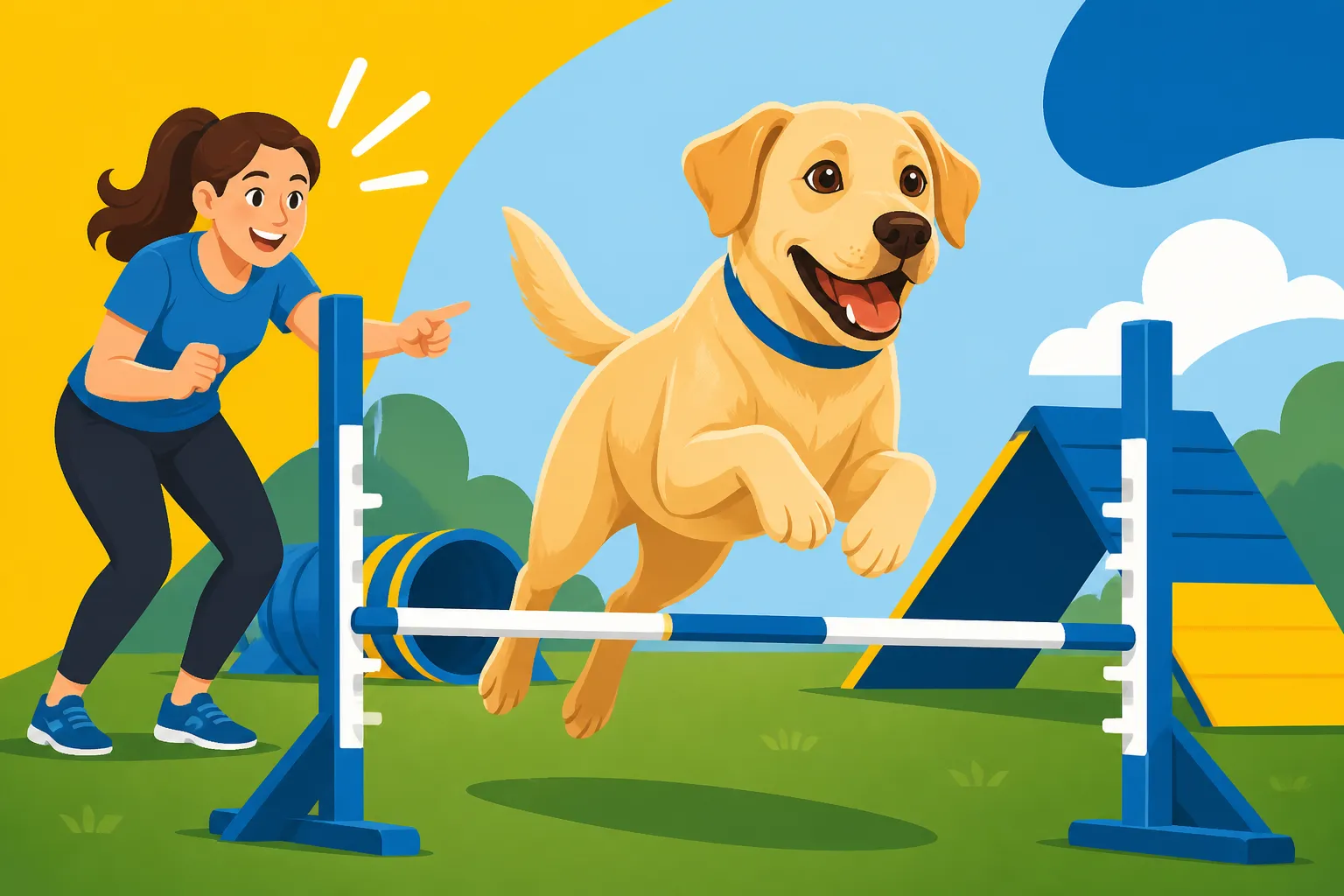
Think about what Labradors were originally bred for: retrieving game for hunters, often over rough terrain and through water. This heritage instilled in them a love for physical activity, a desire to carry things (even if it's just a toy), and a remarkable ability to understand and follow human cues. Agility training leverages these inherent qualities perfectly. Instead of retrieving a duck, they're navigating tunnels, weaving through poles, and soaring over jumps, all under your guidance.
Their innate intelligence, often seen in their ability to quickly learn new commands and tricks, finds a fantastic outlet in agility. It’s not just about raw speed; it’s about understanding sequences, anticipating your body language, and making quick decisions. Many Labrador owners find that while their dogs excel at basic obedience, they still seem to have an untapped intellectual capacity. Agility fills that void, challenging them to think and react in a fast-paced environment.
The famous "eager to please" Labrador temperament truly shines in agility. They thrive on positive reinforcement, praise, and the sheer joy of working alongside their human. This desire to do a good job, coupled with their incredible athleticism, makes them formidable and enthusiastic agility competitors. They see it as a giant, fun game where they get to show off their skills and earn lavish rewards from you.
Furthermore, agility work often involves carrying or retrieving specific items, like dumbbells or target sticks, a direct nod to their retrieving background. The soft mouth that allowed them to bring back game unharmed is also an asset when gently taking an object or navigating obstacles without damaging them. It's a modern interpretation of their ancestral job, and they usually take to it with gusto.
Physical and Mental Benefits for Your Dog
The physical benefits of agility are clear: it's an incredible full-body workout. Your Labrador will be running, jumping, weaving, and climbing, which strengthens core muscles, improves balance, enhances coordination, and boosts cardiovascular health. Consistent, controlled exercise like agility can also help maintain a healthy weight, which is incredibly important for a breed known for its love of food and propensity to Why Labradors Gain Weight So Easily. Keeping them lean and fit can significantly reduce the strain on their joints, potentially helping to mitigate issues like Labrador Hip and Elbow Dysplasia later in life.
Beyond the physical, the mental stimulation provided by agility is invaluable. A bored Labrador can become a destructive Labrador, often resorting to chewing, digging, or excessive barking to alleviate their pent-up energy and intelligence. Agility provides complex problems to solve, new skills to learn, and requires intense focus, which can be just as tiring as physical exertion. After a good agility session, you'll often find your Lab happily settled and relaxed, having had both their body and mind thoroughly engaged. This kind of Mental Work for a Bored Labrador is crucial for their overall well-being.
Agility training is a powerful tool for strengthening the bond between you and your Labrador. It requires constant communication – verbal cues, hand signals, and body language – creating a deeper understanding and trust. As you navigate the course together, you learn to read your dog's subtle signals, and they learn to trust your direction implicitly, even when faced with novel or challenging obstacles. This shared activity builds a partnership that extends far beyond the agility field.
For Labradors who might be a little shy or need more confidence, agility can be a fantastic builder. Successfully tackling a new obstacle or completing a tricky sequence provides a huge confidence boost. It also offers opportunities for controlled socialization if you join classes, exposing them to new environments, sounds, people, and other dogs in a positive and structured setting, which is especially beneficial for developing a well-adjusted Labrador Temperament and Personality.
Laying the Groundwork: Essential Prerequisites
Before you even think about setting up your first jump, there are crucial steps you need to take to ensure your Labrador is ready for the physical and mental demands of agility. Skipping these foundational elements can lead to injury, frustration, or a less enjoyable experience for both of you.
Health Clearances and Age Considerations
First and foremost, a comprehensive check-up with your veterinarian is absolutely non-negotiable before starting any strenuous activity like agility. Your vet can assess your Labrador’s overall health, check their joints, and identify any underlying conditions that could be exacerbated by agility training. For a breed predisposed to conditions like hip and elbow dysplasia, ensuring they are structurally sound is paramount. Never push a dog with existing joint issues into high-impact activities without explicit veterinary clearance and guidance.
Age is another critical factor. While it's tempting to start a high-energy Labrador puppy on agility right away, their bodies simply aren't ready. A Labrador's growth plates typically don't close until they are 12 to 18 months old. Engaging in repetitive jumping, hard landings, or weaving motions before this time can cause irreversible damage to their developing joints. Think of it like a young child specializing in powerlifting – their bones aren't mature enough to handle the stress. You wouldn't want to jeopardize their long-term health for early training.
This doesn't mean you can't do any agility-related activities with a young Labrador. Foundation work, or "flatwork," can begin once they have basic obedience. This includes teaching them body awareness, directional cues, and target training, all done safely on flat ground with no impact. You can introduce low tunnels or teach them to step over a broomstick laid flat on the ground. However, save the actual jumps, weave poles, and elevated contacts for when your vet gives the all-clear, typically after they are fully grown. Understanding Labrador Puppy Health in the First Year is crucial for making these decisions.
Even for adult Labs, consider their past. If you've adopted an adult Labrador, especially one with an unknown history, take extra precautions. They might have old injuries or undiagnosed conditions. A thorough vet examination and starting with very low-impact exercises are even more important in these cases. Ease them in, listen to their body language, and always prioritize their safety and comfort over performance.
Mastering Basic Obedience and Focus
Agility is essentially obedience at speed, with obstacles. Without a solid foundation of basic obedience, you and your Labrador will quickly become frustrated. Your dog needs to understand and respond reliably to core commands even amidst exciting distractions. Imagine trying to guide your Labrador through a complex course if they decide to chase a squirrel or greet a spectator instead of listening to your next cue. It simply won't work.
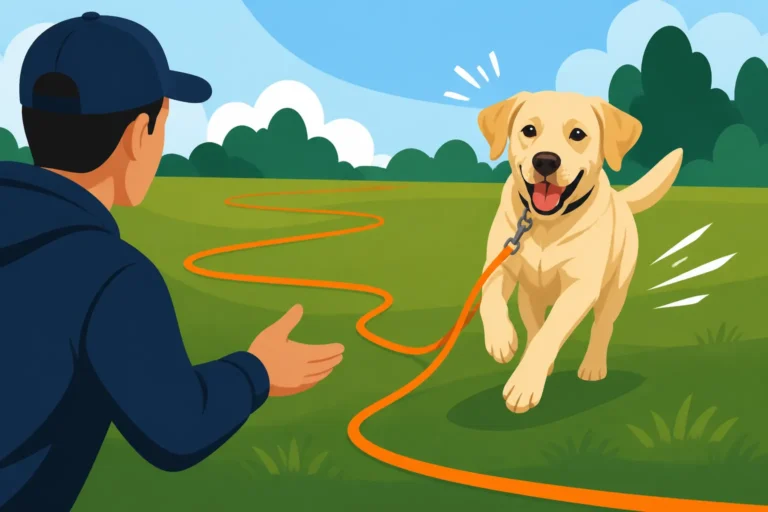
Key commands include a rock-solid "stay," a reliable "come" (or recall), and a "leave it." Your Labrador needs to be able to hold a "stay" at the start line, ignore tempting distractions on the course, and return to you promptly if they get off track. Building a Labrador's Recall From Scratch is one of the most vital skills for both safety and success in agility, as you'll often be working off-leash in classes or competitions.
Equally important is loose leash walking and the ability to heel. In agility, you'll be guiding your Labrador with your body language, running alongside them, and sending them ahead. If your Lab constantly pulls on the leash, they won't understand your body cues or be able to move fluidly with you. Mastering Loose Leash Walking With a Labrador ensures that your dog is paying attention to your movement and can follow your lead, which translates directly to better handling on the agility course.
Focus and engagement are also paramount. Labradors are often easily distracted by smells, other dogs, or even the excitement of the environment itself. You need to teach your dog to tune into you, regardless of what's happening around them. Practice focus exercises in increasingly distracting environments – start at home, then move to your yard, a quiet park, and eventually busy areas. This teaches them that you are the most interesting thing in their world, which is essential for effective agility communication.
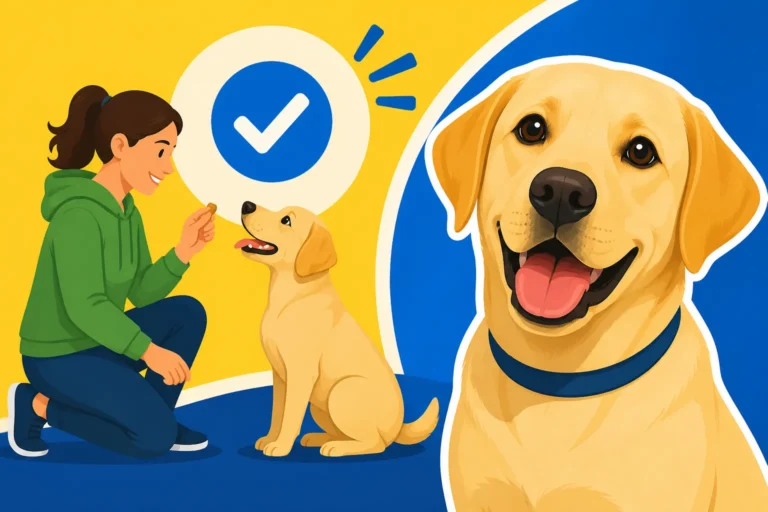
Finally, positive reinforcement is the cornerstone of agility training. Labs are incredibly food-motivated, so high-value treats and enthusiastic praise will be your best friends. Keep training sessions positive, fun, and rewarding. If your Labrador isn't enjoying it, they won't learn effectively. Understanding Treats That Motivate a Food-Driven Labrador can make a huge difference in their willingness to engage and learn.
Your Agility Journey: From Backyard to Competition
Starting agility doesn't mean you need to immediately sign up for expensive classes or invest in a full competition setup. You can begin at your own pace, right in your backyard, and gradually work your way up to more structured environments if you both enjoy it.
Starting at Home: DIY Agility
One of the best ways to dip your toes into agility is by setting up a rudimentary course in your backyard. You don't need professional equipment at first. Simple household items can serve as excellent makeshift obstacles. Use sturdy cardboard boxes or PVC pipes resting on small buckets for low jumps. Create a tunnel by draping blankets over chairs or an old pop-up play tunnel. Weave poles can be made from broomsticks or even empty plastic bottles staked into the ground. The goal is to introduce the concept of going over, through, and around things, not to perfect form initially.
The beauty of starting at home is the low pressure and flexibility. You can keep training sessions short and sweet, which is ideal for maintaining your Labrador's attention and preventing boredom. Short Training Sessions That Suit a Labrador, typically 5-10 minutes, are far more effective than long, drawn-out ones. Focus on making it a game, celebrating every success with high-value treats and joyful praise. This builds your dog's confidence and enthusiasm for the activities before introducing the complexities of a class setting.
As your Labrador gets the hang of the basic movements and you both discover a passion for agility, you might want to invest in some more durable, entry-level equipment. Many online retailers, including Amazon, offer affordable agility starter kits that include a jump, a tunnel, and some weave poles. These are often lightweight and portable, perfect for setting up in your yard or taking to a park. This small investment allows you to practice safely with obstacles designed for dog use, without committing to a full-scale setup.
Beyond physical equipment, there are excellent online resources available for home agility training. Platforms like BAXTER & Bella offer comprehensive online courses that guide you through foundational skills and obstacle training with step-by-step instructions and video demonstrations. This can be incredibly helpful for learning proper handling techniques and understanding how to progress safely and effectively, even if you're training alone in your backyard.
Finding a Class or Trainer
While home training is a fantastic starting point, joining an agility class or working with a certified agility trainer offers significant advantages as you and your Labrador progress. A good instructor provides invaluable expert guidance, personalized feedback, and ensures that obstacles are set up correctly and safely, minimizing the risk of injury. They can observe your handling and your dog's technique, offering corrections and tips that you might never discover on your own.
Classes also provide access to professional-grade equipment, which is often more sturdy, adjustable, and consistent than homemade setups. This consistency is important for your Labrador to learn proper form and confidence on various obstacles. Furthermore, a structured curriculum ensures a gradual and logical progression of skills, building on foundations rather than overwhelming your dog with too much too soon.
One of the often-overlooked benefits of agility classes is the socialization aspect. Your Labrador will be exposed to new environments, sounds, and, of course, other dogs. This is a controlled setting where dogs are expected to focus on their handlers, providing excellent practice for maintaining attention amidst distractions. It can be a wonderful way to further develop your Labrador's confidence and appropriate social manners, especially if they are particularly energetic or excitable around other canines.
When choosing a class or trainer, look for those who emphasize positive reinforcement methods. Avoid any trainer who advocates harsh corrections, force, or punishment, as this will quickly erode your Labrador's enthusiasm and your bond. Ask about class sizes, instructor qualifications, and whether you can observe a class before signing up. A good facility will prioritize safety, fun, and building a strong working relationship between you and your dog.
| Feature | Home Agility | Agility Classes |
|---|---|---|
| Cost | Low (DIY equipment) to Moderate (starter kit) | Moderate to High (enrollment fees, recurring) |
| Flexibility | High (train any time, any duration) | Fixed schedule (weekly sessions) |
| Equipment | Basic, improvised, or starter kits | Professional-grade, varied, safely maintained |
| Expert Guidance | Self-directed, online resources | Certified instructors, personalized feedback |
| Socialization | Limited (owner/family only) | High (other dogs, people, new environments) |
| Progression | Owner-paced, relies on self-education | Structured curriculum, gradual skill development |
| Safety | Depends on owner's knowledge and setup | Professionally supervised, emphasis on safety |
Navigating Common Labrador Agility Challenges
While Labradors are often fantastic agility candidates, they also come with their own unique set of quirks and challenges. Being aware of these typical Labrador traits can help you proactively address them and prevent frustration down the line.
The Food-Driven Distraction
Ah, the Labrador's legendary appetite! While their love for food makes them incredibly trainable and motivated, it can also be a significant distraction on an agility course. A dropped treat from another handler, a tempting crumb on the ground, or even the scent of food nearby can completely derail your Labrador's focus, turning your agile partner into a vacuum cleaner on four legs. This food obsession is often an endearing trait, but it requires strategic management in agility.
To combat this, you need to work diligently on "leave it" and "look at me" commands in increasingly distracting environments away from the agility course. Start at home with low-value items, then move to higher-value ones, and finally practice in parks or public places with dropped food items. The goal is for your Labrador to understand that ignoring tempting ground scores and focusing on you will lead to an even better reward from your hand. Consistency is key here.
When actually training or competing, use high-value treats that are small, soft, and easy for your Labrador to swallow quickly. You don't want them spending precious seconds crunching on a biscuit when you need their attention for the next obstacle. Chicken, cheese, or specialized training treats often work well. Ensure your treats are easily accessible in a pouch or pocket, so you can reward instantly when they perform correctly. A slightly hungry dog might be more motivated, but don't starve them; just ensure they're receptive to food rewards.
Ultimately, you want your enthusiasm and the joy of the game to be more rewarding than any potential ground score. Your praise, excited tone, and body language should be a huge motivator. While food is a powerful tool, gradually shift the balance so that your Labrador is working for the partnership and the fun, with food as a bonus. This will build true drive and focus, even in the most tempting environments.
Managing Enthusiasm and "Zoomies"
Labradors bring incredible enthusiasm to everything they do, and agility is no exception. This high drive is a huge asset, but it can sometimes translate into over-the-top excitement, leading to chaotic "zoomies" on the course, missed obstacles, or taking jumps too wide and risking injury. While you never want to stifle their joy, channeling that energy effectively is crucial for both safety and success.
A proper warm-up before hitting the agility course can make a world of difference. Don't just pull your Labrador out of the car and expect them to immediately engage. A brisk 5-10 minute walk to get their muscles warm and let them sniff around, followed by a few minutes of focus exercises (like sit, stay, down) can help burn off initial excess energy and shift their mindset from "playtime" to "work time" (even though it's still fun!). This prepares both their body and mind.
Impulse control exercises are your best friend here. Practice "wait" at the start line before releasing them, or have them "stay" while you move ahead to the next obstacle before giving a "go" cue. This teaches them that pausing and waiting for your command, even when excited, leads to the reward of running the course. It helps them differentiate between controlled bursts of speed and undirected chaos. A Labrador who can control their excitement is a more precise and safer agility partner.
Remember that agility is a progression, and building stamina and precision takes time. Don't expect perfection overnight. Celebrate small victories – a perfect weave pole entry, a clean jump, a solid contact point. Gradually build up the length and complexity of your sequences. Over-exercising a young Labrador can be detrimental to their joints, so ensure you're mindful of their age and physical condition. While Exercise a Labrador Needs Each Day is a lot, it should be balanced with appropriate breaks and mental work. Always end on a positive note, even if the session wasn't perfect, leaving your Labrador eager for the next time.
Disclaimer
This article is for general informational purposes only and does not constitute professional advice. Laws, prices and regulations vary by location and change over time. Consult a qualified professional for guidance on your specific situation.