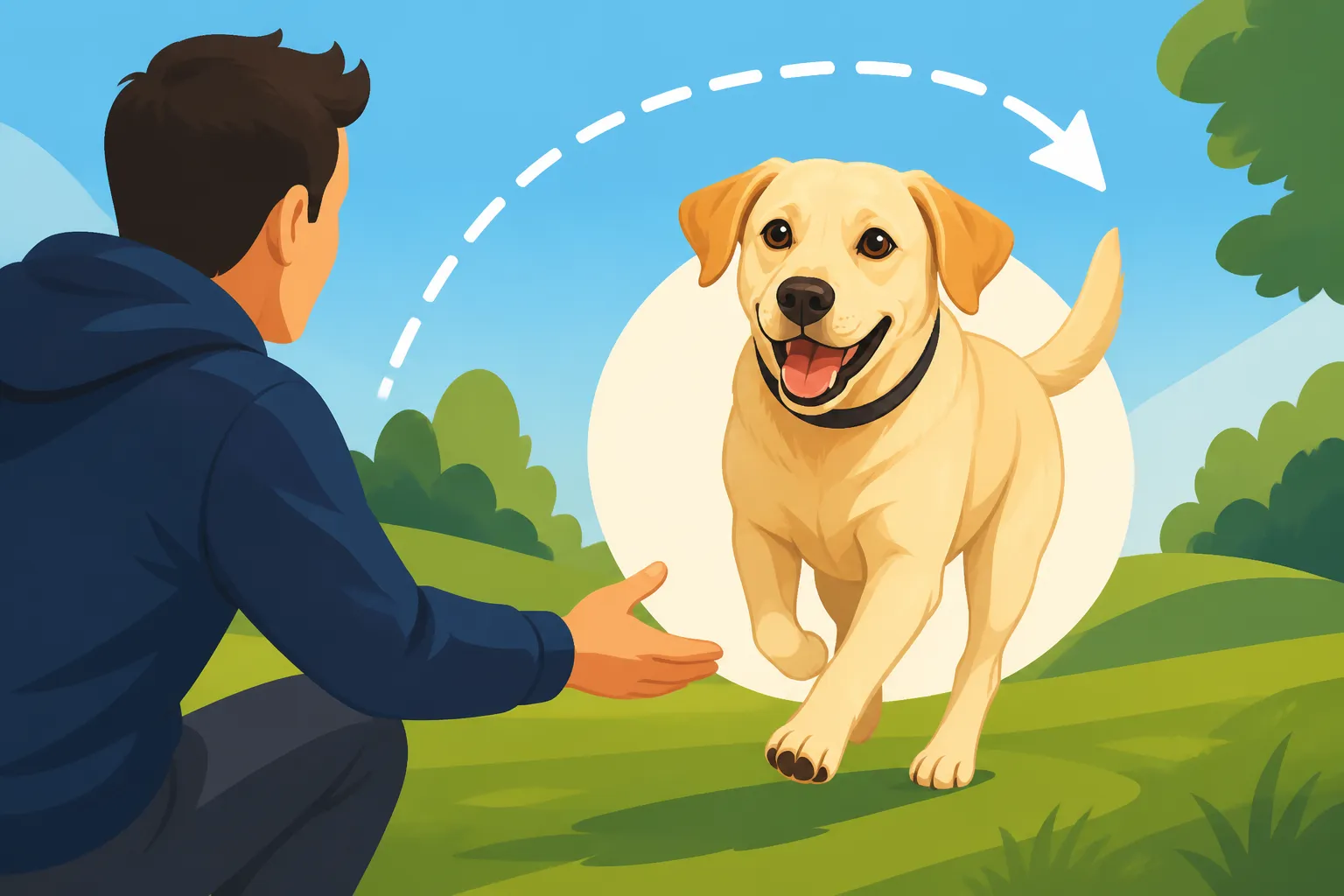
Building a Labrador’s Recall From Scratch
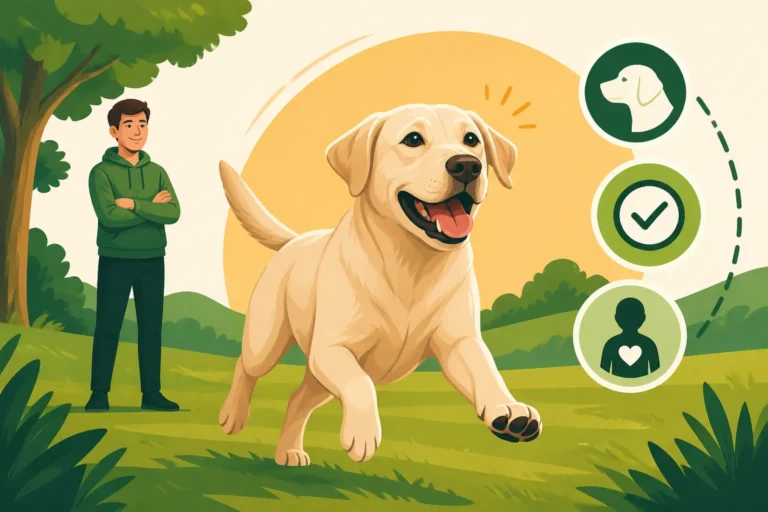
One of the biggest heartaches for any Labrador owner is calling their beloved dog, only to watch them sniff the ground and pretend they didn't hear a thing, or worse, take off after a squirrel into the great unknown. That gut-wrenching feeling of vulnerability and fear is something we all want to avoid. This guide is dedicated to helping you build a rock-solid recall, ensuring your Labrador comes back to you, every single time, making your off-leash adventures safer and more enjoyable.
Understanding the Labrador Mindset for Recall
Before we dive into the nitty-gritty of training, it’s crucial to understand what makes our Labradors tick, especially when it comes to something as fundamental as recall. These aren't just cuddly companions; they are intelligent, driven dogs with instincts deeply rooted in their retrieving heritage. Tapping into that understanding is the first step to a successful recall.
Why Labradors Run Off
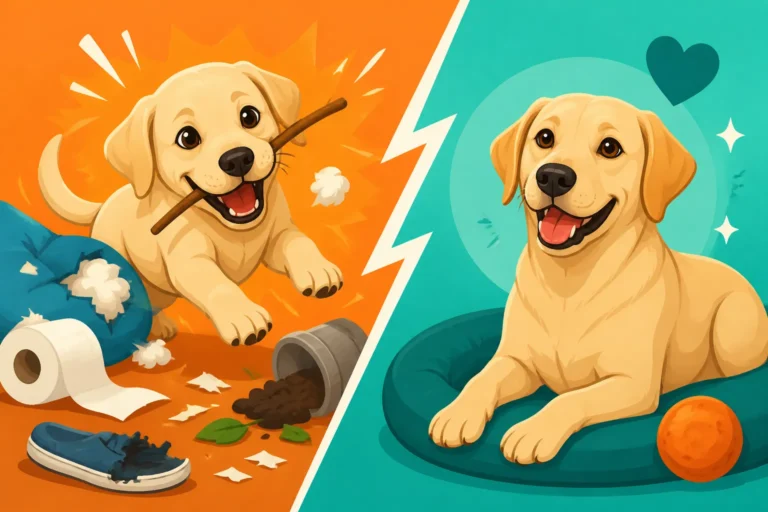
It’s easy to feel personally offended when your Labrador ignores your calls, but it's rarely about disrespect. Labradors are naturally curious, highly motivated by scent, and possess a strong prey drive. That tantalizing squirrel darting across the park, the fascinating smell of a deer trail, or even the exciting prospect of meeting another dog can easily override your voice in their minds. For a Labrador, the immediate reward of exploring or chasing often outweighs the promise of a treat back with you, especially if you haven't built up the value of your call. They're not being stubborn; they're being Labradors.
Sometimes, it's also about opportunity. If your Labrador has consistently gotten away with ignoring you, they've learned that "come" is optional. We often unintentionally teach them that coming back means the fun stops – they get put on the leash, or the exciting walk ends. We need to flip that script entirely, making coming back to us the most rewarding part of their adventure.
The Power of Their Drive
Labradors were bred for a purpose: to retrieve game, often from water, and bring it back to their handler. This means they have an innate desire to work with you and to carry things. While this drive can sometimes lead them astray (like chasing that bird!), it can also be your greatest asset in recall training. Their intense food drive is legendary, making them highly trainable with the right motivation. That same drive that compels them to chase can be redirected and channeled into a powerful desire to return to you for an even better reward.
Consider how their love for swimming ties into this. A Labrador will often ignore your calls if they're immersed in the joy of the water. Yet, with consistent positive reinforcement, that same love for water can be used as a powerful reward for a successful recall. The key is understanding these innate motivators and using them to your advantage, rather than fighting against them.
The Foundation: Positive Reinforcement and Engagement
Successful recall isn't about dominance or punishment; it's about building a strong, positive association with coming back to you. Your Labrador needs to genuinely want to return, not fear the consequences of not doing so. This means making yourself the most exciting, rewarding thing in their environment.
Making Yourself More Exciting Than the World
This might sound like a tall order, especially when squirrels exist, but it's entirely achievable. Start by making your presence incredibly rewarding. When you call your Labrador, especially in the early stages, shower them with praise, affection, and high-value treats the moment they reach you. Think hot dogs, cheese, cooked chicken – not just their regular kibble. Vary your rewards to keep things interesting. One time it's a super yummy treat, the next it's a quick game of tug, then a burst of enthusiastic petting. The goal is to make them think, "Wow, coming back to my human is the best thing ever!"
Practicing short, frequent recall games throughout the day, even indoors, reinforces this idea. Call your Labrador from another room, reward them, and then immediately release them to go back to what they were doing. This teaches them that coming to you doesn't always mean the fun ends. It can even be a brief, delightful interlude before they resume their activities. Many of these foundational skills are touched upon in Training a Labrador From Puppy to Adult.
The "Come" Command: Building a Positive Association
The word "come" (or whatever cue you choose) needs to be unequivocally positive. Never use it in a negative context, like calling them to scold them or to end a fun outing abruptly. Start in a low-distraction environment, like your living room or a fenced yard. Get down to their level, clap your hands, use an excited voice, and say "Fido, come!" As they approach, praise enthusiastically and reward generously. Repeat this many, many times, always ensuring a positive outcome.
As you progress, try a "ping-pong" recall with a partner. Stand a short distance apart, and each call your Labrador in turn, showering them with rewards. This builds a strong, positive habit of moving towards whoever calls them. The idea is to make "come" synonymous with joy and reward, not a command to be dreaded or ignored. Remember, Treats That Motivate a Food-Driven Labrador are your best friend here.
Introducing a Long Line
Once your Labrador reliably comes when called in low-distraction environments, it's time to introduce a long line. This is a game-changer for building reliable recall in more open spaces. A long line, usually 15-30 feet, gives your Labrador the illusion of freedom while giving you a safety net. You can find excellent options on Amazon, ranging from durable nylon to lightweight biothane, perfect for different environments.
Attach the long line to their harness (never just a collar for safety) and let them drag it behind them. Allow them to explore, but keep an eye on them. When you call "come," if they hesitate or get distracted, gently reel them in using the long line, continuing to use your excited voice and praise. The moment they start moving towards you, release tension on the line and reward them heavily when they reach you. This teaches them that "come" is not optional, but you're not physically punishing them for not responding; you're simply guiding them to the correct action and then rewarding it. For more detailed instructions, check out Long Line Work to Build Labrador Recall.
Building Distance and Distraction Tolerance
A recall that works in your living room but fails at the park isn't a reliable recall. The next crucial step is gradually increasing the difficulty by adding distance and distractions. This is where patience and consistency truly pay off.
Gradual Introduction to New Environments
Start practicing your long line recall in slightly more distracting environments. Maybe your quiet backyard first, then a local park during off-peak hours, or an empty school field. The key is gradual progression. Don't jump from your living room to a bustling dog park. Each new environment presents a host of new sights, sounds, and smells that can be incredibly tempting for a Labrador.
Begin each session in a new place by letting your Labrador just explore for a minute or two to get some initial sniffies out of their system. Then, start with easy recalls at short distances. If they succeed, great! If they struggle, make it easier again. Always set them up for success. This isn't about testing them; it's about teaching them that your recall is paramount, no matter where you are. Remember that When a Labrador Can Be Trusted Off Leash is a long journey, not an overnight switch.
The "Ping-Pong" Recall Game
The "ping-pong" recall is fantastic for solidifying recall in distracting environments and building speed. With two people, stand about 20-30 feet apart, each armed with high-value treats and a super excited demeanor. One person calls the Labrador, rewards lavishly when they arrive, and then the other person immediately calls them. The goal is to make it a fast, fun, and highly rewarding game. This teaches your Labrador that coming to a person is always a blast and there's another fun person waiting.
This game is especially useful for young, energetic Labradors. It burns off some of that boundless energy while simultaneously reinforcing a crucial life skill. You can even incorporate a few quick retrieves into the game, tapping into their natural drive. Consider looking into online training programs like those offered by BAXTER & Bella, which often feature variations of this game in their curriculum, helping you structure these sessions effectively.
Adding Controlled Distractions
Once your Labrador is doing well with distance, it's time to introduce controlled distractions. This is not about overwhelming them, but slowly building their ability to focus on you amidst tempting diversions. Start small:
- Have a friend casually walk by at a distance.
- Scatter some low-value treats on the ground (away from your Labrador) and then call them.
- Introduce another calm, friendly dog at a distance.
As your Labrador gets better, you can increase the intensity of the distractions. Always call them when they are just starting to notice the distraction, not when they are fully engaged in chasing it. If you wait too long, you're setting them up for failure. Reward huge successes with an extra special treat or a favorite toy. This iterative process is crucial for creating a truly bombproof recall, especially when you think about scenarios like Labrador Recall Around Birds and Wildlife.
Dealing with Common Recall Challenges
Even with the best intentions and training, every Labrador owner hits recall snags. It's frustrating, but completely normal. Understanding these common challenges and having strategies to overcome them is key to not giving up.
When Your Labrador Ignores You Entirely
The dreaded "selective hearing" is real, and it feels like a personal slight. If your Labrador completely ignores your call, resist the urge to shout or chase them. Chasing often turns into a fun game for them, reinforcing the idea of running away. Instead, take a deep breath. Try turning your back and running away from them, making excited noises. Often, their natural instinct to follow will kick in. You can also drop to the ground, feigning an injury or acting like you found something incredibly interesting. Their curiosity might draw them back.
If they are on a long line, gently apply pressure and guide them towards you, rewarding heavily the moment they respond. If they are off-leash and truly lost in their own world, the best course of action is to re-evaluate where you are practicing. You might have pushed them too far, too fast. Go back to a less distracting environment and build up their confidence and responsiveness again. Remember that using their food drive as leverage is often very effective. Using a Labrador's Food Drive as Leverage means making yourself the source of the most appealing reward.
Dealing with Selective Hearing Around High-Value Scents or Prey
This is perhaps the toughest recall challenge. That irresistible scent of a rabbit or the flash of a deer can transform your sweet Labrador into a determined hunter. If your Labrador has a strong prey drive, prevention is key. Avoid off-leash areas known for wildlife until their recall is truly impeccable. When on the long line, be hyper-aware of their body language. The moment their nose hits a hot scent, or their ears perk up, that's your cue to call them before they fully engage.
Use your highest-value rewards exclusively for these challenging situations. A piece of dried liver is great, but a chunk of rotisserie chicken might be what's needed to break their focus from a squirrel. Consider teaching a "touch" command (they touch their nose to your hand) as an alternative to "come" in emergencies, as it requires less processing in their stimulated state. You're giving them an immediate, tangible target for a reward.
The Impact of Adolescent Brains on Recall
Ah, adolescence! Between roughly six months and two years, your perfectly trained Labrador puppy might suddenly seem to forget everything they ever learned. Their hormones are raging, their confidence is soaring, and they're testing boundaries. This "teenage phase" is notorious for recall regression. It’s not personal; it’s biology. Their brains are literally being rewired, and self-control often takes a backseat. Many owners find themselves grappling with Handling a Labrador Between Six and Eighteen Months.
During this period, it’s vital to be patient and to not get frustrated. Double down on your recall training. Go back to basics in low-distraction environments. Use the long line religiously. Shorten your off-leash sessions and increase the frequency of your recalls, always making them positive and rewarding. This is a time to reinforce, not to punish. Consistency during adolescence will lay the groundwork for a reliable adult Labrador.
Advanced Recall Techniques and Real-World Application
Once your Labrador has a solid foundation, you can start refining their recall for even greater reliability and safety. These advanced techniques help you prepare for any situation life throws at you and ensure a smooth, lasting recall.
Whistle Recall for Consistency
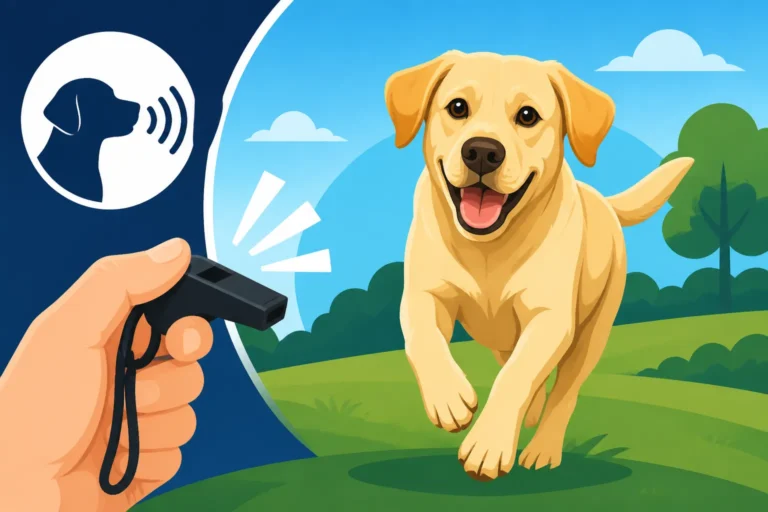
A whistle recall can be incredibly powerful. Unlike your voice, a whistle's sound carries further, is less affected by your emotions, and provides a consistent, clear cue every single time. It also cuts through distractions more effectively than a human voice. To train it, simply pair the whistle blast with your verbal "come" command. Blow the whistle, say "come," and reward. Do this for several days or weeks in all your training scenarios.
Eventually, you can drop the verbal command and just use the whistle. Always pair the whistle with a fantastic reward. If you're out in the field or at a large park, a whistle will give you an edge, especially if your Labrador is a bit further out or the wind is carrying your voice away. Many serious gundog trainers rely heavily on a whistle for precise commands. For more details, explore Whistle Recall for a Labrador Retriever.
Emergency Recall: A Lifesaving Tool
An emergency recall is a command you save only for dire situations, like your Labrador running towards a busy road, an aggressive dog, or something truly dangerous. This command should be entirely separate from your everyday "come." Choose a unique, rarely used word or phrase, like "Front!" or "Here NOW!"
Train this command with the absolute highest-value reward imaginable – something your Labrador gets only for this command. Think grilled steak bits, cheese spray, or a special toy they adore. Practice it very rarely, in controlled settings, so it never loses its power. When you use it, be intense and excited, then deliver the ultimate reward. The goal is that when you use this command, your Labrador drops everything and rockets back to you without a second thought because the reward is so unbelievably good. This single command could save their life.
| Recall Stage | Environment | Tools | Rewards | Key Focus |
|---|---|---|---|---|
| Foundation | Indoors, quiet yard | High-value treats, toy | Enthusiastic praise, super treats | Building positive association, making "come" fun, short sessions. |
| Distance | Fenced yard, quiet park (off-peak) | Long line (15-30 ft), treats, toy | Varying high-value treats, quick play | Gradually increasing distance, ensuring compliance with gentle long line guidance. |
| Distraction | Moderately busy park, controlled settings | Long line, ultimate treats, favorite toy | Ultimate treats, exciting play, verbal praise | Introducing controlled distractions, "ping-pong" recall, setting up for success. |
| Emergency | Any environment (trained separately) | Special unique word/whistle, highest reward | Truly irresistible reward (e.g., steak) | Lifesaving command, used rarely, trained with maximum motivation, one-time-use per session reward. |
| Maintenance | All environments, daily life | Treats, praise, real-life rewards | Intermittent high-value, consistent praise | Keeping recall fun, random rewards, never taking it for granted, incorporating it into daily activities. |
Maintaining Recall for Life
Recall isn't a "one and done" training exercise; it's a skill you maintain throughout your Labrador's life. Even a perfectly trained Labrador can regress if recall isn't practiced and rewarded regularly. Continue to call your Labrador for no other reason than to reward them and then release them. This keeps the value of your call high. Every now and then, surprise them with an extra special treat when they come.
Vary your training locations, the types of distractions, and the rewards. Keep it fun, unpredictable, and always positive. By consistently reinforcing that coming back to you is the best decision they can make, you'll ensure your Labrador remains your loyal, responsive companion, ready for any adventure you throw their way. Whether they are a young pup or a seasoned senior, a reliable recall means peace of mind for both of you.
Disclaimer
This article is for general informational purposes only and does not constitute professional advice. Laws, prices and regulations vary by location and change over time. Consult a qualified professional for guidance on your specific situation.