Seasonal Care for a Labrador
Living with a Labrador Retriever means embracing their boundless energy and affectionate nature, but it also means being keenly aware of how the changing seasons impact their health and well-being. From sweltering summer days to icy winter mornings, each season presents its unique challenges and demands a thoughtful approach to care, something many of us learn the hard way through trial and error, often leading to unexpected vet visits or stressed-out pups. This comprehensive guide will walk you through everything you need to know to keep your beloved Labrador happy, healthy, and comfortable year-round, addressing common frustrations and offering practical, realistic solutions.
Spring Care: Waking Up to New Challenges
Spring is a season of renewal, but for Labrador owners, it often brings a fresh set of concerns right along with the budding flowers and longer days. After a winter of potentially less activity, your Lab is ready to burst forth, but the environment itself holds new pitfalls, from pollen-laden air to a sudden explosion of unwelcome pests. It’s easy to get swept up in the excitement of warmer weather and forget the subtle shifts that can impact your dog’s comfort and health.
Navigating Spring Allergies and Pollen
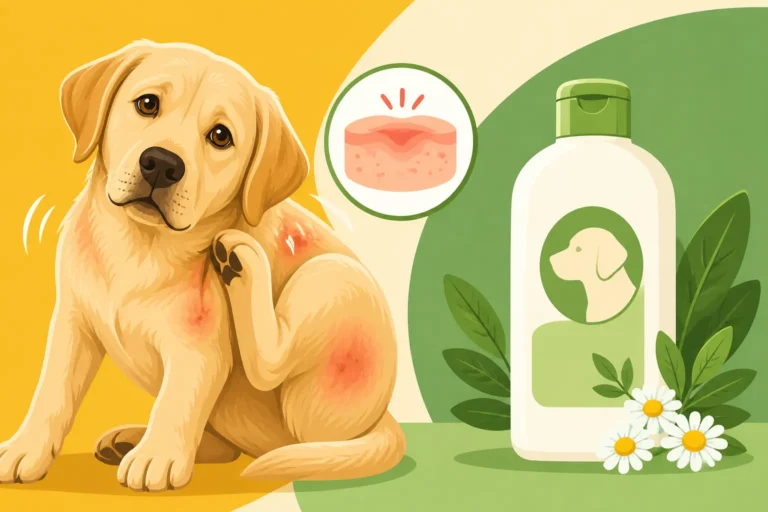
Just like us, Labradors can suffer from seasonal allergies, and spring is prime time for these itchy, irritating flare-ups. You might notice your typically stoic companion scratching more than usual, licking their paws obsessively, or developing red, inflamed skin, especially around their ears, belly, and paw pads. This isn't just a minor annoyance; chronic itching can lead to secondary skin infections, hot spots, and a truly miserable dog. The culprits are often environmental allergens like pollen from trees, grasses, and weeds, which become abundant as everything blooms.
Managing these allergies often starts with identifying the signs early. Look for excessive licking, chewing, or scratching, rubbing their face on the carpet, or head shaking that might indicate ear irritation. A trip to the vet is crucial to rule out other issues and discuss appropriate treatments. This could range from antihistamines (always consult your vet for dosage and type!) to medicated shampoos that help wash away allergens from their coat. Some Labs might even benefit from prescription diets or immunotherapy if their allergies are severe. Beyond medication, you can help minimize exposure by wiping your Labrador's paws and coat with a damp cloth after outdoor excursions, especially after walks through grassy areas. Consider investing in a good quality air purifier for your home to reduce indoor allergens, making your living space a refuge for your sensitive pup.
Battling Spring Pests: Fleas and Ticks Emerge
As temperatures rise, so does the activity of fleas and ticks, turning your innocent spring walks into a potential minefield of creepy crawlies. These parasites aren't just gross; they can transmit serious diseases, making consistent prevention absolutely non-negotiable for Labrador owners. It's a frustrating reality that just as you're enjoying the great outdoors with your adventurous Lab, you also have to be on high alert for these tiny threats.
Fleas can cause intense itching, allergic reactions (flea allergy dermatitis), and even anemia in severe infestations. Ticks are even more concerning, capable of transmitting diseases like Lyme disease, ehrlichiosis, and anaplasmosis, which can have long-lasting and debilitating effects on your Labrador's health. Many Labrador owners find themselves overwhelmed by the sheer number of products on the market, from topical treatments to oral medications and collars. The key is to choose a product that offers comprehensive protection against both fleas and ticks, and to use it consistently as directed by your veterinarian. You can often find a wide array of options available through reputable pet retailers like Chewy, allowing you to compare products and read reviews. Remember, prevention is far easier and less expensive than treating an infestation or a tick-borne illness. After every walk, especially if you've been in wooded or tall grassy areas, make it a habit to thoroughly check your Labrador for ticks. Pay close attention to their ears, armpits, groin, and between their toes—anywhere a tick might hide. Flea and Tick Products Safe for Labradors provides more detail on selecting the right preventative.
Muddy Adventures and Post-Winter Woes
Spring showers and melting snow mean one thing for a typical Labrador: mud. Lots and lots of glorious, delightful mud. While they might revel in rolling around in every puddle and digging up soggy patches of earth, it creates a significant challenge for keeping them and your home clean. Beyond the mess, constant dampness can lead to skin irritation or even exacerbate existing conditions. It's a classic Labrador dilemma – they love the elements, but the elements aren't always kind to their coats and your floors.
Prepare for the inevitable by having a "mud station" near your door. This should include old towels, a paw washing device, and perhaps a spray bottle with warm water. A good quality absorbent mat can also work wonders to catch initial drips and dirt. For Labs with longer feathering or dense coats, consider a quick rinse with a hose (if the weather allows) or a designated utility sink. Pay special attention to their paws, ensuring all mud and debris are removed, as persistent dampness can lead to yeast infections or irritation between their paw pads. A regular paw balm can help protect their pads from becoming dry or cracked from repeated washing. Don't forget their ears either; those floppy Labrador ears are prone to infections if moisture gets trapped inside, so a quick wipe with a clean cloth after a wet adventure can make a big difference.
Summer Care: Beating the Heat and Staying Safe
Summer brings long, sunny days perfect for outdoor adventures, but it also carries significant risks for Labradors, who, with their dense double coats and enthusiastic personalities, are particularly susceptible to overheating. It's easy to assume your water-loving Lab can handle anything, but the reality is that extreme heat can turn a fun outing into a medical emergency in a flash.
Preventing Heatstroke and Overheating
Heatstroke is a life-threatening condition for dogs, and Labradors are at high risk due to their thick coats and high energy levels. What starts as an innocent game of fetch on a warm day can quickly escalate. The frightening reality is that dogs don't sweat like humans; they primarily cool themselves through panting. When panting isn't enough, their body temperature rises rapidly, leading to organ damage and potentially death. It’s absolutely heartbreaking to see a dog suffer from something preventable.
Prevention is paramount. Avoid exercising your Labrador during the hottest parts of the day (typically late morning to late afternoon). Opt for early morning or late evening walks and play sessions instead. Keep exercise sessions shorter and less intense when it's warm, and always ensure constant access to fresh, cool water. Consider cooling vests or bandanas soaked in cold water for extra relief. Never, ever leave your Labrador in a parked car, even for "just a few minutes" with the windows cracked. The temperature inside a car can skyrocket to dangerous levels in minutes, even on a seemingly mild day. Learn the Signs of Heatstroke in a Labrador so you can act quickly. Symptoms include excessive panting, drooling, lethargy, weakness, vomiting, and a bright red tongue. If you suspect heatstroke, move your dog to a cool area, offer small amounts of water, and apply cool (not ice cold) water to their body, especially paws and groin, and seek immediate veterinary attention.
Protecting Paws from Hot Pavement
Imagine walking barefoot on scorching asphalt or concrete. That's exactly what your Labrador's paw pads endure on hot summer days. Their paw pads, while tough, are not impervious to extreme temperatures, and walking on hot surfaces can cause painful burns and blisters. This is a common oversight, as we're often focused on our own comfort in shoes.
Before heading out for a walk, test the pavement with the back of your hand. If it's too hot for your hand to hold comfortably for five seconds, it's too hot for your dog's paws. Stick to grassy areas or walk during cooler times of the day. If hot pavement is unavoidable, consider using protective dog booties. While some Labs might initially resist them, with positive reinforcement and gradual introduction, many will tolerate them, especially when they learn it means more outdoor time. After walks, inspect your Labrador’s paw pads for any redness, blistering, or tenderness. If you notice any damage, clean the area gently and consult your vet for treatment, which might include medicated ointments or wraps. Keeping the fur between their paw pads trimmed can also help with air circulation and reduce trapped heat.
Water Safety and Hydration Strategies
Labradors famously love water, and swimming can be an excellent way to keep them cool and exercised in summer. However, just because they love water doesn't mean they're inherently safe in all aquatic environments. From pools to lakes and oceans, each presents its own set of considerations. Proper hydration is also key, as even a dip in the water won't prevent dehydration if they're not drinking enough.
When swimming in pools, ensure your Labrador knows where the steps or exit ramps are located. Never leave them unsupervised. Chlorine can irritate their skin and eyes, so a thorough rinse with fresh water after swimming is a good idea. For natural bodies of water like lakes and rivers, be mindful of currents, underwater hazards (like sharp rocks or fishing lines), and water quality. Algae blooms, especially blue-green algae, can be highly toxic. Always check local advisories before allowing your dog to swim. A doggy life vest is a smart investment, especially for Labs who might not be strong swimmers, for older Labs, or for any water activity on boats or open water. Providing ample fresh water is crucial. Bring a portable water bowl and a bottle of water on all outings. Consider adding a splash of unsalted chicken broth to their water to encourage drinking, or offer frozen treats like ice cubes or frozen fruit (safe fruits like blueberries or apple slices) as hydrating snacks. This continuous focus on hydration can make a huge difference, especially if your Labrador is prone to Labrador Ear Infections and Swimming.
Autumn Care: Fall Fun and Hidden Dangers
Autumn, with its crisp air and beautiful foliage, offers a welcome respite from summer's heat. It's a favorite season for many Labradors, perfect for long walks and romps through crunchy leaves. But beneath the picturesque scenery lie several overlooked dangers that conscientious owners need to be aware of. The change in season requires a shift in our care routines to keep our curious companions safe.
Guarding Against Fall Toxins and Hazards
As leaves fall and gardens die back, new seasonal hazards emerge. The decomposing organic matter can become moldy, and certain plants or fungi that thrive in cooler, damp conditions can be toxic if ingested. For a Labrador who sniffs and investigates everything with their mouth, this can be a serious concern. It's alarming to think that the beautiful fall landscape could hide something so harmful.
Be particularly vigilant about mushrooms. While many are harmless, some wild mushrooms are highly toxic and can cause severe illness or even death if consumed. If your Labrador eats a mushroom, collect a sample (if safe to do so) and contact your vet or an animal poison control center immediately. Decaying leaves can harbor mold and bacteria, which might cause stomach upset if ingested in large quantities. Keep your yard raked, especially if your Labrador likes to "graze" or dig in leaf piles. Other fall plants like chrysanthemums and autumn crocus can also be toxic. Antifreeze, often used to winterize vehicles or summer equipment, is another silent killer; its sweet taste attracts dogs, but even a small amount can be fatal. Ensure all antifreeze is stored securely and spills are promptly cleaned.
Adapting Exercise to Cooler Temperatures
The cooler autumn temperatures are often a blessing, allowing for longer, more vigorous exercise sessions without the worry of overheating. However, it's important not to go from zero to sixty too quickly, especially if your Labrador has had a less active summer. Even a healthy, athletic Lab needs time to condition, and older Labs might find the cooler weather exposes underlying joint stiffness.
Gradually increase the duration and intensity of your walks and play. Just because the air is cooler doesn't mean your Labrador won't still get winded or experience muscle soreness if pushed too hard too fast. For active Labs, autumn is a fantastic time to get back into longer hikes or even try new activities like agility or scent work. For senior Labs or those with joint issues, like Labrador Arthritis in Middle Age, the cooler air can sometimes make stiffness more pronounced. Consider supportive joint supplements, ensure they have a warm, comfortable bed, and opt for shorter, more frequent walks rather than one long, strenuous outing. Warm-up and cool-down periods are just as important for dogs as they are for human athletes.
Preparing for Hunting Season
For many Labradors, autumn signals the exciting start of hunting season. Their retrieving instincts kick into high gear, and they thrive on the work. However, even if your Lab is not a working gundog, it's essential to be aware of hunting activities in your area, especially if you hike in rural or wooded regions where hunting may occur.
If your Labrador is involved in hunting, ensure they are properly conditioned for the rigors of the field. Gundog Training Costs for a Field Labrador provides insight into the investment required. Their diet might need adjusting to support their increased energy expenditure, and they should have all necessary vaccinations and parasite prevention up to date. Safety gear, such as blaze orange vests or collars, is crucial to ensure they are visible to other hunters, even if they are not the target of hunting themselves. If you are simply walking your Labrador in areas where hunting is permitted, consider dressing both yourself and your dog in bright, visible colors. Keeping your Lab on a leash in such areas, or ensuring a rock-solid recall, is vital for their safety and the peace of mind of others.
Winter Care: Keeping Warm and Active
Winter, with its short days and often frigid temperatures, can be a challenging season for Labradors and their owners. While Labradors possess a dense double coat designed for cold weather, they are not immune to the dangers of extreme cold, ice, and snow. It's easy to let activity levels drop in winter, but a bored Labrador is often a mischievous Labrador.
Protecting Paws from Ice and Salt
Winter brings with it the pervasive issue of ice and road salt. These can be incredibly harsh on your Labrador's paw pads, causing painful cracks, dryness, and irritation. The salt itself can also be toxic if ingested when your dog licks their paws after a walk. It’s a common winter frustration to see your Lab limping or licking their paws incessantly after coming inside.
Consider dog booties as a primary line of defense against ice, snow, and de-icing chemicals. If booties aren't an option, a good quality paw balm or wax can create a protective barrier, preventing chapping and reducing the adherence of salt and ice. Be diligent about cleaning your Labrador's paws immediately after coming inside. Use warm water and a towel to thoroughly rinse off any salt, ice melt, or slush, paying close attention to the spaces between their paw pads. Check their paw pads regularly for any signs of redness, cracks, or irritation. If you live in an area with heavy snow, keeping the fur between their paw pads trimmed short can help prevent snow and ice from balling up there, which can be very painful.
Preventing Hypothermia and Frostbite
While Labradors are generally tolerant of cold, prolonged exposure to freezing temperatures, especially when wet, can lead to hypothermia and frostbite. Puppies, senior Labs, and those with underlying health conditions are particularly vulnerable. It’s a sobering thought that our robust, cold-loving Labs can still get dangerously cold.
Monitor outdoor temperatures, especially wind chill. On truly frigid days, keep outdoor potty breaks brief and supervised. If your Labrador spends time outdoors in a yard, ensure they have access to a warm, dry, insulated shelter away from wind and precipitation. Consider a dog coat or sweater for shorter-haired Labs, older dogs, or those who seem to shiver readily. Watch for signs of hypothermia: shivering, lethargy, weakness, shallow breathing, and stiff muscles. Frostbite most commonly affects extremities like paw pads, ears, and tails, appearing pale, waxy, or discolored. If you suspect either, gently warm your dog with blankets and seek veterinary attention immediately. Always ensure your Labrador has a comfortable, warm, draft-free place to sleep indoors.
Indoor Enrichment for Cold Days
When the weather outside is truly frightful, maintaining your Labrador's physical and mental stimulation indoors becomes paramount. A bored Labrador, especially a high-energy one, can quickly turn to destructive behaviors, leading to chewed furniture or excessive barking. It's a puzzle many owners face: how do you tire out a Lab without going outside? Indoor Exercise for a Labrador in Winter offers more strategies.
Embrace indoor games and activities. Puzzle toys that dispense treats, like those available on Amazon, can keep their minds engaged for extended periods. Scent work, where you hide treats around the house for your Labrador to find, taps into their natural scenting abilities and is wonderfully tiring. Practicing obedience commands in short, enthusiastic bursts, or teaching new tricks, provides mental stimulation and strengthens your bond. If you have stairs, a controlled game of "fetch" up and down a few steps can burn some energy. Even a simple game of tug-of-war can be a good physical outlet. Remember, mental exercise can be just as exhausting as physical exercise for a Labrador, and crucial for maintaining their good behavior during the long winter months.
Year-Round Parasite Prevention
While the activity levels of parasites like fleas and ticks peak in warmer months, the truth is that they can be a threat year-round in many climates, especially with indoor heating and increasingly mild winters. Heartworm and intestinal worms are also constant concerns. Relying solely on seasonal treatment leaves your Labrador vulnerable, which is a stressful thought for any responsible owner.
Tailoring Your Flea and Tick Strategy
A "one-size-fits-all" approach to flea and tick prevention often falls short. The best strategy depends on your geographic location, your Labrador's lifestyle (e.g., heavily wooded hikes vs. city walks), and the local parasite prevalence. It's a complex decision that requires careful consideration.
Work closely with your veterinarian to determine the most effective and safe flea and tick prevention for your Labrador. They can provide recommendations based on the specific parasites common in your area and your dog's individual needs. Options include oral medications, topical treatments, and collars, many of which are highly effective. Consistency is key – skipping doses or waiting until you see fleas means you’re already behind. Even if you don't see them, they could be present. Many reputable online retailers, such as Chewy, offer convenient subscription services for parasite preventatives, ensuring you never miss a dose. Remember, even in winter, fleas can survive indoors, and ticks can be active any time the temperature is above freezing. Flea and Tick Products Safe for Labradors goes deeper into product choices.
Consistent Heartworm and Intestinal Worm Prevention
Unlike external parasites, heartworms are transmitted by mosquitoes, which can be active whenever temperatures are warm enough. Intestinal worms (roundworms, hookworms, whipworms, tapeworms) are a constant threat, picked up from contaminated soil, feces, or intermediate hosts. These internal parasites are often invisible but can cause serious health problems, making year-round prevention a crucial part of your Labrador's care routine. It's easy to forget about these unseen dangers until a problem arises.
Heartworm disease is severe, potentially fatal, and expensive to treat. Prevention is simple and far less stressful. Your vet will likely recommend annual heartworm testing and then prescribe a monthly preventative medication that also often covers common intestinal worms. Administering this medication every single month, without fail, is vital. Even a single missed dose can leave your Labrador vulnerable. For intestinal worms, regular fecal exams (usually once or twice a year) are important, even with monthly preventatives, to catch any infections that might slip through or to identify less common parasites. Discuss with your vet the best year-round plan for your specific region and your Labrador's risk factors. Heartworm Prevention for a Labrador offers more guidance.
Checking for Parasites After Outdoor Adventures
Even with consistent preventative measures, vigilance remains important. No preventative is 100% foolproof, and early detection of a tick or a new flea infestation can prevent a bigger problem and potential disease transmission. This simple habit can save you a lot of worry and vet bills.
Make a thorough check for ticks and fleas a routine part of your post-walk or post-hike ritual, especially after exploring wooded areas, tall grasses, or dog parks. Run your hands over your Labrador's entire body, paying special attention to warm, dark areas like behind the ears, in the armpits, around the groin, and between the toes. Ticks can be tiny, so look closely. If you find a tick, remove it carefully with fine-tipped tweezers, grasping it as close to the skin as possible and pulling straight up without twisting. Save the tick in a sealed bag or jar with a damp paper towel and date it, in case your dog develops symptoms and your vet needs to identify the species. For fleas, look for "flea dirt" (small black specks that look like pepper) on their skin and coat, particularly around the tail base and belly. This is actually flea feces, and if you wipe it with a damp paper towel, it will turn reddish-brown. If you find fleas, you'll need to treat not just your dog but also your home environment to break the life cycle.
Seasonal Dietary Adjustments for Optimal Health
A Labrador's diet isn't a static thing; it often needs to evolve with the seasons, reflecting changes in their activity levels, metabolism, and environmental conditions. What works perfectly in the summer might not be ideal for a chilly winter, and failing to adjust can lead to unwanted weight gain, lethargy, or nutritional deficiencies. It’s a common misconception that a bag of food is suitable year-round, regardless of your dog’s lifestyle.
Adjusting Calories for Activity Levels
Labradors are notorious food lovers, and their propensity to gain weight is well-documented. Their caloric needs fluctuate dramatically based on their activity. A Labrador who is swimming daily and hiking miles in the summer will burn far more calories than one who spends winter days largely indoors due to inclement weather. Ignoring these shifts is a primary reason Why Labradors Gain Weight So Easily.
In more active seasons (like spring and summer for many Labs), your Labrador might require slightly more food to fuel their adventures and maintain a healthy weight. Conversely, during less active periods (often winter), their caloric intake should be reduced to prevent unwanted weight gain. Even a few extra pounds can put undue strain on their joints and shorten their lifespan. Use a kitchen scale to accurately measure food portions – it's far more precise than a scoop. Regularly assess your Labrador's body condition score by feeling their ribs; you should be able to easily feel them without seeing them prominently. If you’re unsure, consult your vet about ideal portions and how to make seasonal adjustments. For very active Labs, or those who could benefit from a fresh, nutrient-dense diet, consider options like Ollie, which can be tailored to activity levels.
Maintaining Hydration Through Food
While we often think of hydration as solely about water intake, a significant portion of a dog's daily moisture can come from their food. This becomes especially important in certain seasons. In summer, adequate water intake is critical to prevent heatstroke, but in winter, many dogs tend to drink less, even though indoor heating can dry out the air and increase their need for moisture.
Consider incorporating wet food or adding water/unsalted broth to your Labrador's dry kibble, especially in winter or if you notice they aren't drinking as much. This can be a simple yet effective way to boost their hydration levels. Fresh food options, like those from Ollie, naturally contain a higher moisture content, which can be beneficial year-round. In summer, frozen treats made from safe fruits and vegetables (like pureed pumpkin, blueberries, or small pieces of watermelon) can also contribute to hydration and offer a refreshing snack. Always ensure your Labrador has access to multiple bowls of fresh, clean water throughout your home, and consider a pet fountain to encourage drinking, as the circulating water can be more appealing to some dogs.
Supporting Seasonal Immune Health
Just like humans, a Labrador's immune system can face different challenges throughout the year. Seasonal allergies, increased exposure to viruses at dog parks in warmer weather, or the general stress of temperature fluctuations can all tax their immune defenses. Providing adequate nutrition is foundational to a robust immune system.
Ensure your Labrador's diet is rich in high-quality protein, essential fatty acids (like Omega-3s, which can be found in fish oil supplements or certain dog foods), and antioxidants. These nutrients play a vital role in supporting overall immune function and maintaining healthy skin and coat, which is your dog's first line of defense against environmental irritants. Probiotics can also be beneficial for gut health, which is intricately linked to the immune system. If your Labrador experiences frequent seasonal issues, discuss with your vet whether a change in diet, such as a limited ingredient formula, or the addition of specific supplements might be beneficial. Remember, a healthy diet is the cornerstone of preventing many seasonal ailments and ensuring your Labrador can thrive no matter the weather. Feeding a Labrador Through Every Life Stage offers more general advice on diet.
Grooming Through the Seasons
Labradors possess a unique double coat that is wonderfully water-resistant and insulating, but it comes with its own set of grooming challenges, particularly related to shedding. The needs of this coat change dramatically throughout the year, demanding different approaches to brushing, bathing, and general maintenance. Overlooking these seasonal nuances can lead to excessive shedding, skin issues, or a dull coat.
Managing Seasonal Shedding Cycles
Labradors are renowned for their shedding, and it's not a constant, even flow. They typically "blow their coat" twice a year, usually in spring and fall, in response to changing daylight hours and temperatures. During these periods, the amount of hair that comes off can be truly astounding, covering your clothes, furniture, and seemingly every surface of your home. It’s enough to make you wonder where it all comes from!
During these intense shedding periods, daily brushing is not just helpful, it's essential. Invest in a good quality deshedding tool, such as a rake or a brush specifically designed for double coats. Regular brushing helps remove loose undercoat before it ends up on your floor, stimulates circulation, and distributes natural oils. You can find a wide variety of effective Deshedding Tools for a Labrador on platforms like Amazon. Outside of these heavy shedding cycles, a few times a week should suffice. While shedding is a natural process, excessive or unusual shedding could be a sign of an underlying health issue, so always consult your vet if you're concerned. How Often a Labrador Sheds Year Round provides more context.
Bathing Needs and Coat Maintenance
The frequency of bathing a Labrador can also vary with the seasons, depending on their activities and how muddy or dirty they get. While their coat is low-maintenance in terms of professional styling, regular bathing is still necessary to keep their skin healthy and their coat clean.
In spring and summer, if your Labrador is swimming frequently or rolling in mud, more frequent baths might be necessary. Use a dog-specific shampoo that is gentle and won't strip their natural oils, as these oils contribute to their coat's water resistance. Always rinse thoroughly to prevent skin irritation. In drier, colder months, you might be able to stretch out the time between baths, as over-bathing can dry out their skin. If your Labrador has sensitive skin or seasonal allergies, your vet might recommend a medicated or hypoallergenic shampoo. After any bath or swim, ensure your Labrador is thoroughly dried, especially the undercoat, to prevent moisture-related skin issues. Air drying can take a long time and lead to "hot spots" or dampness-related infections. A powerful dog dryer (or even a regular hairdryer on a cool setting) can be invaluable.
Nail and Paw Pad Care
Paw and nail care are important year-round, but seasonal changes can highlight specific needs. Longer walks on rougher terrain in summer might naturally wear down nails, while less activity in winter means nails can grow longer, making trims even more critical. Cold and dry winter air can also wreak havoc on paw pads.
Regular nail trims are essential to prevent discomfort, splayed toes, and even skeletal issues. For Labradors, whose nails are often dark, making it hard to see the quick, learning how to properly trim them (or having a groomer/vet do it) is crucial. Aim for trims every 3-4 weeks, or as needed, so their nails don't click on the floor when they walk. In winter, dry, cracked paw pads are a common issue. Apply a protective paw balm or wax regularly to keep them moisturized and resilient. In summer, hot pavement can cause burns, as discussed earlier. Always check their paw pads for any cuts, abrasions, or foreign objects after walks, especially if they've been running on rough surfaces or through thorny patches. Consistent paw care prevents painful problems that can significantly impact your Labrador's mobility and comfort.
Exercise and Activity: Adapting to the Weather
Exercise is fundamental to a Labrador's physical and mental health. They are active, powerful dogs built for work and play. However, blindly sticking to the same exercise routine throughout the year, regardless of weather conditions, can be dangerous. Adapting your Labrador's activity schedule and intensity to the seasons is a mark of a responsible and caring owner.
Understanding Seasonal Exercise Limits
The amount and type of exercise a Labrador needs can vary significantly with age, health, and, critically, the weather. Pushing a young puppy too hard in extreme heat or a senior dog on icy pavements can have serious consequences. Many owners feel guilty if they can't provide the same level of activity year-round, but safety must come first.
In scorching summer heat, strenuous exercise should be minimized or moved to the coolest parts of the day. Opt for swimming, which is low-impact and cooling, or indoor games. For young Labrador Puppy Health in the First Year, growth plates are still open, and excessive high-impact exercise, regardless of season, can lead to orthopedic problems. In winter, slick ice and deep snow can pose slip-and-fall hazards, particularly for older Labs or those with pre-existing joint issues like Managing Labrador Hip Dysplasia Without Surgery. Always consider visibility during shorter winter days – reflective gear for both you and your dog is a good idea. Even a healthy adult Labrador can be at risk of hypothermia in extreme cold, so monitor their comfort levels and keep outdoor sessions appropriate for the conditions.
Creative Exercise Solutions for Extreme Weather
There will inevitably be days when the weather is simply too hot, too cold, too wet, or too stormy for a proper outdoor workout. These days often lead to cabin fever for both you and your Labrador. But a lack of outdoor exercise doesn't have to mean a bored and restless dog.
This is where creativity comes into play. Indoor fetch in a hallway (being mindful of hard floors for joint health), hide-and-seek with treats or toys, or practicing advanced obedience commands can all provide valuable physical and mental stimulation. As mentioned earlier, puzzle toys are fantastic for mental enrichment. Consider visiting an indoor dog park or a pet-friendly store (like a large hardware store) for a change of scenery and some controlled walking. Some communities even have indoor dog swimming pools, which are excellent for year-round low-impact exercise. Even taking a car ride to a new, safe outdoor area for a shorter, more intense sniffing session can be invigorating. The goal is to avoid prolonged boredom, which can lead to destructive behaviors.
Conditioning for Year-Round Activity
For the truly active Labrador, especially those involved in dog sports, hunting, or long hikes, maintaining a baseline level of fitness year-round is important. This prevents injuries when returning to higher intensity activities and supports overall long-term health. It’s about building endurance and strength that lasts.
During off-seasons or periods of reduced activity, maintain a consistent, moderate exercise routine to keep your Labrador in good condition. This could involve regular leash walks, light jogging, or controlled swimming sessions. As you transition into more active seasons, gradually increase the duration and intensity of workouts, allowing your Labrador's body to adapt. Just as a human athlete wouldn't run a marathon without training, your Labrador shouldn't jump into an all-day hike without being conditioned for it. Pay attention to their physical condition: are they carrying too much weight? Are their muscles firm? Are they easily winded? Consistent, thoughtful exercise planning across all seasons helps ensure your Labrador remains a robust, joyful companion for many years to come.
| Season | Common Concerns | Prevention/Care Tips | Exercise Adjustments |
|---|---|---|---|
| Spring | Allergies, fleas, ticks, mud, increased activity | Antihistamines (vet-approved), consistent parasite meds, paw wipes, air purifiers | Gradual activity increase, resume longer walks/hikes |
| Summer | Heatstroke, paw burns, dehydration, water hazards | Early/late walks, paw balm, cooling vests, fresh water always, swimming supervision | Early/late, low-impact, swimming, avoid hot pavement |
| Autumn | Toxic plants/mushrooms, leaf mold, ticks, hunting season | Leash walking in unknown areas, yard checks, continued tick checks, blaze orange gear (if applicable) | Longer, more vigorous walks, condition for specific activities |
| Winter | Hypothermia, frostbite, ice/salt damage, boredom | Sweaters/booties for sensitive Labs, paw balm, indoor games, supervised outdoor time, warm bedding | Shorter, frequent outdoor trips, focus on indoor mental/physical games |
Disclaimer
This article is for general informational purposes only and does not constitute professional advice. Laws, prices and regulations vary by location and change over time. Consult a qualified professional for guidance on your specific situation.