When a Labrador’s Growth Plates Close
Labrador growth plates typically close between 12 and 18 months, protecting femur and tibia bones from permanent deformities.
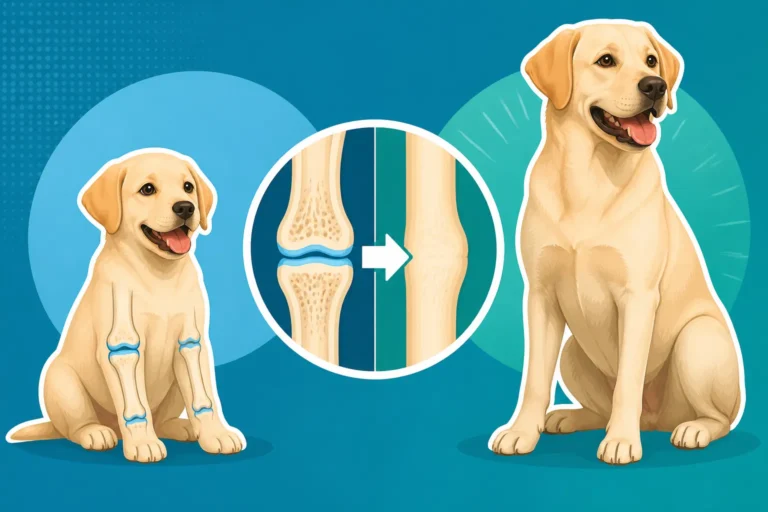
Labrador growth plates typically close between 12 and 18 months, protecting femur and tibia bones from permanent deformities.

The initial veterinary examination for a Labrador puppy establishes a health baseline and starts vital vaccinations against distemper and parvovirus.

Daily at-home physical checks and veterinary visits help new owners monitor Labrador puppy health, behavior, eyes, and coat during the first week.
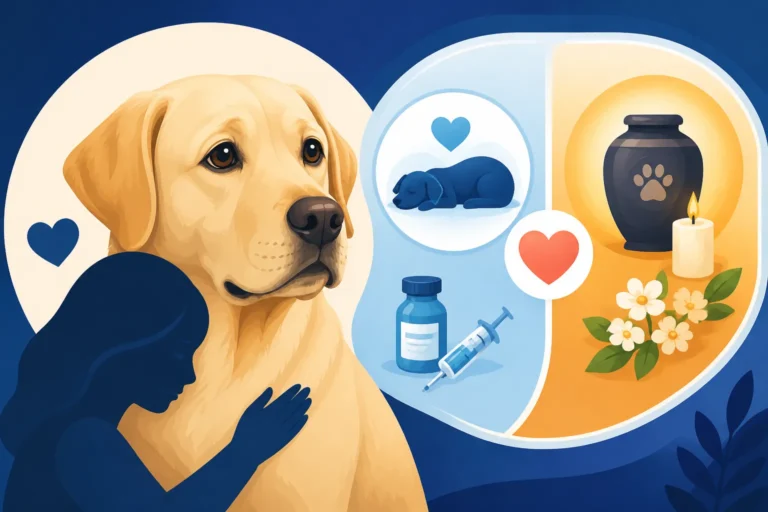
Labrador euthanasia and cremation costs, including veterinary fees, pricing options, and end of life care choices for your dog.

Labrador end-of-life decisions involve recognizing physical decline, assessing quality of life scales, and consulting veterinarians.

At-home hospice care for an aging Labrador manages chronic pain, mobility loss, and maintains quality of life with family support.
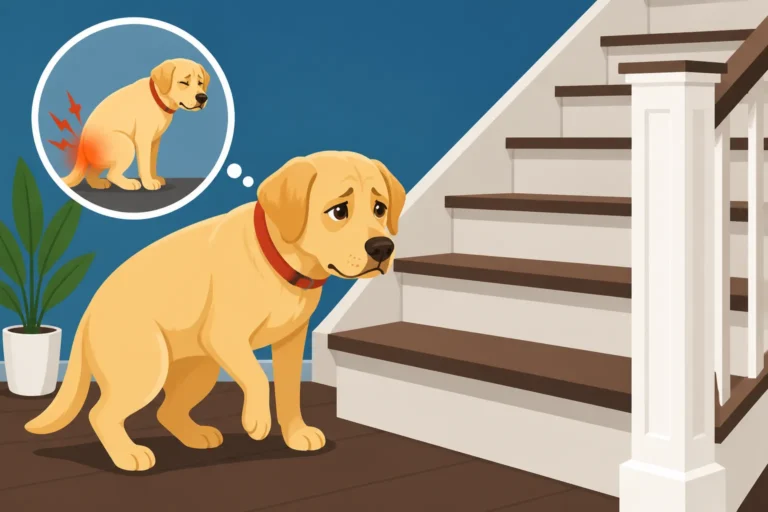
Labrador stair avoidance signals arthritis, hip dysplasia, or injury, requiring veterinary evaluation and support for aging dogs.
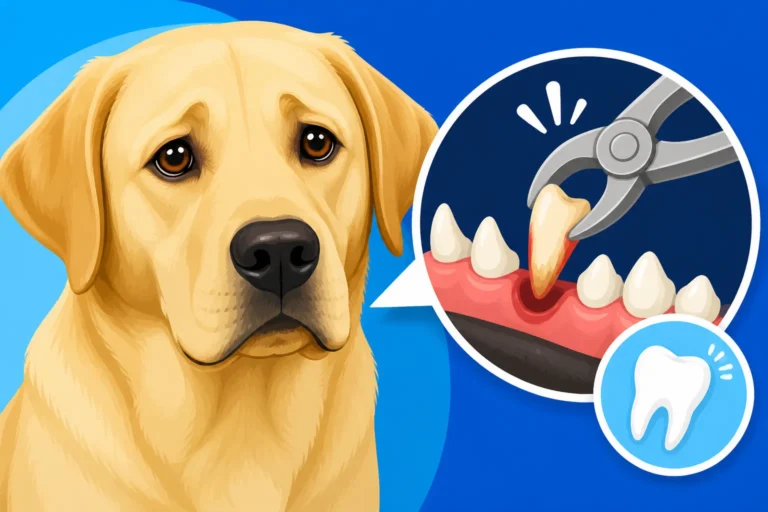
Labrador dental pain signs, foul breath, chewing changes, and facial swelling help owners identify when a tooth extraction is necessary.
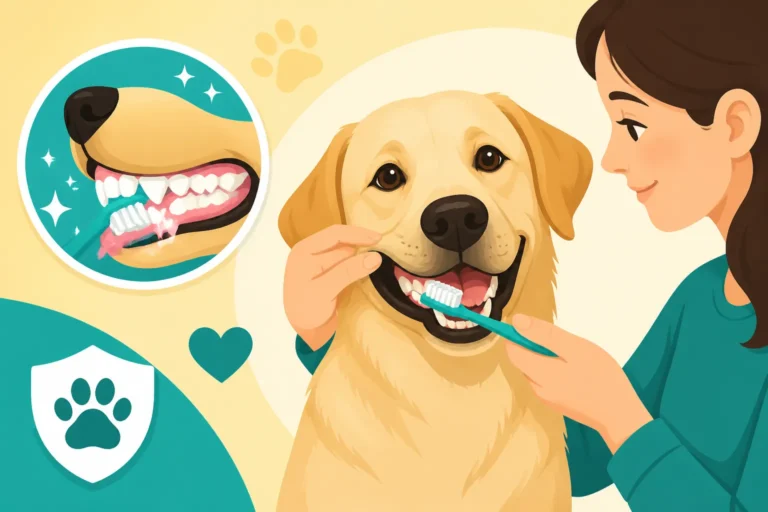
Labrador dental care prevents plaque buildup, gingivitis, and periodontal disease that can damage the heart, kidneys, and liver.
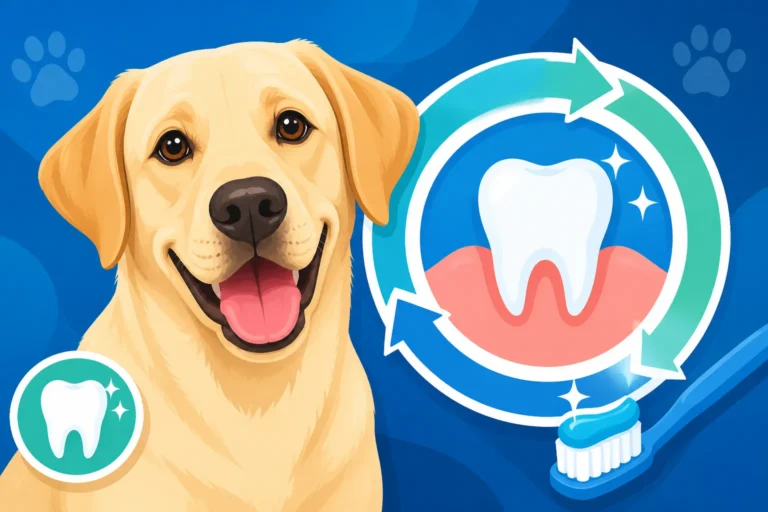
Labrador dental cleaning schedules require professional veterinary evaluations once a year to prevent plaque buildup, gingivitis, and periodontitis.