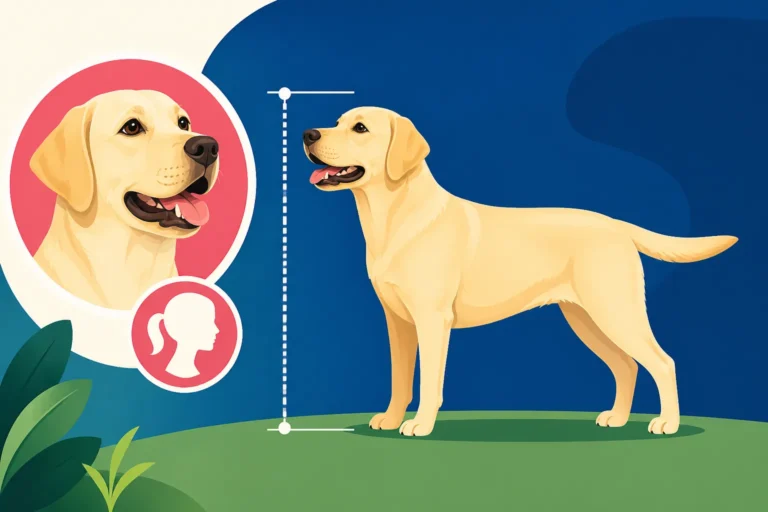
Choosing Between an English and American Labrador
You're probably here because you've heard whispers about "English Labs" and "American Labs" and are wondering what on earth the difference is, and more importantly, which one is right for you. It's a common point of confusion, and frankly, it can be really frustrating when you're trying to make a big decision like bringing a new family member home. This guide will cut through the noise, explaining the nuances between these two distinct lines of Labrador Retrievers, not as separate breeds, but as variations within the same beloved breed.
Understanding the "Types": More Than Just a Name
When people talk about "English Labradors" and "American Labradors," they're not actually referring to two separate breeds, as some might mistakenly believe. They're talking about different lines or types within the single Labrador Retriever breed, largely influenced by the breeding focus in different regions and for different purposes. This distinction can cause a lot of head-scratching for prospective owners, especially when breeders use these terms to describe their puppies. It’s important to remember that all Labradors share the same genetic heritage and conform to a single breed standard, though interpretations of that standard can vary.
Not Separate Breeds, Just Different Lines
Think of it like different branches of the same family tree. Both English and American Labradors are, at their core, Labrador Retrievers. The terms primarily describe the breeding objectives that have shaped their physical appearance and temperament over generations. "English" Labs are often referred to as "show line" or "bench Labs" because their breeding has traditionally focused on conformation to the breed standard for the show ring, particularly in the UK. On the other hand, "American" Labs are frequently called "field line" or "working Labs," reflecting a breeding emphasis on performance, speed, and agility for activities like hunting, field trials, and other competitive dog sports.
It’s easy to get caught up in the labels, but the truth is, a Labrador is a Labrador. What defines these "types" are the specific traits that breeders have prioritized. A breeder focusing on showing will select for a certain look, while a breeder focusing on field work will prioritize drive and athleticism. This means you can find a "show line" Labrador in America and a "field line" Labrador in England, though the prevalence of each type will naturally lean towards their respective historical breeding grounds. It’s a subtle but crucial difference that impacts everything from their build to their daily energy levels.
History and Purpose Behind the Differences
The divergence in these lines stems from the different roles Labradors were expected to play. Early Labradors, or St. John's Water Dogs as they were once known, were primarily working dogs, retrieving fishnets and fallen birds for fishermen in Newfoundland. When they arrived in England, their exceptional retrieving abilities were quickly recognized, and they were further developed for waterfowl hunting on large estates. Over time, as dog shows gained popularity, a segment of breeders began to focus on producing dogs that excelled in the show ring, emphasizing a specific physical type. These became the foundation of what we now call "English" lines.
Across the Atlantic, particularly in North America, the Labrador’s prowess as a hunting companion remained paramount. Breeders here often prioritized traits that made for superior working dogs: endless stamina, keen intelligence, intense focus, and explosive speed in the field. This emphasis on performance over strict adherence to show ring aesthetics led to the development of the "American" type. So, while both types are true Labradors, their respective histories in the show ring versus the hunting field have molded them into the variations we see today. Understanding this background helps immensely in grasping How English and American Labradors Differ in their core characteristics.
Key Physical Differences: More Than Just a Pretty Face
When you first see an "English" Labrador next to an "American" Labrador, you might not immediately recognize them as the same breed. Their builds, head shapes, and even their tails can appear quite distinct. These aren't minor variations; they're the result of generations of selective breeding, aiming for either a specific aesthetic or functional performance. It's worth noting that these are general tendencies, and individual dogs will always have their own unique characteristics.
The "Stockier" English Build
English Labradors are generally described as being more "substantial" or "stockier" in build. They tend to have a broader chest, a thicker neck, and an overall more compact, heavier-boned appearance. Imagine a powerful, robust dog built for endurance rather than sprinting bursts. Their legs are often shorter relative to their body length, giving them a more square or blocky profile. This sturdy build contributes to their reputation for being calmer and more laid-back, as they are not typically bred for the explosive energy needed for competitive field work. Their weight can also be on the higher end of the breed standard, reflecting their solid musculature and dense bone structure.
This substantial frame can be quite appealing to families looking for a less "hyper" companion. While still Labs and therefore still energetic, their build often translates to a slightly more sedate presence around the home once their basic exercise needs are met. This isn't to say they don't love a good romp, but they might be more content with a brisk walk and some focused playtime rather than needing to run miles every day. Their strong, powerful bodies are what judges look for in the show ring, embodying the classic, enduring image of the Labrador Retriever.
The "Athletic" American Physique
In stark contrast, American Labradors often present a more athletic, leaner, and somewhat more rangy physique. They tend to be taller, with a lighter bone structure and a less broad chest. Their bodies are built for speed and agility, much like a canine athlete designed for quick bursts of movement and sustained effort in the field. If you compare a show line dog to a field line dog, you'll see How Field Labradors Are Built Differently. Their legs are typically longer, and their overall appearance is more streamlined and less "blocky" than their English counterparts.
This leaner build is a direct reflection of their working heritage. A field trial Labrador needs to be able to cover ground quickly, navigate obstacles, and have the stamina for an entire day of retrieving. While both types are undeniably muscular, the American Labrador's muscle definition is often more apparent due to less body fat and a more defined silhouette. This type of Labrador might appeal to active individuals or families who are looking for a dog to join them on long hikes, runs, or participate in dog sports. They often carry less weight, making them appear more lithe and agile, and their proportions are geared towards efficient movement and sustained activity.
Head Shape and Facial Expression
Another noticeable difference often lies in the head. English Labradors typically have a broader skull, a more pronounced stop (the indentation where the muzzle meets the forehead), and a shorter, blockier muzzle. Their eyes are often set wider apart, contributing to a softer, gentler, and almost "wise" expression. This head type is highly valued in the show ring and is considered classic to the breed standard. The overall impression is one of benevolence and quiet strength, a look that has endeared countless people to the breed.
American Labradors, on the other hand, often have a narrower head, a less defined stop, and a longer, more tapered muzzle. Their eyes might be set closer together, giving them a more alert, keen, and focused expression—a look of intense readiness, often described as more "athletic" or "sharp." While still friendly and approachable, their facial structure often conveys a heightened sense of awareness and drive. If you're wondering Why Field Labradors Have Narrower Heads, it's often linked to the preference for a lighter, more agile dog that can easily navigate dense cover and retrieve efficiently, with less bulk to carry. This head shape complements their overall leaner body type, emphasizing their functional design.
Temperament and Energy Level Variations
Beyond the physical distinctions, perhaps the most significant differences between English and American Labradors lie in their temperament and energy levels. While both are quintessential Labradors – friendly, intelligent, and eager to please – the intensity of these traits can vary considerably, greatly influencing their suitability for different homes. It’s here that many prospective owners find their decision truly hinges.
The Mellow English Labrador
The "English" type is often characterized by a more laid-back, calm, and mellow demeanor, especially once they mature past puppyhood. They still possess that wonderful Labrador enthusiasm, but it tends to be expressed in a more measured way. They are typically known for their patience and can be quite content to relax indoors with their family after a good walk or play session. This isn't to say they are lazy; they absolutely need daily exercise and mental stimulation, but they often have an "off switch" that American lines might lack. Many people describe them as having a deep, steady calm about them.
This inherent mellowness makes them excellent family dogs, often exceptionally gentle with children and other pets. They are usually very biddable and keen to please, making them a joy to train, even for first-time dog owners. Their calm disposition, combined with their intelligence, allows them to adapt well to various home environments, provided they receive consistent training and sufficient enrichment. If you've heard that Whether English Labradors Are Calmer, there's definitely a basis for that reputation, rooted in generations of breeding for a steady temperament suited for companionship and show.
The Driven American Labrador
American Labradors, particularly those from strong field lines, are typically bundles of boundless energy and intense drive. They are often described as high-octane, incredibly athletic, and possessing an insatiable desire to work or play. Their energy levels are consistently high, and they require significantly more vigorous exercise and mental stimulation to keep them happy and well-behaved. They thrive on having a "job" to do, whether it's retrieving, agility, or competitive obedience. Simply put, they are bred to go, go, go!
This intense drive means they might not be the best fit for a sedentary lifestyle or a family that can only offer a couple of short walks a day. Without adequate outlets for their energy, American Labs can become bored, and a bored Labrador is often a destructive Labrador. They might engage in behaviors like excessive chewing, digging, or even developing separation anxiety. However, for an active owner who loves to hike, run, hunt, or engage in dog sports, this drive is a huge asset. Their focus and determination make them excel in nearly any task they're given. Field Line Labrador Traits truly highlight this energetic and highly trainable nature.
Trainability and Focus
Both English and American Labradors are highly intelligent and eager to please, making them generally very trainable dogs. However, their different drives can influence how they are trained and what motivates them. English Labs, with their calmer nature, often respond well to positive reinforcement and can be quite focused in training sessions. Their eagerness to cooperate makes them quick learners. They might require less structured exercise to maintain their focus, though consistent mental challenges are still vital.
American Labs, while equally intelligent, often bring a higher intensity to training. Their immense drive can be channeled into incredibly focused and enthusiastic performance, especially if the training incorporates their natural retrieving instincts and high energy. They often excel in advanced obedience, agility, and field work precisely because of this focused drive. However, their high energy can also be a challenge for novice owners, as their excitement can sometimes override their focus if not properly managed. It's not that one is "smarter" than the other, but rather that their innate motivations and energy levels require different approaches to harness their full potential. You'll find a wide range of fantastic training resources on sites like Chewy that cater to all levels of Labrador energy and focus.
Suitability for Different Lifestyles: Finding Your Perfect Match
Choosing between an English and American Labrador isn't about one being inherently "better" than the other. It's about understanding their distinct characteristics and matching them to your lifestyle, experience level, and expectations for a canine companion. What makes an English Lab perfect for one family might make an American Lab a challenging handful for another, and vice-versa.
Companion Dog vs. Working Dog
If your primary goal is a calm, devoted family companion who enjoys walks in the park and cuddles on the couch (after a reasonable amount of exercise, of course), an English Labrador might be your ideal match. Their generally mellower temperament and slightly less intense exercise requirements often make them more adaptable to a typical suburban or even apartment lifestyle, provided they get daily enrichment. They are often content to be by your side, happy with a good game of fetch in the yard and quality time indoors. Many families appreciate their steady disposition and gentle nature, which often makes them wonderful with children and other household pets.
On the other hand, if you lead a very active lifestyle, enjoy outdoor adventures like hiking or hunting, or are keen on participating in dog sports, the American Labrador might be the perfect partner. These dogs thrive on activity and purpose. They are true athletes and will relish any opportunity to run, swim, and work alongside you. Their relentless drive and stamina make them exceptional partners for hunting, agility, dock diving, or even search and rescue work. They need a job, and they need a lot of exercise to be truly fulfilled. Without it, their incredible energy can manifest in ways that are challenging for the average pet owner. Ultimately, Whether Field Labradors Suit Pet Homes really depends on the owner's commitment to providing that high level of engagement.
Exercise Needs and Apartment Living
The exercise needs of these two types can be a major deciding factor. An English Labrador will typically be satisfied with 45-60 minutes of moderate exercise daily—think a good walk, some fetching, or a swim. While they enjoy being active, they often don't demand constant motion. They can often do well in apartments or homes with smaller yards, as long as their daily exercise and mental stimulation are consistently met. Their 'off switch' means they're usually happy to settle down once they've had their fill of activity.
American Labradors, particularly those from strong working lines, often require significantly more exercise, sometimes 90 minutes to two hours or more of vigorous activity every single day. This isn't just a leisurely stroll; it's often running, extended games of fetch, swimming, or training sessions that truly tire them out both physically and mentally. This level of activity is generally not suitable for apartment living unless the owner is incredibly dedicated to outdoor adventures daily, regardless of weather. They are best suited for homes with larger, securely fenced yards where they can burn off steam, or with owners who are committed to extensive outdoor activities. To learn more about how much activity your particular Lab might need, check out Exercise a Labrador Needs Each Day. Stocking up on durable fetch toys and high-quality food from retailers like Chewy will definitely be a recurring expense for these active dogs!
Family Dynamics and Experience Level
Consider your family's experience with dogs and your home environment. English Labradors, with their more biddable and patient nature, are often recommended for first-time dog owners or families with very young children. Their calm demeanor can make integrating them into family life a smoother process. They are generally less prone to destructive behaviors if their basic needs are met, and their eagerness to please makes training a rewarding experience.
American Labradors, due to their intense drive and higher energy, often benefit from an owner with experience handling energetic working breeds. Their boundless enthusiasm, while endearing, can be overwhelming for those unfamiliar with channeling such drive. While wonderful with children, their sheer exuberance might be too much for very small toddlers, requiring constant supervision and training from an early age. They thrive with consistent, firm-but-fair training and an owner who understands how to provide both physical and mental challenges to prevent boredom and destructive habits. This isn't to say they can't be great family dogs, but they require a higher level of commitment and understanding of their working dog roots.
Here's a quick comparison of some key traits:
| Feature | English Labrador (Show Line) | American Labrador (Field Line) |
|---|---|---|
| Build | Stockier, heavier bone, broader chest | Leaner, more athletic, lighter bone |
| Head | Broader skull, pronounced stop, blockier | Narrower head, less stop, tapered muzzle |
| Expression | Softer, gentler, "wise" | More alert, keen, focused |
| Energy Level | Moderate, has an "off switch" | High, boundless, driven, constant motion |
| Temperament | Calmer, more laid-back, patient | Intense, focused, eager to work, persistent |
| Exercise Needs | Moderate (45-60 min vigorous daily) | High (90+ min vigorous daily) |
| Ideal Owner | First-time owners, families, less active | Active, experienced, hunters, dog sports |
| Purpose | Companion, show ring, therapy | Hunting, field trials, agility, search |
When you're ready to bring a new Labrador into your home, be sure to ask breeders whether their lines are primarily field or show-focused. A reputable breeder will be transparent about the characteristics of their dogs and help you determine which type is the best fit for your family. Remember, regardless of the "type," all Labradors flourish with love, consistent training, and plenty of mental and physical engagement. For everything from puppy pads to adult dog food, sites like Chewy can be a huge help in preparing for your new arrival. You might also want to look into Labrador Temperament and Personality to get a broader understanding of the breed as a whole.
Disclaimer
This article is for general informational purposes only and does not constitute professional advice. Laws, prices and regulations vary by location and change over time. Consult a qualified professional for guidance on your specific situation.