When Labradors First Crossed to England
It’s a common misconception to think of the Labrador Retriever as a purely British invention, especially with the "retriever" part of its name sounding so distinctly English. Many people assume they were bred on grand estates across the UK for hunting and sporting. But the truth is, this beloved breed, with its gentle eyes and boundless energy, has a fascinating transatlantic origin story. Understanding when and how Labradors first made their way to England sheds light on their incredible versatility and why they became the iconic dogs we know and love today. This guide will take you on a journey back in time, unraveling the early history of the Labrador and detailing their initial arrival and establishment on British soil.
The Genesis: From Newfoundland Fishing Boats to British Shores
Before the Labrador Retriever became a cherished companion and working dog in England, its ancestors were plying the icy waters and rugged coasts of Newfoundland, Canada. These were not the polished show dogs or family pets we recognize, but tough, resilient working canines indispensable to fishermen.
The St. John's Water Dog: The True Ancestor
The true precursor to the Labrador Retriever was the St. John's Water Dog, a sturdy, medium-sized dog native to Newfoundland. These dogs were quite different from many European breeds. They possessed a dense, water-repellent coat, a strong "otter" tail for propulsion in the water, and an innate desire to retrieve. They weren't just pets; they were essential crew members on fishing vessels. Their jobs included retrieving fishing lines, nets, and fish that had fallen overboard, often diving into frigid Atlantic waters without hesitation. These dogs were known for their incredible endurance and their ability to work tirelessly alongside their human companions, a trait that continues to define the Labrador spirit even today. To truly appreciate the Labrador, it's vital to understand Where the First Labrador Ancestors Worked.
Life was harsh for these dogs, but it forged a breed of unparalleled hardiness and intelligence. They learned to make quick decisions, adapt to changing weather conditions, and work in close cooperation with fishermen, developing the biddable nature that later made them so trainable. They were not pampered, but respected for their contribution to survival and livelihood. It’s a far cry from today, where we might order specialty treats and orthopedic beds from a site like Chewy; these dogs were living a life of pure utility and grit. If you ever wonder what your Labrador's ancestors looked like, imagining a slightly smaller, rougher-around-the-edges version of today's Lab, with an undeniable glint of determination in their eyes, would be a good start for picturing What the St. John's Water Dog Looked Like.
The Journey Across the Atlantic: Stowaways and Working Dogs
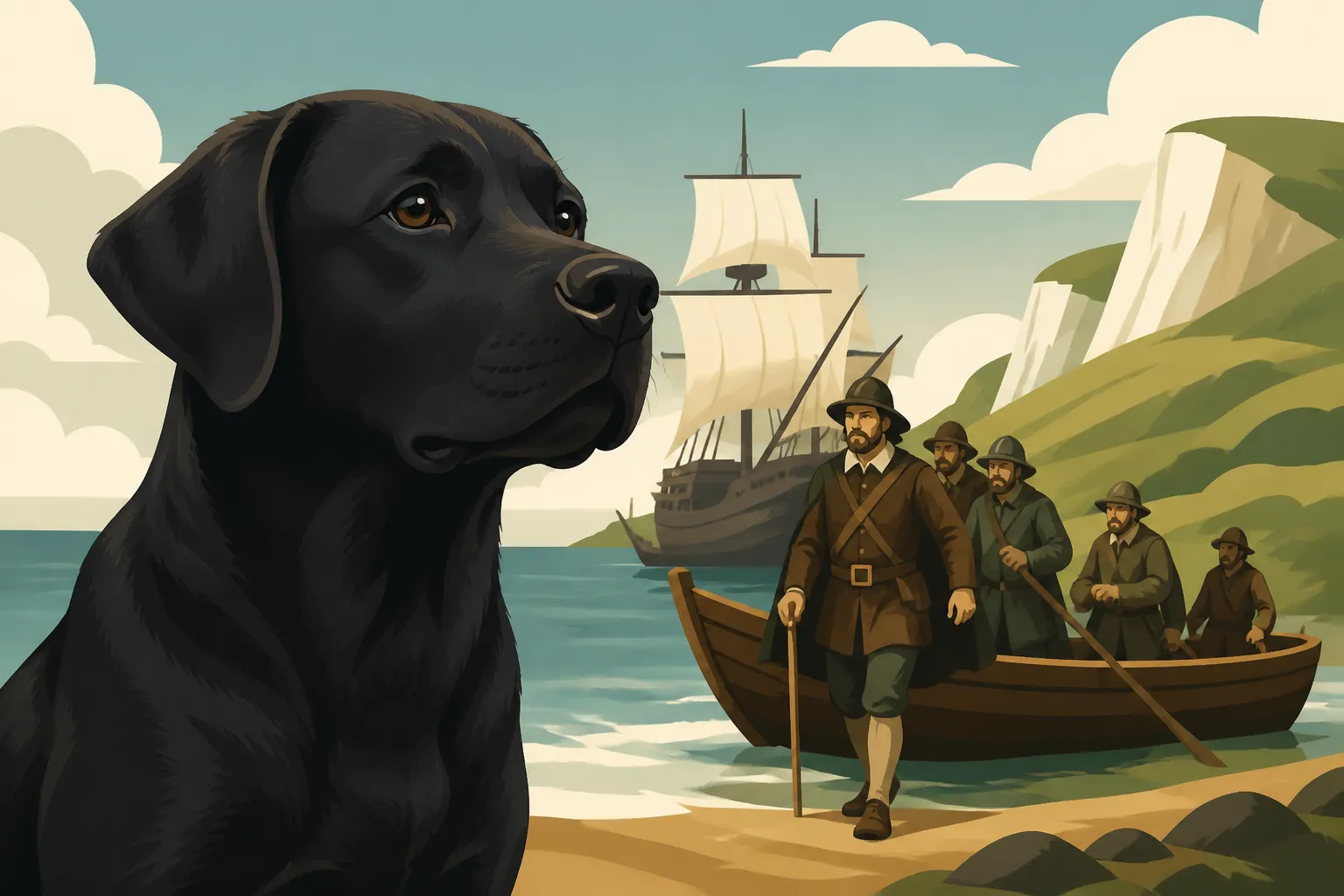
The initial crossings of these Newfoundland dogs to England were not part of a grand breeding plan, but rather opportunistic voyages aboard fishing schooners and trading ships. British sailors and merchants who frequented the Grand Banks of Newfoundland were deeply impressed by the St. John's Water Dogs' incredible retrieving abilities, strength, and unwavering loyalty. They saw the potential these dogs held, not just for fishing, but for sporting pursuits back home.
These dogs were often acquired directly from fishermen and brought back to England, sometimes as companions, but more often with an eye toward improving local gundog stock. The journey across the Atlantic would have been challenging, often in cramped conditions, a stark contrast to the modern comforts of pet travel or even a simple trip to pick up supplies from Chewy today. The earliest records of these dogs appearing in England date back to the early 19th century, with scattered references and anecdotal evidence pointing to their arrival as early as the 1820s or 1830s. They were initially known by various names, including the "St. John's Dog," "Lesser Newfoundland," or even "Newfoundland Dog" (though distinct from the larger, fluffier Newfoundland breed we know today). Their presence on ships and docks was a testament to their utility, bridging two continents with their remarkable working spirit. How Fishermen Used Labrador Ancestors gives you a deeper look into their indispensable roles before they set paw on English soil.
The Early Days: How Labradors Took Root in England
Once these robust retrieving dogs arrived in England, their exceptional qualities quickly caught the eye of the British aristocracy and keen sportsmen who were looking to refine their gundogs. This period was crucial in transforming the St. John's Water Dog into the formalized breed we now recognize as the Labrador Retriever.
Aristocratic Patronage: The Earl of Malmesbury's Influence
One of the most significant figures in the early establishment of the Labrador in England was the 2nd Earl of Malmesbury. He was among the first to import these "St. John's Dogs" directly from Newfoundland to his estate in Heron Court, Dorset, in the 1830s. The Earl was an avid sportsman and recognized the superior retrieving capabilities of these dogs, particularly in cold water and dense cover, which were invaluable for waterfowl hunting. He was so taken with them that he dedicated himself to breeding them, referring to them as "Labrador Dogs" – possibly because they came from the Labrador region, or perhaps simply because of their strong association with the Labrador Sea, though the exact origin of the name remains debated.
The Earl's systematic breeding program helped to maintain the purity of the St. John's stock and prevent them from being diluted by crosses with other British sporting breeds. His influence was paramount, essentially preserving the foundation of the Labrador breed in England. He kept meticulous records and was instrumental in popularizing them among his hunting circles, which began to build the breed's reputation beyond just a handful of enthusiasts. This early aristocratic endorsement was vital for the breed's survival and evolution, providing the stability and focused attention necessary to establish distinct lines. You can learn more about this pivotal figure and his contributions by reading The Earl of Malmesbury and Early Labradors.
The Buccleuch Connection: Solidifying the Breed's Future
While the Earl of Malmesbury laid a crucial foundation, the Dukes of Buccleuch played an equally, if not more, critical role in ensuring the Labrador's continued development and eventual recognition as a distinct breed. The 5th Duke of Buccleuch and his brother, Lord John Scott, also began importing these "Labrador Dogs" around the same time as the Earl of Malmesbury, primarily for use as gundogs on their Scottish estates. The Buccleuch kennels became a powerful center for the breed, focusing on maintaining the dogs' exceptional working abilities.
What truly cemented the Labrador's future was a remarkable collaboration. In the 1880s, the 3rd Earl of Malmesbury (son of the 2nd Earl) gifted some of his family's 'Labrador' dogs to the 6th Duke of Buccleuch and the 12th Earl of Home. These gifted dogs were direct descendants of the original imports and represented the purest lines. This exchange was incredibly significant because it reunited genetically similar dogs that had been carefully bred by two distinct, yet interconnected, aristocratic lines for decades. This cross-breeding revitalized the gene pool, ensuring the health and working integrity of the breed. The progeny of these matings became the foundation stock for virtually all modern Labradors. It was a conscious effort by dedicated individuals on these Which British Estates Built the Breed that safeguarded the future of this magnificent dog.
What Made the Breed Thrive in the UK
The Labrador didn't just arrive in England; it flourished. Its unique combination of temperament, working ability, and intelligence made it an instant favorite among those who appreciated a truly capable sporting dog.
The Appeal of a Peerless Retriever
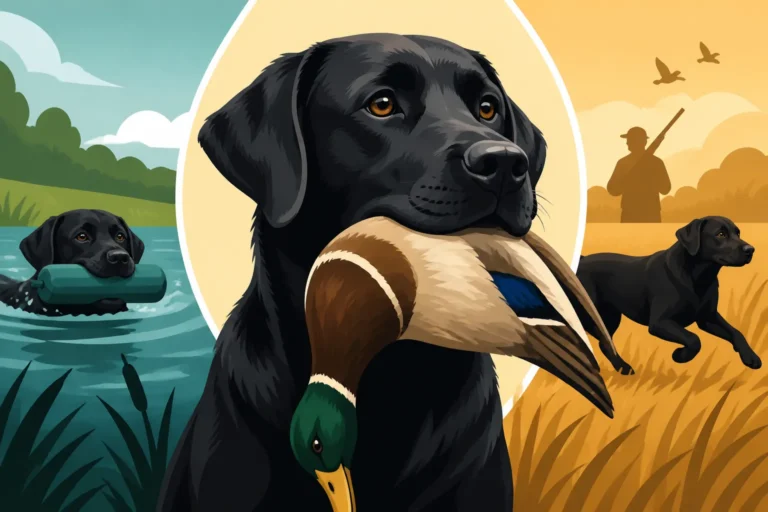
The qualities that made the St. John's Water Dog indispensable to Newfoundland fishermen translated perfectly to the needs of British gundog enthusiasts. Labradors possessed a "soft mouth," meaning they could retrieve game birds without damaging them. Their dense, short, water-repellent coats and strong tails made them ideal for retrieving in the often-cold and wet conditions of the British countryside, whether from lakes, rivers, or dense undergrowth. Furthermore, their biddable nature and keen intelligence made them highly trainable, eager to please, and reliable companions in the field. This combination was simply unmatched by many other breeds available at the time.
Hunters and estate owners found that the Labradors not only excelled at retrieving but also possessed an extraordinary sense of smell and tracking ability, making them versatile workers for various game. They were robust enough to handle long days of work and navigate challenging terrain, yet calm enough to wait patiently when needed. This incredible aptitude for work, coupled with a naturally friendly disposition, quickly made them the gold standard for retrieving. If you look at What Labradors Were Bred to Do, you'll see how these original traits are still celebrated today. This foundational reputation for competence and amiability is why so many people trust the Labrador as a family pet and working dog.
Establishing the Breed Standard and Kennel Club Recognition
With the breed's growing popularity and solid establishment on various estates, the natural next step was formal recognition. This crucial period saw the Labradors transition from being a working type to a recognized pedigree breed. In 1903, the Kennel Club in England officially recognized the Labrador Retriever as a distinct breed, a monumental step that solidified its place in canine history. This recognition came after years of dedicated breeding and advocacy by individuals like the Earls of Malmesbury and the Dukes of Buccleuch, who had worked tirelessly to establish consistent characteristics and working traits.
Following recognition, the first breed club was formed in 1916, further promoting the breed and establishing a formal written standard. This standard outlined the ideal physical characteristics and temperament of the Labrador, guiding future breeding efforts and ensuring the preservation of the qualities that made them so special. This formalization was a cornerstone, setting the stage for the Labrador to become one of the most popular breeds not just in the UK, but worldwide. The Decade the Modern Labrador Took Shape truly captures this transformative era. It's thanks to these early pioneers that when we look for quality dog supplies, whether online at Chewy or at a local pet store, we're supporting a breed that had such an intentional and carefully managed beginning.
The Legacy: Shaping the Modern Labrador
The journey of the Labrador from Newfoundland fishing companion to a cornerstone of British gundog culture had a profound and lasting impact, shaping the breed into the global phenomenon it is today.
How British Breeding Shaped the Global Labrador
The concentrated breeding efforts within England, particularly by the aristocratic kennels, were instrumental in refining the Labrador's physical characteristics and solidifying its temperament. The emphasis was always on maintaining working ability, but uniformity in appearance also became important once the breed was recognized. These British-bred Labradors, often referred to today as "English-type" or "show-line" Labradors (though these terms are modern constructs), laid the groundwork for the breed's expansion across the globe. Their robust build, steady temperament, and classic "otter" tail became the benchmark.
As the breed's reputation spread, Labradors were exported from England to various other countries, including the United States, where they quickly gained popularity as both working dogs and family companions. Many of the foundation dogs for North American kennels had direct lineages tracing back to these prominent British lines. The careful record-keeping and selective breeding practiced in England meant that these exported dogs carried strong, predictable genetics, allowing the breed to thrive and maintain its core characteristics wherever it went. It’s a testament to the foresight of those early British breeders that the Labrador's essence has remained so consistent. For a deeper dive into their global journey, explore How Labradors Reached the United States.
The Enduring Popularity in the UK and Beyond
The Labrador Retriever's ascent to popularity in the UK was swift and enduring. From being a favorite among royalty and gentry for shooting parties, they quickly became a beloved breed for families across the country. Their adaptable nature means they fit into various lifestyles, from active country homes to more suburban settings, provided they get enough exercise and mental stimulation. Their friendly disposition, patience with children, and intelligence make them ideal family pets, while their keen senses and trainability have made them stars in assistance work, search and rescue, and detection.
Today, the Labrador Retriever consistently ranks as one of the most popular dog breeds in the UK, the US, and many other nations. This sustained popularity is a direct consequence of their solid foundation established in England. The breed's history is a powerful narrative of appreciation for true working ability, careful stewardship, and the undeniable bond between humans and dogs. Whether you're purchasing specialty grooming tools for your shedding Labrador from Chewy, or simply enjoying a quiet evening walk with your companion, you're participating in a legacy that began with hardy dogs crossing the Atlantic to a new home. Ultimately, understanding The Labrador Retriever Breed Explained becomes much richer when you know the storied path they traveled.
| Timeline of Labrador's Arrival and Establishment in England |
| :——————————————————– | :——————————————————— |
| Early 19th Century (1800s-1830s) | St. John's Water Dogs arrive in England via fishing vessels. |
| 1830s | 2nd Earl of Malmesbury begins importing and breeding, referring to them as "Labrador Dogs." |
| Mid-19th Century (1830s-1880s) | Dukes of Buccleuch establish their own lines from imports, focusing on working ability. |
| 1880s | Critical inter-kennel exchange between Malmesbury and Buccleuch/Home lines. |
| 1887 | The first yellow Labrador is recorded (Ben of Hyde). |
| 1892 | First chocolate Labradors recorded (Buccleuch Nero, Buccleuch Ned). |
| 1903 | The Kennel Club (UK) officially recognizes the Labrador Retriever as a breed. |
| 1904 | First Labrador is registered with the Kennel Club (Peter of Faskally). |
| 1916 | The Labrador Retriever Club is founded in England. |
Disclaimer
This article is for general informational purposes only and does not constitute professional advice. Laws, prices and regulations vary by location and change over time. Consult a qualified professional for guidance on your specific situation.