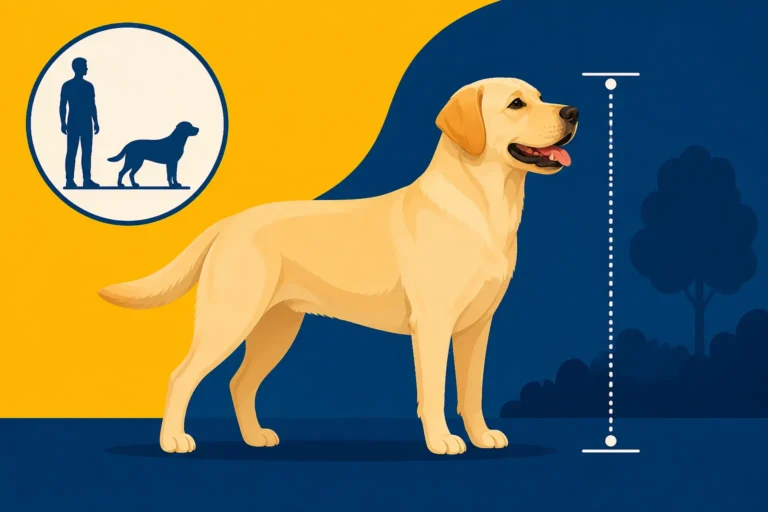
How English and American Labradors Differ
It's incredibly common for people new to the Labrador world, or even seasoned owners, to hear terms like "English Lab" and "American Lab" thrown around and feel a bit lost. Many wonder if these are entirely different breeds, or if it's just marketing jargon. This guide will meticulously break down the actual, often subtle, yet significant differences between these two recognized types of Labrador Retrievers, helping you understand their distinctions in appearance, temperament, and purpose.
Understanding the Origins of Labrador Lines
When we talk about "English" and "American" Labradors, we're not actually referring to two separate breeds, as the Labrador Retriever is one unified breed recognized by kennel clubs worldwide. Instead, these terms generally refer to distinct breeding lines that have evolved due to different priorities in selection over generations. It's less about geographical borders and more about the purpose breeders have aimed for.
Historical Roots and Divergence
The Labrador Retriever breed originated from Newfoundland, Canada, with ancestors like the St. John's Water Dog. These dogs were brought to England in the 19th century by British noblemen, who then further developed and refined the breed. In England, the focus initially remained on a versatile gundog that could retrieve game in harsh conditions, but also had a calm, biddable nature suitable for a family companion. The breed standard, which describes the ideal physical and temperamental characteristics, was largely established there.
Over time, as Labradors made their way to North America, particularly the United States, different breeding priorities began to emerge. While the English lines maintained a strong emphasis on conformation (how closely a dog matches the breed standard in appearance) and a steady temperament suitable for both field and show, American breeders often gravitated towards more specialized lines. Some breeders focused intensely on producing dogs for competitive field trials, where speed, agility, and intense drive were paramount, leading to what we now commonly refer to as "American" lines. Others focused purely on conformation shows, still adhering to the standard but perhaps emphasizing certain aesthetics.
The Impact of Breeding Goals
The divergence wasn't a sudden split but a gradual evolution driven by human selection. In England, while field ability was always valued, the "dual-purpose" Labrador, capable of winning in the show ring and performing well in the field, remained a strong ideal. This led to dogs that typically embody a balance of the breed's physical and mental traits, favoring a more robust build and a calm, composed demeanor. They might participate in various activities, from gundog work to obedience trials, but always within the framework of the established breed standard.
Conversely, in the United States, the intense competition in both conformation shows and field trials led to more specialized breeding. Field Line Labrador Traits often describe dogs bred for immense speed, endurance, and a keen focus on retrieving, sometimes at the expense of the more blocky, substantial build favored in the show ring. On the other hand, show-focused breeders would prioritize the aesthetics of the standard, aiming for a certain head shape, coat texture, and overall presence. It's crucial to remember that a "good" Labrador, regardless of line, should always possess the core traits of intelligence, eagerness to please, and a friendly disposition.
Physical Differences Between English and American Labradors
One of the most immediate and noticeable ways people distinguish between English and American Labradors is through their physical appearance. While both are unmistakably Labradors, the nuances in their build, head shape, and overall proportions can be quite distinct. These differences are largely due to the varying breeding preferences discussed above, rather than genetic mutations creating entirely separate physical types.
Head, Muzzle, and Expression
English Labradors typically have a more substantial, blockier head. Their muzzle tends to be shorter and wider, giving them a "kind" and "gentle" expression that is highly prized in the show ring. Their eyes are often set a bit wider apart, contributing to that soft, friendly look. The stop (the indentation between the eyes) is usually well-defined and prominent. These dogs generally look more powerful and stocky, conveying an air of calm confidence. If you've ever seen a Labrador winning Best in Show, chances are it closely aligns with the English type.
In contrast, American Labradors, particularly those from strong field lines, often have a more refined, narrower head. Their muzzle is typically longer and less broad, leading to a less pronounced stop. Their eyes may appear closer set, and their overall expression can be described as more alert, intelligent, and focused, reflecting their high drive. How Field Labradors Are Built Differently often highlights these more athletic, less "heavy" features, which are advantageous for agility and speed in the field rather than the aesthetic appeal of a show dog.
Body Structure and Build
When you look at the overall physique, English Labradors tend to be more compact and stocky. They have a deeper, broader chest and a shorter, thicker neck. Their legs are generally shorter in proportion to their body, contributing to their more 'solid' appearance. Why English Labradors Look Heavier often explains that this build is favored in conformation shows, as it aligns closely with the original breed standard for a robust retrieving dog capable of withstanding cold water and heavy cover. Their gait is typically less exaggerated, favoring a powerful, ground-covering trot.
American Labradors, especially those bred for field performance, usually present a leaner, more athletic build. They tend to be taller, with longer legs and a more slender body. Their chests might be less broad, and their necks longer and more graceful, allowing for greater flexibility and reach when running or jumping. This lighter, more agile frame is ideal for the explosive speed and endurance required in field trials, where they need to cover ground quickly and retrieve with precision. Their movement is often characterized by a powerful, agile stride that covers distance efficiently.
Tail and Coat Characteristics
The "otter tail" is a hallmark of the Labrador Retriever breed, and both lines possess it, but with subtle differences. English Labs often have a thicker, more uniformly tapered tail that starts broad at the base and narrows towards the tip, often described as having a rounded appearance. It's carried level with the back or slightly upward, never curled over. Their double coat is dense and thick, with a hard, slightly wiry outer coat and a soft, insulating undercoat, providing excellent protection against cold water.
American Labradors also have an otter tail, but it might appear slightly thinner at the base compared to their English counterparts. While still thick and strong, it can sometimes be a bit longer and less "club-like" in appearance. Their coat is still a dense double coat, but it can sometimes be a little shorter and less coarse than that of an English line dog, though still providing adequate protection. Both types shed seasonally, and regular grooming with tools from places like Chewy can help manage the loose undercoat during these periods.
| Feature | English Labrador | American Labrador |
|---|---|---|
| Head | Blockier, wider, more pronounced stop | More refined, narrower, less pronounced stop |
| Muzzle | Shorter, wider | Longer, leaner |
| Expression | Kinder, gentler, "old soul" | More alert, focused, intense |
| Build | Stockier, more compact, deeper chest, shorter legs | Leaner, more athletic, taller, longer legs |
| Tail | Thicker, more uniformly tapered at base | Can be slightly thinner at base, longer |
| Coat | Dense, hard, often slightly coarser outer coat | Dense, double coat, sometimes slightly shorter/finer |
| Overall Impression | Powerful, sturdy, substantial | Agile, athletic, graceful |
Temperamental and Behavioral Distinctions
While physical traits are easy to spot, the differences in temperament and behavior between English and American Labradors are equally significant, often defining whether a particular dog is a good fit for a specific family or role. These distinctions are direct results of the breeding priorities – a dog bred for explosive field work will naturally have a different energy profile than one bred for serene show ring presence.
Energy Levels and Exercise Needs
This is perhaps the most talked-about difference. English Labradors are often described as having a generally calmer, more laid-back disposition. They still require daily exercise, as all Labradors do, but their energy levels tend to be moderate. A good walk, some playtime in the yard, and perhaps a swim or a game of fetch are usually sufficient to keep them content. They are typically more content to relax indoors and often make excellent family companions, settling down nicely after their exercise needs are met. This is where the notion of Whether English Labradors Are Calmer really takes root.
American Labradors, particularly those from working or field trial lines, tend to be much higher energy. They possess an almost boundless drive and enthusiasm, needing significant amounts of strenuous exercise daily to be truly happy and well-behaved. This isn't just a casual walk; we're talking about long runs, intense retrieving sessions, agility work, or even gundog training. If an American Lab doesn't get enough physical and mental stimulation, they can become bored, destructive, or even anxious. Their motto is often "a tired Lab is a good Lab," and they will certainly test the limits of your dedication to exercise. Exercise a Labrador Needs Each Day is a crucial consideration, and for an American Lab, that need is often at the higher end of the spectrum.
Trainability and Drive
Both English and American Labradors are highly intelligent and eager to please, making them generally easy to train. This is a hallmark of the breed's Labrador Temperament and Personality. However, their drive manifests differently. English Labs typically possess a steady, methodical drive, performing tasks with a calm determination. They excel in obedience, therapy work, and even some field activities where precision and composure are valued. They are usually quite biddable and responsive, making them a joy for many owners.
American Labradors, especially those from field lines, often exhibit an intense, almost insatiable drive. They have an incredible work ethic, a strong desire to retrieve, and an eagerness to constantly be doing something. This high drive makes them exceptional candidates for competitive field trials, hunting, agility, search and rescue, and other demanding canine sports. However, this same intensity means they need consistent, engaging training to channel their energy productively. Without a clear outlet for their drive, they might invent their own "jobs," which often aren't compatible with household rules – like counter-surfing, excessive chewing on items other than their favorite Chewy toy, or digging.
General Demeanor and Affection
In terms of general demeanor, English Labradors often come across as more reserved and composed. They are usually friendly and outgoing but might not have the same boisterous enthusiasm as their American counterparts. They are affectionate and enjoy being part of the family, often happy to snuggle up on the couch after a walk. Their calm nature makes them excellent choices for families with young children or those seeking a more relaxed companion. They are adaptable and can often thrive in various home environments, provided their basic needs are met.
American Labradors, especially in their youth, can be more rambunctious and exuberant. They greet life with enthusiastic wags and often jump for joy (a behavior that definitely needs training!). Their affection can be intense, wanting to be involved in everything you do. They might be more prone to the classic "Labrador puppy antics" for longer into their adolescence. While incredibly loving and loyal, their high energy can be overwhelming for some households. They thrive with active owners who can match their zest for life and provide consistent structure and engagement.
Health Considerations Across the Lines
While both English and American Labradors share the common genetic health concerns of the breed, the differences in their breeding practices and physical builds can sometimes lead to slightly varied predispositions or considerations. Responsible breeders, regardless of line, will always conduct comprehensive health clearances, but understanding these nuances is still beneficial for prospective owners.
Joint Health and Growth Rates
Labrador Retrievers are a large breed, and like many large breeds, they are prone to Labrador Hip and Elbow Dysplasia. There isn't a definitive scientific consensus that one line is inherently more prone than the other, as both can be affected. However, the differences in build and growth rates can sometimes play a role. English Labs, being stockier, can put more stress on their joints if they grow too rapidly or become overweight. Their robust build emphasizes bone structure.
American Labs, with their leaner and often faster-growing frames, also need careful monitoring. While perhaps less prone to putting on excess weight if adequately exercised, their intense activity levels from a young age can sometimes exacerbate underlying joint issues if not managed properly. Regardless of the line, ensuring a proper diet that promotes slow, steady growth for puppies and maintaining a lean body condition throughout life are paramount. Reputable breeders for both lines will have Health Clearances a Labrador Breeder Must Show for their breeding stock, including OFA or PennHIP evaluations for hips and elbows.
Genetic Predispositions
Beyond hip and elbow issues, Labradors are known for other genetic conditions such as Exercise-Induced Collapse (EIC), Progressive Retinal Atrophy (PRA), and Centronuclear Myopathy (CNM). The prevalence of these conditions can vary within specific breeding lines, but not strictly between "English" or "American" broadly. For example, a particular line of American field trial dogs might have a higher incidence of EIC due to a popular sire who was a carrier, while another English show line might have a higher incidence of a specific eye condition.
This is why genetic testing is so vital. Many breeders, for both English and American lines, now utilize DNA panels to screen for these conditions, ensuring they don't breed affected dogs or carriers to other carriers. When considering a puppy, it's essential to inquire about the genetic health testing performed on both parents. You can also explore options like pet insurance, which can help mitigate the financial impact of unexpected health issues, regardless of the line. Organizations like Chewy sometimes offer resources or partnerships related to pet wellness, which can be helpful.
Choosing the Right Labrador for Your Lifestyle
Deciding between an English and an American Labrador isn't about one being "better" than the other; it's about finding the right match for your family, your activity level, and your overall lifestyle. Both are incredible dogs, but their differing traits mean they thrive in different environments. Choosing Between an English and American Labrador is a deeply personal decision that requires honest self-assessment.
Assessing Your Home Environment
Consider the physical space you have. If you live in a smaller home or apartment, and are committed to daily walks but perhaps don't have a large yard for constant play, an English Labrador might be a more suitable fit. Their generally calmer indoor demeanor means they are often more content to curl up after their exercise. They adapt well to quieter households and can be very easygoing companions.
If you have a large property, access to open fields, or are an avid outdoor enthusiast with plenty of space for a dog to run and play, an American Labrador might thrive. They need room to stretch their legs and expel energy. They are often not the best choice for apartment living unless their owners are extremely dedicated to providing hours of high-intensity activity outside the home every single day, which can be a real challenge to maintain long-term.
Matching Energy and Activity Levels
This is the biggest differentiator. Be brutally honest with yourself about how much time and energy you genuinely have to dedicate to exercise. If your ideal afternoon involves a leisurely stroll around the neighborhood and then relaxing on the couch, an English Lab is likely a better companion. They will happily join you for walks, but they won't demand hours of intense activity. They fit well into a more moderately active household.
If you are a runner, a hiker, a hunter, or someone who loves to engage in dog sports like agility, dock diving, or competitive obedience, then an American Labrador might be your perfect partner. They excel when they have a job to do and plenty of vigorous exercise to burn off their abundant energy. They need an owner who is committed to providing constant mental and physical stimulation, often for many years. Under-exercised American Labs can easily become destructive, vocal, or anxious, leading to frustration for both dog and owner.
Ultimately, remember that these are generalizations. Every dog is an individual. You can find calmer American Labs and more energetic English Labs. The key is to speak extensively with reputable breeders, explain your lifestyle, and meet the puppy's parents if possible to get a true sense of the temperament you can expect.
Debunking Common Misconceptions
When discussing English and American Labradors, it's easy for certain stereotypes to emerge. While there are general tendencies in each line, it's crucial to understand that these are broad strokes, not absolute rules. Relying solely on these oversimplifications can lead to misunderstandings and potentially selecting the wrong dog.
"English Labs are Lazy"
This is a common misconception that does a disservice to English-type Labradors. While they generally have a calmer demeanor compared to their American counterparts, calling them "lazy" is inaccurate. They are still Labradors, meaning they are active, intelligent dogs that require daily exercise and mental stimulation. An English Lab that doesn't get enough activity can still become bored and destructive, just like any other dog.
The difference lies in the type and intensity of activity needed. An English Lab might be perfectly content with a couple of good walks, some fetch in the yard, and interactive puzzle toys. They are often more adaptable to a less strenuous routine, making them appear "lazy" only in comparison to the relentless drive of a high-energy field-bred American Lab. They are not couch potatoes by nature; they simply possess a balanced energy level that makes them excellent, stable companions for a wider range of families.
"American Labs are Too Hyper"
On the flip side, the idea that all American Labradors are "hyper" is also an oversimplification. While many do possess a higher energy level and more intense drive, this isn't necessarily a negative trait. For the right owner and the right lifestyle, this drive is a tremendous asset. An American Lab, when adequately exercised and mentally stimulated, can be a focused, enthusiastic, and incredibly rewarding companion. They thrive when given a "job" to do, whether it's retrieving, participating in dog sports, or even just long, engaging walks.
The "hyper" label often comes from situations where an American Lab is under-exercised or under-stimulated. When their immense energy and intelligence aren't channeled appropriately, it can lead to frustrating behaviors like incessant chewing, destructive tendencies, or over-arousal. It's not that they are inherently "too much," but rather that their needs are very specific and demanding. For an active family, a well-exercised American Lab is a joy – an energetic, focused partner ready for any adventure.
Disclaimer
This article is for general informational purposes only and does not constitute professional advice. Laws, prices and regulations vary by location and change over time. Consult a qualified professional for guidance on your specific situation.