Quiet Signs a Labrador Is Hurting
It's one of the toughest challenges for any Labrador owner: trying to figure out if your big, happy-go-lucky companion is actually in pain. Labradors are famously stoic, bred for generations to push through discomfort and keep working, which means they often suffer in silence. This inherent toughness, combined with their unwavering desire to please, can make it incredibly frustrating to discern those quiet, subtle signals that something isn't quite right. This guide is dedicated to helping you recognize those easily missed signs that your beloved Lab might be hurting, so you can provide them with the care and relief they deserve.
The Stoic Nature of Labradors: Why They Hide Pain So Well
It’s truly incredible how well Labradors can mask their discomfort, isn't it? You might feel like you're constantly second-guessing yourself, wondering if you're overreacting or, worse, if you're missing something critical. Rest assured, this isn't a reflection of your attentiveness; it's deeply ingrained in their very being. Understanding why they hide pain is the first step toward recognizing those quiet signs.
Instinctive Masking for Survival
Think about it from an evolutionary perspective. In the wild, showing weakness or injury makes an animal vulnerable to predators or ostracization from the pack. While our Labs live pampered lives in our homes, these ancient instincts are still at play, deeply coded into their DNA. An injured animal that can still move and act "normal" is less likely to be targeted. Your Labrador isn't consciously trying to deceive you; they're simply responding to thousands of years of evolutionary programming that tells them to appear strong and capable, even when they’re not.
This often manifests as them powering through a limp or trying to keep up on a walk even when a joint is screaming. You might see them favor a leg for a moment, then shake it off and continue as if nothing happened. This quick recovery is often less about actual recovery and more about their deep-seated instinct to not appear compromised. It's a frustrating reality for us owners, as we wish they would just tell us what's wrong, but it’s a testament to their resilient nature. It's why trying to understand Reading Pain in a Stoic Labrador becomes such an essential skill for us.
High Pain Tolerance and Eagerness to Please
Beyond ancient instincts, Labradors were specifically bred for demanding work. They were companions to fishermen on the cold waters of Newfoundland, retrieving fish and hauling lines, and later became exceptional hunting dogs, expected to retrieve fowl for hours, often in challenging terrain and cold water. This job required immense physical stamina and a high pain tolerance. A Labrador that couldn't perform due to a minor ache wouldn't have been a desirable working dog. They learned to ignore discomfort and focus on their task.
This breeding for a strong work ethic and tenacity directly contributes to their ability to push through pain today. They truly want to make you happy, and if that means ignoring a twinge in their hip or a soreness in their paw to play fetch one more time, they’ll do it. Their enthusiasm can be a double-edged sword: wonderful for companionship and training, but challenging when it comes to assessing their health. You might see them wagging their tail and looking ready for an adventure, even as they're experiencing discomfort, which makes it even harder to understand Why Labradors Hide Pain So Well. This makes it all the more important for us to be vigilant and learn to read between the lines, looking for signals that might not scream "pain" but subtly whisper "discomfort."
Subtle Behavioral Shifts to Watch For
Since Labradors are so adept at masking obvious signs, you often have to look for changes in their normal behavior, rather than outright declarations of pain. These shifts can be gradual, making them easy to dismiss as just "getting older" or "being lazy." But for a Labrador, subtle changes often speak volumes.
Changes in Routine and Activity Levels
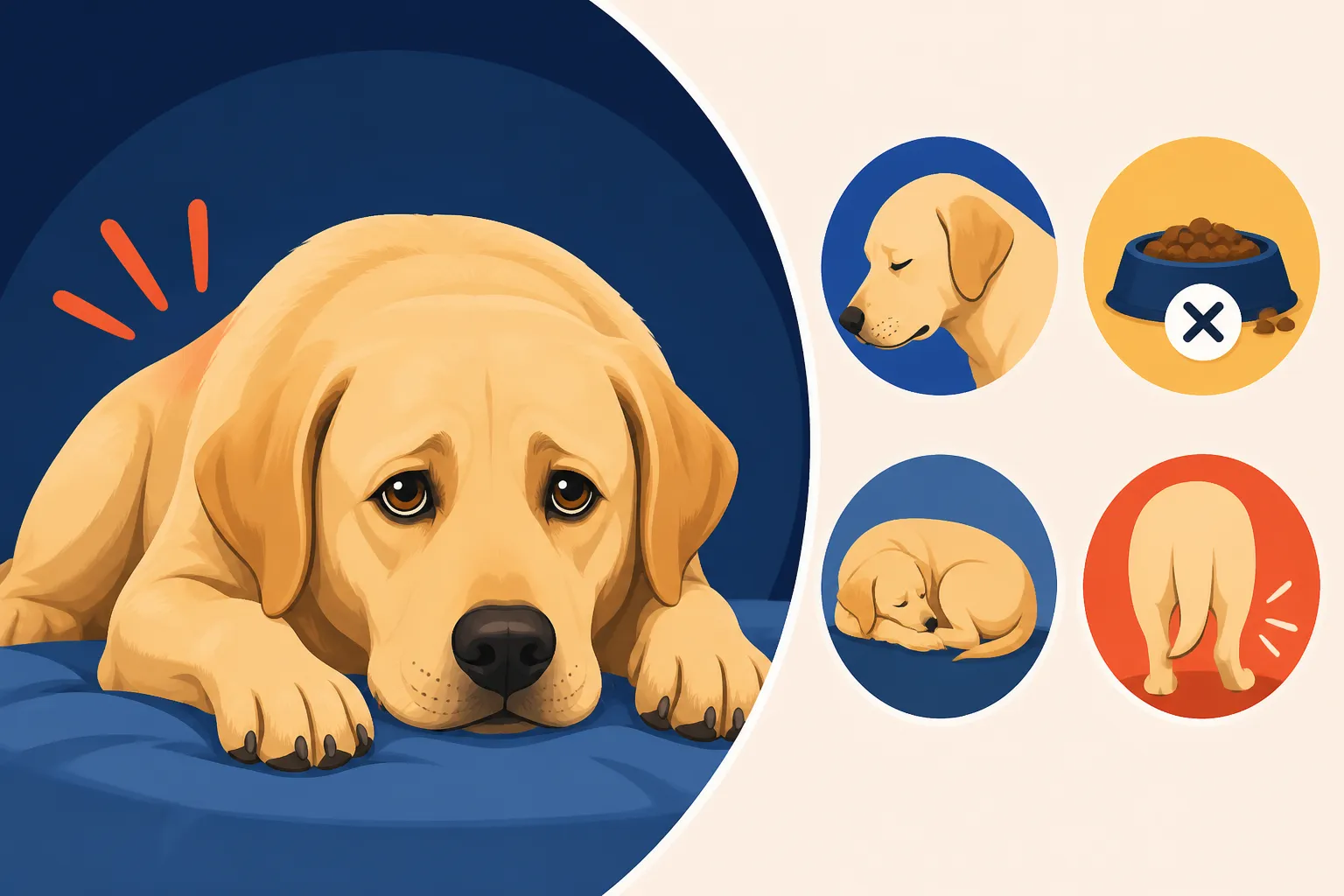
One of the most common early indicators of pain or discomfort in a Labrador is a subtle, often gradual, change in their routine and willingness to engage in activities they once loved. It's not usually a sudden refusal to move, but rather a slight hesitation or diminished enthusiasm. Have you noticed your Lab taking a little longer to get up from a nap, perhaps shifting their weight a couple of times before standing? Maybe they used to eagerly jump onto the couch or bed for cuddles, but now they opt to lie on the floor beside it, or they pause and look up at you as if considering the effort required.
They might be less enthusiastic about their morning walk or their favorite game of fetch, perhaps retrieving the ball once or twice before settling down, or walking a bit slower than usual. These aren't always dramatic limps, but rather a general decrease in their usual zest for life. Even simple things like climbing stairs or getting into the car might become a struggle, sometimes accompanied by a quiet grunt or a stiff movement that you only notice if you're really paying attention. They might also start sleeping in unusual positions or struggling to find a comfortable spot, constantly repositioning themselves through the night. These small shifts in enthusiasm and movement are critical clues that warrant closer inspection.
Altered Social Interaction and Temperament
Pain isn't just physical; it can profoundly impact a dog's emotional state and their interactions with their family. A Labrador in chronic discomfort might become uncharacteristically withdrawn, choosing to isolate themselves in another room rather than being in the thick of family activity. You might find them less keen on being petted or handled, particularly around areas that are causing them pain. What was once an enjoyable ear scratch might elicit a quick flinch, a low growl, or even a snap if you accidentally touch a sore spot. This isn’t aggression in the true sense, but a defensive reaction to protect themselves from further discomfort.
Conversely, some Labs might become clingier, seeking constant reassurance, especially if their pain is tied to anxiety or a deeper internal issue. Others might just seem "off" – a little more irritable, less patient with children or other pets, or simply not themselves. They might start avoiding eye contact or appearing generally subdued. If your typically happy, social Labrador suddenly seems grumpy, standoffish, or unusually reactive, it’s a huge red flag that something is bothering them physically, not just emotionally. These changes often require investigating underlying issues like Labrador Arthritis in Middle Age or other joint discomfort.
Unusual Self-Care or Obsessive Licking
Labradors, like many dogs, tend to their wounds and discomfort through licking. While some licking is normal grooming, an excessive or obsessive focus on a particular body part can be a strong indicator of localized pain. You might notice your Lab constantly licking a paw, a knee, a hip, or even their lower back. This isn't just a quick grooming session; it's often prolonged, intense licking that can even lead to hot spots or skin irritation. They might lick so much that the fur in that area becomes stained, wet, or even worn away.
This behavior is their attempt to soothe themselves, much like we might rub a sore muscle. It could indicate anything from a minor injury, an itch, or an allergic reaction, to something more serious like a sprain, a joint issue like Elbow Dysplasia in Labrador Retrievers, or even an internal ache that they're trying to relieve by focusing on an external area. On the flip side, some Labs in significant pain might neglect their grooming entirely, appearing disheveled or unkempt, especially if moving to groom themselves is painful. Both excessive and absent self-care can be quiet cries for help.
Physical Cues That Are Easy to Overlook
Beyond behavioral changes, a Labrador in pain will often display very subtle physical signs that, unless you’re looking closely, can be easily missed. These are not always obvious limps or yelps, but rather slight shifts in their body language or physiological processes.
Posture, Gait, and Movement Deviations
Your Labrador's posture and how they move can reveal a great deal about their comfort level. Observe them when they're standing still: is their weight evenly distributed, or do they subtly shift it away from one leg? Do they stand with a slightly hunched back, particularly common with back pain, or do they hold their head lower than usual? When walking, pay attention to their gait. Is it fluid and bouncy, or do they take shorter, stiffer strides, especially with their hind legs? You might notice a slight bob of their head as they walk, a subtle sign of forelimb pain.
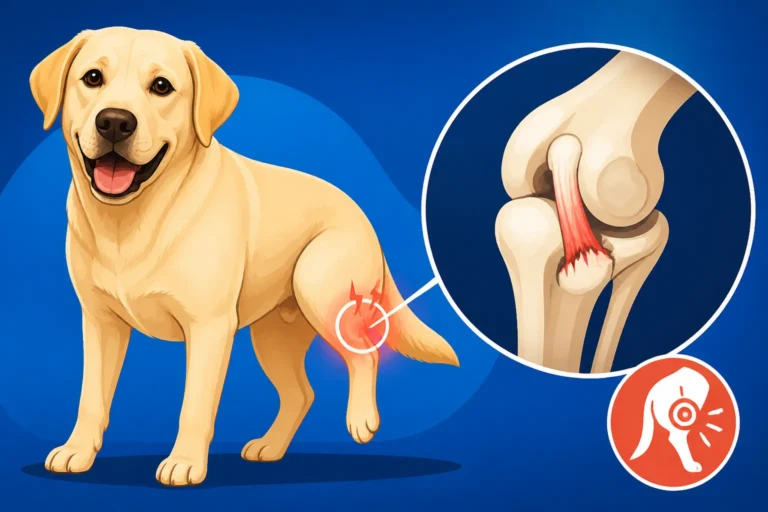
They might also struggle with balance, seem clumsy, or show reluctance to perform actions that involve twisting or sudden movements. Getting up from a lying position, as mentioned, can be telling: if they push themselves up with effort, perhaps using their front legs first, it could point to discomfort in their hips or hindquarters, which are common areas for Labrador Hip Dysplasia Signs and Onset or general arthritis. Even how they lie down can be a clue: if they collapse rather than lowering themselves gently, or avoid lying on one side, it might be due to pain. These quiet deviations in how they hold and move their body are critical signals.
Changes in Appetite, Thirst, or Elimination
A Labrador’s relationship with food is legendary, so any change in their eating habits is a huge red flag. It’s not just a refusal to eat, which is an obvious sign of illness, but more subtle shifts. Are they suddenly pickier about their food, or do they take longer to finish meals? Maybe they drop pieces of kibble more often, or hesitate to chew. This could indicate dental pain or discomfort when lowering their head to the bowl. If you've been putting off that dental check-up, this might be a sign it’s time to look into Labrador Dental Disease and Tartar.
Likewise, changes in thirst or elimination patterns can be important. While increased thirst can point to various underlying health issues, decreased thirst can also be a sign of malaise. Pay attention to their bathroom habits: are they straining to urinate or defecate? Are there more frequent, but unproductive, trips outside? Are accidents happening indoors with a previously house-trained dog? These can all be quiet signs of internal pain, urinary tract infections, or other organ-related discomfort.
Subtle Vocalizations or Breathing Changes
Labradors aren't typically known for being overly vocal about pain, but they do have their ways of communicating discomfort quietly. Listen for soft groans or sighs when they lie down, stand up, or shift positions. These aren’t loud yelps but rather deep, resigned sounds of effort or discomfort. A low, soft whine that seems to come from nowhere, especially when they’re resting, can also be a sign.
Beyond direct vocalizations, pay close attention to their breathing. Is it faster or shallower than usual when they're at rest, not panting from exertion or heat? Increased respiratory rate at rest can be a subtle indicator of pain or anxiety related to discomfort. If you notice heavy panting even in a cool environment, or without any recent activity, it's worth investigating. And keep an eye out for potential emergencies, like the signs of bloat in Labrador Bloat Risk and Deep Chests, where changes in breathing and restlessness are critical indicators. These small auditory and respiratory cues often go unnoticed but are vital pieces of the puzzle when trying to assess your Lab’s well-being.
When and How to Seek Veterinary Help
Once you start noticing these quiet signs, it’s easy to panic. But the most important thing is to act calmly and methodically. Your vigilance can make all the difference in getting your Labrador the relief they need.
Documenting Your Observations
Before you even call the vet, take a few minutes to document what you've observed. This might feel like homework, but it’s invaluable for your veterinarian. Write down the specific behaviors or physical cues you've seen, when they started, how often they occur, and any patterns you've noticed. Is the limp worse in the morning? Do they lick their paw more after a long walk? Are they avoiding stairs only on certain days?
Videos can be incredibly helpful too. If your Labrador exhibits a subtle limp or difficulty getting up, try to capture it on your phone. A short video can communicate far more than a lengthy description. This detailed information will help your vet pinpoint the issue much faster, especially since many Labs will try to "act normal" once they're in the clinic setting, making it harder for the vet to see the subtle signs themselves. The more information you can provide, the better equipped your vet will be to diagnose what's truly going on.
Discussing Concerns with Your Veterinarian
When you call or visit your vet, don't dismiss your gut feeling. As your Labrador’s primary caretaker, you know them best. If you feel something is off, even if you can't quite put your finger on it, trust that instinct. Clearly communicate your observations and share your documentation. Be prepared to answer questions about their diet, exercise, any recent changes in their environment, and their general medical history.
Don't be afraid to advocate for your dog. Sometimes, early signs can be subtle, and a vet might initially suggest watchful waiting. However, if your concerns persist, or if the symptoms worsen, don't hesitate to follow up. Early diagnosis and treatment of conditions can often prevent them from becoming more severe and costly down the line. This is where having pet insurance like Healthy Paws can be a tremendous relief. Knowing that you can pursue diagnostics and treatments without immediate financial strain allows you to focus solely on your Labrador’s well-being. It can make all the difference when facing unexpected issues and helps manage the costs of potential problems like What Labrador Problems Cost the Most to Treat.
Exploring Management and Long-Term Care
Once a diagnosis is made, your vet will work with you to develop a treatment plan. This might involve pain medication, anti-inflammatory drugs, or antibiotics if an infection is present. For chronic conditions like arthritis or hip dysplasia, long-term management strategies will be crucial. This can include physical therapy, therapeutic laser treatments, joint supplements, and strict weight management to reduce stress on their joints. Maintaining a healthy weight is one of the single most impactful things you can do to ease pain and improve mobility in a Labrador.
Remember that treating pain is often an ongoing process, not a one-time fix. Regular follow-up appointments and adjustments to medication or therapy may be necessary. For senior Labradors, the focus might shift to Slowing Joint Decline in an Older Labrador and ensuring their comfort and quality of life. This proactive and continuous care, which can include things like ramps for cars and beds, soft bedding, and ensuring easy access to food and water, is part of Caring for a Senior Labrador. Again, having a robust pet insurance plan like those offered by Healthy Paws can significantly ease the financial burden of these ongoing treatments and therapies, allowing you to provide the best possible long-term care for your cherished companion, even into Hospice Care for a Labrador at Home if needed.
Common Subtle Pain Signs in Labradors
| Sign Category | Specific Observations | Potential Indication (Not Diagnostic) |
|---|---|---|
| Movement & Posture | Reluctance to jump, use stairs | Joint pain (hips, elbows, knees), back pain |
| Slower to rise, stiffness | Arthritis, hip/elbow dysplasia, muscle soreness | |
| Shifting weight while standing, limping | Localized pain in paws, joints, soft tissue injury | |
| Hunched back, low head carriage | Back pain, abdominal pain, generalized discomfort | |
| Behavioral Changes | Reduced enthusiasm for play/walks | Generalized pain, joint discomfort, fatigue, internal illness |
| Withdrawal, seeking solitude | Pain, anxiety, internal illness | |
| Irritability, snapping when touched | Localized pain (e.g., specific joint), generalized discomfort, guarding an injured area | |
| Restlessness, difficulty getting comfortable | Bone/joint pain, abdominal discomfort, anxiety | |
| Self-Care | Obsessive licking/chewing of a body part | Localized pain, itchiness, injury, skin irritation, nerve pain |
| Neglecting grooming, matted fur | Pain or stiffness making grooming difficult, general malaise | |
| Vocalizations | Soft groans, sighs when moving or settling | Discomfort upon movement, chronic pain |
| Increased panting at rest, shallow breathing | Pain, anxiety, fever, cardiac or respiratory issues | |
| Appetite & Thirst | Pickiness, chewing difficulties | Dental pain, nausea, internal illness |
| Reduced appetite, not finishing meals | Pain (especially abdominal or dental), illness, stress | |
| Elimination | Straining to urinate/defecate, accidents indoors | Urinary tract infection, bladder stones, constipation, prostate issues, back pain, neurological issues |
Disclaimer: This table is for informational purposes only and is not a substitute for professional veterinary advice. Always consult your veterinarian for an accurate diagnosis and treatment plan for your Labrador.