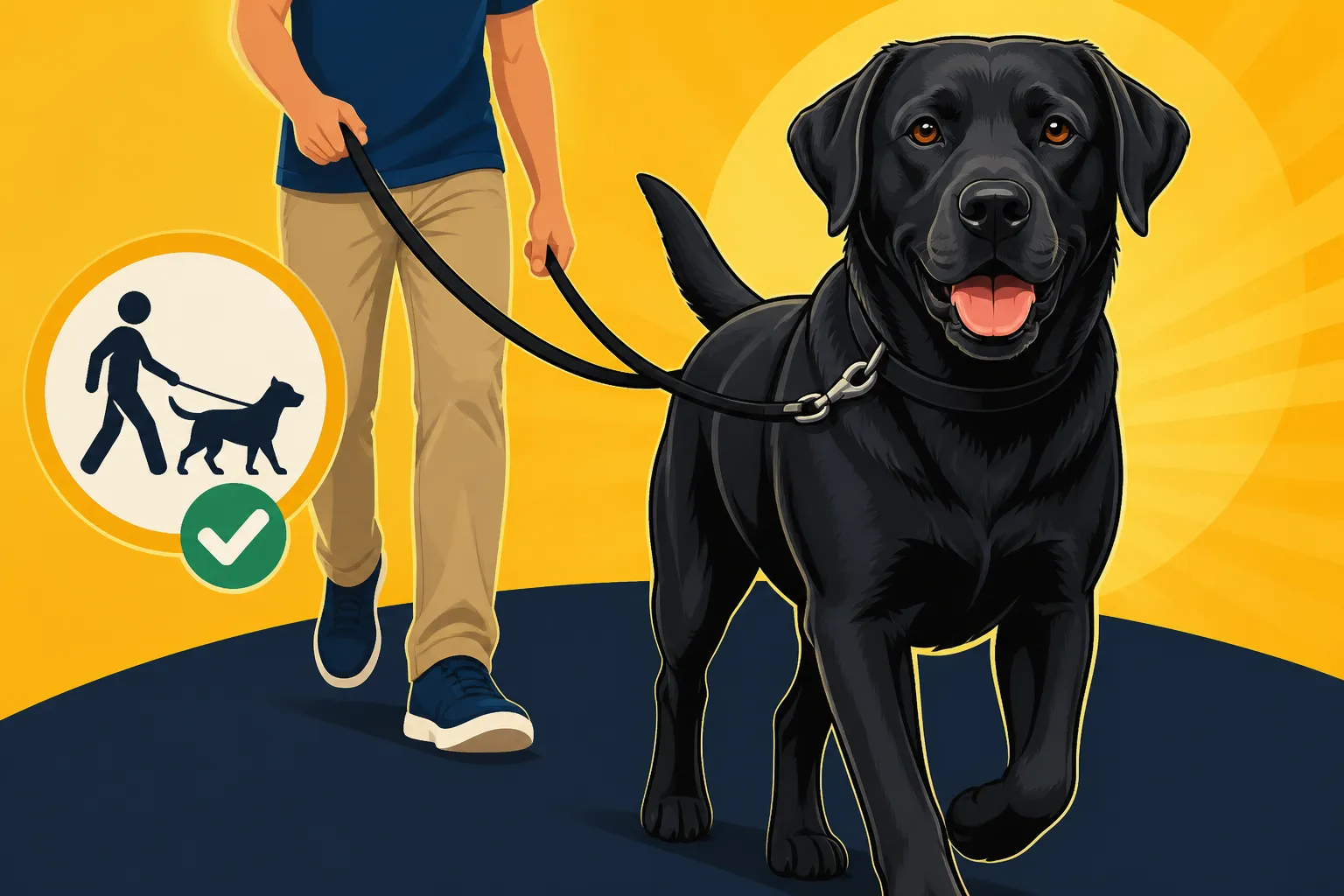
Leash Manners for a Powerful Labrador
It's incredibly frustrating, isn't it? You dream of peaceful strolls with your beautiful Labrador, admiring the scenery, only to find yourself being dragged down the street, feeling like your arm is being ripped from its socket. Many Labrador owners know this struggle all too well; their powerful, enthusiastic dogs turn what should be a pleasant walk into a test of strength and endurance. This comprehensive guide is here to help you reclaim your walks, understand why your Labrador pulls so much, and equip you with the knowledge and tools to teach them impeccable leash manners, making every outing a joy for both of you.
Understanding Why Your Labrador Pulls
Before we can even begin to tackle the "how-to" of leash manners, we need to dig into the "why." Your Labrador isn't pulling to be difficult or disobedient; there are very real, often instinctive, reasons behind their behavior. Understanding these roots is the first step toward empathy and effective training.
The Labrador's Natural Instincts and Strength
Let's be honest: Labradors are incredibly strong dogs. They were bred for demanding work, retrieving game through dense cover and cold water. This means they're built with powerful chests, sturdy legs, and an innate drive to get where they want to go. When something sparks their interest – a squirrel, another dog, an exciting scent – that powerful body kicks into gear. They don't have a built-in understanding of polite leash walking; their instinct is to surge forward.
Imagine a small child holding onto a kite string in a strong wind – that's often how we feel with a pulling Labrador. They're simply following their instincts, propelled by their natural athleticism. Without proper guidance and training, that immense physical capability becomes a challenge rather than an asset on the leash. It's not malice; it's just pure, unadulterated Labrador energy meeting an exciting world.
Furthermore, their heritage often means they have a high prey drive or a desire to investigate every new smell. Each patch of grass, every rustle in the bushes, presents an irresistible pull. This isn't something to punish, but rather to understand and channel through consistent training and positive reinforcement. They're just doing what Labs do best: exploring and retrieving, even if it's just the scent of last night's raccoon.
Excitement, Curiosity, and Lack of Early Training
For many Labradors, a walk isn't just a walk; it's the highlight of their day, a thrilling adventure packed with new sights, sounds, and smells. This boundless enthusiasm, while endearing, often translates directly into pulling. They're simply so excited to get to the park, greet a friend, or sniff that interesting lamppost that they forget you're even there. This excitement can be overwhelming for them, making it difficult to focus on you or the task of walking politely.
Often, the problem starts early, even if inadvertently. A young Labrador puppy might pull a little, and because they're small and cute, we might not correct it consistently. Over time, as they grow into strong adolescents and adults, that little pull becomes a full-blown drag. They've learned that pulling actually gets them where they want to go – to the sniffing spot, to the dog park, to the friendly person. This accidental reinforcement makes the behavior incredibly hard to break later on.
It’s not too late, though. Acknowledging that past habits have unintentionally taught them to pull is crucial. We need to actively re-teach them that the desired outcome (moving forward, getting to exciting things) only happens when the leash is loose. This positive association, built through consistent training, is far more effective than just trying to physically restrain them.
Communication Gaps Between You and Your Dog
Sometimes, the pulling isn't just about strength or excitement; it's about a fundamental misunderstanding. Your Labrador might not actually know what you want them to do. Are you sending clear signals? Is your leash handling consistent? Dogs are incredibly good at reading our body language, but if our signals are mixed, or if we're constantly pulling back, they might just interpret it as part of the walking process, not a correction.
Think about it: if every time your dog pulls, you instinctively yank back, you're creating a constant tension on the leash. For many Labs, this tension simply becomes the "norm" for a walk. They pull, you pull, and the walk continues. There's no clear incentive or understanding for them to stop pulling. They might associate the pull with getting to move forward, even if it’s uncomfortable for both of you.
Establishing clear, consistent communication is paramount. This involves not only teaching specific commands but also understanding how your body language, tone of voice, and even the way you hold the leash contribute to the conversation. When you speak their language effectively, using rewards and clear cues, you empower your Labrador to make the right choices and walk politely by your side. This isn't about dominance; it's about partnership.
Choosing the Right Tools for Leash Training Success
Before you even step out the door, having the right equipment can make a world of difference. The right collar, harness, or head halter isn't a magic fix, but it can provide better control, reduce strain on your dog (and you!), and help you communicate more effectively during training.
Collars: Flat, Martingale, and Beyond
Many people start with a simple flat collar for their Labrador. And for a dog with excellent leash manners, this is perfectly fine. It's comfortable, widely available, and suitable for holding ID tags. However, for a Labrador that pulls, a flat collar can be problematic. When your powerful Lab surges forward, the pressure is concentrated around their throat, which can cause discomfort, lead to coughing or gagging, and even put strain on their trachea. It certainly doesn't help them learn to stop pulling.
A martingale collar, sometimes called a "limited-slip" collar, is a step up for some dogs. It’s designed to prevent a dog from backing out of their collar, which can be a concern for Labs with thick necks or those who get spooked. When the dog pulls, the collar tightens evenly around the neck, but only to a certain point, preventing choking while still providing some control. They're often recommended for sighthounds, but some Labrador owners find them useful. However, they still apply pressure to the neck, and for a strong puller, they might not be the best training tool for actually teaching loose leash walking.
You might also hear about choke chains or prong collars. My personal philosophy, and the one embraced by many positive reinforcement trainers, is to avoid these. While they can provide immediate physical control by causing discomfort or pain when the dog pulls, they don't teach the dog what you want them to do. Instead, they suppress behavior through aversion. This can lead to negative associations with walks, anxiety, and can damage the bond between you and your Labrador. Our goal is to teach, not to punish.
Harnesses: Back-Clip, Front-Clip, and No-Pull Designs
Harnesses are a popular choice for Labradors, and for good reason. They distribute pressure across the chest and shoulders, rather than the neck, making them a much safer and more comfortable option, especially for dogs with tracheal issues or neck pain. However, not all harnesses are created equal when it comes to preventing pulling.
A back-clip harness, where the leash attaches on the dog's back, is excellent for dogs who don't pull. It's comfortable and allows for free movement. But for a pulling Labrador, it can actually make the problem worse. It engages their natural opposition reflex – the tendency to pull against pressure. Think of a sled dog team; they pull with harnesses attached to their backs. So, while comfortable, it can inadvertently empower your Lab to pull even harder.
This is where front-clip harnesses shine. The leash attachment ring is located on your Labrador's chest. When your dog pulls, the leash redirects them gently to the side, turning their body towards you. This makes it physically uncomfortable for them to pull forward with their full strength, and it refocuses their attention back to you. Many owners find a significant reduction in pulling almost immediately. Brands readily available on Amazon offer a wide range of these, and finding one that fits your Labrador's deep chest comfortably is key. You'll want to choose a Front-Clip Harnesses on a Strong Labrador that doesn't restrict shoulder movement, such as those with Y-shaped fronts.
Some harnesses are marketed as "no-pull" designs and may combine elements of front-clip functionality with other features to deter pulling. The key is to find one that redirects without causing pain or discomfort, making the walk a more pleasant experience while you work on training.
Head Halters: When and How to Use Them
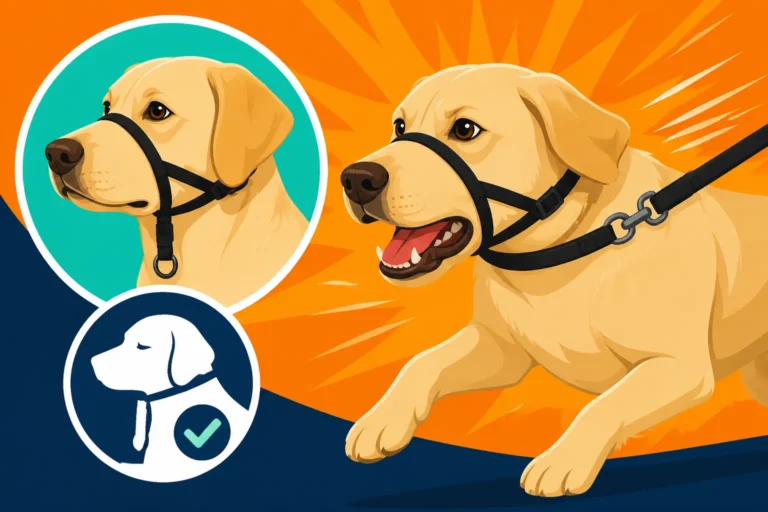
Head halters, sometimes called "head collars," are another effective tool for managing a strong pulling Labrador. They resemble a horse halter, with straps that go over your dog's muzzle and behind their ears, and the leash attaches under their chin. The principle is simple: where the head goes, the body follows. If your dog tries to pull, the halter gently turns their head to the side, disrupting their forward momentum and making it difficult to drag you.
Many owners find head halters incredibly effective for instant control, especially with very strong or reactive Labradors who lunge. They allow you to easily redirect your dog's gaze away from distractions, which can be invaluable during the early stages of training. Head Halters for a Labrador Who Lunges can give you back a sense of confidence and control on walks that you might have lost.
However, head halters often require a gentle introduction to prevent your Labrador from disliking them. Some dogs initially try to rub them off, so it's crucial to make the association positive with treats and praise. Start by letting them wear it for short periods, associating it with good things like meal times or special treats. Never use a head halter to yank or jerk your dog's head, as this can cause injury and create a negative experience. They are primarily for guidance and gentle redirection, not forceful correction.
Building a Solid Foundation for Leash Manners
Effective leash manners don't just happen; they're built on a foundation of trust, clear communication, and basic obedience. This work often starts long before you even head out the door for a real walk.
Introducing the Leash and Collar Positively
For a young Labrador puppy, or even an older rescue dog unfamiliar with leashes, the first step is to make the equipment a positive experience. Don't just clip on a leash and drag them out the door. Start indoors, in a low-distraction environment. Introduce the collar or harness with treats and praise. Let them wear it for short periods, associating it with good things like feeding time or playtime.
Once they're comfortable wearing the equipment, attach the leash, but don't hold it. Let them drag it around the house for a few minutes (under supervision, so they don't chew it or get tangled). This allows them to get used to the feel and weight. When you do pick up the leash, keep sessions very short and fun. Walk a few steps, reward them for staying close, then take it off. The goal is to build a positive association, so they don't see the leash as a restrictive device but rather a signal for fun activities and rewards. If you're wondering When to Start Training a Labrador Puppy, the answer for leash introduction is: as soon as they come home!
Remember, every interaction is a teaching moment. If your Labrador resists, don't force it. Make it a game, use their favorite Treats That Motivate a Food-Driven Labrador, and build up their comfort level gradually. A dog who is happy and relaxed in their gear is much more likely to learn good leash manners.
Mastering Basic Obedience Commands Indoors
Before you ask your Labrador to walk politely past a barking dog or a tempting squirrel, they need to have a solid understanding of basic obedience commands in a calm, distraction-free environment. Commands like "sit," "stay," and a reliable "come" are essential building blocks.
"Sit" is incredibly useful. If your Labrador is overexcited at the door, asking for a sit before opening it can help them calm down and learn impulse control. During a walk, a quick "sit" can anchor them if a distraction appears, allowing you to regain their focus before moving forward. Short Training Sessions That Suit a Labrador are key here – Labradors have a fantastic capacity for learning, but short, frequent sessions are more effective than long, drawn-out ones.
A strong "come" (recall) is also vital, not just for safety off-leash, but for reinforcing your leadership and connection on-leash. If your dog is constantly pulling away, a quick "come" and a treat can reset their focus to you. Practice these commands indoors, then gradually introduce minor distractions before taking them outside. The stronger their foundation indoors, the better they'll perform outdoors when the real world throws its temptations at them.
The Power of Positive Reinforcement
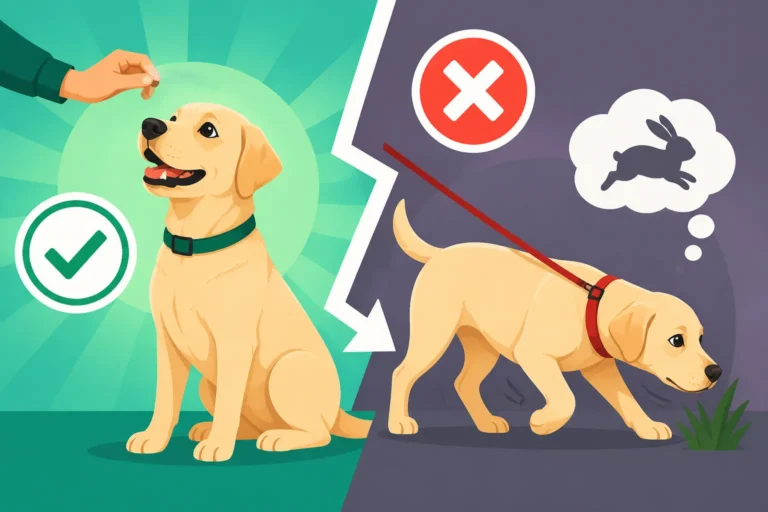
This is, hands down, the most effective way to teach your Labrador anything, especially good leash manners. Positive reinforcement means rewarding your dog for performing the desired behavior. When your Labrador walks with a loose leash, even for a step, that's when the magic happens: a tasty treat, enthusiastic verbal praise, or a quick game of tug.
Avoid punishment or jerking the leash. These tactics might stop the pulling in the short term, but they don't teach your dog what to do, and they can create fear or anxiety. Instead, they learn that walks are unpleasant or that you are unpredictable. We want our Labradors to want to walk nicely with us because it leads to good things.
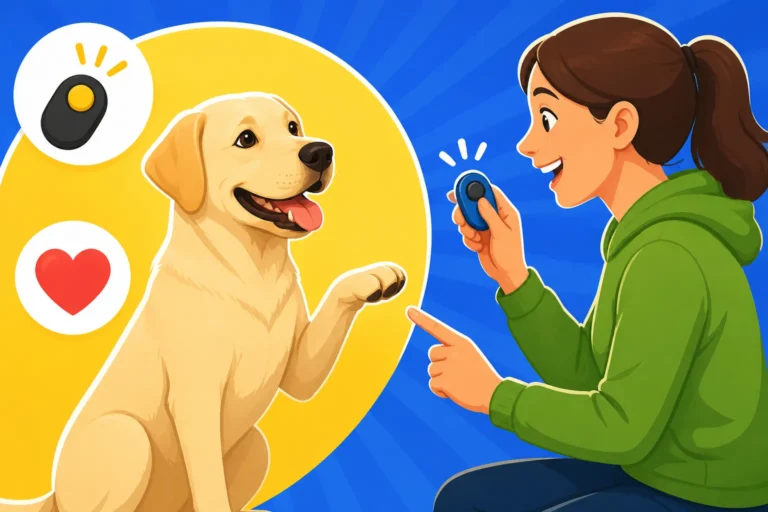
Your Labrador is a highly motivated, food-driven breed. Use this to your advantage! Carry high-value treats (small pieces of cooked chicken, cheese, or their favorite kibble) with you on every walk. Mark the exact moment their leash is loose with a verbal cue like "Yes!" or a clicker, then immediately give the treat. This clear communication helps them understand exactly what behavior you're rewarding. Consistency here is the backbone of success.
Step-by-Step Guide to Loose Leash Walking
Now that you have the right tools and a solid foundation, let's dive into the practical techniques for teaching your Labrador to walk politely on a loose leash. Remember, patience and consistency are your two best friends here.
The Stop-and-Go Method for Leash Training
This is one of the most widely recommended and effective methods for teaching Loose Leash Walking With a Labrador. It's simple, clear, and immediately teaches your Labrador the consequence of pulling and the reward of a loose leash.
Here's how it works:
- Start: Begin walking with your Labrador.
- Monitor the Leash: The moment you feel any tension on the leash – the slightest pull – stop dead in your tracks. Don't say anything, don't pull back, just freeze.
- Wait for Slack: Wait for your Labrador to create slack in the leash. This might mean they turn to look at you, sit down, or simply ease the pressure. The instant the leash goes slack, mark the behavior ("Yes!") and reward them with a treat.
- Resume: Immediately start walking again.
- Repeat: Repeat this cycle endlessly. If they pull, you stop. If the leash is loose, you walk and reward.
The power of this method is that your Labrador quickly learns that pulling stops the walk, and a loose leash starts it again. They become active participants in maintaining slack, rather than just having you physically correct them. Start in a low-distraction environment, like your backyard, and gradually introduce more distractions as they improve.
Changing Direction to Keep Attention
Another fantastic technique to keep your Labrador engaged and prevent pulling is randomly changing directions. This isn't about jerking them around, but subtly shifting your path. When your Labrador is pulling, they are focused on whatever is ahead. By changing direction, you break that focus and bring their attention back to you.
Here's the approach:
- Walk: As you walk, if your Labrador starts to forge ahead or pull, simply change direction without warning. Turn left, turn right, or even do a 180-degree turn.
- Encourage: Use a happy voice to encourage them to follow, "Let's go, Fido!"
- Reward: The moment they reorient themselves to you and the leash becomes loose, reward them generously.
This method teaches your Labrador that they need to pay attention to you and anticipate your movements, rather than blindly pulling forward. It makes you more interesting than the environment. It also prevents them from always walking in a straight line, which can be a common habit for pullers. Over time, your Labrador will learn to check in with you more frequently, making walks much more collaborative.
Managing Distractions on Walks
The real world is full of distractions, and your Labrador's keen nose and friendly nature mean they'll encounter plenty of temptations that make Stopping a Labrador From Pulling on Leash a challenge. Managing these distractions is crucial for success.
- Start Small: Don't expect your Labrador to ignore a barking dog on day one. Begin training in quiet areas with minimal distractions. As they improve, gradually introduce more stimulating environments. This might mean walking at off-peak hours initially, or in quieter neighborhoods.
- Proximity Matters: If your Labrador consistently pulls towards other dogs or people, start by practicing at a distance where they can still notice the distraction but aren't overwhelmed. Reward them for simply looking at the distraction and then looking back at you with a loose leash. Gradually decrease the distance as they get better.
- "Watch Me" Command: Teach your Labrador a "watch me" or "look" command. This is invaluable when you see a potential distraction approaching. Ask for "watch me," reward them for making eye contact, and then calmly walk past the distraction. This gives them an alternative, desirable behavior to perform instead of pulling.
- High-Value Rewards: When you're in a distracting environment, you'll need higher-value treats to compete with the excitement of the external world. Bits of cheese, cooked meat, or even a squeaky toy can be more motivating than dry kibble.
Remember, every time your Labrador successfully navigates a distraction with a loose leash, you're reinforcing the desired behavior. It's a marathon, not a sprint, and consistency in gradually exposing them to more challenging scenarios will pay off in the long run.
Tackling Common Leash Challenges
Even with the right tools and training, Labradors can present unique challenges on the leash. Dealing with lunging, counter surfing, and excessive excitement requires specific strategies tailored to these behaviors.
When Your Labrador Lunges or Reacts to Others
A lunge can be startling, and a reactive Labrador can make walks embarrassing or even dangerous. Lunging might be driven by over-excitement, frustration, or fear. The key is to manage the situation and change your Labrador's emotional response before they reach the point of no return.
- Identify Triggers: Pay close attention to what your Labrador is lunging at. Is it other dogs, joggers, squirrels, or specific types of people? Knowing their triggers helps you anticipate and prepare.
- Increase Distance: The moment you spot a trigger, increase the distance between your Labrador and the distraction. Cross the street, turn around, or step behind a parked car. The goal is to get to a point where your dog can notice the trigger but not react strongly.
- Positive Association: At that safe distance, observe your Labrador. The moment they look at the trigger calmly (without tensing or fixating), immediately reward them with a super high-value treat. Repeat this. The goal is to change their emotional association from "oh no!" or "let's go!" to "oh, there's a dog, that means I get chicken!"
- "Look At That" Game: Teach a "Look At That" game. Point to the distraction, say "Look at that!" and when your dog looks, immediately reward them. This teaches them to look at the trigger and then look back to you for a reward, rather than reacting negatively. This is particularly helpful for Head Halters for a Labrador Who Lunges, as they give you immediate directional control.
- Seek Professional Help: If lunging and reactivity are severe, especially if accompanied by growling or barking, it's always wise to consult a certified professional dog trainer or veterinary behaviorist. They can provide tailored guidance and help address underlying anxiety or fear.
Counter Surfing and Eating Off the Ground
Labradors are notoriously food-motivated, and their opportunistic nature means they're constantly on the lookout for a snack, whether it's a discarded chicken bone on the pavement or crumbs from a picnic table. This can be annoying, unsanitary, and sometimes dangerous.
- "Leave It" Command: A reliable "leave it" command is your best defense. Practice this indoors with low-value items, gradually increasing the difficulty to high-value treats on the floor. When your Labrador starts to sniff or approach the item, say "leave it!" and cover the item with your hand. The moment they back away or look at you, reward them with a separate, high-value treat from your hand.
- Environmental Management: On walks, be vigilant. Scan the path ahead for dropped food, trash, or anything tempting. If you see something, say "leave it" before your Labrador gets to it, or gently guide them past it with a loose leash and a treat for compliance.
- Walking Past Temptations: Practice walking past tempting items (like a bag of treats you've strategically placed) at a distance, rewarding your Labrador for walking past them without trying to snatch them. Gradually decrease the distance.
- Muzzle Training (for safety): If your Labrador has a serious problem with eating dangerous items off the ground, consider muzzle training. A comfortable, well-fitting basket muzzle allows them to pant, drink, and take treats, but prevents them from ingesting harmful objects. Introduce it positively with treats, making it a comfortable experience.
Managing Excessive Excitement and Barking
Some Labradors get so overstimulated on walks that they jump, whine, or bark excessively, making it difficult to maintain composure and good manners. This often stems from an inability to manage their own excitement.
- Impulse Control at the Door: Start before the walk even begins. If your Labrador is bouncing off the walls, pawing at the door, or barking, ignore them. Wait for a moment of calm (even just a second of silence or all four paws on the floor) before you even touch the leash or door handle. Ask for a "sit" or "stay" before opening the door, and only proceed if they remain calm. If they break, close the door and start again. This teaches them that calm behavior is what gets them what they want.
- Calm Departures and Arrivals: Make departures and arrivals low-key. No hyped-up greetings when you get home; wait until they are settled before giving affection.
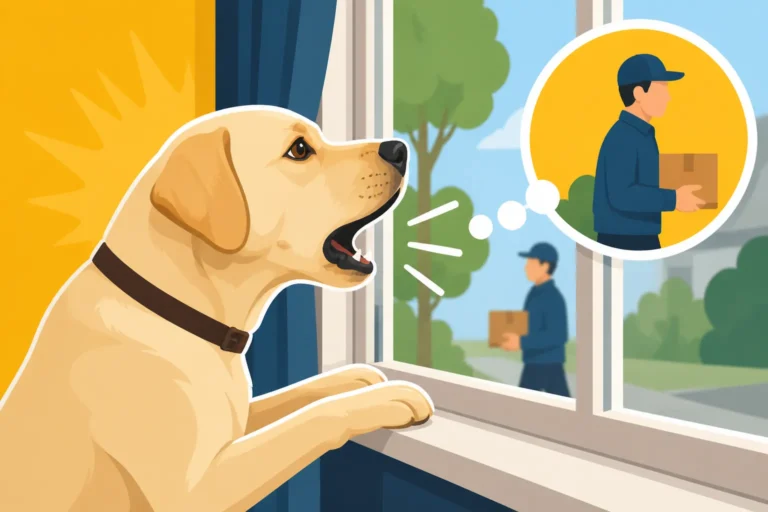
- Redirect Barking: If your Labrador barks at specific triggers on a walk (e.g., other dogs), use your "watch me" or "look at that" commands to redirect their focus. Reward heavily for quiet attention to you. Sometimes, a confident "shhh" or "quiet" command, followed by a reward when they stop barking, can also be effective.
- Mental Exercise: Ensure your Labrador is getting enough mental stimulation in addition to physical exercise. A tired body and mind is less likely to be overstimulated. Puzzle toys, scent work, or short training sessions at home can help.
Consistency, Patience, and Long-Term Success
Leash manners are not a one-and-done training session. They require ongoing effort, understanding that setbacks will happen, and a long-term commitment to guiding your Labrador.
The Importance of Daily Practice and Short Sessions
Think of leash training like learning a new language – you don't become fluent overnight. Daily, consistent practice is far more effective than sporadic, long sessions. Aim for several short training sessions throughout the day, perhaps 5-10 minutes each, rather than one grueling hour. This is perfectly aligned with Short Training Sessions That Suit a Labrador.
During these short bursts, focus intensely on the loose leash. Reward frequently, celebrate small victories, and end on a positive note. This keeps your Labrador engaged and prevents them from becoming bored or frustrated. Even if it's just a walk around the block, every step with a loose leash is reinforcement. The more repetitions your Labrador gets of walking politely and being rewarded for it, the more ingrained the behavior will become.
Don't be afraid to revert to easier environments if you notice your Labrador struggling. If a walk in a busy park is too much, go back to practicing in your quiet neighborhood or even your yard. Building confidence in less distracting settings will eventually translate to better performance in more challenging ones.
Navigating Adolescent Setbacks
Ah, Labrador adolescence! This period, typically between 6 months and 2 years, can feel like your well-trained puppy has suddenly forgotten everything they ever learned. This is a completely normal phase, sometimes referred to as the "teenage rebellion" or the "compliance drop." Your Labrador is experiencing a surge of hormones, becoming more independent, and pushing boundaries. You might find that Labrador adolescence and the years it costs are filled with moments where they test your patience.
During this time, it's crucial not to get discouraged. Your Labrador hasn't forgotten; they're simply testing the limits and their brain is undergoing significant changes. Double down on your consistency. Go back to basics if you need to. If they start pulling again, increase your rewards for loose leash walking, make your "stop-and-go" even more immediate, and reduce distractions.
Remember, this phase will pass. Your calm, consistent leadership will help them navigate it successfully. It's about showing them, repeatedly, that the rules still apply, and that polite behavior always leads to good things. Many owners find renewed success after adolescence, once their Labrador's brain matures a bit more and they settle into adulthood.
Professional Help: When to Call in a Trainer
While self-help resources are incredibly valuable, there are times when bringing in a professional can make all the difference. If you've been consistently applying techniques and still find yourself struggling, don't view seeking help as a failure. It's a smart decision.
Consider calling a certified professional dog trainer if:
- Your Labrador's pulling is causing you physical pain or injury.
- Their reactivity (lunging, barking, growling) is severe or escalating.
- You feel overwhelmed, frustrated, or like you're not making progress.
- You're struggling with specific behaviors like aggression or extreme fear.
- You simply want to accelerate your training and benefit from expert guidance.
A good trainer will use positive, force-free methods and can observe your specific dynamics, identify subtle cues you might be missing, and offer tailored strategies. They can also help you understand the underlying motivations for your Labrador's behavior. Look for trainers certified by reputable organizations, who prioritize the welfare and emotional well-being of your dog. Finding a good Choosing a Trainer for a Labrador can truly transform your walking experience.
Advanced Leash Skills and Real-World Application
Once your Labrador has mastered the basics of loose leash walking, you can begin to refine their skills and prepare them for more challenging environments. This is where the true joy of walking with a perfectly mannered Labrador really shines.
Teaching a Formal Heel Command
Loose leash walking means your Labrador walks by your side with a slack leash, but it doesn't necessarily dictate a precise position. A "heel" command, however, is a more formal behavior where your dog walks precisely at your side, typically with their shoulder aligned with your leg, and maintains that position regardless of distractions. This is particularly useful for crowded areas, obedience competitions, or when you need absolute control.
Teaching "heel" starts with lure-and-reward. Hold a high-value treat at your Labrador's nose, guide them into the heel position by your side, and walk a few steps. As they walk in position, continue to praise and occasionally deliver the treat. Gradually fade the lure, replacing it with a verbal cue ("heel!") and hand signal, rewarding them for maintaining the position independently.
The key to a good "heel" is short, focused practice sessions. Start in a quiet area, walk a few steps, release them with a "free!" command, and let them be a dog. Then, ask for "heel" again. This clear on/off signal helps them understand when they need to be in the precise position versus when they can enjoy a looser walk. A strong "heel" is a testament to your consistent training and your Labrador's focus.
Walking in Busy Urban Environments
Navigating a bustling city sidewalk or a crowded market with a powerful Labrador is the ultimate test of leash manners. The myriad of sights, sounds, and smells can be overwhelming, but with proper training and confidence, it can be a rewarding experience.
- Preparation is Key: Don't just throw your Labrador into a busy environment without preparation. Start with less busy areas and gradually increase the exposure. Practice all your commands – "sit," "stay," "leave it," "watch me," and loose leash walking – in increasingly distracting settings.
- Short Sessions: Initially, keep urban walks very short. A 15-minute successful walk is much better than an hour-long struggle. End on a positive note before your Labrador gets too overstimulated or fatigued.
- Your Demeanor Matters: Remain calm and confident. Your Labrador will pick up on your anxiety. If you feel stressed, they will too. Keep your voice light and positive, even when guiding them through a tricky spot.
- Advocate for Your Dog: Don't be afraid to create space for your Labrador. If someone is approaching too quickly, or another dog is too close, politely ask for space or guide your dog to the side. It's okay to protect your dog from overwhelming situations, especially when they are still learning.
- Utilize Head Halters or Front-Clip Harnesses: These tools are invaluable in busy environments, providing that extra bit of control and redirection when you need it most. Having confidence in your tools allows you to focus on guiding and rewarding your dog.
Maintaining Manners as Your Labrador Ages
As your Labrador moves into their senior years, their physical capabilities and energy levels will change. It's important to adjust your expectations and continue to maintain good leash manners in a way that is comfortable and safe for them.
- Shorter, More Frequent Walks: An older Labrador may not be up for long hikes, but shorter, more frequent sniff-walks can still provide mental stimulation and gentle exercise. Respect their pace and don't push them if they're slowing down.
- Awareness of Joint Health: Many Labradors develop Labrador Arthritis in Middle Age or other joint issues. Be mindful of potential pain. If your older Labrador starts pulling again, it might not be defiance, but discomfort or pain that's making them reluctant to walk slowly. Consult your vet to rule out any underlying health issues. Physical Therapy for a Labrador With Bad Hips could be a discussion to have.
- Maintain Training: Just because they're old doesn't mean training stops. Continue to practice loose leash walking in appropriate environments. Mental engagement is crucial for senior dogs to keep their minds sharp.
- Paw and Nail Care: Older Labradors might be less stable on their feet, so ensuring their nails are properly trimmed (refer to How Often a Labrador Needs Nails Trimmed) and their paw pads are healthy is essential for comfortable walking.
- Adapt Equipment: If joint issues make it hard for them to get into a harness, find one that's easier to put on. Consider a walking aid or even a dog stroller for longer outings if their mobility significantly declines. The goal is to keep them enjoying walks for as long as possible, adapting to their changing needs.
Leash manners are a lifelong journey with your Labrador, evolving as they grow from a rambunctious puppy to a dignified senior. With patience, consistent positive reinforcement, and the right tools, you can transform those frustrating struggles into cherished shared adventures.
Disclaimer
This article is for general informational purposes only and does not constitute professional advice. Laws, prices and regulations vary by location and change over time. Consult a qualified professional for guidance on your specific situation.