Grapes, Onions and Labrador Emergencies
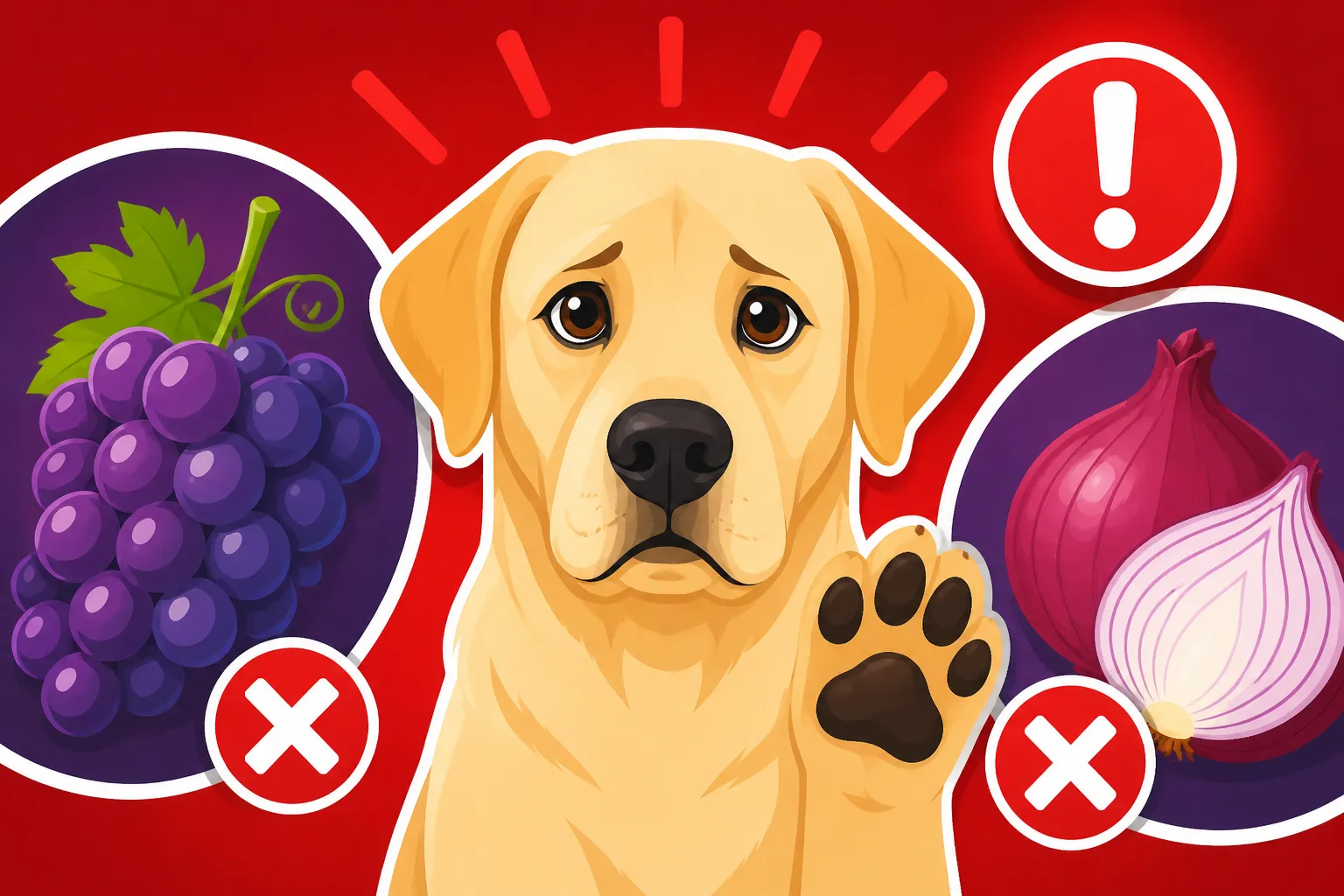
It’s a terrifying scenario no Labrador owner ever wants to face: your beloved, food-obsessed companion has gotten into something they shouldn't have. Whether it's a forgotten bunch of grapes on the counter or a spilled container of garlic powder, the panic that washes over you when you realize your dog might be in danger is utterly overwhelming. This guide is here to walk you through the very real threats posed by common household foods like grapes and onions, help you understand the signs of trouble, and, most importantly, equip you with the knowledge to act swiftly and effectively in a Labrador emergency.
Why Grapes and Raisins Are So Dangerous for Your Labrador
Grapes and raisins are notoriously toxic to dogs, and yet, the exact mechanism of their toxicity remains a frustrating mystery to veterinarians and scientists alike. What we do know is that even a small amount can cause severe, life-threatening kidney failure in some dogs, while others might consume a seemingly larger quantity with no ill effects. This unpredictability is precisely why they are considered such a high-alert food. You simply cannot take the chance that your Labrador will be one of the lucky ones.
The Unpredictable Kidney Threat
One of the most terrifying aspects of grape and raisin toxicity is its impact on your Labrador's kidneys. The active toxic agent hasn't been definitively identified, but it’s understood to cause acute kidney injury. This means the kidneys, which are vital for filtering waste products from the blood, essentially shut down. Imagine your car’s oil filter suddenly clogging – the engine would quickly start to fail. That’s what happens inside your Labrador’s body. The waste products build up, poisoning their system and leading to a cascade of other health problems.
Symptoms can appear anywhere from 6 to 12 hours after ingestion, but sometimes much later. This delay can be particularly dangerous because owners might not realize the severity until the damage is already underway. Early intervention is absolutely critical, which means if you suspect even a single grape has been ingested, it's a full-blown emergency. This isn't a situation where you wait and watch; it's a "call the vet now" moment.
No "Safe" Amount
Because the toxicity is so idiosyncratic, there’s no universally agreed-upon "safe" amount of grapes or raisins for any dog, let alone a sturdy Labrador. A study might suggest a certain concentration, but individual sensitivities vary wildly. For some Labradors, a handful might cause no issues, while for others, literally one grape could be enough to trigger kidney failure. This makes prevention paramount. You cannot risk it, thinking, "Oh, it was just one, he'll be fine." That single grape could be the one that devastates your dog's health.
Therefore, absolute avoidance is the only responsible approach. Keep grapes, raisins, currants, and any products containing them (like raisin bread, granola bars, or even some fruit juices) completely out of your Labrador's reach. This also extends to fallen grapes from a vine in your yard. Even if you've had a Labrador for years and they've accidentally snagged one before without issue, the next time could be different. This unpredictability is a heavy burden, but it’s one we, as responsible pet parents, must accept.
The Sneaky Threat of Onions and Garlic
While grapes are a clear-cut "no," onions and garlic often hide in plain sight, making them an equally insidious threat. They are part of the Allium family, which also includes chives and leeks, and all members of this family contain compounds that can be highly toxic to dogs. It's not just the raw onion you drop while chopping; it’s the powdered garlic in your pantry, the onion dip left out after a party, or even the cooked onions in last night’s stir-fry.
The Science Behind Allium Toxicity
The culprits in onions and garlic are compounds called N-propyl disulfides and thiosulphates. When ingested by dogs, these compounds can damage red blood cells, leading to a condition called hemolytic anemia. Red blood cells are responsible for carrying oxygen throughout the body, so when they are damaged or destroyed, your Labrador can't get enough oxygen, leading to weakness, lethargy, and potentially organ damage. It's like trying to run a marathon with blocked airways – the body simply can't function effectively.
Unlike grapes, where small amounts can be devastating for some, onion and garlic toxicity is generally dose-dependent. This means that a larger amount is more likely to cause severe problems, or smaller amounts ingested repeatedly over time can also build up to toxic levels. However, this doesn't mean a small amount is ever "safe." Some dogs are more sensitive, and the cumulative effect of even seemingly harmless quantities can lead to illness.
Hidden Dangers in Everyday Foods
The real danger with onions and garlic is their prevalence in human food. Think about how many dishes start with an onion or garlic base! From spaghetti sauce to soups, gravies, baby food, and even some processed snacks, these Allium ingredients are everywhere. Powdered forms, like garlic powder or onion powder, are often more concentrated and therefore even more potent in smaller quantities. A quick sprinkle of garlic powder can be far more dangerous than a small piece of raw garlic.
Even cooked onions or garlic lose some of their potency, but they are not rendered safe. The toxic compounds are still present, just in a slightly different form. So, that leftover piece of pizza with cooked onions, or a forgotten bowl of chili, poses a very real risk. You might think your dog is just getting a little bit of "people food" as a treat, but you could inadvertently be exposing them to a dangerous toxin. Pet parents often need to be extra vigilant when ordering pet food or treats online from places like Chewy or Amazon, ensuring they check ingredient lists thoroughly to avoid any Allium derivatives, although reputable brands rarely include them. For example, if you're exploring fresh food options like Ollie, their recipes are specifically formulated to be dog-safe, avoiding such ingredients.
Here’s a quick overview of common toxic foods and their primary dangers:
| Food Category | Examples | Primary Danger (Labradors) | Key Symptoms |
|---|---|---|---|
| Grapes & Raisins | Fresh grapes, raisins, currants, juice | Acute kidney failure | Vomiting, lethargy, diarrhea, abdominal pain, increased thirst/urination (or lack thereof), tremors |
| Allium Family | Onions, garlic, chives, leeks | Red blood cell damage (anemia) | Lethargy, weakness, pale gums, rapid breathing, dark urine, vomiting, diarrhea, lack of appetite |
| Chocolate & Caffeine | Cocoa powder, dark chocolate, coffee | Methylxanthine poisoning | Hyperactivity, tremors, seizures, vomiting, diarrhea, increased heart rate, panting |
| Xylitol | Sugar-free gum, peanut butter, candy | Rapid insulin release, liver failure | Vomiting, lethargy, weakness, seizures, collapse, jaundice |
| Alcohol | Any alcoholic beverage, fermented dough | Alcohol poisoning | Vomiting, disorientation, difficulty walking, tremors, decreased body temperature, coma |
| Avocado | All parts of the plant | Persin toxicity (mild for dogs) | Vomiting, diarrhea (large quantities may cause pancreatitis) |
| Macadamia Nuts | Macadamia nuts | Unknown mechanism, neurological | Weakness, tremors, vomiting, fever, inability to stand |
Recognizing the Signs of Food Poisoning in Your Labrador
Labradors are known for their stoic nature. They are often masters at hiding pain or discomfort, which can make recognizing the subtle signs of poisoning particularly challenging. What might be an obvious symptom in another breed could just be a slight quietness in your typically boisterous Lab. This is why it’s crucial to know what to look for and to trust your gut if something feels "off" with your furry friend.
General Symptoms to Watch For
While specific toxins have their unique effects, there are common symptoms that often signal something is seriously wrong. If you notice any combination of these, especially after a suspected ingestion, it's time for immediate action:
- Vomiting: This is often one of the first signs, as the body tries to expel the harmful substance. It might be continuous or intermittent.
- Diarrhea: Again, the body attempting to rid itself of toxins. It could range from soft stools to watery, bloody diarrhea.
- Lethargy: Your normally energetic Labrador might be unusually tired, unwilling to play, or have difficulty getting up.
- Loss of Appetite: Refusing food or treats, even their favorites, is a major red flag.
- Abdominal Pain: Your Labrador might hunch their back, moan, or become sensitive to touch around their belly.
- Increased Thirst or Urination (or Lack Thereof): These can be signs of kidney distress, particularly with grape toxicity. If they're drinking excessively but not urinating, that's a serious problem.
- Weakness or Collapse: This is an urgent sign of severe illness, indicating major systemic distress.
Remember, a Labrador’s boundless enthusiasm can mask initial symptoms, so pay close attention to any changes in their normal behavior, even subtle ones. A Labrador that is Reading Pain in a Stoic Labrador can be challenging, but subtle shifts in their routine or demeanor are often the only hints you'll get.
Specific Signs for Grapes vs. Onions
Knowing the distinct symptoms associated with each toxin can help your vet narrow down the cause and treatment plan.
For Grapes/Raisins:
As mentioned, the primary concern is kidney failure. Beyond the general signs, you might specifically observe:
- Oliguria/Anuria: This means decreased or no urine production. If your Labrador isn't peeing, their kidneys are likely shutting down, and this is an extreme emergency.
- Dehydration: Despite increased drinking, kidney failure can lead to severe dehydration. You might check their gum elasticity or if their eyes appear sunken.
- Tremors: In severe cases, muscle tremors can occur.
The onset of these symptoms can be insidious, sometimes taking a day or two to become truly apparent. By then, significant damage might have already occurred. This delay is why acting immediately upon suspected ingestion, rather than waiting for symptoms, is paramount.
For Onions/Garlic:
The main issue here is damage to red blood cells, leading to anemia. Look for:
- Pale Gums: Healthy gums are pink. Anemic gums will appear pale pink or even whitish.
- Rapid Breathing/Increased Heart Rate: The body tries to compensate for the lack of oxygen by breathing faster and pumping blood harder.
- Weakness or Exercise Intolerance: They might tire very quickly during a short walk or struggle with activities they normally love.
- Dark Red or Brown Urine: This is a sign of red blood cells being broken down and hemoglobin being excreted, indicating severe damage.
- Jaundice (Yellowing of Gums/Skin): In very severe cases, the breakdown of red blood cells can overwhelm the liver, leading to jaundice.
These signs might also appear hours, or even a day or two, after ingestion, depending on the amount consumed and your Labrador's sensitivity. It’s a serious condition that requires veterinary intervention.
Immediate Action: What to Do in a Food Emergency
Time is of the essence when your Labrador has ingested a toxic substance. Panicking is natural, but it’s crucial to channel that energy into swift, decisive action. Knowing what steps to take, and when to take them, can make all the difference in the outcome.
Contact Your Veterinarian (Or Emergency Vet) IMMEDIATELY
This is the single most important step. Do not waste precious minutes searching online for home remedies or waiting to see if your Labrador develops symptoms. Call your regular veterinarian first. If it's outside of their operating hours, call the nearest emergency veterinary clinic. Have as much information ready as possible:
- What was ingested? Be specific (e.g., "a handful of red grapes," "half an onion cooked in pasta sauce," "sugar-free gum with Xylitol").
- How much was ingested? Your best estimate is fine.
- When was it ingested? Note the time as accurately as you can.
- Your Labrador's weight: This helps the vet calculate potential toxicity.
- Any symptoms observed: Even subtle ones.
The veterinary staff will guide you on what to do next. They might advise you to bring your Labrador in immediately, or in some specific cases, they might guide you on inducing vomiting at home if and only if it’s safe and appropriate for the substance and time frame. Never attempt to induce vomiting without professional guidance, as it can be dangerous for some toxins or if too much time has passed. This direct call is far more valuable than any internet search, as your vet has specific knowledge and diagnostic tools at their disposal. They can also tell you if your particular Labrador's health history (like Labrador kidney disease issues) makes them more vulnerable.
Inducing Vomiting and Activated Charcoal
If your vet advises it, they might instruct you to induce vomiting at home using 3% hydrogen peroxide. Again, only do this under direct veterinary supervision, as incorrect dosage or timing can cause more harm. For instance, if your Labrador ingested a sharp object or a corrosive substance, inducing vomiting could cause further injury. Also, if too much time has passed (usually more than 1-2 hours for most toxins), the substance may have already moved into the intestines, making vomiting less effective.
Once at the clinic, or if you bring your Labrador in quickly, the vet might induce vomiting using stronger, faster-acting medications. After vomiting, they often administer activated charcoal. Activated charcoal is a fantastic substance because it binds to toxins in the digestive tract, preventing them from being absorbed into the bloodstream. It acts like a sponge, soaking up the bad stuff and allowing it to pass harmlessly through the stool. The vet will determine the appropriate dose and whether it's needed based on the ingested toxin.
It's a good idea to have A First Aid Kit for a Labrador Retriever at home, which might include emergency items like 3% hydrogen peroxide, but remember: these are only for use under direct vet instruction. For everyday prevention, make sure your pantry is Labrador-Proofing a Kitchen to avoid such emergencies altogether.
Follow-Up Care and Prevention
After the immediate crisis is addressed, your Labrador will likely need follow-up care. This could include blood tests to check kidney function (for grapes) or red blood cell counts (for onions/garlic), intravenous fluids to support organ function, and potentially medications to protect the stomach or aid recovery. The vet will outline a treatment plan and schedule subsequent visits to monitor your Labrador's progress.
Prevention is truly the best medicine. Since Labradors are often highly motivated by food, keeping toxic items out of their reach requires constant vigilance.
- Counter Surfing: Labradors are notorious counter surfers. Never leave food unattended on countertops.
- Dog-Proof Storage: Store potentially toxic foods in sealed containers or high cupboards where your Labrador can’t get to them. Brands like Chewy and Amazon offer a variety of dog-proof containers.
- Educate the Household: Make sure everyone in your home, including children and guests, knows which foods are dangerous for your Labrador.
- Be Mindful of Trash: Secure your trash cans with lids or keep them in cabinets, as Labradors are often not above raiding the bin for tasty (and potentially toxic) scraps.
- Garden Safety: If you have grapes growing in your yard, consider fencing them off or removing them, especially if fallen grapes are accessible.
By being proactive and prepared, you can significantly reduce the risk of your Labrador encountering these dangerous foods, ensuring they stay happy, healthy, and safe for many years, avoiding costly Labrador Emergency Vet Bills.
Disclaimer
This article is for general informational purposes only and does not constitute professional advice. Laws, prices and regulations vary by location and change over time. Consult a qualified professional for guidance on your specific situation.