Treats That Fit a Labrador’s Calorie Budget
It's a familiar sight for any Labrador owner: that hopeful, unwavering gaze fixed on your hand, your plate, or even the crinkle of a snack bag. Our beloved Labs are famously food-motivated, which is a wonderful trait for training but can become a real challenge when trying to manage their weight. Balancing their love for treats with their need to stay lean and healthy can feel like a constant battle, often leaving us feeling guilty or frustrated. This guide is here to help you navigate the world of treats, ensuring your Labrador feels rewarded and loved without adding extra pounds.
The Labrador's Unique Relationship with Food
Anyone who has ever lived with a Labrador knows that their appetite is legendary. It’s not just a stereotype; there's real science and history behind their profound love for food. Understanding this deep-seated drive is the first step in managing their treat intake effectively.
Why Labradors are so Food-Motivated
The Labrador Retriever's intense focus on food isn't just a quirk; it's often rooted in their genetics and their historical purpose. These dogs were bred for demanding work as retrievers, often in cold water, requiring significant energy expenditure. A keen appetite ensured they were always ready to refuel. Beyond this historical context, modern research has shed light on a specific genetic factor that contributes to many Labradors' insatiable hunger.
Many Labradors carry a mutation in the POMC gene, which plays a critical role in regulating appetite and metabolism. This genetic variation can make a Labrador feel perpetually hungry, less satiated after meals, and more prone to obesity. It's not a lack of willpower on their part, or yours, but a biological predisposition that makes them constantly seek out food. This means that for a Labrador, a "treat" isn't just a nice extra; it’s a deeply satisfying and often overriding drive. Understanding this helps us approach their diet and treat regimen with empathy and strategy. This genetic predisposition means that even a small, seemingly insignificant treat can ignite a strong desire for more, making portion control absolutely paramount. The POMC Gene and Labrador Appetite goes into more detail on this fascinating topic.
The Dangers of Over-Treating
While it’s natural to want to spoil our furry companions, over-treating a Labrador can lead to serious health consequences that far outweigh the temporary joy of an extra snack. Labradors are already prone to weight gain, and excess calories from treats can quickly tip the scales, leading to obesity. Obesity in Labradors isn't just about appearance; it's a significant health risk factor, shortening their lifespan and exacerbating or causing numerous other conditions.
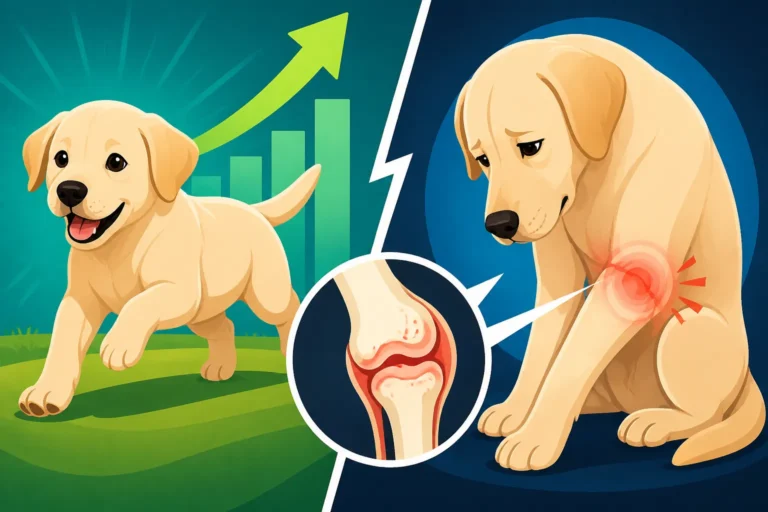
An overweight Labrador is at a much higher risk for conditions like Labrador Hip and Elbow Dysplasia due to increased stress on their joints. They are also more susceptible to diabetes, heart disease, certain types of cancer, and even respiratory problems. The extra weight makes them less active, creating a vicious cycle where reduced exercise leads to more weight gain, further reducing their desire to move. Moreover, the sheer volume of treats can unbalance their primary diet, potentially leading to nutritional deficiencies even if they appear well-fed. It’s a silent threat that can sneak up on owners, as a little bit here and a little bit there quickly adds up over time.
Understanding Your Labrador's Calorie Budget
Just like us, our Labradors have a daily calorie budget, and treats need to be factored into it. It’s not enough to just pick "healthy" treats; we need to consider their caloric impact relative to their overall dietary needs.
Calculating Daily Calorie Needs
Determining your Labrador's ideal daily calorie intake is crucial for weight management. This isn't a one-size-fits-all number, as it depends on several factors: your Labrador's age, activity level, current weight, and ideal weight. A growing puppy will have different needs than a senior dog, and a highly active field Labrador will require more calories than a more sedate show line Labrador.
The best starting point is to consult your veterinarian. They can help you calculate a precise daily caloric requirement based on your individual dog’s metabolic rate and lifestyle. Many dog food brands also provide feeding guidelines based on weight, but these are often broad averages and may not account for the specific energy needs of your dog or the notorious Labrador appetite. Remember, the goal isn't just to keep them full, but to fuel them appropriately for a healthy, active life. Getting this number right is the foundation of preventing Labrador Obesity and the Years It Costs.
The 10% Rule for Treats
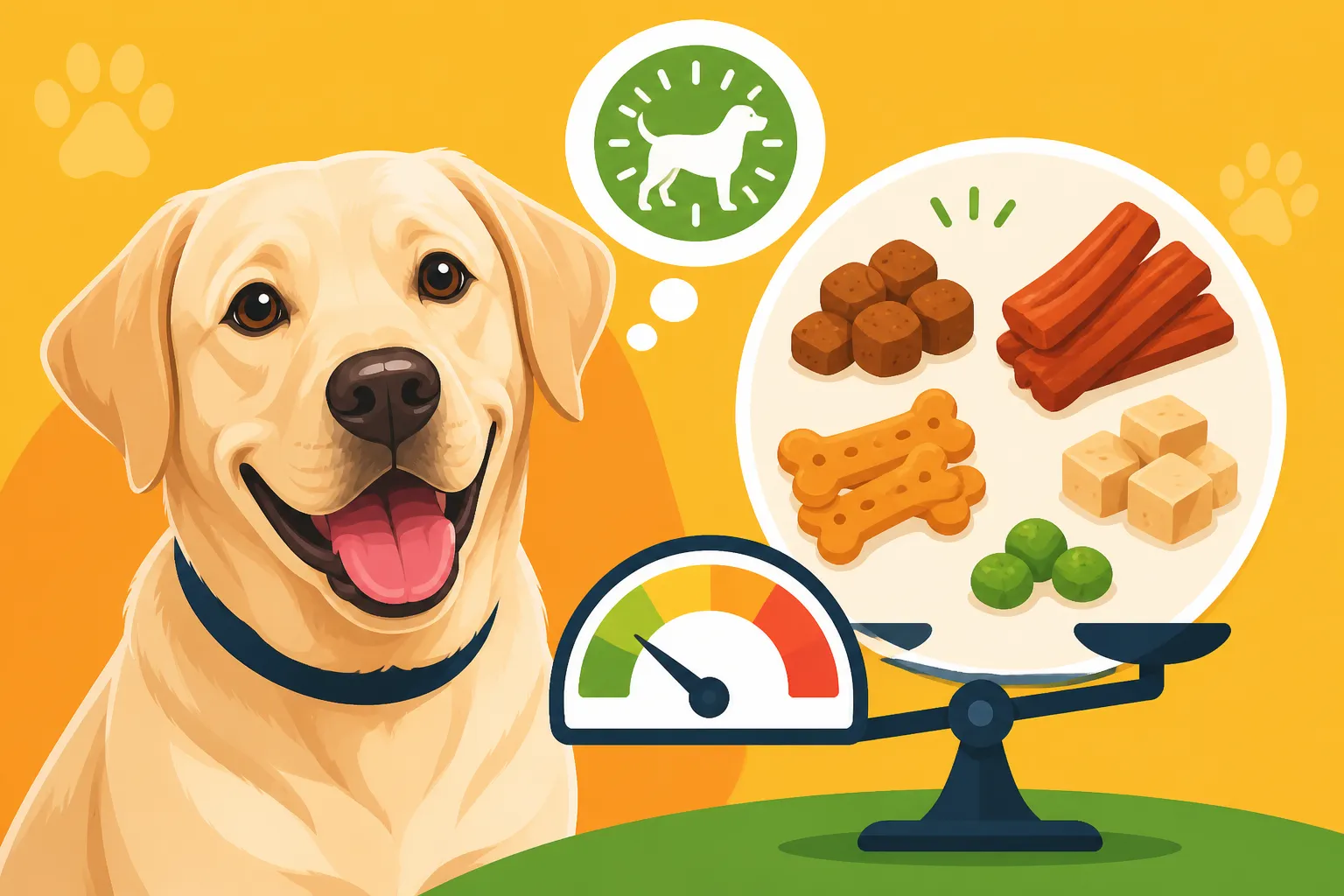
Once you have a good estimate of your Labrador's daily calorie needs, it's time to factor in treats. A widely accepted guideline among veterinarians and canine nutritionists is the "10% rule." This rule suggests that treats should make up no more than 10% of your dog's total daily caloric intake.
For example, if your Labrador needs 1,500 calories per day to maintain a healthy weight, then only 150 of those calories should come from treats. This might sound like a lot, but when you start looking at the caloric content of many commercial dog treats, you'll quickly realize how easily you can exceed this limit. A single large dental chew or a handful of high-value training treats can quickly eat up a significant portion of that 10%. By adhering to this rule, you ensure that the bulk of your Labrador's nutrition comes from their balanced primary diet, while still allowing for the joy of treats without derailing their weight goals. This also helps to prevent them from filling up on treats and then not eating their nutritionally complete meal.
Smart Treat Choices for Weight Management
With calorie budgets in mind, let's explore practical choices for treats that won't pack on the pounds but will still make your Labrador happy.
Low-Calorie Commercial Treats
The market is flooded with dog treats, and navigating the options can feel overwhelming. The key to smart choices is reading labels diligently. Look for treats specifically marketed as "low calorie," "lite," or "weight management." These often have fewer fats and sugars and more fiber to help dogs feel fuller.
When scrutinizing labels, pay close attention to the calorie count per treat or per serving. Some treats look small but are surprisingly dense in calories. Brands often formulate smaller, bite-sized options specifically for training or for smaller dogs, but these can be perfect for Labs when you want to give multiple rewards without overdoing it. You can find a good selection of these on sites like Chewy or Amazon, allowing you to compare nutritional information easily. Even with low-calorie options, remember the 10% rule; a handful of "lite" treats can still add up. Consider using dental chews as a treat if they fit into the calorie budget, as they also offer oral health benefits. Just make sure to check their caloric density as some can be surprisingly high!
DIY & Single-Ingredient Options
Sometimes, the best treats are the simplest ones, straight from your kitchen. Many fruits and vegetables make fantastic low-calorie, nutrient-rich treats that most Labradors adore. These single-ingredient options allow you to control exactly what your dog is eating, avoiding fillers, artificial ingredients, or hidden calories.
Good choices include baby carrots, green beans, cucumber slices, apple slices (without seeds or core), and blueberries. These can be given raw, frozen (which is excellent for hot weather or teething puppies), or lightly steamed. Just be mindful of portion sizes, even with healthy options, as some fruits are higher in natural sugars. Always research to ensure the food is safe for dogs before offering it. For instance, grapes, raisins, onions, and avocado are definitely off-limits. Using small pieces of cooked lean protein, like plain boiled chicken breast, can also be a high-value, low-fat treat for special occasions or intense training sessions. This approach is much more budget-friendly than constantly buying commercial treats and gives you ultimate control over what your Labrador consumes. Human Foods Safe for a Labrador offers a more comprehensive list of suitable options.
Here's a quick look at some popular healthy DIY treat options:
| Treat Type | Benefits | Considerations |
|---|---|---|
| Baby Carrots | Crunchy, low calorie, good for teeth | Introduce slowly to avoid upset stomach |
| Green Beans | Very low calorie, high fiber | Serve plain, cooked or raw |
| Cucumber Slices | Hydrating, low calorie | Remove seeds if large, cut into small pieces |
| Apple Slices | Fiber, vitamins | Remove core and seeds (contain cyanide), moderation |
| Blueberries | Antioxidants, small, easy to manage | High in sugar, give in small quantities |
| Plain Boiled Chicken | High protein, lean | Ensure no seasoning, bones removed |
| Pumpkin Puree | Fiber, good for digestion | Use plain, unsweetened puree only (not pie filling) |
Chews and Edible Distractions
Beyond quick training treats, many Labradors benefit from longer-lasting chews that satisfy their natural urge to chew while providing mental stimulation. However, it's crucial to select these carefully, as some can be calorie bombs. Rawhides, while popular, can be controversial due to digestibility and choking hazards. Opt for safer, more digestible alternatives.
Look for dental chews that have lower calorie counts and are designed to last a bit longer. There are many options available on Chewy and Amazon that specify their caloric content. Bully sticks or other single-ingredient natural chews can be good, but they are often quite calorie-dense and should be given sparingly and factored into the daily budget. For a truly low-calorie, long-lasting option, consider a frozen Kong toy stuffed with a smear of peanut butter (xylitol-free!), plain yogurt, or even just some of their regular kibble moistened with water. This provides enrichment and keeps them occupied for a good while without adding excessive calories. Always supervise your Labrador with any chew to prevent choking or ingestion of large pieces.
Creative Ways to "Treat" Your Labrador
Treats don't always have to be edible. Labradors are intelligent, eager-to-please dogs, and there are many ways to reward and engage them that don't involve extra calories.
Non-Food Rewards
For a Labrador, a reward is anything they value, and that doesn't always have to be a piece of kibble or a biscuit. Non-food rewards can be incredibly motivating and are excellent for training, reinforcing good behavior, and simply showing your dog affection without impacting their waistline.
Think about what truly excites your Labrador. For many, it's a vigorous game of fetch with their favorite tennis ball, a quick tug session with a sturdy rope toy, or a short burst of chase in the yard. Praise, delivered in an enthusiastic voice with lots of petting and belly rubs, can be a powerful reward, especially for a dog that thrives on human interaction. For some Labs, the reward might simply be access to a favorite space, like the backyard for a potty break, or a walk around the block. Experiment to find out what truly motivates your specific dog. These rewards help build a stronger bond with your Labrador, relying on connection and engagement rather than just calories. This approach can be particularly helpful for curbing Why Labradors Begs After Eating.
Incorporating Treats into Training & Play
When you do use edible treats, make them count! Instead of mindlessly tossing them, integrate them strategically into training sessions and playtime. This turns a simple snack into a valuable learning opportunity and a way to burn off some energy.
During training, cut high-value treats into tiny, pea-sized pieces. Your Labrador doesn't need a large piece to get the message; the act of receiving a treat and the taste is often enough. Use these small rewards for reinforcing commands like "sit," "stay," or "come." You can even use a portion of their daily kibble as training treats, effectively making their mealtime a structured training session. During playtime, use treats for games like "find it," where you hide small pieces of kibble or low-calorie treats around the house or yard for your Labrador to sniff out. This engages their powerful nose and provides mental stimulation. You can even roll treats in a towel or hide them in a cardboard box for them to 'unwrap'. This makes the treat-finding process a reward in itself and slows down consumption. This also helps with Mental Work for a Bored Labrador.
Puzzle Feeders and Slow Snacking
For food-driven Labradors, making them work for their food and treats can be a fantastic way to slow down consumption, provide mental enrichment, and extend the "treat" experience. This is where puzzle feeders and slow feeder bowls really shine.
Instead of simply putting their measured meal or a handful of treats into a bowl, try placing them in a puzzle feeder. These toys require your Labrador to manipulate them (pushing, nudging, rolling) to dispense kibble or small treats. This slows down their eating significantly, prevents gulping, and gives their brain a workout. There are various types available, from simple treat-dispensing balls to more complex interactive puzzles that can be found on sites like Amazon. Similarly, slow feeder bowls have ridges or obstacles that make it harder for your Labrador to gobble down their food too quickly. You can also use a small portion of their fresh dog food, like that from Ollie, in these feeders for a high-value, yet portion-controlled, treat experience. These tools extend meal and treat times, making them more satisfying and less prone to leading to that "I'm still hungry!" look. Puzzle Feeders That Slow a Greedy Labrador offers more ideas on this topic.
When to Re-evaluate Your Treat Strategy
Even with the best intentions, it's easy for treats to creep up and impact your Labrador's weight. Regular monitoring and occasional adjustments are part of responsible ownership.
Signs Your Labrador is Gaining Weight
Knowing the signs of weight gain in your Labrador is paramount. Labradors are notoriously good at putting on pounds, and a slight increase can quickly escalate. The most obvious sign is visible fat deposits. Can you easily feel your Labrador's ribs when you run your hands along their side without pressing hard? If not, they're likely carrying too much weight. You should also be able to feel their spine and hip bones without them being sharply protruding.
Another indicator is a loss of their "waistline." When viewed from above, your Labrador should have a noticeable tuck behind their ribs, tapering towards their hips. If they look more like a barrel or a straight line from chest to tail, they're likely overweight. From the side, their abdomen should tuck up slightly, not hang down. Pay attention to changes in their activity level – are they less enthusiastic about walks, panting more easily, or struggling to jump into the car? These can all be subtle signs that extra pounds are making them uncomfortable. Regularly Checking a Labrador's Body Condition Score is a critical habit.
Consulting Your Vet on Diet
If you suspect your Labrador is gaining weight, or if you're simply unsure about their ideal calorie intake or the best treat strategy, your veterinarian is your best resource. Don't hesitate to schedule an appointment to discuss their diet and weight.
Your vet can accurately assess your Labrador's body condition score, which is a more objective measure than just looking at the number on the scale. They can help you determine a realistic target weight and create a tailored feeding plan that includes their regular meals and treats. They might suggest specific weight management dog food formulas or provide advice on Getting Weight Off an Overweight Labrador safely and effectively. Sometimes, underlying health conditions can contribute to weight gain, and your vet can rule these out. They can also offer guidance on appropriate exercise levels and types of activities, ensuring your Labrador burns calories effectively. Consider your vet as your partner in maintaining your Labrador’s long-term health and vitality.
Disclaimer
This article is for general informational purposes only and does not constitute professional advice. Laws, prices and regulations vary by location and change over time. Consult a qualified professional for guidance on your specific situation.