Foods That Are Dangerous for Labradors
It's a terrifying moment for any Labrador owner: you turn your back for a second, and suddenly your beloved companion has scarfed down something they absolutely shouldn't have. Labradors are notorious for their insatiable appetites and their uncanny ability to find and consume anything remotely edible – and sometimes, things that aren't. This guide is here to walk you through the most common household foods that pose a serious threat to your Labrador's health, helping you understand the dangers and prepare for emergencies.
Common Foods That Are Toxic to Labradors
Our kitchens are full of delicious things for us, but many of them are outright poisons for our furry friends. It’s not just about keeping things out of reach; it's also knowing why these items are dangerous so you can be extra vigilant. Understanding the specific risks helps drive home the importance of a Labrador-proof kitchen.
Chocolate, Coffee, and Caffeine
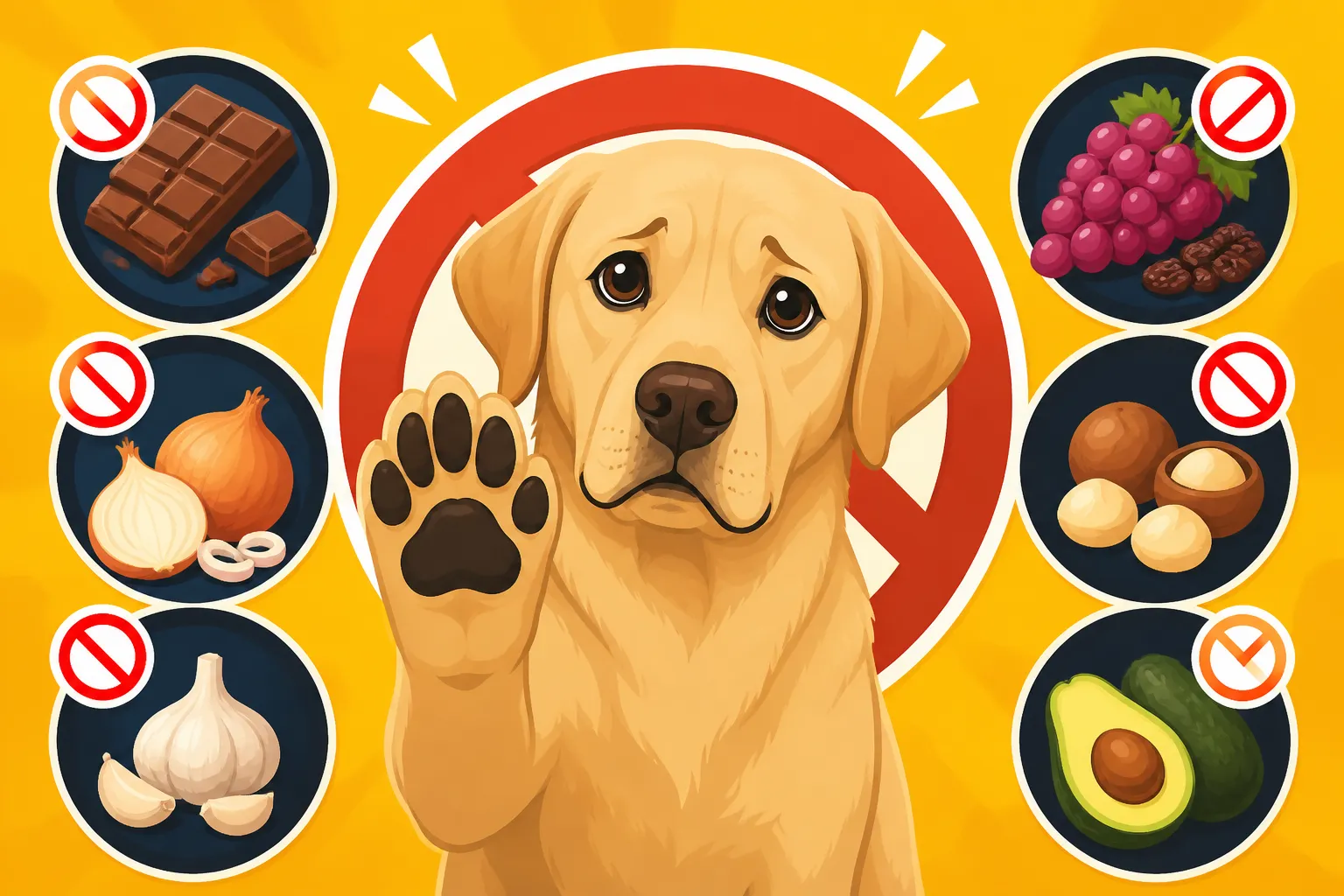
This is perhaps the most well-known dangerous food, and for good reason. Chocolate, coffee, and other caffeinated products contain compounds called methylxanthines, primarily theobromine and caffeine. While humans can metabolize these quickly, dogs process them much more slowly, leading to a buildup of toxic levels in their system.
The severity of chocolate poisoning depends on the type of chocolate and the amount consumed relative to your Labrador's weight. Dark chocolate, baking chocolate, and cocoa powder are the most dangerous because they contain the highest concentrations of theobromine. Milk chocolate has less, and white chocolate has very little, but any amount can still cause issues, especially in sensitive dogs. Imagine your Lab gobbling down a bar of dark chocolate that fell off the counter – that's a rapid trip to the emergency vet. Symptoms can range from mild gastrointestinal upset like vomiting and diarrhea to hyperactivity, tremors, seizures, and even cardiac arrest in severe cases. You might notice your dog acting unusually restless or panting excessively, which could be early signs of a problem. If you ever find your Labrador has consumed chocolate, especially a significant amount of dark chocolate, don't wait for symptoms to appear; What to Do If a Labrador Eats Chocolate is a critical read.
Grapes and Raisins
This one often catches people by surprise because grapes and raisins seem so innocuous. However, they are incredibly toxic to dogs, and the exact mechanism of their toxicity is still a mystery. What we do know is that even a small amount can lead to acute kidney failure in some dogs, while others might eat a few without issue. This unpredictability makes them exceptionally dangerous.
The symptoms of grape or raisin toxicity can include vomiting, diarrhea, lethargy, dehydration, increased thirst, and decreased appetite. These signs might appear within a few hours or take up to 24-48 hours. As kidney damage progresses, you might see a reduction in urine production. Because there's no known "safe" amount and no reliable way to predict which dog will be affected, it's crucial to treat any ingestion of grapes or raisins as an emergency. Keep them off counters, out of bowls on low tables, and be extra careful around picnic situations. Remember that this includes products like raisin bread or grape jelly. Grapes, Onions and Labrador Emergencies has more details on these urgent situations.
Onions, Garlic, Leeks, and Chives
These all belong to the Allium family and contain compounds that can damage a dog's red blood cells, leading to a condition called hemolytic anemia. This means their body starts destroying its own oxygen-carrying cells. All forms of these vegetables are toxic: raw, cooked, dried, or powdered. That leftover casserole with sautéed onions? A definite no-go for your Labrador.
Symptoms might not appear immediately, often taking a few days to manifest, which can make diagnosis tricky. Look out for lethargy, weakness, pale gums, increased heart rate, rapid breathing, and reddish-brown urine. In severe cases, a blood transfusion might be necessary. It's particularly common for Labradors to get into food scraps, so be mindful of dishes that contain these ingredients. Even small, repeated exposures over time can build up to toxic levels, so it's not just about a single large ingestion. Always assume any food containing these ingredients is off-limits.
Hidden Dangers in Our Pantry and Fridge
Beyond the obvious culprits, there are many other items we keep in our homes that can be seriously harmful to our Labs. These often lurk in unexpected places or are present in forms we might not immediately recognize as dangerous.
Xylitol and Artificial Sweeteners
Xylitol is a sugar alcohol commonly used as a sugar substitute in many "sugar-free" products, including gum, candies, mints, toothpaste, and even some peanut butters. It's also found in certain baked goods, chewable vitamins, and medications. For dogs, xylitol is incredibly toxic, far more dangerous than most owners realize.
When a dog ingests xylitol, it causes a rapid and severe release of insulin from their pancreas, leading to a precipitous drop in blood sugar (hypoglycemia). This can happen within 10-60 minutes and can be life-threatening. Symptoms of xylitol poisoning include vomiting, weakness, staggering, collapse, and seizures. In some cases, especially with larger ingestions, xylitol can also cause acute liver failure. Because it's so potent and acts so quickly, immediate veterinary attention is critical. Always check ingredient labels for "xylitol" or "birch sugar," especially if you're offering your dog a spoonful of peanut butter – it's found in some brands now. This is a perfect example of why Labrador-Proofing a Kitchen isn't just about keeping human food out of reach, but also scrutinizing labels.
Avocado
While an avocado is generally not considered highly toxic to dogs, it does contain a fungicidal toxin called persin. This compound is present in the fruit, pit, leaves, and bark of the avocado tree. For most dogs, particularly Labradors, ingesting the fruit itself might only cause mild stomach upset.
However, the bigger concern with avocados for Labradors is the large pit. If swallowed, the pit can cause a dangerous obstruction in the esophagus, stomach, or intestines. Given a Labrador's propensity to gulp down anything, a whole avocado pit is a serious choking hazard or intestinal blockage waiting to happen. Imagine your Lab finding a dropped avocado and trying to swallow it whole – the pit is perfectly sized to get stuck. So, while a tiny bit of avocado flesh might not hurt, it's best to keep avocados completely away from your dog to prevent accidental pit ingestion and avoid any potential for gastrointestinal upset.
Alcohol
Any type of alcohol – beer, wine, liquor, and even alcohol-containing foods or raw bread dough – is toxic to dogs. Dogs are much more sensitive to ethanol than humans, and even small amounts can cause significant problems. Their smaller size and different metabolism mean they can reach toxic blood alcohol levels much faster.
Symptoms of alcohol poisoning in dogs mirror those in humans: vomiting, diarrhea, incoordination, central nervous system depression, tremors, difficulty breathing, and a dangerous drop in body temperature. In severe cases, it can lead to coma and death. Raw bread dough is a particular concern because the yeast ferments in the warm, moist environment of the dog's stomach, producing alcohol and carbon dioxide. This not only causes alcohol poisoning but also leads to painful bloating as the dough expands. If your Labrador sniffs out a rising loaf of bread on the counter, it could become a double emergency. Always keep alcoholic beverages and raw dough well out of reach.
Foods That Cause Digestive Upset or Other Health Issues
Not every dangerous food is a direct toxin. Some can cause severe gastrointestinal distress, allergic reactions, or long-term health problems that are just as serious for your Labrador.
Fatty Foods and Cooked Bones
Labradors love rich, fatty foods, but their digestive systems don't always agree. Things like bacon grease, fried chicken skin, or trimmings from a roast can trigger pancreatitis – a painful inflammation of the pancreas. The pancreas is responsible for producing digestive enzymes and insulin, and when it becomes inflamed, it can lead to severe vomiting, diarrhea, abdominal pain, and lethargy. Pancreatitis can be a very serious condition requiring hospitalization and can even be life-threatening. Even a single large fatty meal can be enough to set it off.
Cooked bones, despite being a common image associated with dogs, are incredibly dangerous. Unlike raw bones, which are softer and more pliable, cooked bones become brittle and can splinter easily. These sharp fragments can cause serious damage anywhere along the digestive tract, from lodging in the throat or teeth to perforating the stomach or intestines. They can also cause blockages or severe constipation. Just picture your powerful Labrador crunching down on a cooked steak bone; those splinters could do real harm. Stick to safe, specifically designed chew toys from reputable brands like Chewy or Amazon, and never offer cooked bones.
Yeast Dough
We touched on this briefly with alcohol, but yeast dough warrants its own discussion due to its unique dual threat. When a dog ingests raw yeast dough, the warm, moist environment of their stomach acts like a giant oven. The yeast rapidly ferments, producing ethanol (alcohol) and carbon dioxide gas.
This fermentation process leads to two major problems. First, the expanding dough can cause severe gastric distention, essentially bloat, which is incredibly painful and can lead to a life-threatening condition called Gastric Dilatation-Volvulus (GDV), where the stomach twists. Second, the alcohol produced is absorbed into the bloodstream, leading to alcohol poisoning. Symptoms include a distended abdomen, retching without vomiting, weakness, staggering, and disorientation. This is a true emergency that requires immediate veterinary intervention to deflate the stomach and treat the alcohol toxicity. Because Labradors are so food-driven, they're prime candidates for sniffing out and consuming unattended dough.
Macadamia Nuts
These seemingly harmless nuts can cause a range of symptoms in dogs, though the exact toxic compound and mechanism are unknown. Macadamia nuts can cause weakness, tremors, vomiting, fever, and depression. These symptoms usually appear within 12 hours of ingestion and can last for up to 48 hours.
While rarely fatal, the effects can be extremely uncomfortable and distressing for your Labrador. The good news is that most dogs recover fully with supportive care. However, like with other nuts, there's also a risk of choking, especially for a dog like a Labrador who tends to gulp rather than chew thoroughly. Furthermore, macadamia nuts are very high in fat, which can also contribute to pancreatitis, especially if consumed in large quantities. It's best to keep all macadamia nuts and products containing them completely out of reach.
Household Items and Plants That Are Toxic
It's not just food from the kitchen that poses a threat. Many common household items and plants can be just as dangerous, if not more so, especially when a curious or bored Labrador decides to investigate with their mouth.
Medications (Human and Pet)
This is a huge one. Human medications, even common over-the-counter pain relievers, cold medicines, and antidepressants, can be lethal to dogs. A Labrador's metabolism is vastly different from a human's, and drugs that are safe for us can be incredibly toxic for them. For example, a single ibuprofen tablet can cause kidney failure and stomach ulcers in a medium-sized dog. Paracetamol (acetaminophen) can cause liver damage and red blood cell damage.
Even pet medications, while formulated for animals, can be dangerous if taken in incorrect doses or by the wrong pet. A dog might accidentally consume a cat's medication, for instance. Your Labrador, with their strong scavenging instincts, might chew through a pill bottle dropped on the floor. It's not uncommon for a Lab to grab a dropped tablet faster than you can react. Always keep all medications, both human and pet, in secure, elevated cabinets or containers that your Labrador cannot access. Child-proof caps aren't always dog-proof. When you administer medication, ensure no pills are dropped and that your dog doesn't have access to the bottle afterward.
Common Houseplants
Many beautiful and popular houseplants are toxic to dogs. While a Labrador might not typically snack on a houseplant, a bored puppy or an adult with Pica (a craving for non-food items) might give it a try. Common culprits include:
- Lilies: Highly toxic, especially to cats, but can cause gastrointestinal upset and other issues in dogs.
- Sago Palm: Extremely poisonous. All parts of the plant are toxic, with the seeds (nuts) containing the highest concentration of the toxin cycasin. Ingestion can cause severe vomiting, diarrhea, liver failure, and death.
- Azaleas and Rhododendrons: Contain grayanotoxins, which can disrupt skeletal muscle, cardiac muscle, and nerve function. Symptoms include vomiting, diarrhea, drooling, weakness, tremors, seizures, and cardiovascular problems.
- Tulips and Hyacinths (bulbs): The bulbs are the most toxic part and can cause severe gastrointestinal irritation, excessive drooling, loss of appetite, and heart rate changes.
- Philodendron and Pothos: Contain calcium oxalate crystals, which can cause intense burning and irritation of the mouth, tongue, and throat, leading to drooling, vomiting, and difficulty swallowing.
It's a good idea to research any plants you bring into your home or have in your yard to ensure they are pet-safe. If you suspect your Labrador has ingested a toxic plant, take a sample of the plant with you to the vet.
What to Do in a Poisoning Emergency
When your Labrador eats something dangerous, time is often of the essence. Knowing what steps to take can make a critical difference in the outcome.
Immediate Action Steps
The very first thing you should do is remain calm, as difficult as that may be. Panic won't help your Labrador. Next, identify what your Labrador ate, how much of it, and when they ate it. This information is vital for your veterinarian.
- Collect Evidence: Gather any packaging, wrappers, or remnants of the ingested substance. If it was a plant, try to get a sample. This helps the vet identify the specific toxin and estimate the amount.
- Call Your Vet or an Emergency Pet Poison Helpline Immediately: Do not wait for symptoms to appear. Many toxins work quickly, and early intervention is crucial. Your regular vet might not be open, so have the number for your nearest emergency animal hospital handy. They will advise you on whether to induce vomiting, how to do it safely (if appropriate), or if you need to head straight to the clinic. Do not try to induce vomiting without professional guidance, as it can sometimes do more harm than good, especially with certain toxins or if your dog is already showing severe symptoms.
- Follow Instructions: Carefully listen to and follow all instructions given by the veterinary professionals. They might ask you to observe your dog closely or to transport them to the clinic immediately.
It’s always better to overreact and get professional advice than to wait and have a minor incident turn into a life-threatening one.
Preparing for Emergencies
Being prepared means having key information and supplies readily available. This isn't just about having a first-aid kit, but also having a plan in place.
- Emergency Contact List: Keep a list of your regular vet's number, the nearest 24-hour emergency vet clinic, and a pet poison control hotline readily accessible. Stick it on the fridge or save it in your phone contacts under "Emergency Vet."
- Pet First Aid Kit: Include items like activated charcoal (only to be used under veterinary direction), hydrogen peroxide (for inducing vomiting, again, only under vet guidance), old towels, gauze, and a muzzle (even the sweetest Lab might bite when in pain or panic).
- Financial Preparedness: Emergency vet bills can be substantial. Having an emergency fund specifically for your Labrador, or pet insurance, can ease the financial burden during a stressful time. How Big an Emergency Fund a Labrador Needs offers great advice on this.
- Know Your Dog's Baseline: Be familiar with your Labrador's normal behavior, appetite, and energy levels. This makes it easier to spot subtle changes that might indicate they've ingested something harmful. Regularly checking their gums for color, feeling their abdomen, and monitoring their thirst are good habits.
Preventing Accidental Ingestion
Prevention is always the best cure. Given a Labrador's strong drive to eat, and their considerable intelligence when it comes to finding food, you need to be proactive and consistent.
Labrador-Proofing Your Home and Yard
Your home might seem safe, but a Labrador sees the world as one big snack bar. It's about thinking like your dog – where would they look for food, and how could they get to it?
- Secure Food Storage: All human food should be stored in cupboards, pantries, or refrigerators that your Labrador cannot open. Consider child locks on lower cabinets if your Lab is particularly adept at prying things open. Never leave food unattended on countertops, even for a moment. A long-bodied Lab can reach surprisingly high. Put away groceries immediately.
- Trash Cans: Invest in sturdy, Labrador-proof trash cans with secure lids or pedal mechanisms that your dog can't operate. Even better, keep them inside a locked pantry or garage if possible. Labradors are notorious trash divers.
- Medication and Chemical Safety: Keep all medications (human and pet), cleaning supplies, pesticides, and automotive fluids locked away in high cabinets or secure containers. A spilled bottle of antifreeze, which can taste sweet, is incredibly toxic.
- Plant Management: Identify and remove any toxic houseplants or garden plants. If removal isn't an option, ensure they are in areas completely inaccessible to your Labrador. Consider barriers or hanging baskets.
- Yard Security: Ensure your yard is securely fenced to prevent your Labrador from escaping and potentially finding toxic items in neighbors' yards or on walks. Check for any gaps in the fence a determined Labrador might exploit.
For more detailed advice on making your home safe, check out Labrador-Proofing a Kitchen.
Training and Supervision
While physical barriers are essential, training and consistent supervision add another layer of protection.
- "Leave It" Command: This command is invaluable. Practice it diligently with various distractions. A solid "leave it" can prevent your Labrador from picking up a dropped pill, a suspicious mushroom in the yard, or a piece of discarded food on a walk. Start in a low-distraction environment and gradually increase the challenge.
- "Drop It" Command: Equally important, this command teaches your Labrador to release anything they have in their mouth. This is crucial if they've already grabbed something dangerous. Practice with toys and safe items, making it a positive experience where they trade for a high-value treat.
- Leash Management: When on walks, always keep your Labrador on a leash, especially in areas where you might encounter discarded food, garbage, or unknown plants. This allows you to have immediate control and intervene if they spot something interesting on the ground.
- Supervised Feeding: Always feed your Labrador their meals and approved treats in their designated bowl. Avoid feeding them from the table or allowing them to "clean up" dropped human food. This reinforces good habits and reduces the likelihood of them attempting to steal food. Even when offering safe human foods, like a bit of plain cooked chicken, make sure it's in their bowl and not off your plate. Some fresh dog food brands like Ollie emphasize transparent ingredients, which can be helpful if you want to know exactly what your dog is eating.
| Dangerous Food/Item | Primary Hazard | Common Symptoms | Severity |
|---|---|---|---|
| Chocolate/Caffeine | Methylxanthines (Theobromine) | Vomiting, diarrhea, hyperactivity, tremors, seizures, heart problems | Moderate to Severe (can be fatal) |
| Grapes/Raisins | Unknown Toxin | Vomiting, lethargy, dehydration, kidney failure | Severe (can be fatal) |
| Onions/Garlic/Leeks | Thiosulphates | Lethargy, weakness, pale gums, rapid breathing, reddish urine, anemia | Moderate to Severe (over time or large dose) |
| Xylitol | Rapid Insulin Release | Vomiting, weakness, staggering, collapse, seizures, liver failure | Extremely Severe (life-threatening) |
| Avocado (Pit) | Choking, Intestinal Obstruction | Vomiting, abdominal pain, lethargy (if obstructed) | Moderate to Severe (due to obstruction) |
| Alcohol/Yeast Dough | Ethanol, Gas Expansion | Vomiting, incoordination, central nervous system depression, bloat, seizures | Extremely Severe (life-threatening) |
| Cooked Bones | Splintering, Choking, Obstruction | Choking, vomiting, constipation, abdominal pain, internal damage | Moderate to Severe (can require surgery) |
| Macadamia Nuts | Unknown Toxin | Weakness, tremors, vomiting, fever, depression | Moderate |
| Human Medications | Various Toxic Compounds | Varies widely by drug (e.g., kidney failure, liver damage, seizures) | Extremely Severe (often fatal) |
| Toxic Plants | Various Plant Toxins | Vomiting, diarrhea, mouth irritation, organ damage, seizures | Varies by plant (can be fatal) |
Remember, your Labrador relies on you to keep them safe. Their love for food is powerful, but your vigilance is even stronger!
Disclaimer
This article is for general informational purposes only and does not constitute professional advice. Laws, prices and regulations vary by location and change over time. Consult a qualified professional for guidance on your specific situation.