Labrador Tasks in Guide Dog Programs
It’s a truly humbling experience to watch a guide dog at work, seamlessly navigating a busy street or patiently waiting at a crosswalk. Most of us understand that these incredible Labradors help people who are blind or visually impaired get around, but what exactly are the specific tasks they perform day in and day out? It's far more complex than simply walking a straight line; these dogs are trained to make countless critical decisions, ensuring the safety and independence of their human partners. This guide will delve into the precise tasks Labradors are taught in guide dog programs, shedding light on the immense skill, intelligence, and dedication required to master such a vital role.
The Foundation of a Guide Dog: Temperament and Early Training
Before a Labrador can ever don a harness and guide a human, they must possess a very specific set of inherent traits and undergo rigorous foundational training. It’s not just about being smart; it’s about being calm, resilient, and utterly devoted. Think about the incredible responsibility they carry—this isn't a job for just any dog, no matter how clever or loving.
Temperament for Service Work
A guide dog needs to be unflappable. Imagine navigating a bustling city center, a loud airport, or a crowded store. A dog that is easily startled, anxious, or reactive would be a danger to its partner. Therefore, guide dog organizations look for specific temperament traits: calmness under pressure, courage without aggression, and a strong desire to please. They need to be confident but not headstrong, independent enough to make critical decisions but always attuned to their handler. This innate disposition is often assessed very early, even in puppyhood. They also need to be incredibly tolerant and patient, as their working life will put them in situations with all sorts of distractions, from curious children to other dogs, and they must maintain focus. The breed's natural Labrador Temperament and Personality lends itself well to this kind of work, but even within Labradors, not every dog has what it takes.
Puppy Raising and Early Socialization
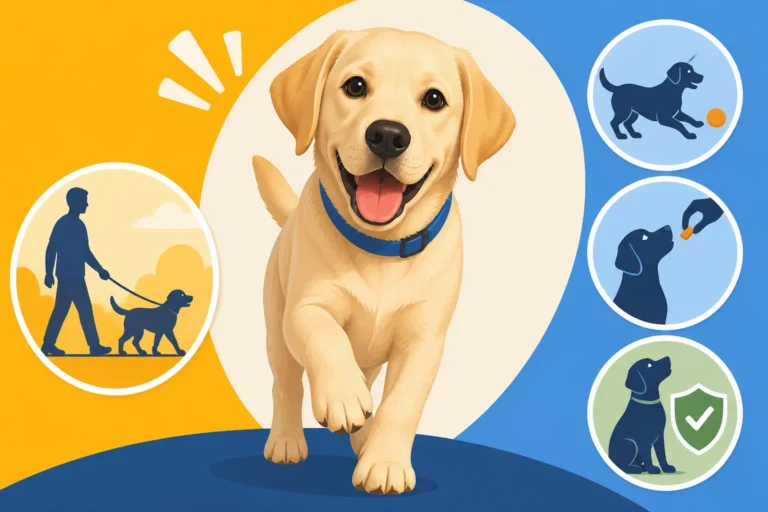
The journey of a guide dog starts long before formal training begins, often with dedicated volunteer puppy raisers. These selfless individuals take puppies into their homes for the first year or so, providing crucial Socializing a Labrador Puppy experiences. This isn't just about cuddles and potty training; it’s about exposing the puppy to every conceivable sight, sound, and smell they might encounter in public life. Think about it: elevators, escalators, bustling supermarkets, busy streets, public transport, noisy construction sites, and different types of flooring. The goal is to build a supremely confident and well-adjusted dog that sees the world as a safe and navigable place, rather than something to fear. Many programs provide puppy raisers with structured curricula, sometimes even online resources like those offered by BAXTER & Bella, to ensure consistent and effective early learning.
Basic Obedience and Manners
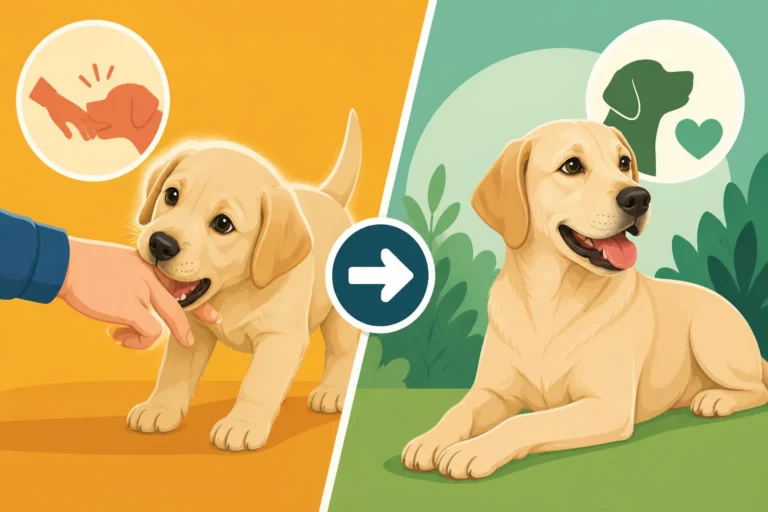
Even a dog destined for advanced guide work needs impeccable basic manners. Before a Labrador can guide its partner through a crowded intersection, it must first master commands like "sit," "stay," "down," and "come" reliably in any environment. Loose-leash walking is paramount; a guide dog cannot be pulling its handler, even when not in harness. They need to understand how to settle calmly in public places, remaining quiet and unobtrusive under tables at restaurants or beside seats on buses. Training a Labrador From Puppy to Adult is a long process, but these early obedience lessons form the bedrock upon which all future guide tasks are built. Without a solid foundation of control and communication, the complex tasks of guiding would be impossible.
Core Tasks: Navigating Obstacles and Guiding Safely
This is where the magic truly happens, where the Labrador transforms from a well-behaved pet into an indispensable tool for independence. The tasks here are about safely moving through the world, avoiding danger, and reaching desired destinations. It's a dance of trust and communication, where the dog acts as both eyes and a four-legged safety buffer.
Intelligent Disobedience
Perhaps the most remarkable skill a guide dog possesses is "intelligent disobedience." This means that the dog is trained to disobey a command from its handler if obeying would put them in danger. For instance, if a handler commands "forward" into what appears to be an open path, but the dog sees an overhead obstruction (like a low-hanging tree branch or scaffolding that the human partner cannot perceive), the dog will stop. It's a moment of incredible judgment, where the dog weighs the command against the perceived risk and chooses safety. This isn't stubbornness; it's a finely honed survival instinct, cultivated through months of dedicated Labrador Intelligence and Trainability and trust-building exercises. It ensures the team's safety in dynamic and unpredictable environments.
Navigating Crowds and Traffic
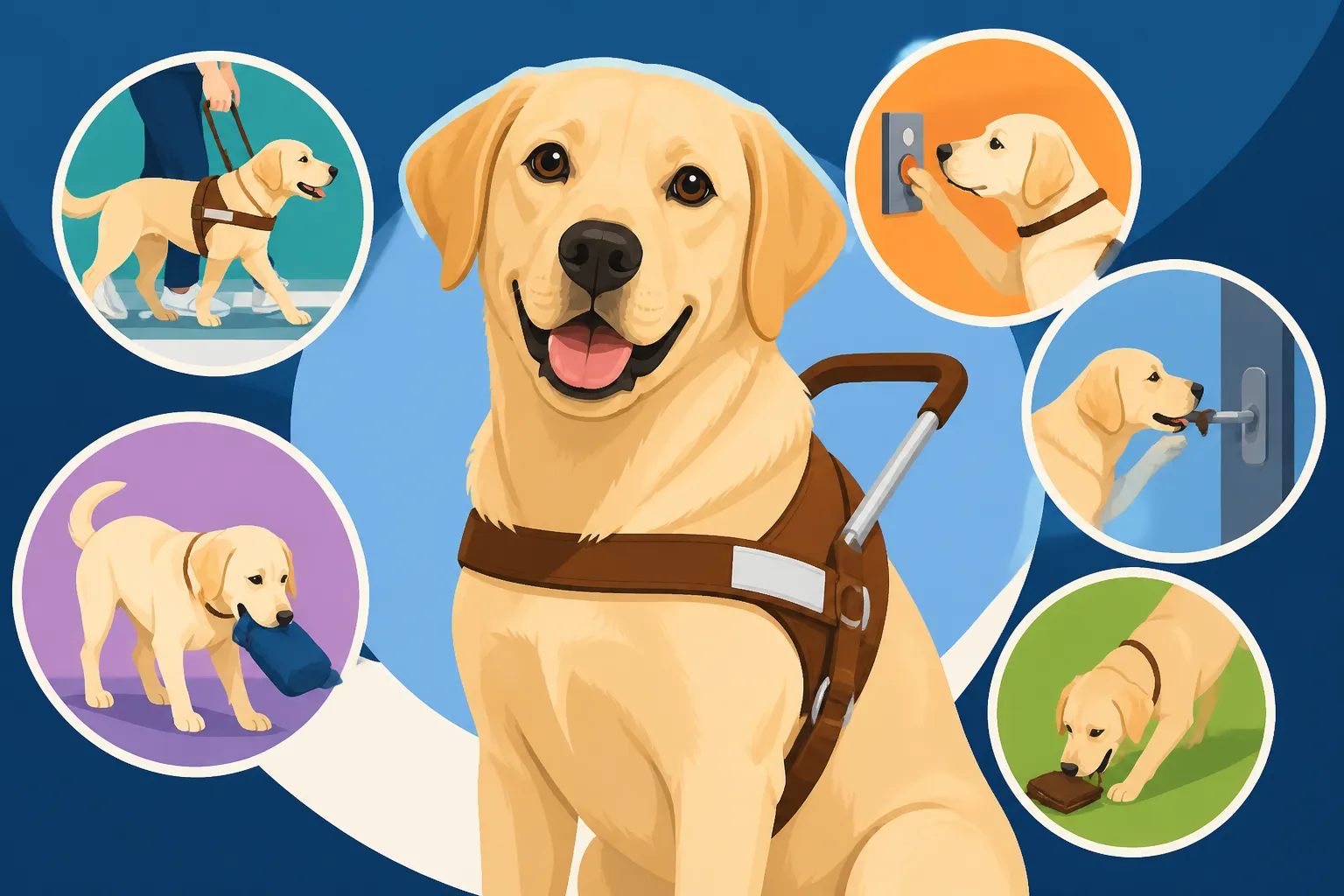
Imagine walking through a packed mall during holiday season or a busy metropolitan street at rush hour. A guide dog is trained to navigate these challenging environments, avoiding collisions with people, objects, and even other dogs. They learn to guide their handler around obstacles, creating a safe buffer zone, and to stop at curbs or stairs, indicating changes in elevation. When crossing streets, they are taught to ignore traffic unless given a specific command, listening for the "all clear" from their handler, but remaining vigilant for moving vehicles. This involves incredible focus, which is why Loose Leash Walking With a Labrador is one of the earliest and most critical skills they master. They aren't just walking; they're actively scanning, anticipating, and reacting to their surroundings for two.
Finding Destinations and Objects
Guide dogs learn to "find" specific locations or items on command. A handler might say "find the door" or "find the chair," and the dog will lead them to the nearest appropriate object. This is immensely helpful in unfamiliar environments or large buildings. They can also be taught to find specific landmarks, like a particular bus stop or the entrance to a familiar store. This task involves a keen understanding of spatial relationships and memory. While they don't read signs, they remember routes and associate verbal cues with specific turns or destinations. This is often practiced repeatedly, with trainers using various scenarios and environments, sometimes even utilizing gear easily found on Amazon like extended leashes for long-line practice, to solidify these associations.
Advanced Tasks: Specific Situations and Problem-Solving
Beyond the core functions, guide dogs also learn a suite of advanced skills that enable their handlers to live full, independent lives. These tasks often involve complex problem-solving and adapting to unexpected challenges.
Public Access and Etiquette
A guide dog must maintain impeccable behavior in all public settings. This means no barking, no jumping, no sniffing merchandise, and no engaging with other patrons or animals unless specifically allowed. They understand that their harness is a signal of their working status and that they must remain focused. They are trained to lie quietly at their handler’s feet in restaurants, under desks at work, or in tight spaces on public transport. This level of self-control is exceptional and requires extensive training, often in simulated environments before moving to real-world scenarios. It’s part of ensuring the partnership operates smoothly and respectfully within society, allowing the handler unrestricted access to public spaces.
Emergency Procedures
While we hope they are never needed, guide dogs are also trained for certain emergency situations. They can be taught to help their handler find a safe exit in a building, locate an emergency call box, or even stay put and bark for help if their handler falls or becomes disoriented. The goal is to empower the handler with an extra layer of safety and confidence, knowing their dog can assist when things go wrong. These scenarios are rehearsed carefully, starting with simple versions and gradually adding complexity, ensuring the dog understands the urgency and correct response. The bond of trust built over time is crucial for these high-stakes moments.
Handling New Environments
One of the biggest challenges for a visually impaired person is navigating unfamiliar places. Guide dogs are trained to adapt quickly to new environments, from different cities with new traffic patterns to completely novel buildings. They learn to generalize their skills, applying the principles of safe navigation, obstacle avoidance, and finding destinations regardless of the specific setting. This adaptability is key to their partners' freedom to travel and explore. For example, if a handler regularly uses online platforms like BAXTER & Bella for refresher courses or new training modules, they can sometimes incorporate tips for exposing their dogs to different environmental stimuli safely, even if it's just a new walking route in their own neighborhood.
Life Beyond the Harness: The Guide Dog's Role in a Person's Life
The relationship between a guide dog and its handler is much more than a working partnership; it's a profound bond of companionship, trust, and mutual reliance. These dogs become family, deeply integrated into their partners' daily existence.
Partnership and Bonding
The success of a guide dog team hinges on an incredibly strong bond and clear communication. Handlers learn to interpret their dog’s subtle signals—a slight pull of the harness, a pause, a shift in weight—which convey crucial information about their surroundings. Likewise, the dog learns to anticipate its handler’s movements and intentions. This deep connection is fostered through daily interactions, consistent care, and shared experiences. It's a constant dialogue without words, built on trust and understanding. The dog isn't just a piece of equipment; it's a living, breathing partner that shares every step of life's journey. Many handlers speak of their guide dog as their "other half," a testament to this unique and powerful connection. For more about this, you might explore Labradors in Service and Detection Work.
Retirement and Legacy
Even guide dogs eventually retire, typically around 8 to 10 years of age, or when their physical abilities begin to decline. This decision is often heartbreaking but necessary to ensure the dog's well-being and the handler's safety. Many retired guide dogs remain with their handler as beloved pets, or they might be adopted by the puppy raiser or another loving family member. Their working life might be over, but their legacy of service, companionship, and the profound impact they've had on their partner's life continues. The transition for a handler can be challenging, as they must adjust to a new dog and re-establish that unique bond, knowing that each dog brings its own personality and guiding style. Organizations also sometimes offer support and resources during this period, recognizing the emotional toll of saying goodbye to a working partner.
Here’s a summary of common guide dog tasks and their purpose:
| Task Category | Specific Tasks | Purpose |
|---|---|---|
| Navigation & Safety | Lead in a straight line, avoid obstacles (overhead & ground) | Safe and efficient travel, preventing collisions and injuries |
| Stop at curbs, stairs, ramps, open doors | Indicate changes in elevation, navigate transitions smoothly | |
| Intelligent Disobedience | Prioritize safety over handler's command when danger is present | |
| Negotiate crowds, narrow passages, traffic | Maintain clear path, provide buffer from others, cross streets safely | |
| Directional & Object | "Find" doors, chairs, counters, specific routes | Locate desired objects or landmarks, assist in unfamiliar environments |
| "Left," "Right," "Forward," "Back" | Follow directional commands, adjust course as needed | |
| Behavioral & Public | Settle quietly, ignore distractions | Maintain calm demeanor in public, ensure acceptance in various settings |
| Public access etiquette (no begging, jumping) | Respect public spaces, allow handler full access without issue | |
| Support & Emergency | Alert to sounds (e.g., specific calls, alarms) | Enhance handler's awareness of surroundings (though less common in guide dogs) |
| Locate emergency exits or assistance | Provide critical aid in unexpected or dangerous situations | |
| Maintain focus despite environmental stimuli | Ensure consistent performance under varied and challenging conditions |
The training involved in developing a guide dog is an intense, year-long commitment, building upon the innate qualities of the Labrador Retriever. It's truly inspiring to witness the dedication of these dogs and the people who train them, all working towards a goal of enhancing human independence. Understanding Labrador Life Expectancy by Line helps organizations plan for these dedicated dogs' working careers and eventual retirement.
Disclaimer
This article is for general informational purposes only and does not constitute professional advice. Laws, prices and regulations vary by location and change over time. Consult a qualified professional for guidance on your specific situation.