Why a House-Trained Labrador Regresses
House training regression in Labradors explains medical conditions, urinary tract infections, and behavioral triggers causing indoor accidents.
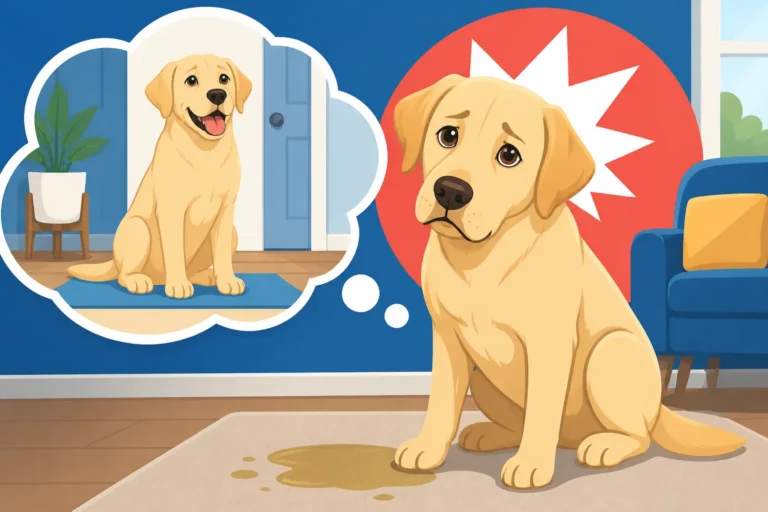
House training regression in Labradors explains medical conditions, urinary tract infections, and behavioral triggers causing indoor accidents.
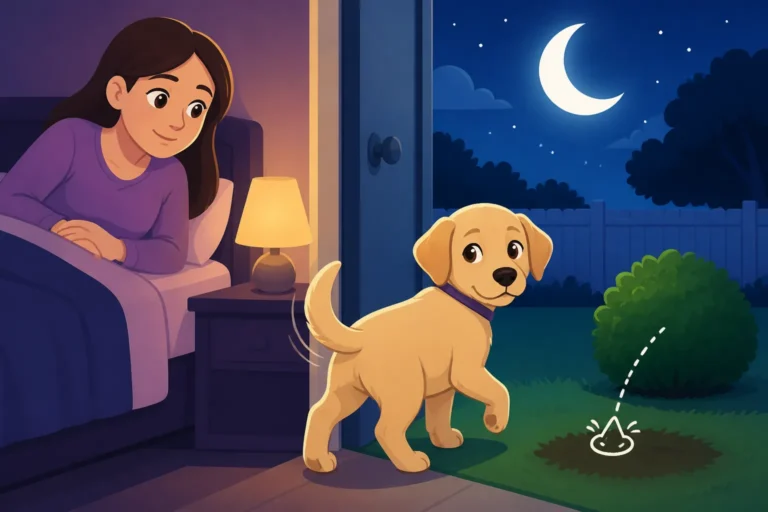
Overnight potty breaks for a Labrador puppy require managing small bladders and age-based capacity to prevent accidents.
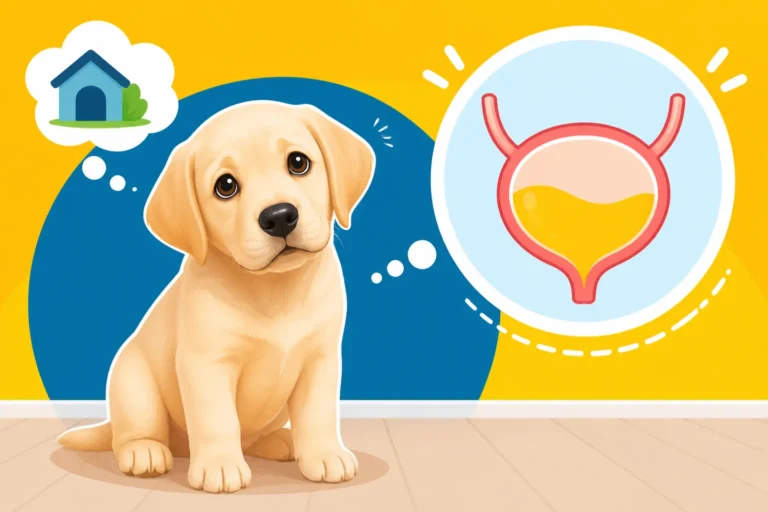
Labrador puppy bladder control guidelines based on age help owners plan realistic potty training schedules with two to three hours.
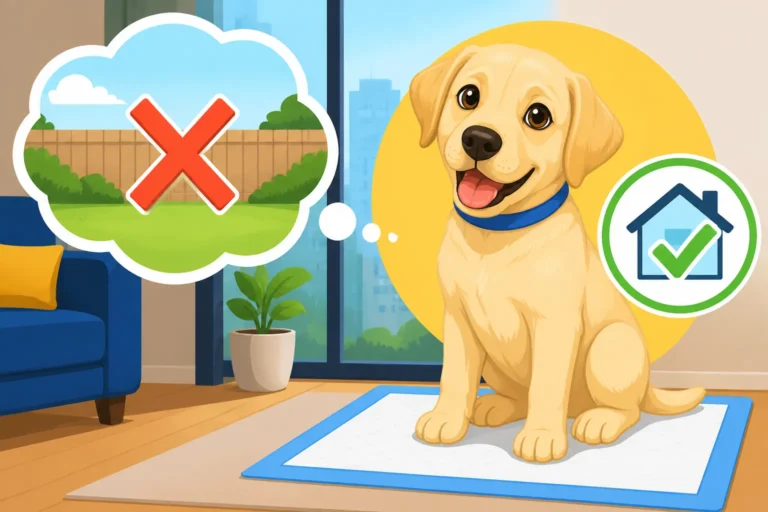
Potty training a Labrador Retriever without a traditional yard involves navigating the puppy natural energy levels and urban challenges.
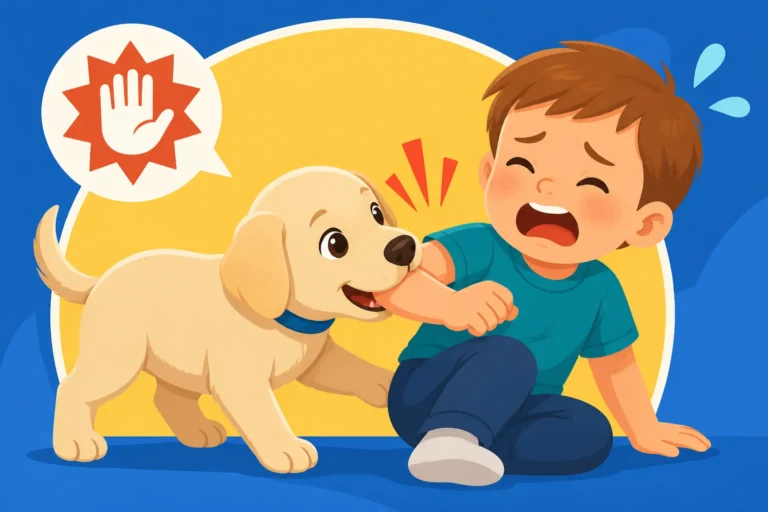
Labrador puppy nipping habits explained, detailing natural mouthing instincts and methods to stop biting behaviors toward small children.
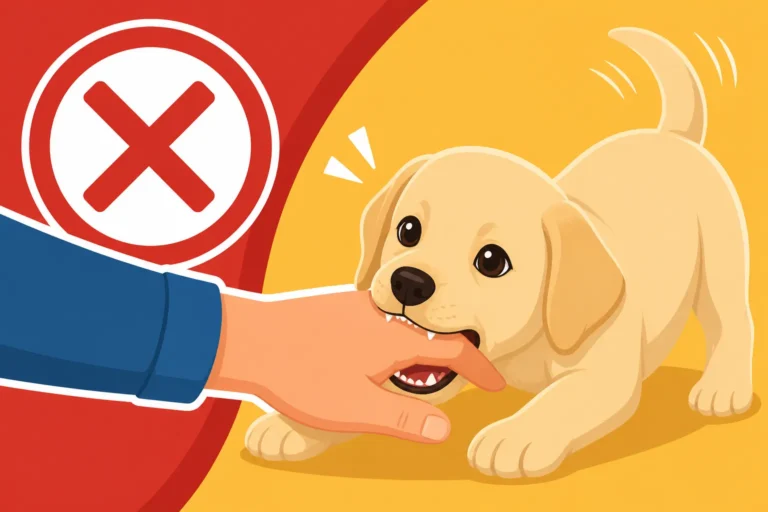
Common mistakes owners make when a Labrador puppy bites, plus the instinctual teething and play reasons behind the behavior.
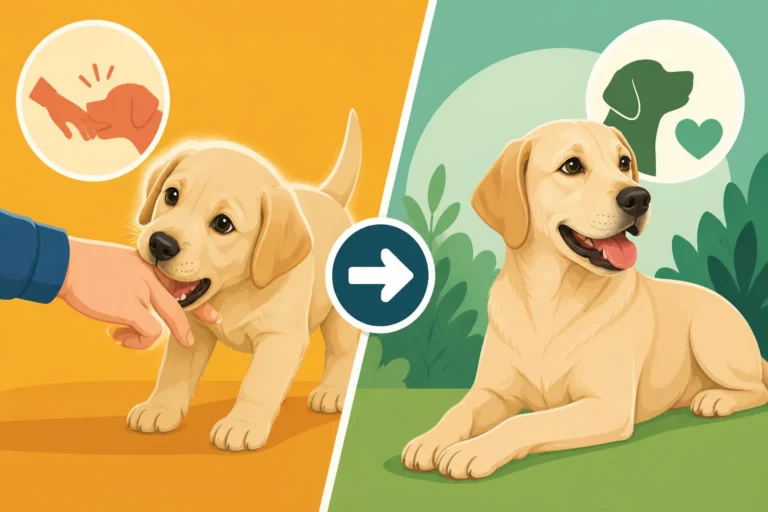
Labrador puppy mouthing and teething timelines, plus practical methods to reduce biting between eight weeks and seven months.
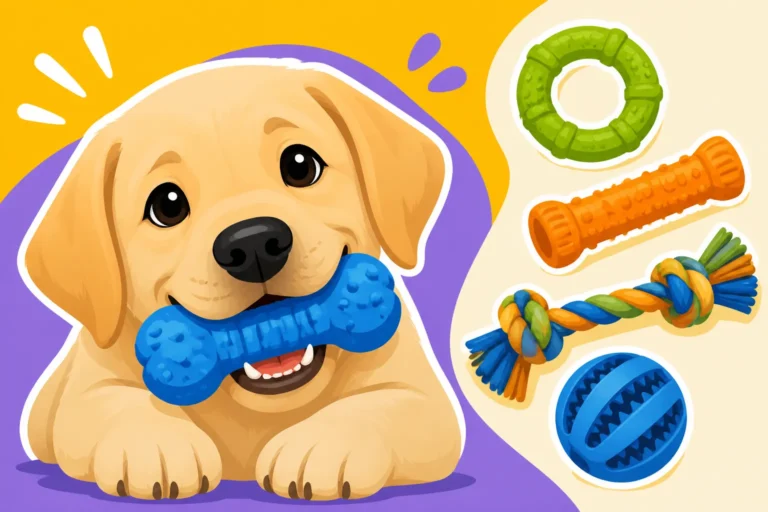
Teething Labrador puppies require safe toys to survive intense chewing instincts and protect your home during the peak adult teeth growth stage.
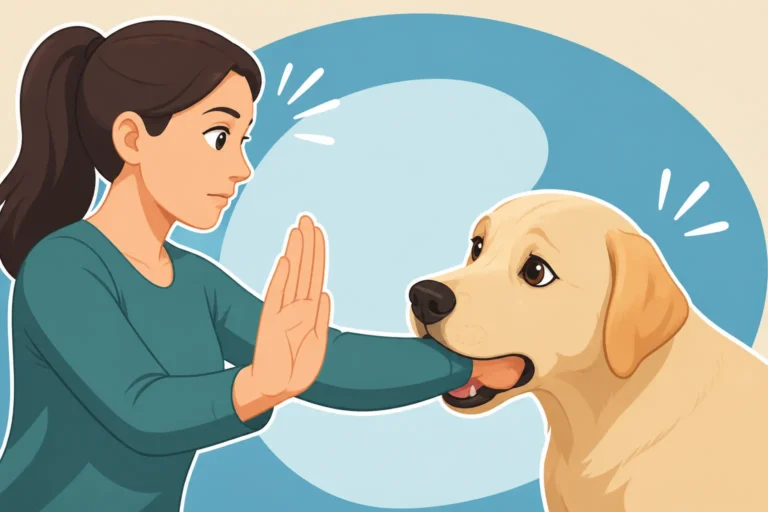
Freezing for ten seconds when a Labrador puppy mouths your hand teaches bite inhibition and stops sharp nipping during teething.
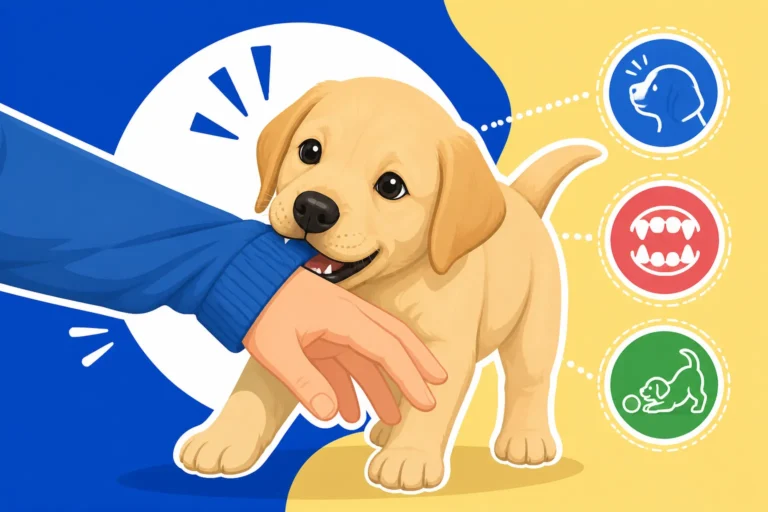
Labrador puppy biting stems from natural exploration, teething pain, and play communication, alongside methods to stop nipping.