Why a Neutered Labrador Gains Weight
It’s a situation many Labrador owners know all too well: your once lean, active pup comes home from their spay or neuter surgery, and before you know it, those subtle changes start appearing. That trim waistline begins to soften, the energetic leaps become a little less frequent, and suddenly, you’re looking at a dog who seems to be gaining weight without any obvious increase in food. This guide will walk you through exactly why neutered Labradors are so prone to weight gain and, more importantly, what you can do to keep your beloved companion healthy and trim.
The Hormonal Shift After Neutering
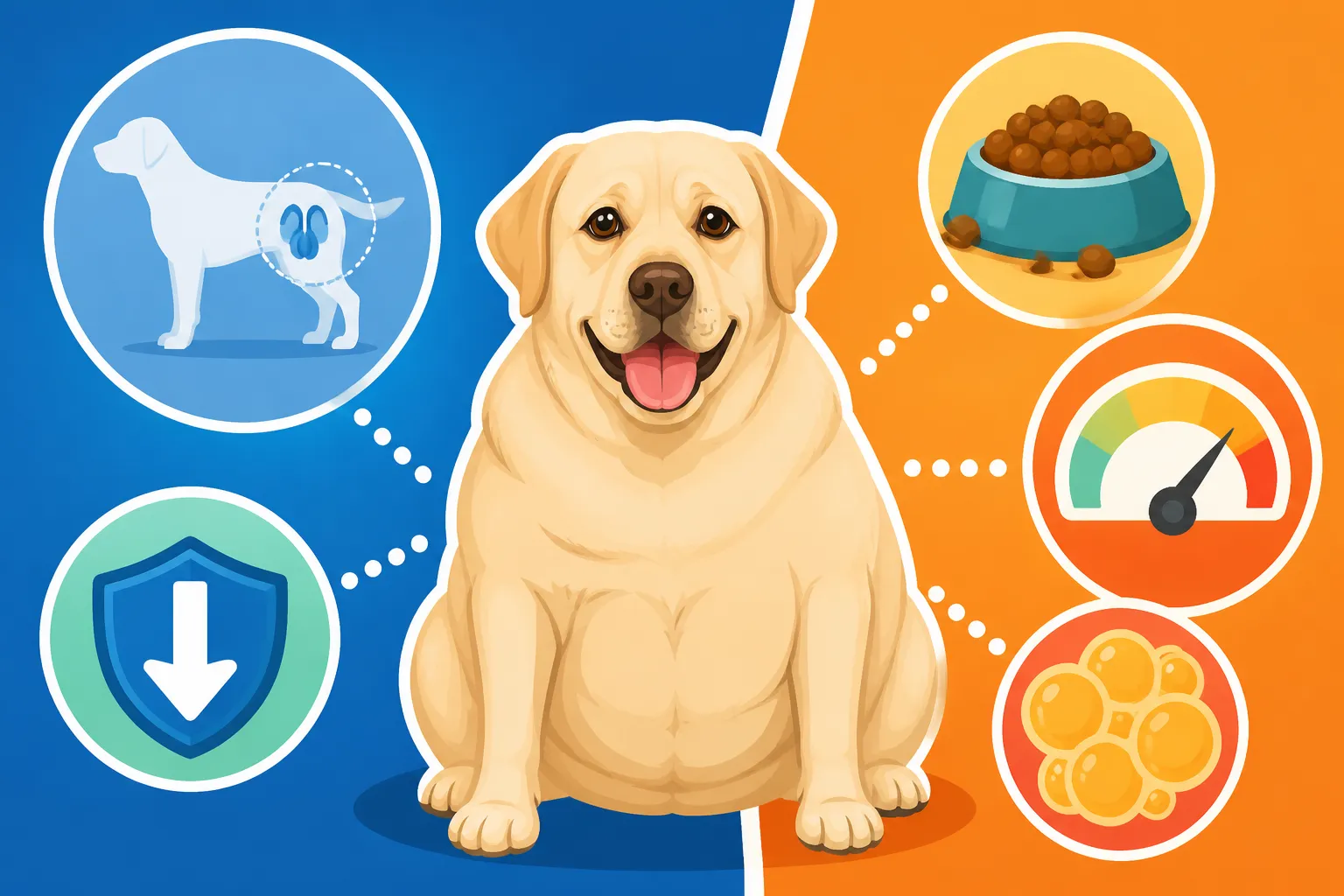
When a Labrador is spayed or neutered, it's not just a minor procedure; it's a significant alteration to their endocrine system. Their bodies, which once produced a steady stream of sex hormones, are now operating in a very different landscape. This hormonal shift is one of the primary reasons why weight gain can become such a challenge. It's not just about removing the reproductive organs; it's about the ripple effect throughout their entire metabolism.
Understanding Estrogen and Testosterone's Role
Before neutering, your male Labrador produces testosterone, and your female Labrador produces estrogen. These hormones play a much broader role than just reproduction. In males, testosterone contributes to maintaining muscle mass and a higher metabolic rate. It's part of what keeps them feeling energetic and helps their bodies burn calories more efficiently, even at rest. Think of it as a natural internal furnace.
For females, estrogen also has a hand in metabolic regulation and appetite control. It influences how their bodies store fat and utilize energy. When these hormone sources are removed during spaying or neutering, the body loses these natural regulators. It's like turning down the thermostat on that internal furnace; the body still needs fuel, but it's not burning it as hot or as fast as it used to. This fundamental change is the bedrock upon which subsequent weight gain often builds, making it an uphill battle if not addressed proactively.
Impact on Hunger and Satiety Signals
Beyond metabolism, these hormones also play a crucial role in signaling hunger and satiety – basically, how hungry your dog feels and when their brain tells them they’re full. Estrogen, for example, has been linked to increased sensitivity to leptin, a hormone that tells the brain when the body has enough fat stores and to suppress appetite. Without it, that "I'm full" signal might not be as strong or as quick to arrive.
Similarly, changes in hormone levels can affect ghrelin, the "hunger hormone," potentially leading to increased appetite. This means your neutered Labrador might genuinely feel hungrier more often, or they might not feel satisfied after a meal that previously would have been perfectly adequate. It's not just them being greedy; their internal chemistry is literally telling them they need more food. This can be incredibly frustrating for owners who are trying to maintain a consistent feeding schedule, as their dog's persistent begging can feel like a direct challenge, when in reality, it's often a biological response to these profound hormonal shifts. It's a key factor in Why Labradors Gain Weight So Easily.
Changes in Metabolism and Energy Needs
The hormonal changes don't operate in a vacuum; they directly influence your Labrador's basal metabolic rate and overall energy expenditure. These are the engines that burn calories, and after neutering, those engines tend to downshift. It's not just a subtle tweak; it's a noticeable reduction in the amount of fuel their body needs to simply exist, let alone thrive.
Decreased Basal Metabolic Rate
Your Labrador's basal metabolic rate (BMR) is the number of calories their body burns at rest to perform basic life-sustaining functions, like breathing, circulating blood, and maintaining body temperature. Think of it as the minimum energy requirement just to keep the lights on. Post-neutering, due to the absence of those sex hormones, a dog's BMR can decrease significantly – sometimes by as much as 20-30%.
This means if your Labrador was burning 1000 calories a day just by existing before surgery, they might only burn 700-800 calories for the same activities afterward. If their food intake isn't adjusted to match this lower metabolic rate, those extra calories are stored as fat. Many owners continue feeding the same quantity of food they did before neutering, unknowingly setting their dog up for steady weight gain because the energy equation has fundamentally changed. It’s a common pitfall that requires a conscious effort to adjust.
Reduced Activity Levels Post-Surgery
While the hormonal changes directly affect metabolism, the immediate aftermath of surgery often leads to a period of reduced activity. Your vet will likely recommend limited exercise for a week or two to allow the incision to heal. This initial period, while necessary for recovery, can unfortunately set a precedent. Some dogs might feel less inclined to engage in high-energy play for a while, or owners might subconsciously become more cautious about pushing them.
Over time, this can sometimes lead to a more sedentary lifestyle becoming the new norm. If your Labrador isn't running as much, isn't playing as vigorously, or simply isn't moving around as much in the house, they're burning fewer calories throughout the day. This is particularly noticeable in Labradors, who are known for their exuberance. A small, consistent decrease in daily activity, coupled with a lowered BMR, creates a double whammy for weight gain. Even a slight reduction in their usual Exercise a Labrador Needs Each Day can have an impact over months.
Nutritional Needs Change
Given the decreased metabolic rate and potentially lower activity levels, it stands to reason that your Labrador's nutritional needs will also change. Continuing to feed a diet formulated for an intact, highly active dog often provides an excess of calories, even if the portions seem reasonable. Their body simply doesn't require the same caloric density it once did.
Many reputable dog food brands offer specific "weight management" or "light" formulas, and some even have options tailored for "spayed/neutered" dogs. These foods are typically lower in calories and fat, but still provide all the necessary nutrients, fiber to promote satiety, and often higher protein to help maintain muscle mass. Switching to one of these formulas, or at the very least, drastically reducing current portions of regular food, is a critical step. Consult with your vet about adjusting your dog's diet, as they can recommend specific brands or provide guidance on exact portion sizes based on your dog's ideal weight and activity level. You might find a good selection of these specialized foods on online pet supply stores like Chewy or Amazon, or even explore fresh food options from services like Ollie which allow for precise calorie control.
| Factor | Pre-Neutering | Post-Neutering | Impact on Weight Gain |
|---|---|---|---|
| Sex Hormones (Testosterone/Estrogen) | High | Low/Absent | Metabolism slows, appetite increases. |
| Basal Metabolic Rate (BMR) | Higher | Lower | Fewer calories burned at rest. |
| Appetite | Regulated | Potentially Increased | Dog feels hungrier, less satisfied. |
| Muscle Mass | Maintained more easily | Harder to maintain | More calories convert to fat. |
| Energy Level | Often Higher | Potentially Lower | Fewer calories burned through activity. |
The Behavioral Side of Weight Gain
It’s not all just biology and hormones! While those play a huge part, there’s also a significant behavioral component to why neutered Labradors tend to pack on the pounds. Our beloved Labradors are famously food-motivated, and sometimes, our own habits as owners can inadvertently contribute to the problem.
Increased Appetite and Food-Seeking
Let's be honest, Labradors are often driven by their stomachs. Even before neutering, many Labradors possess a legendary capacity for food, an insatiable desire to Hoover up anything edible. After neutering, with those hormonal shifts we discussed leading to genuine increases in hunger and altered satiety signals, this food drive can become even more pronounced. Your dog might start begging more intensely, trying to sneak food off counters, or becoming even more vigilant about dropped crumbs.
It’s easy to feel guilty when your dog gives you those soulful, pleading eyes, especially if they genuinely seem hungrier. This can lead to owners inadvertently giving in more often – a little extra kibble here, a few more treats there, sharing bits from their plate. These small additions, seemingly innocent on their own, quickly add up when your dog's metabolic needs are reduced. It’s a classic case of What the POMC Deletion Does to Appetite, where their genetics combined with hormonal changes create a perfect storm for weight gain. You might even notice them becoming more adept at counter surfing or scavenging, leading to concerns about them eating things they shouldn't.
Comfort Eating and Boredom
Just like humans, dogs can sometimes eat out of boredom or for comfort. Labradors, being intelligent and active dogs, need mental and physical stimulation. If their activity levels decrease after neutering, or if their routine becomes less engaging, they might turn to food as a source of entertainment or satisfaction. A bored Labrador often finds solace in seeking out food or pestering their owner for treats.
This isn't to say your dog is intentionally "stress eating," but rather that food-related activities provide a strong positive reinforcement. If they're not getting enough stimulating walks, engaging playtime, or puzzle toys, the pursuit of food becomes an easy, rewarding fallback. It's vital to remember that a tired Labrador is usually a well-behaved Labrador. Ensuring they have plenty of mental enrichment and appropriate physical exercise can help mitigate this behavioral drive to eat when they're not truly hungry. Think about incorporating more scent work, interactive toys, or short, regular training sessions to keep their minds and bodies engaged, especially during their recovery period or if their usual energy levels have dipped.
Proactive Strategies for Weight Management
Understanding why your neutered Labrador might gain weight is the first step; the next is implementing proactive strategies to keep them healthy. It’s not about deprivation, but about smart management and tailoring their care to their new physiological reality. With consistency and awareness, you can ensure your Labrador maintains a healthy weight and enjoys a long, active life. Remember that Labrador Obesity and the Years It Costs makes weight management a critical part of their overall health.
Calorie Adjustment and Portion Control
This is arguably the most critical step. Since your neutered Labrador's caloric needs have likely decreased, you absolutely must adjust their food intake. Don't just eyeball it; measure precisely. Use a kitchen scale for accuracy if possible, as scoop sizes can vary, and even a slight overestimation each day adds up to significant extra calories over weeks and months. Your vet can help calculate your dog's ideal daily caloric intake based on their target weight and activity level.
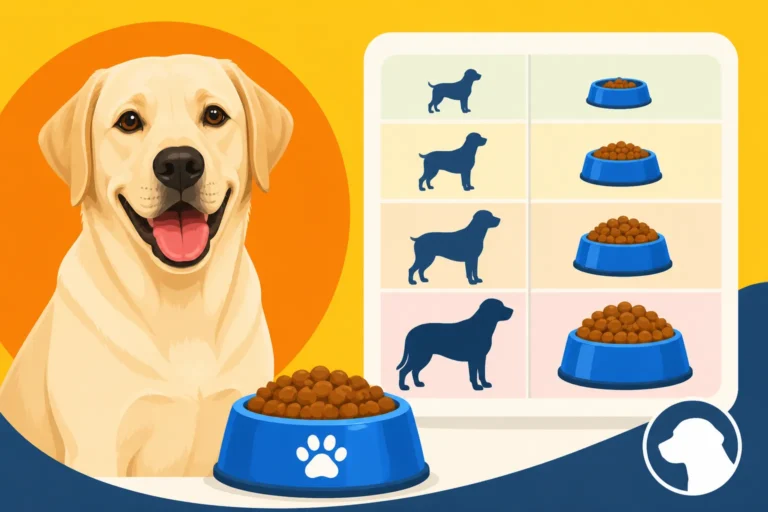
Transitioning to a high-quality weight management food is often beneficial. These formulas are designed to be lower in calories but still provide essential nutrients and often higher fiber to help your dog feel full. Consider breaking their daily food allowance into two or three smaller meals to help manage hunger throughout the day. If you usually leave food out all day, it's time to stop free-feeding; measured meal times are crucial for a food-motivated breed like a Labrador. Don't forget that treats also count towards their daily caloric intake. Opt for low-calorie treats or use a portion of their daily kibble as rewards during training. Exploring precise portioning from a fresh food delivery service like Ollie, or finding specific weight control formulas from a trusted retailer like Chewy or Amazon, can make a huge difference in managing Portion Control for a Food-Obsessed Labrador.
Boosting Exercise Smartly
While the post-surgical rest period is essential, once your vet gives the all-clear, gradually re-establish and even increase your Labrador's exercise routine. Remember, a common issue is a subtle, long-term decrease in activity. For Labradors, exercise isn't just about physical health; it's crucial for their mental well-being and managing that strong food drive. Aim for a combination of moderate and vigorous activity.
This might mean adding an extra 10-15 minutes to their daily walks, incorporating more retrieving games in the yard, or finding safe opportunities for swimming, which is excellent, low-impact exercise for Labradors. Consider enrolling in dog sports like agility or obedience classes, which provide both physical and mental stimulation. If you're managing a slightly older Labrador or one with joint concerns, consult your vet about appropriate exercise types and duration. Slowing Joint Decline in an Older Labrador is important, as joint issues can sometimes limit exercise and contribute to weight gain. The key is consistency and finding activities your Labrador genuinely enjoys, making exercise feel like a treat rather than a chore.
Choosing the Right Food and Treats
The type of food you offer your neutered Labrador plays a significant role in weight management. As mentioned, "light" or "weight management" formulas are often a good starting point. Look for foods with balanced protein, moderate fat, and adequate fiber. High-quality protein helps maintain muscle mass, which is metabolically active and burns more calories than fat. Fiber helps your dog feel full and aids digestion.
Be mindful of treats. Those crunchy biscuits and chewy sticks can pack a surprising caloric punch. Swap them for low-calorie alternatives like small pieces of cooked chicken breast, carrots, green beans, or blueberries. Many dogs love these healthier options just as much! If you're using training treats, consider breaking them into even smaller pieces or using a small portion of your dog's regular kibble. Always check the ingredient list and calorie count on any commercial treats. Treats That Fit a Labrador's Calorie Budget are readily available, you just need to know what to look for. For dogs with a strong chewing instinct, durable chew toys can provide mental engagement without adding calories.
Regular Vet Check-ups and Monitoring
Maintaining a healthy weight for your neutered Labrador is an ongoing process that benefits greatly from regular veterinary oversight. Your vet is your best resource for guidance on appropriate caloric intake, exercise regimens, and overall health monitoring. During routine check-ups, your vet will assess your Labrador's body condition score (BCS), which is a more accurate indicator of healthy weight than just the number on the scale.
They can help you Checking a Labrador's Body Condition Score and monitor for any underlying health issues that might contribute to weight gain, or that could be exacerbated by obesity, such as arthritis. Don't be afraid to discuss your concerns honestly. Your vet can provide tailored advice, adjust dietary recommendations, and help you set realistic goals for weight management. Regular weigh-ins, even between annual check-ups, can help you catch small weight gains before they become significant problems. This proactive approach ensures your Labrador stays in peak condition for many happy years to come.
Disclaimer
This article is for general informational purposes only and does not constitute professional advice. Laws, prices and regulations vary by location and change over time. Consult a qualified professional for guidance on your specific situation.