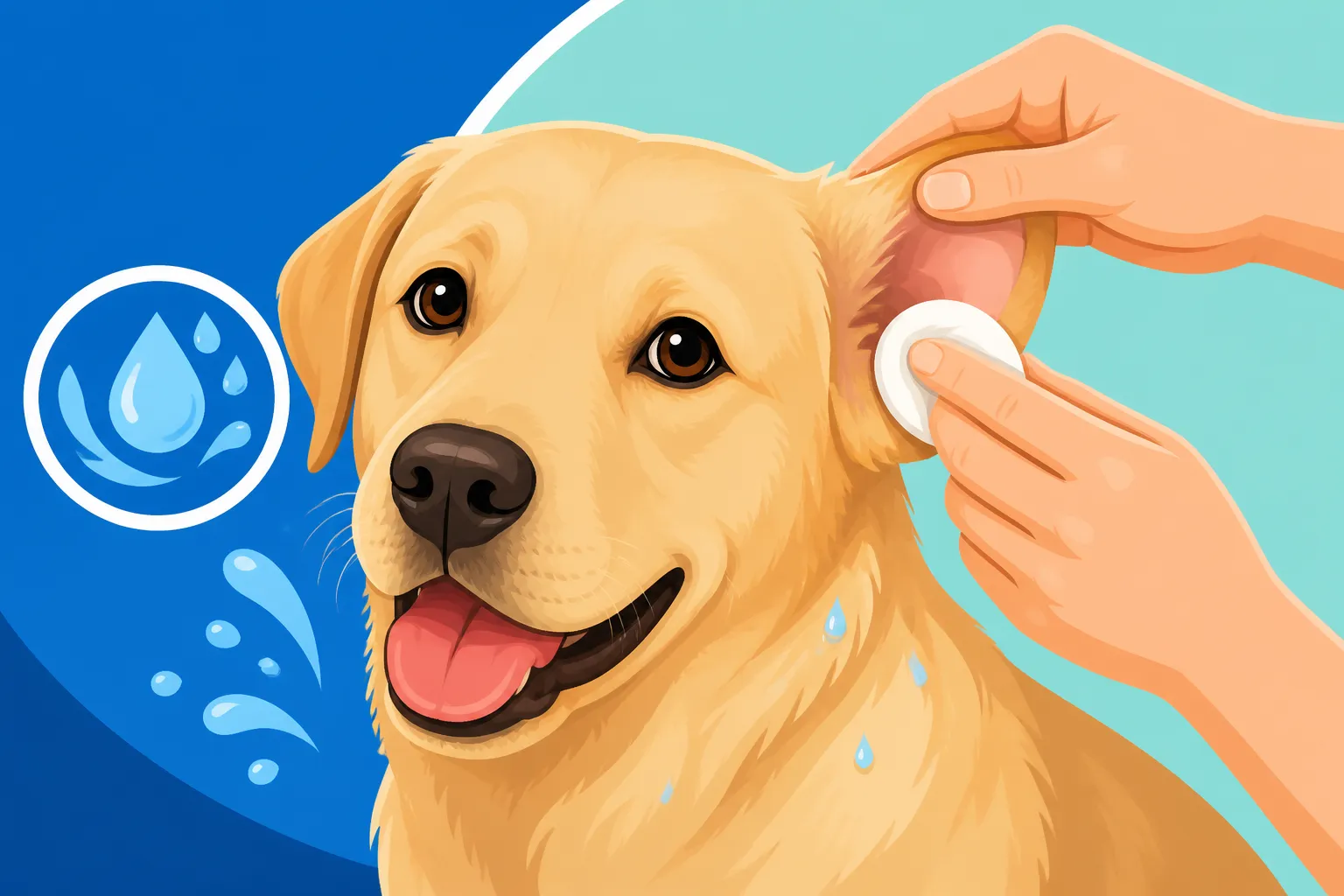
Cleaning a Labrador’s Ears After Water
There's nothing quite like watching your Labrador dive headfirst into a lake, splash around in the ocean, or even just happily slurp from their water bowl, getting it everywhere. Their love for water is ingrained in their very being, a joyful part of their temperament that makes them such incredible companions. But that same enthusiasm for all things wet can, unfortunately, come with a less-than-joyful downside: ear infections. Many of us have been there, noticing that tell-tale head tilt or a subtle scratch, and immediately our minds jump to those smelly, itchy ears. This guide is all about helping you understand why your water-loving Labrador is so prone to these issues and, more importantly, equipping you with the knowledge and tools to keep their ears clean, healthy, and infection-free after every splash.
Why Labradors Are So Prone to Ear Issues After Swimming
It's not just bad luck that our Labs often end up with irritated ears after a good swim. Their anatomy and natural predispositions actually make them prime candidates for developing ear problems, especially when moisture is involved. Understanding these factors is the first step in effective prevention.
The Labrador Ear Canal Anatomy
Take a good look at your Labrador's ears. They're floppy, aren't they? Unlike breeds with upright, open ears that allow for plenty of air circulation, a Labrador's pendulous ears effectively cover the ear canal opening. This design, while adorable, creates a warm, dark, and often humid environment. It's like a tiny, cozy sauna inside their ear, which is exactly what yeast and bacteria love.
Furthermore, a Labrador's ear canal isn't a straight shot. It has a distinctive L-shape, starting vertically and then making a sharp turn horizontally before reaching the eardrum. This bend makes it incredibly difficult for water, debris, or even earwax to drain out naturally. When your Lab dips their head into water, that L-shape acts like a trap, holding moisture deep within the canal, which then sits there, festering, if not properly addressed.
The Role of Moisture and Warmth
Water is the primary culprit here. Even clean water from a swimming pool or a freshwater lake can disrupt the delicate balance within your Labrador's ear. It can wash away the protective layer of natural oils and earwax (the good kind, that is), leaving the skin inside the ear canal vulnerable to irritation. Once this protective barrier is compromised, it’s easier for opportunistic pathogens to take hold.
Combined with the warm, enclosed environment of their floppy ears, this trapped moisture creates an ideal breeding ground. Bacteria and yeast, which are naturally present in small numbers, can quickly multiply in these conditions, leading to an overgrowth that results in infection. It’s a vicious cycle: wet ears lead to irritation, irritation leads to inflammation, and inflammation creates even more warmth and moisture, fueling the infection further. This is precisely why proactively drying and cleaning their ears after any water exposure is so crucial. You're interrupting that cycle before it even has a chance to begin.
Common Pathogens and Irritants
The most frequent culprits behind Labrador ear infections are opportunistic organisms like yeast (often Malassezia pachydermatis) and various types of bacteria. Yeast infections tend to have a distinctive sweet-sour, musty odor and sometimes produce a dark, waxy discharge. Bacterial infections can vary, sometimes presenting with a foul odor, yellow or green pus, and significant inflammation. Both are incredibly uncomfortable for your dog.
Beyond microbial invaders, allergens can also play a huge role, making some Labradors particularly susceptible to chronic ear problems. If your Labrador suffers from environmental allergies (like pollen or dust mites) or food allergies, their ears can become inflamed and itchy as part of a generalized allergic reaction. This inflammation then makes their ears more vulnerable to secondary bacterial or yeast infections, even without much water exposure. Sometimes, what looks like a simple water-related ear infection is actually an allergic flare-up exacerbated by moisture. Keeping an eye out for Signs a Labrador Has a Food Allergy might reveal a deeper cause for recurrent ear trouble.
Identifying the Signs of a Developing Ear Problem
Our Labradors are famously stoic, often hiding discomfort until it becomes quite advanced. This makes it vital for us, as their caretakers, to be vigilant and know the subtle indicators of an impending ear problem. Catching it early can save your dog a lot of pain and save you a significant vet bill.
Visual Cues and Odor
The most obvious signs often involve what you can see and smell. After a swim, or even just during your regular checks, take a peek inside their ear flap. Is the skin pink and healthy-looking, or is it red, swollen, or inflamed? You might see a crusty build-up around the ear canal opening. Excessive discharge is another major red flag. This discharge can range from dark brown and waxy (often yeast) to yellow or green and pus-like (bacterial).
And then there's the smell. A healthy dog's ear should have little to no odor. If you notice a distinct, unpleasant smell – often described as sweet, yeasty, or foul – it's a strong indicator that something is amiss. Don't ignore a change in smell; it's one of the earliest and most reliable indicators that an infection is brewing. Even a slight whiff of "off" odor should prompt a closer inspection and possibly a preventative cleaning.
Behavioral Changes
Labradors, despite their tough exterior, will eventually show signs of discomfort when their ears hurt. One of the most common behavioral changes is increased head shaking. They might do this subtly at first, a quick flick of the head, but as the irritation grows, it can become more frequent and vigorous. You might also notice them pawing, scratching, or rubbing their ear against furniture or the ground, desperately trying to relieve the itch.
If the infection progresses, they might become sensitive to touch around their head and ears, even snapping if you try to examine the area. You might see them tilting their head to one side, or if both ears are affected, they might look generally miserable or lethargic. Some dogs might vocalize when they shake their head or scratch, indicating pain. Any of these signs warrant immediate attention, and if they're severe or persistent, a trip to the vet is in order. It's often hard to tell how much pain a Labrador is in, so learning Reading Pain in a Stoic Labrador can be incredibly helpful.
Early Detection vs. Advanced Infection
The difference between catching an ear issue early and letting it become an advanced infection is monumental for both your Labrador's comfort and your wallet. Early detection means you might be able to resolve the issue with a simple, thorough cleaning at home using an appropriate ear cleaner, or perhaps a quick, inexpensive vet visit for an antifungal or antibiotic ear drop prescription.
An advanced infection, however, can be incredibly painful for your dog, potentially leading to chronic issues, damage to the eardrum, or even hearing loss if left untreated. These require more intensive veterinary care, including oral antibiotics, anti-inflammatory medications, stronger ear treatments, and potentially sedated cleanings or diagnostic tests, all of which add up in cost and stress for everyone involved. Getting into a routine of regularly checking your Labrador’s ears, especially after swimming, is the best defense. This proactive approach saves heartache and keeps your happy swimmer in top form.
Essential Tools for Post-Swim Ear Care
Before your Labrador even gets near the water, it's a good idea to have your ear cleaning arsenal ready. Being prepared means you can act quickly and effectively, minimizing the chances of an infection taking hold. You don't need a lot of fancy gadgets, just the right basics.
Choosing the Right Ear Cleaner
This is arguably the most crucial tool in your kit. Not all ear cleaners are created equal, and using the wrong one can do more harm than good. You'll want a gentle, veterinary-approved ear cleaning solution designed for dogs. Look for formulas that are specifically labeled as drying or antiseptic. Ingredients like salicylic acid, boric acid, or witch hazel can help dry out the ear canal and create an environment less hospitable to yeast and bacteria. Some even contain a mild astringent.
Avoid anything with alcohol, as it can be incredibly irritating to inflamed skin and cause a burning sensation. Also, steer clear of hydrogen peroxide; while it might bubble impressively, it's not ideal for routine ear cleaning and can be too harsh. Many reputable pet brands offer excellent ear cleansers, and you can often find them at your local pet store or online retailers like Chewy or Amazon. If your Labrador has particularly sensitive skin or a history of recurrent infections, it's always best to consult your vet for a recommendation on the best cleaner for your specific dog.
Cotton Balls, Pads, and Swabs
Once you have your cleaner, you'll need something to apply it with and wipe away the gunk. Plain old cotton balls or large cotton pads are your best friends here. They are soft, absorbent, and won't leave behind any fibers. You'll need quite a few, so stock up!
Many people are tempted to use cotton-tipped swabs (Q-tips), but for cleaning deep inside a dog's ear canal, they are generally a big no-no. Remember that L-shaped canal? A swab can easily push debris and wax deeper into the ear, compacting it against the eardrum and potentially causing damage. Stick to using cotton balls or pads to wipe the outer ear flap and the visible parts of the ear canal opening. If your vet has specifically shown you how to use a swab safely for a very superficial cleaning, that's one thing, but otherwise, err on the side of caution.
Treats and Rewards
While not a physical cleaning tool, high-value treats are absolutely essential. Ear cleaning can be an uncomfortable or even scary experience for some dogs, especially if they've had a painful ear infection in the past. Making it a positive experience is key to a cooperative Labrador. Have a stash of their absolute favorite treats ready – small, soft, and easy to gobble down quickly.
Think about a delicious piece of cooked chicken, a bit of cheese, or some high-quality, easily digestible training treats. Some owners find that treats from brands like Ollie, which focus on fresh, human-grade ingredients, are particularly motivating for their Labs. Using these treats throughout the process – before, during, and after – can help your Labrador associate ear cleaning with good things, making future sessions much smoother. A calm, cooperative dog makes the task much easier for everyone involved.
Step-by-Step Guide to Cleaning Your Labrador's Ears
Now that you've got your supplies ready, let's walk through the actual process of cleaning your Labrador's ears after they've enjoyed a refreshing dip. Consistency and a gentle touch are your guiding principles here.
Preparing Your Labrador and Supplies
First things first, choose a good location. This should be somewhere well-lit, preferably easy to clean (in case of splashes!), and where your Labrador feels relatively comfortable. A bathroom, a laundry room, or even outdoors on a warm day can work. Gather all your supplies: your chosen ear cleaner, a generous supply of cotton balls or pads, and plenty of high-value treats.
Before you begin, try to get your Labrador into a relaxed state. A short walk or a play session might help burn off some energy. Speak to them in a calm, reassuring voice. If you have another person available, having them help hold your dog steady and distract them with treats can make the process significantly easier. Remember, this isn't a wrestling match; it's a cooperative effort. Start by gently handling their ears, rewarding them for staying calm, even before the cleaner comes out.
The Cleaning Process
Okay, here's where the magic happens.
- Examine the Ear: Gently lift your Labrador's ear flap and take a moment to look inside. Note any redness, discharge, or foul odor. This helps you know what you're dealing with. If it looks very inflamed, you might want to call the vet first.
- Apply the Cleaner: Hold the ear flap up and carefully squirt a generous amount of the ear cleaning solution directly into the ear canal. Don't be shy; you want to fill the canal with solution. The goal is to loosen up any debris and flush out moisture.
- Massage the Base of the Ear: This is a crucial step. With the solution in the ear, gently massage the base of your Labrador's ear for about 20-30 seconds. You should hear a squishy sound, which means the cleaner is working its way deep into the L-shaped canal. This massage helps break up wax and allows the liquid to penetrate everywhere.
- Allow Them to Shake: After massaging, stand back and let your Labrador shake their head. And they will shake their head! This is perfectly normal and helps to dislodge and expel the loosened debris and excess cleaner from deeper in the canal. You might want to do this outdoors or somewhere you don't mind getting a little ear gunk flung around.
- Wipe the Outer Ear: Now, take a fresh cotton ball or pad and gently wipe the visible parts of the ear flap and the opening of the ear canal. Only go as far as your finger can comfortably reach. Do not insert cotton swabs deep into the ear canal. You're simply wiping away the dirt and excess fluid that has come to the surface. Use fresh cotton for each wipe until no more debris comes out.
- Reward, Reward, Reward: Throughout and after the process, shower your Labrador with praise and treats. Make it the most fantastic ear-cleaning party they've ever attended. This positive reinforcement is key to making future cleanings less stressful for both of you.
Here's a quick summary table for ear cleaning solutions:
| Type of Ear Cleaner | Common Ingredients | Primary Purpose | When to Use |
|---|---|---|---|
| Drying/Antiseptic | Boric acid, salicylic acid, witch hazel, chlorhexidine | Dry out ear canal, inhibit bacterial/yeast growth | Post-swimming, routine prevention |
| Wax Dissolving | Dioctyl sodium sulfosuccinate (D.O.S.S.), squalene | Break down and remove excess wax | For waxy ears, before antiseptic cleaner |
| Gentle/Maintenance | Aloe vera, chamomile, pH-balanced solutions | General cleaning, soothing, odor control | Daily wipes, between deeper cleans |
| Medicated (Vet Prescribed) | Antibiotics, antifungals, steroids | Treat active bacterial/yeast infections, reduce inflammation | Only under vet guidance for diagnosed infections |
Frequency and Routine
How often should you be doing this? It largely depends on your individual Labrador and their lifestyle. For a Labrador who swims frequently – say, daily trips to the lake or regular ocean dives – a post-swim ear cleaning is highly recommended, sometimes even daily if they are prone to infections. If your Lab only swims occasionally, then a thorough cleaning after each swimming session is usually sufficient.
For Labs that don't swim but enjoy other forms of water play (sprinklers, puddles, getting wet on rainy walks), a weekly or bi-weekly check and wipe with a gentle cleaner might be enough. Remember, consistency is key. Make it part of your routine. You might also want to factor in other grooming needs, like How Often a Labrador Needs Nails Trimmed or Grooming a Labrador's Short Double Coat, and tackle them all at once to make it efficient. The more routine it becomes, the less fuss your Labrador is likely to make, and the healthier their ears will stay.
When to Seek Veterinary Help
Despite your best efforts with proactive cleaning, sometimes an ear infection takes hold or an underlying issue needs professional attention. Knowing when to stop home care and head to the vet is critical for your Labrador's well-being. Don't hesitate if you see these red flags.
Persistent Symptoms Despite Home Care
You've been diligently cleaning your Labrador's ears after every swim. You've used the right solutions and followed all the steps. Yet, after a couple of days, you still notice lingering signs of trouble. Perhaps the head shaking hasn't stopped, the scratching is still intense, or the unpleasant odor persists. Maybe the redness hasn't subsided, or you still see discharge.
If symptoms don't improve or, worse, seem to be getting worse after 24-48 hours of consistent home care, it's time to call your veterinarian. It could be that the infection is too deep for topical cleaners alone, or it might be a type of bacteria or yeast that requires a specific prescription medication. Continuing to treat at home when it's not working simply prolongs your dog's discomfort and allows the infection to become more entrenched.
Signs of Pain or Deeper Infection
Some signs indicate a more serious problem that definitely warrants immediate veterinary attention. If your Labrador shows any of the following, don't delay:
- Intense Pain: They cry out when their ear is touched, or become unusually aggressive when you try to examine it.
- Severe Swelling: The ear flap itself, or the area around the ear canal, looks significantly swollen.
- Balance Issues: The infection might be affecting their inner ear, leading to a loss of balance, walking in circles, or a head tilt that is constant and severe.
- Fever or Lethargy: General signs of illness like being unusually tired, refusing to eat, or having a fever.
- Hearing Loss: While hard to detect quickly, a sudden change in their response to sounds could indicate a serious problem.
- Unusual Discharge: Any discharge that is black, contains blood, or has a very strong, putrid smell is a cause for concern.
These symptoms suggest a deeper or more aggressive infection that needs prompt professional diagnosis and treatment. Delaying care could lead to chronic issues, irreversible damage, or even spread the infection.
The Dangers of Untreated Ear Infections
Leaving an ear infection to fester is never a good idea. For one, it's incredibly painful and uncomfortable for your beloved Labrador. They might constantly scratch and shake, sometimes to the point of causing secondary injuries like hot spots or hematomas on their ear flaps from violent shaking. But the dangers go beyond surface irritation.
An untreated ear infection can travel deeper into the ear canal, potentially rupturing the eardrum. This can lead to middle or inner ear infections, which are far more serious and much harder to treat. These deeper infections can affect balance, cause facial nerve paralysis, and, in severe cases, even spread to the brain. Chronic, recurring ear infections can also lead to permanent narrowing of the ear canal (stenosis) and calcification, making future infections almost inevitable and eventually requiring complex surgery. Sometimes, severe and chronic issues can require expensive interventions, leading to significant Labrador Emergency Vet Bills. Preventative care and prompt veterinary attention are truly the best course of action to protect your Labrador's health and happiness.
Preventative Measures Beyond Cleaning
While diligent ear cleaning after water exposure is paramount, there are other strategies you can employ to minimize your Labrador's risk of ear infections. A holistic approach to their health often yields the best results.
Diet and Allergy Management
As mentioned earlier, many chronic ear issues in Labradors have an underlying allergic component. If your Labrador is constantly battling ear infections, even with good post-swim care, it's worth exploring whether allergies are playing a role. This could involve working with your vet to identify environmental allergens through testing or, more commonly, conducting an elimination diet to rule out food allergies.
A high-quality, balanced diet supports overall immune health, which in turn can help your Labrador fight off infections more effectively. Some owners find that switching to a premium dog food that avoids common allergens or includes ingredients known to support skin and coat health can make a noticeable difference in ear health. Discussing dietary changes with your vet, especially if you suspect allergies, is always a good idea. A healthy gut and a strong immune system are powerful allies in the battle against recurrent ear infections.
Regular Grooming and Inspection
Ear care isn't just for after a swim. Integrating regular ear inspections and light cleaning into your Labrador's general grooming routine can help catch problems early and maintain overall ear health. Aim for at least a weekly check, gently lifting the ear flap to peer inside. Look for redness, discharge, or any unusual odor.
Even if your Labrador hasn't been swimming, a quick wipe with a gentle, pH-balanced ear cleaner on a cotton ball can help remove surface debris and keep the ear environment fresh. This routine attention also helps your dog get comfortable with having their ears handled, making more intensive cleaning sessions less stressful when they are needed. Consider this as part of their regular upkeep, much like Labrador Dental Disease and Tartar checks or paw care. Consistency creates comfort for your canine companion.
Limiting Exposure to Contaminated Water
While it's nearly impossible, and frankly, a bit cruel, to keep a Labrador entirely away from water, you can be mindful of what kind of water they're exposed to. Stagnant ponds, murky lakes, or water sources with known algae blooms can harbor a much higher concentration of bacteria and other pathogens than a clean pool or a flowing river.
If you know your Labrador is particularly prone to ear issues, you might want to limit their swimming to cleaner water sources or be extra diligent with post-swim cleaning after exposure to questionable water. While Labs adore their dips, minimizing their exposure to highly contaminated water is a sensible preventative measure. You're not denying them their joy, just being smart about protecting their health. Keeping a bottle of ear cleaner handy in your car or dog bag for quick post-swim application can also be a game-changer for those spontaneous splash moments!
Disclaimer
This article is for general informational purposes only and does not constitute professional advice. Laws, prices and regulations vary by location and change over time. Consult a qualified professional for guidance on your specific situation.