Using a Kitchen Scale for Labrador Portions
It’s a tale as old as time for Labrador owners: you get out the trusty scoop, level off the kibble, and think you're giving your beloved dog the exact right amount of food. But then, slowly but surely, that sleek Labrador physique starts to soften, and the vet gently suggests your furry friend could stand to lose a few pounds. This guide isn't about shaming anyone; it's about acknowledging a super common challenge and offering a simple, effective solution to ensure your Labrador's health through accurate, consistent meal portions using a kitchen scale.
The Hidden Dangers of "Eyeballing" Your Labrador's Meals
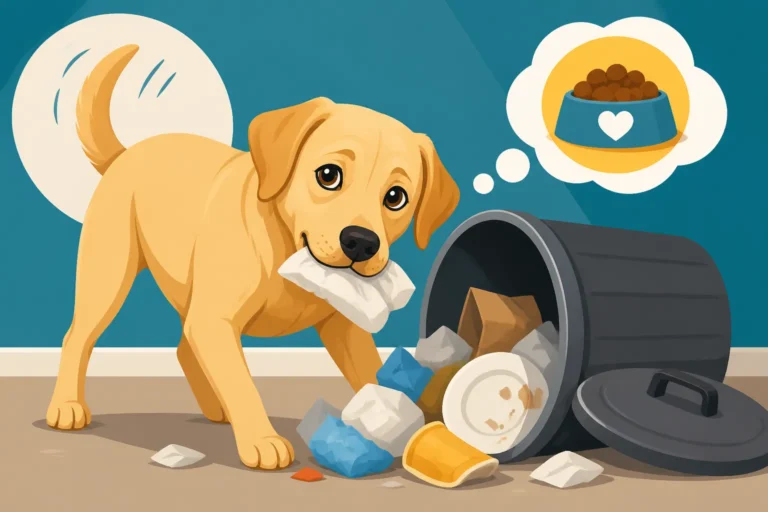
Let's be honest, we've all been there. It's early morning, your Labrador is doing their best impression of a starving artist, and you just want to get their breakfast into their bowl. Grabbing a standard measuring cup or the scoop that came with the kibble seems easy enough. You might even try to be precise, leveling it off, but what you don't realize is how much variability can creep into those measurements. A half-scoop here, a slightly rounded cup there, and suddenly your Labrador is getting significantly more calories than you intended.
The problem isn't usually with the best intentions, but with the tools themselves. Those cups and scoops are designed for volumetric measurement – think liquids or flour in baking. But kibble isn't a consistent substance like water. Different kibble brands have different densities, shapes, and sizes. A cup of one brand might weigh 3 ounces, while a cup of another, seemingly identical, brand could weigh 4.5 ounces. That seemingly small difference, compounded over two meals a day, every single day, adds up to a substantial caloric surplus over time. It’s a silent creep that often leads to an overweight Labrador before you even notice.
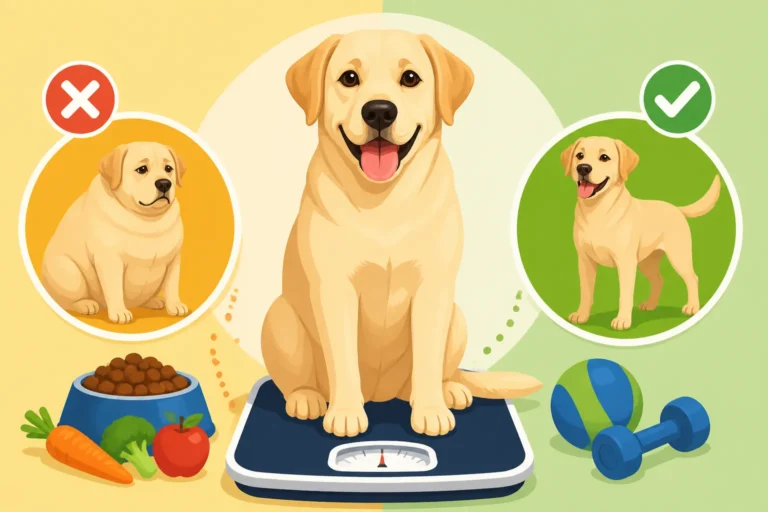
This inconsistency makes it incredibly difficult to manage your Labrador's weight, especially given their notorious love for food. Labradors are often described as being "food obsessed," and many carry a genetic predisposition to overeat due to The POMC Gene and Labrador Appetite. If every meal is slightly different, managing their caloric intake becomes a guessing game, and in that game, our Labs usually win by consuming more. This isn't just about aesthetics; excess weight puts a strain on their joints, heart, and overall well-being, potentially shortening their Labrador Lifespan and What Changes It.
Why a Kitchen Scale is a Game-Changer for Labrador Health
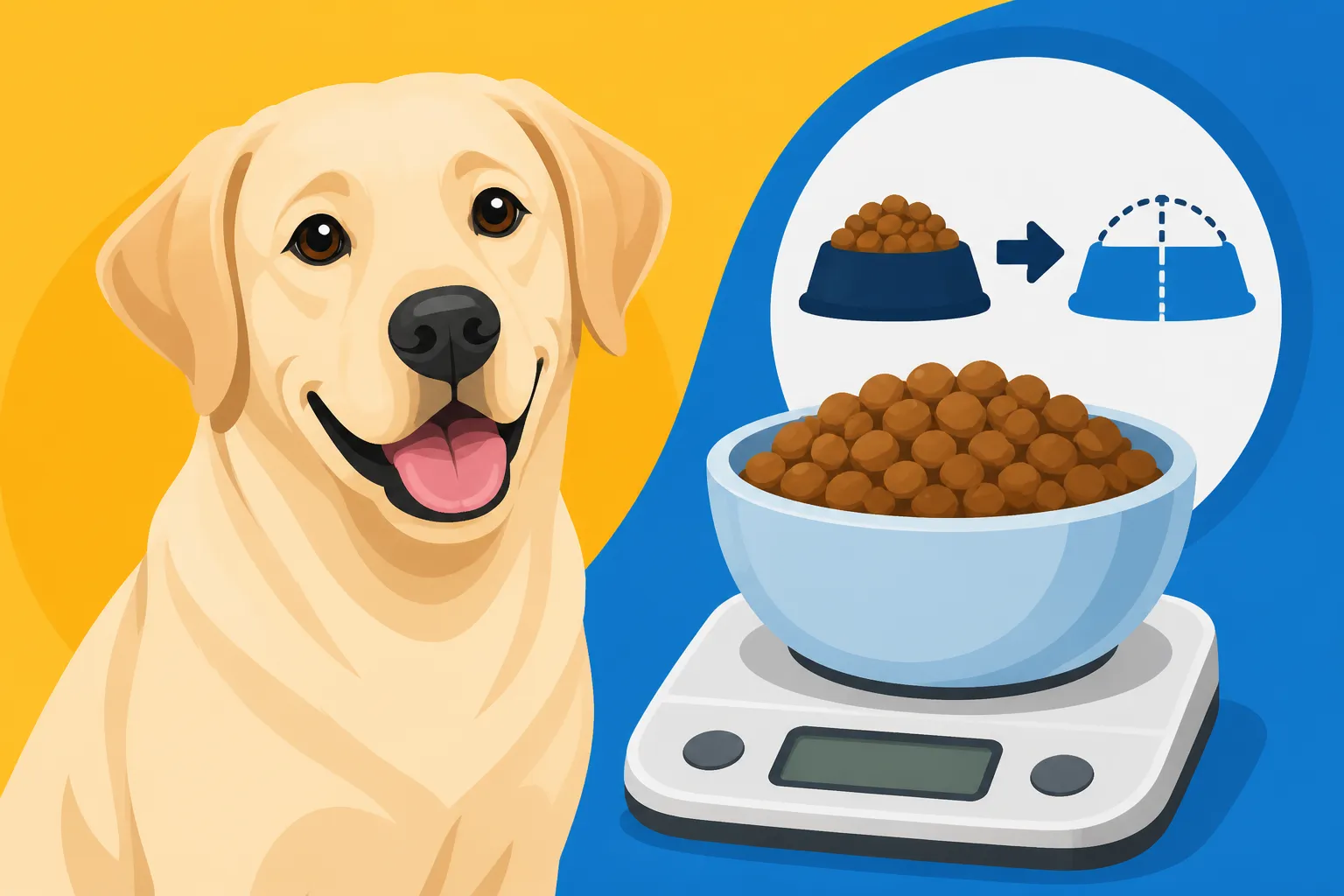
Switching to a kitchen scale for your Labrador's food portions is truly a lightbulb moment for many owners. It takes the guesswork completely out of feeding. Instead of measuring by volume (cups), you measure by weight (ounces or grams), which is the most accurate way to ensure your dog is getting precisely the right amount of food, every single time. Most dog food bags actually provide feeding guidelines by weight, not just cups, for this very reason.
Imagine this scenario: your vet recommends your Labrador needs to maintain a certain weight, which translates to a specific number of calories daily. Without a scale, you're relying on an arbitrary cup measurement that might not align with the actual caloric density of your dog's specific kibble. With a scale, you simply pour until you hit the exact gram or ounce recommended. This precision is invaluable for portion control for a food-obsessed Labrador, helping you adhere strictly to dietary recommendations whether your goal is weight maintenance, gradual weight loss, or even careful puppy growth.
Beyond preventing weight gain, a kitchen scale brings consistency that can help you troubleshoot other issues. If your Labrador is suddenly gaining or losing weight despite consistent activity levels, you can be 100% confident their food intake hasn't changed, allowing you and your vet to look for other causes. It also helps with transitioning between different foods, where precise portions are crucial to avoid digestive upset. Investing a small amount in a reliable kitchen scale can genuinely add years of healthy, active life to your beloved companion by helping to prevent Labrador Obesity and the Years It Costs.
Ensuring Accurate Feeding from Day One
For a Labrador puppy, especially, consistent and accurate feeding is paramount. Fast growth spurred by overfeeding can put immense strain on developing joints, predisposing them to conditions like hip and elbow dysplasia later in life. While puppy food bags give recommendations like How Much to Feed a Labrador Puppy, these are often broad ranges. A kitchen scale helps you dial in the exact needs as your puppy grows, making small, incremental adjustments based on their Labrador Body Condition Scoring and energy levels. It removes the temptation to just "fill the bowl" when your adorable puppy looks up at you with those hungry eyes.
It also simplifies understanding calorie counts. When you're reading a dog food label for a Labrador, you'll often see calories listed per cup or per kilogram. Knowing the precise weight of a "cup" of your kibble on your specific scale allows you to accurately convert that into the daily caloric intake your vet recommends. This level of detail empowers you as an owner to make informed decisions about your dog's nutrition, ensuring they get exactly what they need, no more, no less, through every feeding a Labrador through every life stage.
How to Accurately Weigh Your Labrador's Food
Getting started with a kitchen scale for your Labrador's meals is surprisingly simple and quickly becomes second nature. It's a small change with a huge impact on their health.
First, you'll need a digital kitchen scale. You don't need anything fancy or expensive; a basic, reliable digital scale that measures in grams and ounces will do the trick. Many popular brands like those found on Amazon, Chewy, or your local kitchen supply store offer great options. Look for one with a tare function, which allows you to zero out the weight of the bowl.
Here's a simple step-by-step guide:
- Place the Bowl on the Scale: Start by placing your Labrador's empty food bowl (or a small container if you prefer to weigh in that first) directly onto the kitchen scale.
- Tare the Scale: Press the "tare" or "zero" button. This will reset the scale to zero, effectively telling it to ignore the weight of the bowl, so you're only measuring the food itself.
- Add Kibble Slowly: Begin pouring your Labrador's kibble into the bowl. Do this slowly, watching the digital display.
- Reach the Target Weight: Stop pouring when the display shows the exact weight (in grams or ounces) that your vet or food bag recommends for your dog's daily portion. If you're feeding twice a day, you'll simply weigh out half of the total daily amount for each meal.
- Remove and Serve: Once the target weight is reached, remove the bowl and serve it to your hungry Labrador!
It's really that straightforward. This method eliminates any variation that comes from scoop sizes, whether the kibble is packed down, or the density differences between different batches or brands of food. It’s particularly helpful when you're getting weight off an overweight Labrador because every calorie truly counts. You’ll be amazed at how quickly you get into the habit, and your Labrador will benefit from the consistent, precise nutrition.
| Measurement Method | Pros | Cons | Accuracy for Labradors |
|---|---|---|---|
| Standard Scoop/Cup | Easy, familiar, no extra equipment | Highly inconsistent due to kibble density/shape, human error | Low (prone to over/underfeeding) |
| Kitchen Scale | Precise, consistent, ideal for weight management, follows bag recommendations | Requires initial purchase, takes a few extra seconds per meal | High (exact caloric intake) |
This table clearly illustrates why making the switch is so beneficial. While scoops are ubiquitous, they're often a silent culprit in our Labs' weight struggles.
Choosing the Right Kitchen Scale for Your Labrador's Needs
When you're ready to invest in a kitchen scale for your Labrador's food, there are a few things to consider to make sure you pick one that will serve you well. As I mentioned, you don't need to break the bank, but a little thought upfront can save you frustration later.
First, digital is definitely the way to go. Analog scales can be harder to read accurately, especially when you're trying to hit a precise number like 125 grams. Digital scales offer clear, unambiguous readings. Look for one that measures in both grams and ounces, as some food manufacturers list recommendations in one unit, and others in the other. A scale that can easily switch between these units is ideal.
Second, consider the capacity and size of the platform. Your Labrador's bowl isn't usually tiny, so you want a scale with a platform large enough to comfortably hold their bowl without it tipping or obscuring the display. Most kitchen scales have a capacity of at least 5-10 pounds (2-5 kg), which is more than enough for a few cups of kibble, but double-check to ensure it meets your needs. Brands available on platforms like Chewy or Amazon typically have a good range to choose from. Some even have pull-out displays, which are fantastic if you have a really wide bowl.
Finally, think about durability and ease of cleaning. Dog bowls can be messy, and kibble dust happens. A scale with a smooth, wipeable surface, preferably stainless steel or tempered glass, will be much easier to keep clean than one with lots of nooks and crannies. A scale that runs on easily replaceable batteries is also a plus, so you're never left scrambling when it decides to die mid-feeding. Many pet owners find a simple, flat-surface scale with a large, bright display is the most user-friendly. Just make sure it has that all-important tare function! You'll find using a kitchen scale for your Labrador portions quickly becomes an indispensable part of your daily routine, and your lean, healthy Labrador will thank you for it.
Disclaimer
This article is for general informational purposes only and does not constitute professional advice. Laws, prices and regulations vary by location and change over time. Consult a qualified professional for guidance on your specific situation.