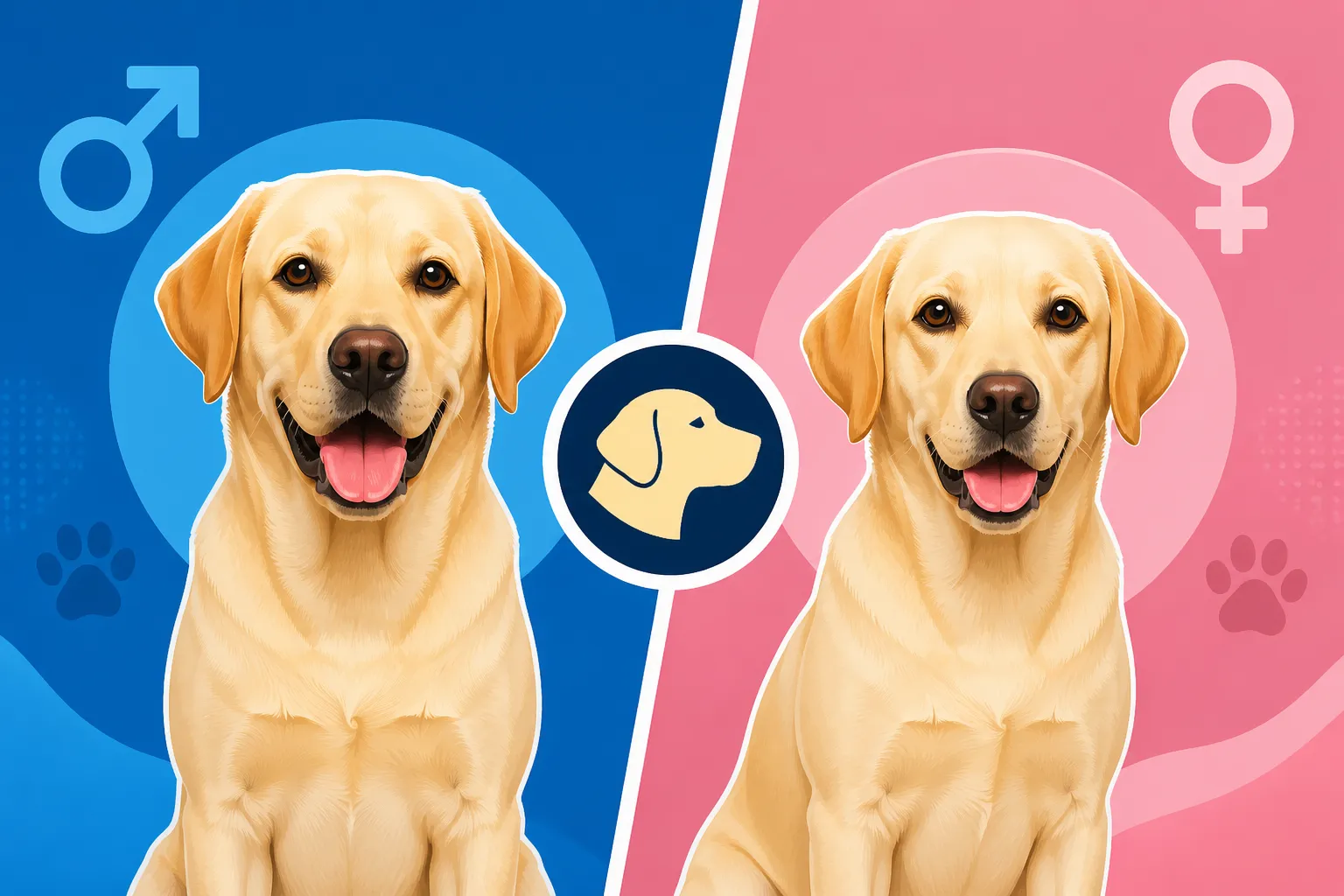
Labrador Male and Female Differences
Choosing a Labrador Retriever is an incredibly exciting journey, but it can also be a bit overwhelming, especially when you start to consider the subtle yet significant differences between male and female dogs. Many hopeful owners wonder if one gender is inherently "better" or easier to handle, fearing they might pick the wrong one for their household. This comprehensive guide is here to walk you through the nuances of male and female Labrador Retrievers, helping you understand their unique physical attributes, temperaments, behavioral patterns, and health considerations so you can confidently welcome the perfect furry family member into your home.
The Core Differences: Size and Physicality
When you picture a Labrador, you likely imagine a robust, athletic dog with a friendly face. While both sexes fit this description, there are distinct physical differences that become more apparent as they mature. It's not just about a few pounds here or there; these differences can influence everything from how much space they take up on the couch to the type of harness you might need.
Height and Weight Variations
Generally speaking, male Labradors tend to be larger and heavier than their female counterparts. This isn't a hard and fast rule, of course, as genetics, diet, and overall health play a huge role, but on average, a fully grown male Labrador will outweigh a female by a noticeable margin and stand a bit taller at the shoulder. Think of it like this: a male might be the sturdy, broad-shouldered lineman on a football team, while a female is more akin to a graceful, agile midfielder.
For instance, an adult male Labrador might typically stand anywhere from 22.5 to 24.5 inches at the shoulder and weigh between 65 to 80 pounds. A female, on the other hand, usually measures around 21.5 to 23.5 inches tall and weighs in the range of 55 to 70 pounds. These aren't just numbers on paper; they translate to a bigger presence in your home, a bit more force when they lean against your leg, and potentially more strength when they pull on the leash. It’s worth looking at Size Difference Between Male and Female Labradors to get a clearer picture of these averages. If you're someone who might struggle with a very strong puller, this size difference can be a practical consideration.
Musculature and Build
Beyond just height and weight, the overall build and musculature often differ. Male Labradors frequently display a more powerful, blockier head, a thicker neck, and a more substantial bone structure throughout their bodies. Their chest can appear broader and deeper, giving them a more imposing, "rugby player" kind of physique. This isn't to say females aren't muscular; they absolutely are, especially those from active working lines. However, a female's build is often described as more refined, elegant, and athletic. They might have a slightly leaner appearance, a more feminine head shape, and a sleeker overall profile.
This distinction in build is part of the breed standard, with judges in the show ring looking for these sex-specific characteristics. For the average pet owner, it means a male might require a slightly larger crate or a more heavy-duty bed, while a female might fit more easily into smaller spaces or car seats. It's a subtle but consistent characteristic that contributes to their overall presence.
Coat and Grooming Nuances
Both male and female Labradors sport that iconic dense, water-resistant double coat, and both will shed, sometimes spectacularly, especially during their "coat blow" seasons. However, some owners report that males, particularly unneutered males, might have a slightly thicker or coarser coat texture due to hormonal influences. Females might experience more noticeable changes in their coat during heat cycles, shedding more or having a slightly less dense undercoat during those times.
Regardless of sex, regular grooming is essential for a Labrador. This includes brushing several times a week, especially during heavy shedding, and occasional bathing. You'll find a wide array of brushes and deshedding tools at places like Chewy that are perfect for tackling Labrador hair. Any slight difference in coat thickness between the sexes is usually negligible in terms of grooming effort; both will require consistent attention to keep their coats healthy and manage the shedding.
Temperament and Personality Traits
Ah, the heart of the matter for most prospective owners! While every Labrador is an individual, and early socialization and training play massive roles, there are some general observations about temperament tendencies that can be linked to gender. These aren't absolutes, but they can give you a rough idea of what to expect.
Affection and Clinginess
Many people wonder if one gender is more affectionate or prone to "clinginess." It's a common belief that male Labradors are often described as more outwardly affectionate, sometimes even goofy, and enjoy being the center of attention. They might be the ones constantly nudging your hand for pets, sprawling across your lap (even when they're far too big for it), or following you from room to room like a shadow. Some owners affectionately call them "velcro dogs" for this reason. If you're curious about this, you might enjoy reading Whether Male Labradors Are More Affectionate.
Female Labradors are certainly affectionate, but their demonstrations of love might be perceived as a touch more subtle or independent. They might be happy to curl up near you rather than on you, or they might seek affection on their own terms, coming over for a good snuggle session before retreating to a comfy spot nearby. They can be incredibly devoted and loving, but perhaps with a quiet confidence that doesn't demand constant physical contact in the same way some males do. Ultimately, How Affectionate Labrador Retrievers Are can really depend on the individual dog and their upbringing.
Independence and Trainability
Both male and female Labradors are known for their intelligence and eagerness to please, making them highly trainable. However, some trainers observe slight differences in their approach to learning. Males, especially in their adolescent phase, can sometimes be a bit more easily distracted, with a touch more exuberance or silliness that needs to be channeled. Their strong desire to please can make them very receptive to positive reinforcement, but their "goofy" side might occasionally overshadow their focus.
Females are often seen as maturing a bit faster emotionally, and they can sometimes exhibit a more serious or focused demeanor during training sessions. They might be perceived as slightly more attentive and less prone to adolescent shenanigans, which can sometimes make them seem easier to train in the early stages. However, this isn't universally true, and a highly food-motivated male can be just as, if not more, focused than a female. What's crucial is consistency, patience, and making training fun, regardless of gender.
Energy Levels and Maturity
Labradors, in general, are energetic dogs, especially in their younger years. They are known for their playful nature and boundless enthusiasm. However, there can be some subtle differences in how this energy manifests and how quickly they "settle down."
Male Labradors can sometimes remain in their boisterous, puppy-like phase for a bit longer, often staying quite energetic and playful well into their second or even third year. Their enthusiasm for life seems to burn brightly and for an extended period, which can be delightful for an active family but also demanding if not properly managed. You can learn more about how energy shifts over time in Labrador Energy Level by Age.
Females are often observed to mature a little earlier, sometimes settling into a more composed adult temperament around 18 months to two years of age. They can still be incredibly playful and active, but perhaps with a touch more self-control or a slightly quicker transition from high-energy play to relaxed lounging. This is, of course, a generalization, and individual differences abound. A female from a high-drive field line could easily have more energy than a more laid-back male from a show line.
Behavioral Tendencies: Instincts and Hormones
A significant factor influencing behavior in both male and female Labradors is their hormonal status, particularly whether they are intact (unspayed/unneutered) or spayed/neutered. These biological drives can manifest in distinct behavioral patterns.
Marking and Roaming Instincts
Intact male Labradors, driven by hormones, are more likely to engage in behaviors like urine marking to establish territory and signal their presence to other dogs. This can mean frequent leg-lifting on walks, even after they've emptied their bladder, and potentially marking indoors if not diligently house-trained. Their strong scent marking is a key way they communicate. They also have a much stronger instinct to roam if they catch the scent of a female in heat, leading them to be expert escape artists and posing a risk for getting lost or injured. A secure yard and vigilant leash handling are paramount for intact males.
Female Labradors, particularly when intact, will go through heat cycles, typically twice a year. During this time, they will also display hormonal behaviors. They might become more attentive to male dogs, sometimes flirtatious, and might also mark more frequently as a way to signal their availability. While they might not "roam" in the same way an intact male would, a female in heat needs to be very carefully managed to prevent accidental pregnancies.
Resource Guarding and Dominance
Resource guarding – the act of protecting food, toys, or even favored resting spots – can occur in both sexes, but some anecdotal evidence suggests it might be observed slightly more often or intensely in males, especially around other intact males. This isn't necessarily about aggression, but a natural instinct to establish hierarchy. Proper socialization and training from a young age are critical to mitigate these behaviors in either sex. Learning about Resource Guarding in Food-Driven Labradors can help you understand how to address it.
Dominance, as a personality trait, is a complex topic often misunderstood. Rather than being about an inherent desire to "be the boss" over humans, it's more about how dogs interact and establish social structures among themselves. In a multi-dog household, you might observe either sex attempting to assert their preferences, but it's rarely about one gender being uniformly more "dominant." Early training and establishing clear rules can prevent most issues.
Dealing with Hormonal Changes Spaying/Neutering
Spaying or neutering your Labrador can significantly impact these hormonally driven behaviors. Neutering a male often reduces marking, roaming, and inter-male aggression, although these changes are more pronounced if done before certain behaviors become ingrained. For females, spaying eliminates heat cycles, along with the associated behavioral changes like marking, restlessness, and the risk of unwanted pregnancies.
However, the decision of When to Spay or Neuter a Labrador is not solely about behavior. There are important health considerations to weigh. For males, waiting until they are more mature can potentially reduce the risk of certain orthopedic issues, as discussed in Neutering a Male Labrador and Joint Risk. Similarly, for females, the timing of spaying can impact long-term health, as explored in When to Spay a Female Labrador Retriever. It's a complex decision that should always be made in consultation with your veterinarian, considering your dog's individual health, breed predispositions, and your lifestyle.
Social Dynamics and Interactions
How your Labrador interacts with the world around them – other dogs, children, strangers, and new environments – is another area where subtle gender differences might emerge. Again, individual personality and early socialization are key, but there are some general observations worth noting.
Interactions with Other Dogs
In a multi-dog household or at the dog park, male Labradors, particularly intact males, can sometimes be more prone to showing dominance or engaging in "posturing" with other intact males. This isn't necessarily aggression, but a way of establishing boundaries. Neutered males generally have fewer issues, though some can still be particular about their canine companions. With female dogs, males are typically quite social and playful.
Female Labradors can also be quite selective about their canine friends. While generally friendly, some females can be prone to "bitchiness" or have strong opinions about other female dogs, especially if they are also intact. This can manifest as less tolerance for pushy play or a quicker tendency to correct another dog's behavior. Spayed females often show more relaxed interactions. Introducing a Labradors With Other Dogs in a controlled and positive manner is vital, regardless of sex.
Labradors with Children and Strangers
Both male and female Labradors are renowned for their gentle, patient, and loving nature with children, making them excellent family pets. Their inherent desire to please and their stable temperament are breed hallmarks. However, a larger, more boisterous male might accidentally knock over a very young child during an enthusiastic greeting, simply due to his size and energy. Females might be perceived as slightly more cautious or watchful around very small children, but again, this is highly individual. Supervision is always critical when any dog interacts with children.
When it comes to strangers, both sexes typically greet new people with an enthusiastic wag of the tail and an open invitation for pets. Labradors are generally not known for being guard dogs; their friendly nature extends to almost everyone. There might be minor differences in confidence levels – some males might be overtly outgoing, while some females might take a moment longer to assess a new person before showering them with affection. Overall, their welcoming nature is a defining trait, regardless of gender.
Adaptability to Different Environments
Labradors are famously adaptable dogs, thriving in various living situations as long as their needs for exercise, mental stimulation, and companionship are met. Whether you live in a spacious home with a large yard or a cozy apartment, a Labrador can adjust. However, the energy levels discussed earlier might slightly influence this.
A very high-energy male who stays puppy-like longer might require a bit more active management in a smaller living space to prevent boredom and destructive behaviors. A female who matures slightly faster or has a more 'off-switch' might settle into apartment living with less initial fuss. But these are very subtle differences. The most important factor for adaptability is the owner's commitment to providing adequate exercise, training, and enrichment, regardless of the dog's sex. Both can be wonderfully suited to various environments if their needs are met.
Health Considerations and Lifespan
While many health issues are common to the Labrador Retriever breed as a whole, there can be some subtle differences in prevalence or presentation between males and females, partly due to hormonal influences and partly due to statistical averages.
Breed-Specific Health Predispositions
Labradors, unfortunately, are prone to certain genetic and orthopedic conditions. These include Labrador Hip and Elbow Dysplasia, various eye conditions like Progressive Retinal Atrophy in Labradors, and certain cancers such as Cancers Labrador Retrievers Get Most. Generally, these conditions do not discriminate by sex. Both males and females can inherit these predispositions, which is why reputable breeders prioritize health clearances for both parent dogs.
However, certain conditions can have a slightly different incidence. For example, some studies suggest that male Labradors might have a marginally higher risk of developing certain cancers, while females, if unspayed, are at risk for mammary tumors and uterine infections (pyometra). Conversely, conditions like urinary incontinence can sometimes be seen in spayed females. These are not reasons to choose one sex over another, but rather factors to be aware of and discuss with your veterinarian and potential breeder.
Impact of Spaying/Neutering on Health
The decision to spay or neuter your Labrador has profound implications for their health. As mentioned earlier, spaying eliminates the risk of ovarian cancer and uterine infections in females, and significantly reduces the risk of mammary tumors. Neutering males removes the risk of testicular cancer and can reduce the incidence of certain prostate problems.
However, there are also potential downsides to early spaying or neutering that are increasingly being discussed in veterinary circles. Some research indicates that early spaying/neutering, especially before a Labrador's growth plates have fully closed, might be linked to an increased risk of certain orthopedic issues like cruciate ligament tears or hip dysplasia. It might also be associated with a slightly higher incidence of certain cancers in both sexes, though the data is complex and often contradictory depending on the specific cancer and breed. This is why the timing of these procedures is such an important conversation with your vet, aiming to balance the various health risks and benefits specific to your dog.
Longevity Differences
Generally, the Labrador Lifespan and What Changes It is roughly the same for both males and females, typically ranging from 10 to 12 years. Factors like genetics, diet, exercise, overall care, and the presence of underlying health conditions play a far greater role in longevity than sex alone. For example, keeping your Labrador at a healthy weight is one of the most impactful things you can do to extend their lifespan, regardless of gender.
While some studies might show very slight differences in median lifespan between sexes, these are often minor and can be influenced by many other variables. It's more beneficial to focus on providing excellent preventative care, a balanced diet, regular exercise, and prompt veterinary attention throughout your Labrador's life, rather than worrying excessively about a gender-based difference in lifespan.
| Feature | Male Labrador (General Tendencies) | Female Labrador (General Tendencies) |
|---|---|---|
| Size | Taller, heavier, more muscular | Slightly smaller, lighter, more refined |
| Head Shape | Broader, blockier | More feminine, often narrower |
| Affection | Often more outwardly affectionate, "goofy" | Affectionate but potentially more independent |
| Maturity | May stay puppy-like longer, matures slower | Tends to mature earlier, often more composed |
| Independence | Can be very attentive, sometimes clingy | Often a bit more independent |
| Territoriality | More prone to marking (if intact) | May mark during heat, less widespread |
| Roaming Drive | Stronger drive to roam for females (if intact) | Less prone to roaming for males |
| Other Dogs | Can be prone to posturing with intact males | Can be selective, sometimes "bitchy" with other females |
| Children/Strangers | Generally gentle, may be clumsier with small children | Generally gentle, perhaps slightly more watchful |
| Trainability | Eager to please, can be distracted by exuberance | Often focused, may mature faster in training |
| Coat Texture | Potentially thicker/coarser (if intact) | May show coat changes during heat cycles |
| Health Risks | Lower risk of mammary/uterine issues (if neutered) | Lower risk of testicular/prostate issues (if spayed) |
Making the Right Choice for Your Family
Deciding between a male and female Labrador isn't about finding a "better" dog, but about finding the right fit for your unique home and lifestyle. Both sexes make incredible companions, and their core Labrador traits of loyalty, intelligence, and joy are universal.
Assessing Your Lifestyle Needs
Before you even start thinking about gender, take a long, honest look at your life. Do you have an active household with plenty of time for daily walks, runs, or games of fetch? Do you have experience with large, energetic breeds, or is this your first big dog? What's your home environment like? Do you have children, other pets, or a busy social life? Understanding your own capacity and desires is the first step.
If you're an experienced dog owner who appreciates a big, goofy personality and has the time and energy to manage a dog that might take a bit longer to "grow up," a male Labrador could be a fantastic match. If you prefer a dog that might settle a bit sooner, perhaps with a touch more subtle affection, a female might appeal to you. However, remember that these are generalizations, and individual personalities will always shine through.
Considering the Commitment
Bringing a Labrador into your life is a significant commitment, typically for 10-12 years or more. This means being prepared for all aspects of dog ownership: daily exercise, consistent training, regular grooming, proper nutrition (perhaps from a trusted source like Chewy), and, of course, veterinary care. You'll need to budget for everything from food and toys to potential emergency vet bills. Looking at The First Year With a Labrador and What It Costs can give you a clearer picture of the financial commitment.
Neither male nor female Labradors are "easy" dogs in the sense that they don't require effort. Both are highly social creatures who thrive on companionship and thrive when given a "job" to do, whether that's retrieving a tennis ball or simply being a loving presence. The commitment to their well-being is paramount, far more so than their sex.
The Importance of a Reputable Breeder or Rescue
Ultimately, the best way to ensure you bring home a healthy, well-adjusted Labrador, regardless of sex, is to work with a reputable breeder or an established rescue organization. A good breeder will prioritize temperament and health, performing all necessary health clearances like Health Clearances a Labrador Breeder Must Show on their breeding stock. They'll be transparent about the puppies' parents and their personalities, helping you select a puppy that matches your family's needs.
Similarly, a good rescue will thoroughly assess the temperament and background of their dogs, offering insights into whether a particular male or female Labrador would be a good fit for your home. They often have adult Labradors with established personalities, which can sometimes make it easier to know what you're getting compared to a young puppy. Focusing on these foundational elements – responsible sourcing, early socialization, and consistent training – will have a far greater impact on your Labrador's future than whether they are a male or a female.
Disclaimer
This article is for general informational purposes only and does not constitute professional advice. Laws, prices and regulations vary by location and change over time. Consult a qualified professional for guidance on your specific situation.