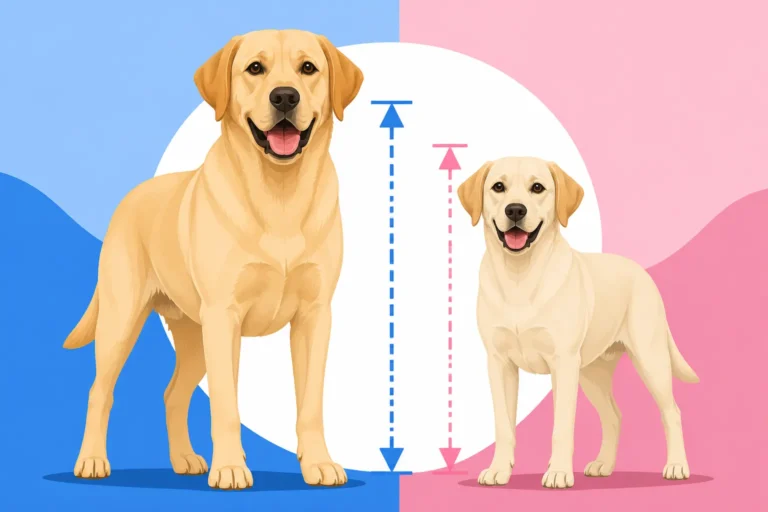
The Labrador’s Thirty-One Years at Number One
For thirty-one straight years, the Labrador Retriever held a place in the hearts and homes of America like no other dog breed. If you've ever wondered what made this breed such an undeniable favorite for so long, and what it means for their continued legacy, you're in the right place. This guide dives deep into the characteristics, societal shifts, and cultural impact that allowed Labradors to achieve and maintain such an extraordinary reign as the nation's most beloved canine companion.
A Reign Like No Other: Understanding the Labrador's Popularity Streak
Imagine a dog so universally loved, so widely recognized, that it topped the popularity charts for over three decades straight. That was the Labrador Retriever, an unparalleled achievement in the dog world. This wasn't just a fleeting trend; it was a testament to a breed that seemed to embody everything people looked for in a family pet and working companion. The sustained adoration wasn't accidental; it was built on a foundation of remarkable traits and a changing societal landscape.
What Made Labradors So Universally Appealing?
The Labrador's rise to the top wasn't a mystery to anyone who had the pleasure of owning one. Their appeal is deeply rooted in a combination of innate qualities and adaptability. First and foremost, their temperament is often described as friendly, outgoing, and eager to please. This made them excellent candidates for a wide variety of roles, from hunting partners to service dogs, and, crucially, beloved family members. Their sturdy build and moderate size meant they could handle boisterous play with children but weren't so small as to be fragile or so large as to overwhelm average homes.
Beyond their disposition, Labradors possess a distinctive intelligence and trainability. They are typically quick learners, responding well to positive reinforcement and consistency. This meant that even first-time dog owners could often achieve success in training, building a strong bond with their canine companion. Their relatively low-maintenance grooming requirements, compared to many other popular breeds, also added to their practicality for busy families. This combination of an agreeable personality, intelligence, and ease of care made them a practical and joyful addition to countless households, solidifying their status as the go-to choice for a family pet.
The Era of the "Family Dog" and the Labrador's Perfect Fit
The three-decade reign of the Labrador coincided with a significant shift in how many people viewed their dogs. The concept of the "family dog" truly blossomed, with canines increasingly seen not just as pets, but as integral members of the household, participating in family activities and sharing domestic life. Suburbs were growing, homes often came with yards, and families were looking for a dog that could thrive in this environment. The Labrador, with its playful yet gentle nature, was the perfect fit.
They seamlessly integrated into family life, happy to accompany kids on bike rides, retrieve balls in the park, or simply curl up at their owner's feet during movie night. Their patience with children became legendary, making parents feel secure. They were robust enough for active outdoor adventures but content to relax indoors. This ability to be both an energetic playmate and a calm, affectionate companion meant they could adapt to various family dynamics and schedules. Their reputation for loyalty and steadfastness further cemented their role as the quintessential family pet during this transformative period, making them an obvious choice when considering Whether a Labrador Suits Your Household.
The Labrador's Foundation: Temperament, Trainability, and Versatility
At the heart of the Labrador's enduring popularity, and indeed its decades-long stint as America's favorite dog, lies its foundational traits. These aren't superficial qualities but deeply ingrained aspects of their breed standard and historical purpose that make them uniquely suited to human companionship. Their celebrated temperament, remarkable intelligence, and unparalleled versatility created a dog that could effortlessly transition between various roles and environments.
The "Soft Mouth" and Its Legacy: More Than Just Retrieving
The "soft mouth" of the Labrador Retriever is one of its most famous characteristics, originating from its history as a gundog bred to retrieve game without damaging it. This means they can carry objects, even delicate ones like an egg, without breaking them. But this trait is so much more than just a skill for hunting; it's a profound indicator of their gentle nature. A dog with a soft mouth is less likely to nip or bite aggressively, and it suggests an inherent control over their bite inhibition. This gentleness extends to how they interact with people, especially children, and other animals.
This gentle disposition translates into a dog that is often incredibly tolerant and forgiving, making them ideal companions for bustling family homes. They are less prone to reactive or aggressive behaviors, preferring instead to engage with the world in a curious and friendly manner. This legacy of a soft mouth underpins the Labrador's reputation as a trustworthy and kind-hearted breed, a characteristic that consistently made them a top choice for families seeking a safe and amiable pet. You can truly see this gentleness in their typical Labrador Temperament and Personality.
Trainability and Intelligence: Why Owners Loved Them
Labradors are renowned for their intelligence and eagerness to please, qualities that contribute immensely to their trainability. They possess a keen mind and a strong desire to work alongside their human companions, soaking up new commands and routines with remarkable speed. This isn't to say they don't have their puppy moments of mischief or stubbornness during adolescence, but overall, they are highly receptive to training. This trainability is a massive advantage for owners, particularly those who are new to dog ownership.
Their intelligence means they thrive on mental stimulation as much as physical exercise. Activities like obedience training, puzzle toys, and even simple "find it" games can keep their minds sharp and engaged. This ease of training allows owners to integrate them smoothly into their lives, teaching them good manners, reliable recall, and specific tasks. A well-trained Labrador is a joy to live with, capable of being a polite houseguest and a respectful public citizen. This inherent Labrador Intelligence and Trainability meant that owners could build strong, harmonious relationships with their dogs, further cementing their position as a beloved breed.
The All-Around Dog: From Field to Family Room
What truly sets the Labrador apart and fueled its incredible run at number one is its unparalleled versatility. This is a breed that genuinely excels in almost any role it is asked to fill. Historically, they were bred as working dogs, retrieving fishnets and downed game for fishermen and hunters in the cold waters of Newfoundland. This heritage created a dog with incredible drive, stamina, and a natural affinity for water. The Where the Labrador Retriever Came From explains this fascinating history.
Today, this translates into dogs that are not only exceptional hunting partners but also outstanding service dogs for people with disabilities, highly successful search and rescue dogs, and stars in competitive dog sports like agility and obedience. Yet, despite their strong working drive, they can just as happily transition to being devoted, laid-back family pets, content with daily walks and plenty of cuddles on the sofa. This incredible adaptability means that a Labrador can thrive in a variety of living situations and family dynamics, as long as their needs for exercise and mental stimulation are met. They are truly the Swiss Army knife of dog breeds, capable of doing it all, making them an ideal choice for a diverse range of owners and cementing their status as The Labrador Retriever Breed Explained.
Marketing and Media: How Labradors Captured Hearts and Homes
While the Labrador's inherent qualities were undeniably the primary driver of its popularity, the way they were portrayed in media and how their reputation spread through word of mouth played a significant role in elevating them to and keeping them at the number one spot for so long. It was a perfect storm of an excellent breed meeting a receptive audience, whose perceptions were shaped and reinforced by cultural touchstones.
Media Portrayals: The Labrador as an Ideal Companion
Think about the iconic dogs in movies, TV shows, and even commercials over the past few decades. More often than not, you'll find a Labrador Retriever playing the role of the loyal, heroic, or comedic family dog. These portrayals weren't just random choices; they reflected and amplified the breed's real-life qualities, etching an image of the perfect canine companion into the public consciousness. Films like "Marley & Me" (even with Marley's mischievous side) showcased the boundless love and unbreakable bond a Lab forms with its family. Countless commercials featured Labradors happily retrieving, playing with children, or patiently waiting by their owner's side, often representing an idyllic domestic scene.
These widespread media appearances didn't just entertain; they educated and influenced prospective dog owners. They reinforced the idea that Labradors were inherently good with kids, trainable, and generally well-behaved. This consistent positive exposure made the breed recognizable and aspirational. When people considered getting a dog, the image of a friendly, golden or black Labrador often came to mind first, influenced by these pervasive and affectionate media depictions. This cultural ubiquity helped solidify the Labrador's status as the quintessential family pet, making it a natural choice for many looking to welcome a dog into their lives.
Word of Mouth and Breed Reputation
Beyond the screen, the Labrador's popularity was powerfully driven by one of the oldest forms of marketing: word of mouth. Satisfied owners became the breed's best advocates, sharing their positive experiences with friends, family, and neighbors. When someone witnessed a well-behaved Labrador at the park, or heard a glowing account from a friend about their dog's gentle nature and boundless loyalty, it had a tangible impact. "My Labrador is so good with the kids," or "He's the easiest dog I've ever trained," became common refrains, spreading the breed's excellent reputation far and wide.
This organic spread of positive sentiment created a self-fulfilling prophecy. As more people adopted Labradors and had positive experiences, more people recommended them, leading to even more adoptions. This created a strong, positive feedback loop that sustained their popularity for decades. People trusted the lived experiences of others, and the overwhelming consensus was that Labradors were a fantastic choice. This collective endorsement, combined with their strong Labrador Temperament and Personality and high Labrador Intelligence and Trainability, created an unstoppable wave of enthusiasm that propelled them to the top and kept them there. Reputable breeders and rescues also played a vital role, ensuring that well-socialized and healthy puppies continued to enter homes, further reinforcing the breed's stellar reputation. You can often find a lot of essential supplies for new owners, or even just learn more about different breeds, from online retailers like Chewy, who contribute to the broader dog ownership community.
The Shift: Why Labradors Slipped from the Top Spot
After an unprecedented thirty-one years at the pinnacle of breed popularity, the Labrador Retriever eventually ceded its top spot. This wasn't a sudden fall from grace, nor did it signify a loss of the breed's beloved qualities. Instead, it was a reflection of broader societal changes, evolving preferences among potential dog owners, and, perhaps, the inevitable challenges that come with any breed experiencing immense popularity.
Evolving Lifestyles and Housing Trends
The landscape of American life has undergone significant transformations over the past few decades, directly impacting dog ownership trends. The sprawling suburban homes with large yards that characterized much of the Labrador's reign are becoming less common for many families. There's a growing trend towards urban living, smaller homes, and apartments, where a large, energetic dog like a Labrador might present more logistical challenges. While Labradors can certainly adapt to apartment living with sufficient exercise, it requires a more dedicated effort from owners compared to a home with ample outdoor space.
Furthermore, people's schedules have become increasingly demanding. Long work hours, commutes, and a desire for more flexibility in travel mean that some prospective owners are seeking breeds that are content with less intense exercise routines or extended periods alone. While Labradors are famously adaptable, they do require substantial physical and mental stimulation, especially in their younger years. This combination of smaller living spaces and busier lifestyles led some to look for canine companions that might be perceived as lower maintenance in terms of space and daily activity, contributing to the gradual shift in breed preferences. Finding the right gear for any living situation, whether it's a small apartment or a big house, is made easier with comprehensive pet supply sites like Chewy.
Rise of Designer Breeds and Smaller Companions
Another significant factor in the Labrador's shift from the top was the surge in popularity of other breeds, particularly designer mixes and smaller companion dogs. The "Doodle" craze, for example, brought breeds like the Goldendoodle and Labradoodle into the spotlight, often marketed as hypoallergenic or lower-shedding alternatives, or as combining the best traits of two popular breeds. These new mixes offered a novelty factor and appealed to owners with specific needs or desires, such as those with allergies or those who preferred less shedding.
Simultaneously, there was a growing interest in smaller breeds that are often better suited for apartment living, easier to travel with, and might require less intense exercise. Breeds like French Bulldogs, Poodles, and various terrier types began to climb the ranks, reflecting a demographic shift towards urban living and different aesthetic preferences. While Labradors remained incredibly popular, the sheer variety of breeds and mixes available, combined with clever marketing for new or rediscovered types, meant that the competition for the "most popular" title intensified significantly. People had more choices, and their choices began to diversify beyond the traditional top contenders.
The Debate: Were Labradors "Too Popular" for Their Own Good?
It's a bittersweet truth that immense popularity can sometimes be a double-edged sword for a breed. While the Labrador's widespread appeal brought many wonderful dogs into loving homes, it also led to concerns about overbreeding and a decline in quality in some lines. When a breed becomes incredibly popular, unscrupulous breeders, often referred to as "backyard breeders" or "puppy mills," can capitalize on the demand. These individuals often prioritize profit over health, temperament, and adherence to breed standards.
This can result in Labradors being bred without proper health clearances, leading to an increase in genetic conditions like Labrador Hip and Elbow Dysplasia or Exercise-Induced Collapse in Labrador Retrievers. Furthermore, poor breeding practices can sometimes lead to temperament issues, where dogs might be more anxious, shy, or even aggressive, deviating from the breed's generally friendly and stable nature. While responsible breeders continued to uphold the highest standards, the sheer volume of "poorly bred" Labradors entering the market may have contributed to a subtle erosion of the breed's reputation among some segments of the public. This concern highlights the critical importance of Finding a Reputable Labrador Breeder and ensuring Health Clearances a Labrador Breeder Must Show to maintain the integrity and health of the breed.
Beyond the Number One Spot: The Labrador's Enduring Legacy
Even though the Labrador Retriever has stepped down from its unprecedented run at the top of the popularity charts, it's crucial to understand that this in no way diminishes the breed's enduring appeal or its cherished place in the hearts of millions. The Labrador's legacy is far greater than any single ranking; it's about the profound impact these dogs have had on families, working fields, and the very definition of a loyal companion.
Still a Top Contender: Labrador's Continued High Ranking
To put things in perspective, while the Labrador is no longer number one, it still consistently ranks among the top three or five most popular breeds year after year. This isn't a decline into obscurity; it's a testament to a breed whose fundamental qualities remain highly desirable. Labradors are still chosen by countless families for their gentle nature, intelligence, and versatility. They continue to be highly sought after for service work, search and rescue, and as hunting companions.
The fact that they remain so incredibly popular, even without the "number one" title, speaks volumes about their intrinsic value. Owners understand that the qualities that made them beloved for decades haven't vanished. They still embody the ideal family dog for many, proving that true popularity isn't just about a ranking, but about a lasting connection built on trust, affection, and compatibility. It's a reminder that their consistent high standing reflects their genuine suitability for diverse roles and lifestyles, maintaining their status as one of the most beloved breeds globally. If you’re looking to get a new puppy, resources like Chewy can help you prepare with everything from food to toys, ensuring a great start.
The Importance of Responsible Breeding and Ownership
The conversation around the Labrador's shift in ranking brings into sharp focus the vital role of responsible breeding and ownership. With any highly popular breed, there's always a risk of diluting genetic quality and temperament due to irresponsible breeding practices. Now, more than ever, it's paramount for prospective owners to prioritize finding reputable breeders who conduct thorough health clearances, prioritize good temperament, and are dedicated to the breed's long-term health and well-being. This is crucial for maintaining the breed's integrity and ensuring that the Labradors of today and tomorrow continue to embody the wonderful qualities they are known for.
For current and future Labrador owners, responsible ownership means understanding the breed's needs: providing adequate exercise, mental stimulation, proper nutrition Feeding a Labrador Through Every Life Stage, and consistent Training a Labrador From Puppy to Adult. It means being vigilant about their health and understanding potential issues, as outlined in articles like Labrador Lifespan and What Changes It. By focusing on responsible practices, we ensure that the Labrador Retriever continues to thrive as a healthy, well-adjusted, and beloved companion for generations to come, regardless of its exact position on a popularity chart. Their enduring spirit and unwavering loyalty are their true crowns, far more significant than any numerical ranking.
Disclaimer
This article is for general informational purposes only and does not constitute professional advice. Laws, prices and regulations vary by location and change over time. Consult a qualified professional for guidance on your specific situation.