Exercise-Induced Collapse in Labrador Retrievers
It's absolutely heart-wrenching to watch your energetic Labrador, full of life one moment, suddenly collapse and struggle after a burst of activity. This terrifying experience is often the first sign of Exercise-Induced Collapse (EIC), a perplexing genetic condition that can catch even the most seasoned dog owners off guard. This guide is here to shed light on EIC, help you understand its causes, recognize its subtle and dramatic symptoms, and empower you with knowledge to manage it, ensuring your beloved Lab can still lead a full, happy life within safe boundaries.
Understanding Exercise-Induced Collapse: A Genetic Mystery
When your Labrador is born with EIC, it's not immediately obvious. These dogs are usually the picture of health and vitality, often among the most enthusiastic and athletic puppies in a litter. The signs only emerge later, typically between 5 months and 3 years of age, and always after a period of intense exercise. It’s like a hidden switch that gets flipped.
What Exactly Is EIC and How Does It Manifest?
Exercise-Induced Collapse (EIC) is a genetic neuromuscular disorder that primarily affects Labrador Retrievers and a few other related breeds. What makes it so baffling is that affected dogs appear completely normal until they engage in strenuous activity, particularly when they get overly excited. They don't have issues with everyday walks or moderate play; it's the high-intensity, high-arousal activities that trigger an episode.
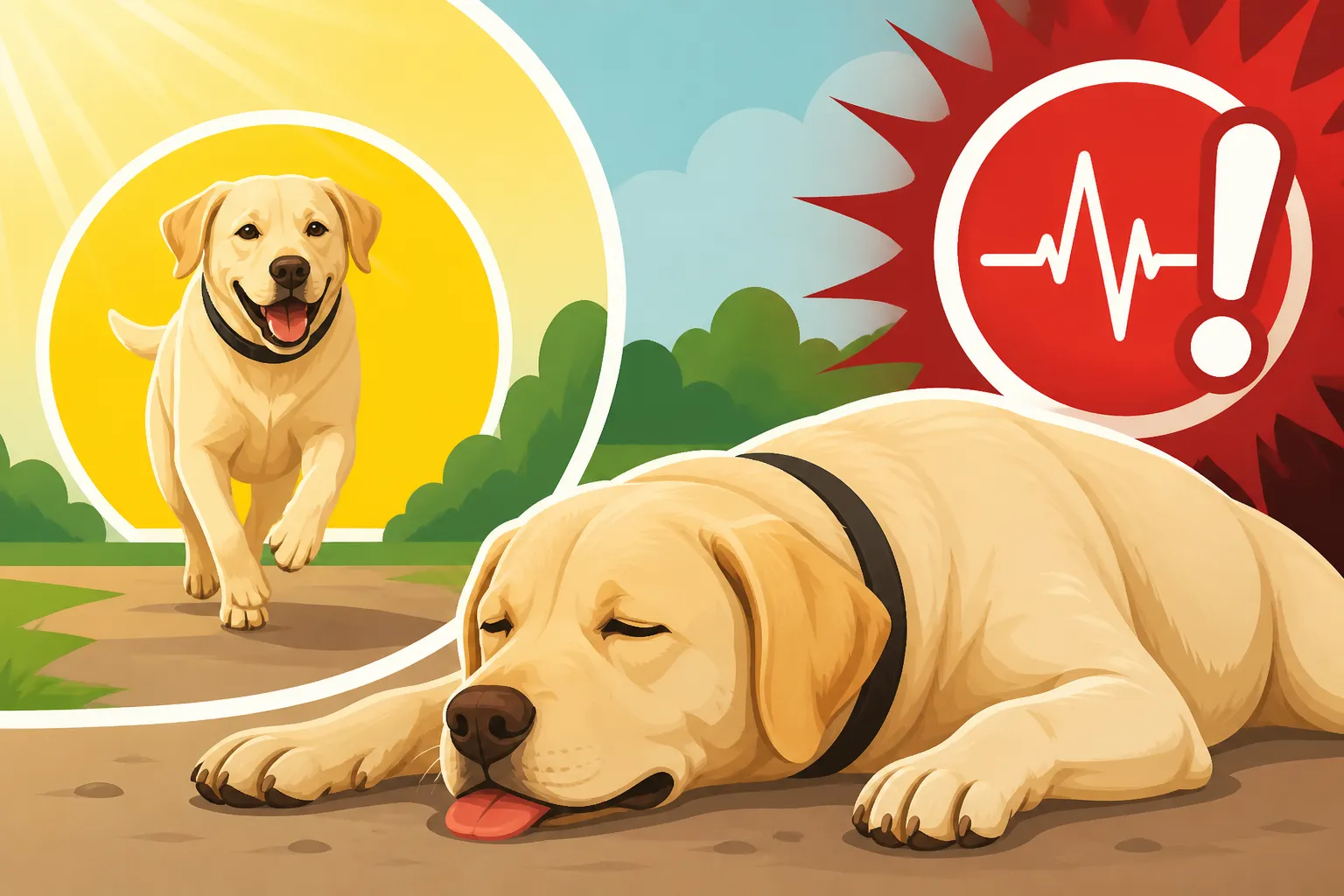
During an EIC episode, the dog's muscles, particularly in the hind limbs, become weak and uncoordinated. You might notice them staggering, losing control of their legs, and eventually collapsing. It's not a seizure, and they usually remain conscious and alert throughout, often trying desperately to get back up, but their body just won't cooperate. The duration of these episodes can vary, but they usually last between 5 and 25 minutes. After the episode passes, most dogs recover completely within 30 minutes, though they might be a bit wobbly for a while. It’s a terrifying sight for an owner, made worse by the fact that your dog seems fine just a short while later, leaving you questioning what just happened.
The key distinction from simple fatigue or heat exhaustion is that EIC often happens even when the dog isn't particularly overheated, and the collapse is specifically related to muscle weakness and incoordination rather than general lethargy or loss of consciousness. It’s a problem with nerve signals to the muscles during peak exertion. Many owners report that their Lab will collapse even on cool days, or after just a few minutes of particularly intense, exciting play, like retrieving bumpers repeatedly from water.
The Genetic Root: The DNM1 Mutation
For years, EIC was a mystery, often misdiagnosed as other conditions. Thankfully, in 2007, researchers at the University of Minnesota identified the specific gene responsible for EIC: the DNM1 gene. This discovery was a game-changer for Labrador owners and breeders alike. The DNM1 gene plays a crucial role in synaptic vesicle recycling in nerve cells, which is essential for proper neurotransmission and muscle function during high-demand situations. When there's a mutation in this gene, these processes don't work correctly, leading to the temporary muscle weakness and collapse.
EIC is inherited as an autosomal recessive trait. What this means in plain English is that a dog must inherit two copies of the mutated DNM1 gene – one from each parent – to be affected by the condition. If a dog inherits only one copy of the mutated gene and one normal copy, they are considered a "carrier." Carriers will not show any symptoms of EIC themselves, as the single healthy copy of the gene is enough to prevent the disease. However, they can pass the mutated gene on to their offspring. This is why understanding The DNM1 Mutation Behind Labrador Collapse is so vital for both pet owners and breeders.
Responsible breeders now routinely test their breeding stock for the DNM1 mutation. This allows them to make informed decisions about pairings, ensuring they never breed two carriers together, which would produce affected puppies. If a carrier is bred to a clear (non-carrier) dog, none of the puppies will be affected by EIC, although some may be carriers themselves. It's a powerful tool in eradicating this distressing condition from future generations of Labradors.
Recognizing the Signs and Triggers of an EIC Episode
Identifying an EIC episode can be tricky because the initial symptoms might seem like simple fatigue. However, understanding the progression and common triggers is crucial for early intervention and accurate diagnosis. It's a situation where knowing What an EIC Episode Looks Like in a Labrador can make all the difference.
What an EIC Episode Looks Like in a Labrador
An EIC episode typically follows a predictable pattern, starting subtly and escalating rapidly. It rarely happens at the very beginning of exercise; instead, it usually occurs 5-20 minutes into strenuous activity.
Here’s a common progression:
- Hind Limb Weakness: The first signs are often a noticeable weakness or wobbliness in the hind legs. Your Labrador might start to drag their back paws or stumble. They might look like their legs are simply giving out from under them, often described as "wobbly rear."
- Lack of Coordination: This progresses to a lack of coordination in all four limbs, though the hind limbs are usually more severely affected. The dog might develop a "drunk" gait, swaying or having difficulty maintaining balance.
- Partial to Full Collapse: Eventually, the dog may be unable to move their hind legs at all and will crouch or drag them. In severe cases, they might completely collapse, unable to stand, even if they are trying with all their might. Their tail might droop or hang limp, rather than the characteristic "otter tail" wagging we usually see.
- Consciousness and Awareness: Despite the physical collapse, the dog usually remains fully conscious and alert. They might even try to respond to your commands or look distressed, panting heavily, but they are physically unable to move. This is a key differentiator from seizures or fainting.
- Rapid Recovery: The good news is that most dogs recover quite quickly once the activity stops and they are rested. Within 5 to 25 minutes, they typically regain their ability to stand and walk, though they might seem a bit tired or stiff for a short period afterward.
It’s important to remember that during an episode, their body temperature might rise slightly, but it rarely reaches dangerous levels associated with heatstroke. Their gums and tongue remain pink, unlike the bright red of heatstroke, and their mental state is usually clear. This distinction between EIC and other critical conditions is important, especially when considering Telling EIC From Heatstroke in a Labrador.
Common Triggers Beyond Just Exercise
While the name "Exercise-Induced Collapse" clearly points to physical activity, it's not just any exercise that causes an episode. The intensity and, more importantly, the excitement level associated with the activity are often the primary triggers.
Think about the kinds of activities Labradors love:
- High-Intensity Retrieving: Repeatedly chasing and retrieving tennis balls, frisbees, or bumpers, especially in rapid succession. This is a classic trigger, whether on land or in water.
- Highly Arousing Play: Engaging in vigorous play with other dogs, especially rough-and-tumble wrestling or fast-paced chase games, can lead to an episode. The sheer joy and adrenaline can contribute.
- Hunting and Field Work: For working lines, intense field trials or hunting trips, where excitement is high and exertion is sustained, are very common triggers. Whether a Labrador Can Still Hunt is a question many owners of EIC-affected dogs grapple with, and the answer is often "yes, with careful management."
- Environmental Factors: While EIC isn't heatstroke, high environmental temperatures or humidity can lower the threshold for an episode. A dog might tolerate a certain level of exercise on a cool day but collapse from the same activity on a warm, muggy one. Similarly, extreme excitement, even in cooler weather, can be a trigger, highlighting how Heat and Excitement as EIC Triggers often combine to create a perfect storm.
- Stress and Novelty: Sometimes, even activities that aren't physically extreme but are highly novel or stressful can trigger an episode due to heightened arousal. Think of a first-time agility class or a busy dog park.
It's not about the dog being out of shape; EIC-affected Labs are often incredibly fit. It's about how their bodies handle the specific neurochemical demands of intense, excited exertion. Understanding these triggers is the first step in managing the condition and preventing future episodes.
Diagnosing EIC: Getting to the Bottom of the Collapse
Witnessing your Labrador collapse is terrifying, and the immediate instinct is to understand why. Because EIC shares some superficial similarities with other conditions, getting an accurate diagnosis is paramount. Without it, you might be treating the wrong issue, or worse, putting your dog at continued risk.
The Importance of Genetic Testing
The absolute cornerstone of EIC diagnosis is genetic testing. Thanks to the identification of the DNM1 gene mutation, a definitive diagnosis can be made with a simple, non-invasive test. There’s no need for expensive, risky procedures.
Here’s how it typically works:
- Sample Collection: Your veterinarian will collect a DNA sample, usually a cheek swab or a small blood sample. These samples are then sent to a specialized veterinary genetics laboratory.
- Lab Analysis: The lab analyzes the sample to determine the dog's DNM1 gene status. The results will categorize your Labrador as one of three possibilities:
- Clear: The dog does not carry the mutated gene and cannot develop EIC or pass it on.
- Carrier: The dog carries one copy of the mutated gene but has one normal copy. They will not develop EIC symptoms but can pass the gene to their offspring.
- Affected: The dog has inherited two copies of the mutated gene and will develop EIC symptoms if exposed to the right triggers.
- Result Interpretation: Your vet will explain the results and discuss the implications. If your dog tests "affected," and their symptoms align with EIC, the diagnosis is confirmed.
This genetic test is incredibly accurate and should be considered for any Labrador that has experienced unexplained collapse after exercise. It's also a critical tool for responsible breeders who want to ensure they are producing healthy puppies and preventing the spread of the condition. Many responsible breeders will perform Genetic Panels Worth Running on a Labrador on all their breeding stock, including EIC. This early testing can prevent heartache for future puppy owners.
The cost of genetic testing is relatively low compared to the potential costs of misdiagnosis or treating a more severe, incorrect condition. It offers peace of mind and a clear path forward for management.
Differentiating EIC From Other Conditions
While genetic testing confirms EIC, it's vital that your veterinarian considers other potential causes for collapse, especially if genetic testing isn't immediately available or if the symptoms are atypical. Many conditions can cause a dog to collapse, and some are far more serious or require different emergency interventions. This is where a thorough veterinary examination and differential diagnosis come into play.
Here are some conditions that EIC can be confused with:
- Heatstroke: This is perhaps the most common confusion. Heatstroke involves dangerously elevated body temperatures, often accompanied by bright red gums, excessive panting, drooling, and mental dullness or disorientation. EIC dogs usually remain mentally alert, and their body temperature typically returns to normal quickly after rest. Understanding the nuances is key to Telling EIC From Heatstroke in a Labrador.
- Hypoglycemia (Low Blood Sugar): While less common in otherwise healthy, active Labs, severe exercise can sometimes lead to dangerously low blood sugar, especially in diabetic dogs or those with certain metabolic disorders. Symptoms can include weakness, disorientation, and collapse, but usually respond quickly to sugar administration.
- Cardiac Issues: Underlying heart conditions, such as arrhythmias or structural heart disease, can cause exercise intolerance, fainting, or sudden collapse. These are often accompanied by other signs like coughing, shortness of breath, or a heart murmur.
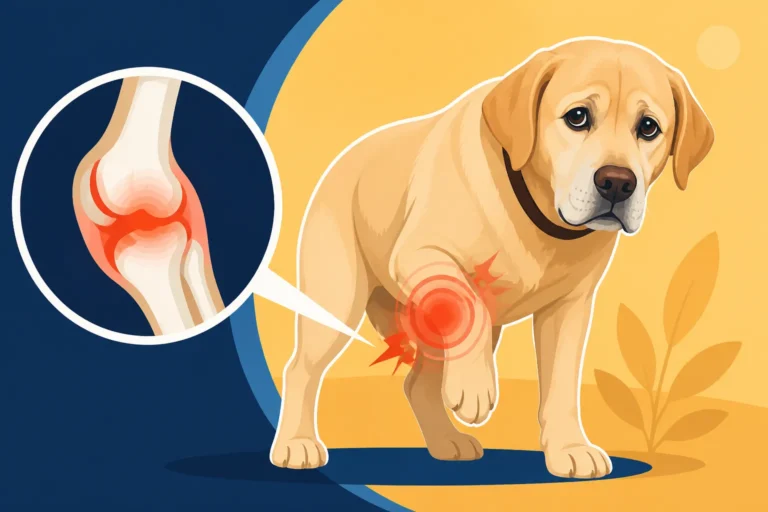
- Orthopedic Problems: Severe conditions like advanced Labrador Hip and Elbow Dysplasia, luxating patellas, or acute injuries can cause lameness and reluctance to move, which might be mistaken for collapse. However, EIC is a neurological event, not a structural bone or joint problem. Regular screenings like OFA and PennHIP Screening for Labradors are important to rule out these possibilities.
- Neurological Conditions: Other neurological disorders affecting muscle control or nerve transmission could potentially cause similar signs, though many are progressive or have different trigger patterns.
- Narcolepsy/Cataplexy: These conditions involve sudden sleep or muscle weakness triggered by strong emotions, but they are typically distinct from EIC in their presentation and triggers.
Because of these possibilities, your vet might recommend additional diagnostic tests, such as blood work, urinalysis, X-rays, or even an ECG, especially if the EIC genetic test comes back negative or if there are other concerning symptoms. It's about ruling out other dangerous conditions to confirm EIC as the definitive cause. Having pet insurance like Healthy Paws can be incredibly helpful for covering the costs of these diagnostic tests and ensuring you get a swift, accurate diagnosis without financial strain.
Living With an EIC-Affected Labrador: Managing the Condition
Receiving an EIC diagnosis can feel overwhelming, but it's important to remember that EIC is a manageable condition. Many EIC-affected Labradors go on to live full, happy lives. The key is understanding their limits and proactively managing their environment and activity levels. This isn't about eliminating exercise altogether, but about modifying it smartly. This is the heart of Living With an EIC Affected Labrador.
Adapting Exercise Routines for Safety
The most crucial aspect of managing an EIC-affected Labrador is to carefully monitor and adapt their exercise routine. The goal is to provide enough physical and mental stimulation without triggering an episode.
Here's how to approach it:
- Identify and Avoid Triggers: This is the first and most important step. Pay close attention to what specific activities, durations, and levels of excitement lead to collapse. For many Labs, it's intense, repetitive retrieving or high-arousal play with other dogs. Once you know their personal triggers, avoid them.
- Focus on Moderate, Sustained Activity: Instead of short bursts of intense exercise, shift to longer, more moderate activities. Leashed walks, gentle hiking, and swimming (in controlled environments) can be excellent forms of exercise. The key is to keep the pace steady and enjoyable, avoiding sprints or sudden high-impact movements.
- Shorten Exercise Sessions: Even with moderate activity, keeping sessions shorter can be beneficial. Several shorter walks or playtimes throughout the day are often better than one long, strenuous outing.
- Mind the Temperature: While EIC isn't heatstroke, high temperatures and humidity definitely lower the threshold for an episode. Exercise your Labrador during the cooler parts of the day (early morning or late evening) in summer, and always provide plenty of fresh water and shade.
- Incorporate Mental Stimulation: Since physical exertion is limited, mental enrichment becomes even more vital. Puzzle toys, scent work, obedience training sessions, and interactive games can help tire your Labrador's mind without overtaxing their body. Scent work, for example, can be done indoors and provides a wonderful outlet for their natural drives.
- Consider a Harness: For dogs prone to hind limb weakness, a supportive harness can provide some stability and help you guide them if they start to wobble. Avoid collars that put pressure on the neck during exertion.
It’s all about finding a balance. Your Labrador still needs to be a Labrador, which means they need outlets for their energy and intelligence. By making smart adjustments, you can ensure they get the exercise they need safely.
Creating a Safe and Calm Environment
Beyond just modifying exercise, the overall environment and daily routine play a significant role in managing an EIC-affected Labrador. Reducing sources of excessive excitement and managing environmental factors can help prevent episodes.
- Manage Arousal Levels: Labradors are naturally enthusiastic, and excitement can ramp up their internal system in a way that contributes to EIC. Teach your dog "settle" commands and reward calm behavior. Avoid overstimulating situations like busy dog parks with unpredictable play, or situations where they might get over-hyped by visitors.
- Controlled Social Interactions: Socialization is important, but for an EIC-affected dog, it needs to be managed carefully. Opt for playdates with one or two known, calm dogs rather than large, boisterous groups. Monitor their energy levels closely and intervene before they become over-aroused.
- Temperature Control: Ensure your home environment is comfortable, especially during warmer months. Air conditioning, fans, and cooling mats can help keep your Labrador cool and reduce the risk of an episode. If they've been exercising, bring them indoors to a cool, quiet spot for recovery.
- Consistent Routine: A predictable daily routine can help reduce stress and anxiety, which in turn can lower arousal levels. Knowing what to expect helps your Labrador remain calmer throughout the day.
- Stress Reduction: Identify any sources of stress in your Labrador's life and try to minimize them. This could include loud noises, unfamiliar environments, or even changes in routine. A calm, consistent home environment is a powerful tool in EIC management.
Remember, every Labrador is an individual. What triggers one dog might not affect another, and the severity of symptoms can also vary. Consistent observation and communication with your vet are essential for creating the best management plan for your unique companion.
Emergency Protocols: What to Do During a Collapse
Even with the best management, an EIC episode can still occur. When it does, your immediate actions are crucial for your Labrador's safety and comfort. Knowing exactly what to do can help you remain calm and provide the best possible care.
Immediate Steps When Your Labrador Collapses
When your Labrador begins to show signs of EIC or collapses, your primary goal is to stop the triggering activity and ensure their safety.
Here are the immediate steps to take:
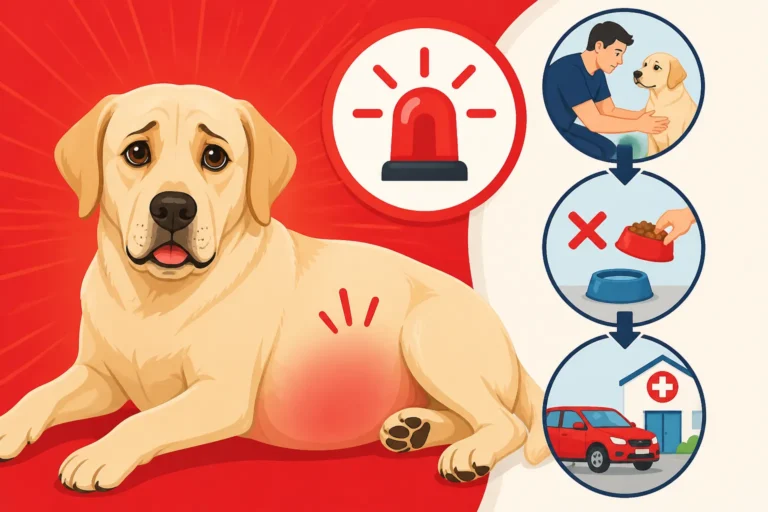
- Stop All Activity Immediately: This is non-negotiable. As soon as you see the first signs of wobbling or hind limb weakness, halt whatever activity your Labrador is engaged in. Leash them if they are off-leash, and gently guide them to a safe, quiet spot.
- Move to a Cool, Shaded Area: Even if heat wasn't the primary trigger, a cool environment will help your dog recover. Get them out of direct sunlight and onto a cooler surface like grass or pavement (if not too hot) or ideally, indoors.
- Offer Water (If Able to Drink): If your Labrador is conscious and able to swallow safely, offer them a small amount of water. Do not force water on them, as this could lead to aspiration.
- Remain Calm and Provide Reassurance: Your stress can transfer to your dog. Speak in a calm, soothing voice, and gently stroke them if they find it comforting. Avoid excessive fuss or excitement, as this can further elevate their arousal levels.
- Monitor Body Temperature (Optional but Helpful): If you carry a rectal thermometer, a quick check of their temperature can help differentiate EIC from true heatstroke. EIC dogs typically have temperatures that are only slightly elevated or normal, not critically high (above 105°F or 40.5°C).
- Allow for Natural Recovery: Resist the urge to try and make them stand or walk. Allow them to rest completely until their coordination returns. Most EIC episodes resolve on their own within 5 to 25 minutes. Trying to force them to move prematurely can exacerbate the issue or prolong recovery.
It can be incredibly frightening to see your robust Labrador suddenly unable to use their legs. However, remember that most EIC episodes resolve completely, and your calm demeanor is the best comfort you can offer them in that moment.
When Veterinary Intervention is Necessary
While most EIC episodes resolve spontaneously, there are situations where immediate veterinary attention is warranted. It’s important to know the red flags that indicate a more serious problem or a need for professional help.
Seek veterinary care immediately if:
- Episode Lasts Longer Than 30 Minutes: If your Labrador does not show significant signs of recovery or cannot stand within half an hour, it's time to call the vet. Prolonged collapse could indicate a more severe episode or a different underlying condition.
- Loss of Consciousness or Disorientation: While EIC dogs typically remain alert, any signs of confusion, unresponsiveness, or full loss of consciousness are red flags that point away from typical EIC and towards a more critical medical emergency.
- Severe Breathing Difficulties: While panting is normal after exertion, if your Labrador is struggling to breathe, showing labored respiration, blue-tinged gums, or making distressed respiratory noises, it's an emergency.
- Signs of True Heatstroke: If your dog's body temperature is critically high, their gums are bright red, they are excessively drooling, or their mental state is severely altered, they may be experiencing heatstroke, which is a life-threatening emergency requiring rapid cooling and veterinary intervention. Telling EIC From Heatstroke in a Labrador is critical in these moments.
- Repeated or Worsening Episodes: If your Labrador is experiencing EIC episodes more frequently, or if the severity and recovery time are increasing despite your management efforts, a re-evaluation by your veterinarian is necessary. This could indicate other concurrent health issues or a need to adjust their management plan.
- Any Other Alarming Symptoms: Trust your gut. If something just doesn't feel right, or if there are other new or unusual symptoms accompanying the collapse, err on the side of caution and contact your vet.
In these situations, don't hesitate. Call your vet or the nearest emergency veterinary clinic immediately. Having a plan for these emergencies is important, and pet insurance, such as a policy from Healthy Paws, can provide immense relief by covering unexpected emergency vet bills, allowing you to focus on your dog's health without added financial stress.
Breeding Responsibly: Preventing Future Cases
The discovery of the DNM1 gene mutation has given Labrador breeders an incredible tool to prevent the incidence of EIC. Responsible breeding practices are crucial not just for individual litters, but for the long-term health of the entire breed.
Screening Breeding Stock for the DNM1 Gene
For any reputable Labrador breeder, genetic testing for EIC is now a standard practice, just as important as screening for hip and elbow dysplasia. The process is straightforward and provides clear results that inform breeding decisions.
Here's why it's so critical:
- Identifies Affected Dogs: Testing breeding stock immediately identifies any dogs that are genetically "affected" and thus should never be bred, as they would pass on two copies of the problematic gene to all their offspring, ensuring all puppies are carriers and potentially affected if bred to another carrier.
- Identifies Carriers: Crucially, genetic testing also identifies "carrier" dogs. These dogs are perfectly healthy and do not experience EIC symptoms, but they carry one copy of the mutated gene. If two carriers are bred together, there's a 25% chance of producing affected puppies, a 50% chance of producing carrier puppies, and a 25% chance of producing clear puppies. This is why Health Clearances a Labrador Breeder Must Show are so important to review.
- Informs Breeding Pairings: The goal is to always produce EIC-clear puppies. This is achieved by ensuring that at least one parent in a breeding pair is genetically "clear" of the DNM1 mutation.
- Clear x Clear: All puppies will be clear.
- Clear x Carrier: All puppies will be clinically clear (no symptoms), but 50% will be carriers. These carriers can be safely bred to clear dogs in the future.
- Clear x Affected: All puppies will be clinically clear (no symptoms), but all will be carriers. This is an acceptable pairing if the affected dog has exceptional qualities and the puppies' carrier status is known.
- Carrier x Carrier: This pairing should be avoided, as it produces affected puppies.
- Carrier x Affected: This pairing should be avoided, as 50% of puppies will be affected.
- Affected x Affected: This pairing should be strictly avoided, as all puppies will be affected.
By diligently screening all breeding dogs, responsible breeders can confidently guarantee that the puppies they produce will not be affected by EIC. This helps prevent untold heartache for future families and safeguards the health of the Labrador Retriever breed.
Understanding Carrier Status and Its Implications
Many prospective puppy owners get understandably nervous when they learn a potential parent dog is an EIC "carrier." It's essential to understand that carrier status does not mean the dog will ever develop EIC symptoms. A carrier dog has one normal copy of the DNM1 gene, which is sufficient to ensure proper nerve function and prevent the disease from manifesting.
The implications of carrier status are primarily for breeding decisions:
- No Health Impact on the Carrier: An EIC carrier Labrador is just as healthy as a clear Labrador. They can lead full, active lives without any concern of developing EIC symptoms themselves. They can compete in sports, perform working roles, and be wonderful family companions.
- Importance for Breeding Programs: The main concern with carriers is their ability to pass on the mutated gene. Therefore, if a carrier dog is used for breeding, it must be bred to a dog that has been tested and is "clear" for EIC. This ensures that no affected puppies are produced. Any puppies resulting from a "Clear x Carrier" pairing should ideally be tested themselves if they are intended for future breeding, to determine their own carrier status.
- Preventing Spread While Maintaining Genetic Diversity: Excluding all carriers from breeding programs entirely, while seemingly the safest option, could severely limit the gene pool, especially if valuable traits like temperament, health, or working ability are tied to those lines. A more nuanced approach, where carriers are bred responsibly to clear dogs, allows for the maintenance of genetic diversity while still preventing affected offspring.
Ultimately, understanding genetic conditions like EIC empowers both breeders and puppy buyers. When you're looking for a Labrador puppy, always ask the breeder about the health clearances of the parents, including their EIC status. A reputable breeder will be transparent and happy to provide documentation.
Support and Resources for EIC Owners
Having a Labrador with EIC can feel isolating, but you're definitely not alone. There's a strong community of owners and professionals dedicated to supporting dogs with this condition. Connecting with these resources can provide invaluable advice, emotional support, and practical strategies for managing your dog's health.
Connecting with Other Owners and Communities
One of the most powerful resources for EIC owners is the collective experience of others facing similar challenges.
- Online Forums and Social Media Groups: Platforms like Facebook host numerous dedicated groups for owners of Labradors and other breeds affected by EIC. These communities offer a safe space to ask questions, share experiences, celebrate successes, and vent frustrations. You can learn about specific management tips, exercise modifications, and even receive emotional support from people who truly understand what you're going through. Simply searching for "Labrador EIC support group" will likely yield several active communities.
- Breed Clubs and Organizations: The Labrador Retriever Club of America (LRCA) and similar breed clubs in other countries are excellent resources. They often have health committees or dedicated sections on their websites that provide information about genetic conditions like EIC. They may also host events or have contact lists for local members who are experienced with EIC.
- Local Dog Training Groups: While EIC limits certain types of exercise, joining a local obedience or trick training class (with appropriate modifications and communication with the instructor) can connect you with other dog owners. Even if they don't have an EIC dog, they can be a source of general dog advice and companionship.
- Share Your Story: Don't be afraid to share your Labrador's story. You might be surprised how many people have experienced similar situations or know someone who has. Education and open conversation help raise awareness and reduce the stigma often associated with genetic conditions.
Connecting with others can provide practical tips, like specific types of toys that help tire a dog mentally without excessive physical strain, or creative ways to exercise a dog indoors when outdoor conditions are not suitable. It’s a wonderful way to feel supported and empowered.
Working with Your Veterinarian and Specialists
Your veterinarian is your primary partner in managing your EIC-affected Labrador. They are your first point of contact for any concerns, and their expertise is invaluable.
- Open and Frequent Communication: Maintain an open dialogue with your vet. Discuss any changes in your Labrador's condition, new symptoms, or challenges you're facing with management. Don't hesitate to ask questions about medication, supplements, or further diagnostic steps if needed. They can also help you understand how Labrador Arthritis in Middle Age might interact with EIC as your dog gets older.
- Regular Check-ups: Ensure your Labrador has regular veterinary check-ups. These appointments allow your vet to monitor their overall health, assess their body condition score, and discuss any potential complications or co-existing conditions.
- Consult with a Veterinary Neurologist: For complex cases, or if you feel your dog's condition isn't entirely typical for EIC, your general practitioner might refer you to a board-certified veterinary neurologist. These specialists have advanced training in disorders of the nervous system and can offer a deeper level of expertise in diagnosis and management. They can also help differentiate EIC from other, rarer neurological conditions.
- Consider Physical Therapy: If your Labrador experiences muscle weakness or stiffness after episodes, or if you're looking for safe ways to maintain muscle mass without triggering collapse, a certified canine physical therapist can be a fantastic resource. They can design a tailored exercise program, focusing on low-impact activities and strengthening exercises that are safe for EIC dogs.
- Discuss Pet Insurance Coverage: Understanding what your pet insurance covers is crucial, especially when dealing with a chronic condition. Policies from providers like Healthy Paws can help offset the costs of specialist consultations, physical therapy sessions, medications, and any emergency vet visits that might arise, providing significant financial relief and peace of mind.
By actively engaging with both your vet and the broader EIC community, you can build a comprehensive support system that ensures your Labrador receives the best possible care, allowing them to thrive despite their diagnosis.
| Symptom / Condition Characteristic | EIC (Exercise-Induced Collapse) | Heatstroke | General Fatigue |
|---|---|---|---|
| Onset | During intense/exciting exercise (5-20 min in) | During/after heavy exercise in hot conditions | After prolonged or strenuous activity |
| Recovery Time | 5-25 minutes (rapid, complete) | Hours to days, often requires vet intervention | Minutes to hours (slow, gradual) |
| Consciousness | Alert, aware, conscious | Disoriented, unconscious, seizures possible | Alert, but tired |
| Hind Limb Weakness | Prominent, often first sign | May be present, but general weakness more common | Mild, generalized |
| Coordination | Severe incoordination, staggering, collapse | Stumbling, weakness, often from heat | Just tired, perhaps a bit clumsy |
| Body Temperature | Mildly elevated, returns to normal quickly | Dangerously high (105°F+/40.5°C+) | Slightly elevated |
| Gums/Tongue Color | Pink, sometimes slightly darker | Bright red, brick red, later pale or bluish | Pink |
| Panting | Moderate to heavy, normal for exertion | Excessive, frantic, often shallow | Heavy, normal for exertion |
| Drooling | Normal to slightly increased | Excessive, thick saliva | Normal |
| Vomiting/Diarrhea | Rare | Common, can be bloody | Rare |
| Emergency Risk | Low (if managed), unless prolonged | High, life-threatening | Low |
| Cause | Genetic mutation (DNM1) | Overheating, inability to dissipate heat | Energy depletion, muscle strain |
| Management | Rest, cool down, genetic testing, exercise modification | Immediate cooling, IV fluids, vet care | Rest, rehydration |
Disclaimer
The information provided in this article is intended for general knowledge and informational purposes only, and does not constitute veterinary advice. Always consult with a qualified veterinarian for any health concerns or before making any decisions related to your Labrador Retriever's health and treatment.