Why a Labrador Raids the Trash
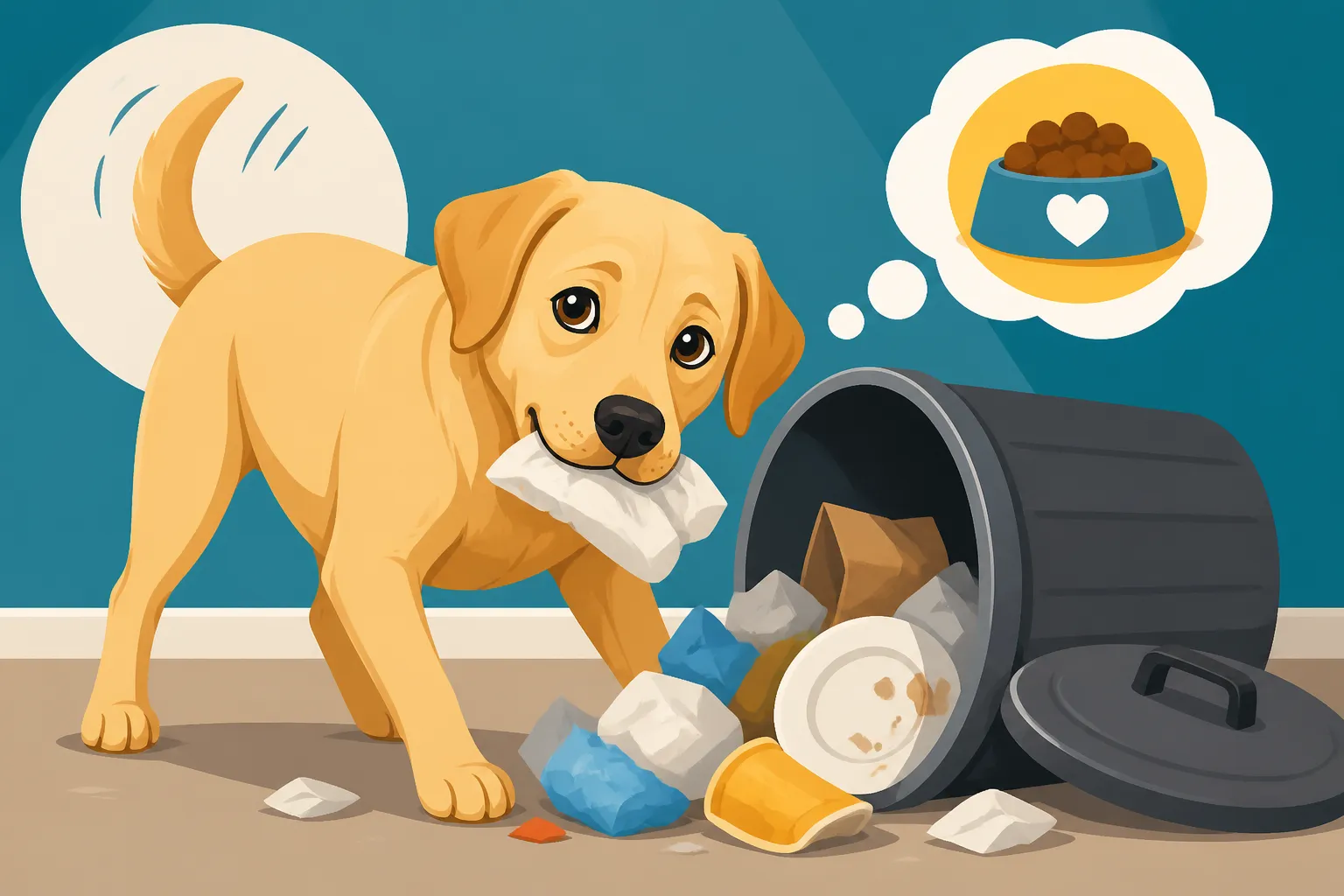
It’s a scene all too familiar to Labrador owners: you turn your back for a moment, and suddenly, there's a suspicious rustling from the kitchen, followed by the undeniable sound of a trash can lid clattering. Your beloved, usually well-behaved Labrador, is now standing amidst a culinary crime scene, tail wagging innocently, nose deep in last night’s dinner scraps. This isn't just annoying; it can be downright dangerous. This guide will delve into the core reasons why your Labrador treats your garbage like a five-star buffet and, more importantly, how you can put a stop to this messy and risky habit.
The Irresistible Allure of the Trash Can for a Labrador
Let’s be honest, for a Labrador, a trash can isn't a receptacle for waste; it's a treasure chest brimming with glorious, forbidden scents and potential snacks. Their powerful instincts and unique breed traits make them particularly susceptible to the siren call of discarded delights.
Their Powerful Sense of Smell
Labradors possess an incredible sense of smell, far superior to ours. What to us is a vague aroma of "old food" is, to a Labrador, a detailed menu: the lingering scent of chicken bones, the tantalizing grease from a pizza box, the sweet decay of fruit peels, or the pungent aroma of coffee grounds. Their noses are literally designed to track and retrieve, and in a domestic setting, the trash can becomes the most exciting "retrieve" target around. This isn't a behavioral flaw as much as it is a pure, unadulterated expression of their innate drive. They aren't trying to be naughty; they're just following their nose.
Imagine walking into a bakery and smelling fresh bread – it's hard to resist, right? For a Labrador, your trash can is that bakery, but with a thousand times more intensity. They’re simply overwhelmed by the sensory information, and their brain tells them, "Go explore that deliciousness!" This powerful olfactory ability means that even if you think the trash is sealed, your Labrador has likely already picked up on the residual scents, making it a prime target for investigation.
The Labrador's Legendary Food Drive
It’s no secret that Labradors are often described as "food-motivated" – a polite way of saying they live to eat. This isn't just anecdotal; there's a strong genetic component at play. Many Labradors carry a specific gene mutation (The POMC Gene and Labrador Appetite) that impacts their satiety signals, meaning they often don't feel full even after eating a proper meal. This insatiable hunger makes them perpetual foragers, always on the lookout for extra calories. The trash can is simply another opportunity to satisfy this deep-seated drive.
Think about it from their perspective: they’ve eaten their meal, but their body is still telling them they need more. What's easier than sniffing out something that's already within reach, even if it's discarded? This isn't about being defiant; it's about a strong, biological urge. They see the trash as a potential food source, a jackpot of forgotten morsels, and their brains are wired to pursue such rewards relentlessly. For many Labradors, the urge to eat overrides almost everything else, making the trash can a constant temptation. Why a Quarter of Labradors Overeat by Genetics delves deeper into this fascinating genetic predisposition.
Boredom and Lack of Mental Stimulation
While hunger and scent are huge factors, sometimes a Labrador's foray into the trash is simply a symptom of boredom. Labradors are intelligent, active dogs that require significant physical and mental stimulation. If they're not getting enough exercise, training, or engaging activities, they will find their own entertainment – and often, that entertainment involves destructive or undesirable behaviors. A trash raid can be an exciting puzzle to solve, a way to expend pent-up energy, or just something to do when left alone.
A bored Labrador might start by nosing the bin, then perhaps pawing it, and eventually, if it yields any interesting results (like a dropped piece of food), it becomes a reinforced behavior. It's a self-rewarding activity. They're not being malicious; they're just being Labradors with untapped potential. If they don't have appropriate outlets for their intelligence and energy, like puzzle toys, training sessions, or long walks, the trash can offers a readily available (and often thrilling) alternative. Considering activities that provide mental enrichment, such as Mental Work for a Bored Labrador, can make a significant difference.
Common Triggers and Opportunities for Trash Raiding
Understanding why Labradors are drawn to the trash is one thing, but pinpointing when and how they get into it can help you prevent future incidents. Trash raiding isn't usually random; it often happens under specific circumstances or when certain opportunities arise.
Leaving the Trash Accessible
This might seem obvious, but the number one reason Labradors raid the trash is that they can. An open trash can, one with a loose lid, or a small bin that's easily knocked over is an open invitation for a curious and food-driven Labrador. It only takes a second for them to stick their nose in and extract something interesting. Many owners underestimate a Labrador's ingenuity and determination when it comes to food.
They learn quickly. If they successfully tip over a small kitchen bin once and find a tasty treat, they will absolutely try again. They'll remember that rewarding experience. Counter-surfing is a related issue that often precedes or accompanies trash raiding. If they can reach a plate on the counter, they can probably figure out how to get into the bin beneath it. This makes it crucial to assess your home from your Labrador's perspective and identify all potential weak points in your trash security.
During Meal Prep or Post-Meal Clean-Up
The kitchen is often the heart of the home, and during meal preparation or after dinner, it becomes a hub of irresistible smells and discarded food items. Bits of trimming, vegetable peels, meat wrappers, and leftover sauces all go into the trash, creating a potent aroma that’s impossible for a Labrador to ignore. This is prime time for a trash raid, especially if your Labrador is present in the kitchen and not otherwise engaged.
It's during these moments of human distraction that opportunities arise. While you're chopping vegetables or scraping plates, your Labrador is observing, sniffing, and waiting for the moment when your attention is elsewhere. They’re remarkably patient when it comes to food. Having a system in place during these high-risk times, like having your Labrador crated or in another room, can prevent impulse dives into the bin.
When Left Home Alone
Many trash-raiding incidents occur when owners are out of the house. A Labrador who is prone to separation anxiety or simply gets bored and restless when alone might turn to the trash as a source of comfort, distraction, or just something to do. The house is quiet, no one is there to intervene, and the tantalizing smells are still present. This can lead to elaborate, messy, and potentially dangerous investigations.
The feeling of being alone, combined with their natural scavenging instincts, creates the perfect storm for a trash invasion. They might spend more time trying to access the trash than they would if you were home, honing their skills and becoming more determined. This is why addressing underlying issues like Separation Anxiety in Labrador Retrievers or ensuring ample Leaving a Labrador Home Alone mental stimulation is crucial if this is a frequent occurrence when you're out.
The Dangers of a Dumpster Dive
Beyond the sheer mess and frustration, allowing your Labrador to forage in the trash poses significant health risks. What seems like harmless leftovers can quickly become a veterinary emergency.
Choking Hazards and Internal Blockages
Many common household trash items are severe choking hazards for Labradors. Chicken bones, especially cooked ones, can splinter and get lodged in their throat or digestive tract. Corn cobs, fruit pits (like avocado or peach), plastic wrappers, aluminum foil, and even socks or pieces of fabric from discarded items can cause life-threatening internal blockages. Labradors are known for their "hoover" tendencies, meaning they often swallow first and ask questions later.
A blockage can lead to severe pain, vomiting, lethargy, and in worst-case scenarios, require expensive and invasive surgery. Imagine the panic if your Labrador starts gagging or showing signs of distress after a trash incident. It's a terrifying thought that can be prevented with proper trash management. Even seemingly innocuous items like string from a roast or plastic film from packaging can knot up in their intestines.
Toxic Ingestions and Poisoning
Your trash bin is a repository of things toxic to dogs. Coffee grounds, chocolate wrappers, moldy food, certain plants, cleaning product residue, batteries, and even discarded medications can be lethal. Grapes, Onions and Labrador Emergencies covers some of the most common kitchen toxins, but many other items found in trash are just as dangerous. Moldy food, in particular, can contain mycotoxins that cause tremors and seizures, while chocolate and xylitol (often found in sugar-free gum) are well-known poisons for dogs.
Even if you're careful, a guest might toss something dangerous without realizing it. A discarded chicken bone wrapped in aluminum foil could be a double whammy of choking hazard and potential internal injury. The potential for serious poisoning means that a trash raid is never just a minor transgression; it's a potential trip to the emergency vet. Being aware of these common dangers is the first step in preventing them.
Cuts, Punctures, and Other Injuries
Sharp objects, broken glass, can lids, razor blades (from disposable razors), and even shards of ceramic from a dropped plate can end up in the trash. A curious Labrador digging through the refuse can easily cut their paws, mouth, or internal organs. This could lead to serious infections, external bleeding, or internal injuries that are difficult to detect until symptoms become severe.
Think about a discarded tin can with a sharp edge, or a broken lightbulb. These aren't items a dog would typically encounter, but in a trash heap, they become hidden dangers. A paw pad cut can be incredibly painful and difficult to heal, especially for an active Labrador. Punctures inside the mouth or throat could become infected rapidly. The messy nature of trash itself means bacteria and other pathogens are rampant, increasing the risk of infection from any injury sustained.
| Hazard Type | Common Examples | Potential Outcome |
|---|---|---|
| Choking/Blockage | Cooked bones, corn cobs, fruit pits, plastics | Choking, intestinal obstruction, surgery, death |
| Toxic Ingestion | Chocolate, coffee grounds, grapes, moldy food, medications, xylitol, cleaning products | Vomiting, diarrhea, tremors, seizures, organ damage, death |
| Physical Injury | Broken glass, can lids, sharp plastics, razor blades | Cuts, punctures, internal bleeding, infection |
| Gastrointestinal Upset | Fatty foods, spicy foods, spoiled food | Vomiting, diarrhea, pancreatitis, dehydration |
Practical Strategies to Labrador-Proof Your Kitchen (and Home)
Now that we understand the "why" and "what," let's get into the "how" of preventing your Labrador from raiding the trash. This requires a multi-pronged approach combining management, training, and enrichment.
Invest in a Secure, Labrador-Proof Trash Can
The simplest and most effective solution is to make the trash inaccessible. This means investing in a trash can that your Labrador literally cannot open, knock over, or get into. Forget the flimsy step-cans or open bins. You need something robust.
Look for bins with:
- A strong, locking lid: Not just a lid that sits on top, but one that clips or latches securely.
- Heavy base: A weighted base prevents tipping. If it’s light, your determined Labrador will knock it over.
- Pedal-lock mechanism: Some pedal bins have a lock to prevent pets or small children from opening them.
- Motion-sensor lids with a manual override: While convenient, ensure it has a manual lock, as some Labradors quickly learn to trigger motion sensors.
Consider placing your trash can inside a pantry or cabinet with a strong latch, if possible. For example, if you're looking for durable, pet-friendly kitchen gear, online retailers like Amazon and Chewy offer a wide range of highly-rated, robust kitchen trash cans specifically designed to deter pets. Don't be afraid to spend a little more on this item; it's an investment in your Labrador's safety and your sanity.
Strict Management and Supervision
Prevention is always better than a cure. The moment you see your Labrador sniffing or getting too close to the trash, redirect them immediately with a firm "leave it" command or by physically moving them away. Don't wait until they've already got their nose in the leftovers.
- Supervised Kitchen Time: During meal prep or clean-up, either supervise your Labrador closely or have them in another room, secured in a crate, or engaged with a high-value chew toy.
- Remove Temptation: When you're dealing with particularly smelly or dangerous trash (like raw meat packaging or cooked bones), take it out to an outdoor bin immediately. Don't let it linger in your indoor trash.
- Baby Gates and Closed Doors: Use baby gates to block off kitchen access when you can't supervise, especially if your Labrador is a known trash bandit. Keeping internal doors closed can also help Labrador-Proofing a Kitchen.
This constant vigilance can feel exhausting, but consistency is key. Every time they are prevented from accessing the trash, they miss an opportunity to reinforce the undesirable behavior.
Training the "Leave It" Command
A solid "leave it" command is invaluable not just for trash, but for preventing your Labrador from picking up anything dangerous on walks or in the house. Start practicing this command in a low-distraction environment with low-value items, gradually increasing the difficulty.
- Start simple: Place a treat on the floor, cover it with your hand. When your Labrador tries to get it, say "leave it." The moment they look away, even for a second, reward them with a different, higher-value treat from your other hand.
- Increase distance: Gradually move your hand further away from the treat, eventually placing it on the floor without covering it.
- Introduce distractions: Practice with more tempting items, including actual trash items (safely, of course, like an empty crumpled paper bag), building up to the real trash can.
The goal is for your Labrador to understand that "leave it" means don't touch that, and you'll get something even better from me. This takes time and patience, but it's a foundational command for any well-behaved Labrador. For Treats That Motivate a Food-Driven Labrador, consider soft, smelly options that are easy to swallow quickly.
Provide Ample Enrichment and Exercise
A tired Labrador is often a well-behaved Labrador. Ensure your dog is getting enough physical exercise and mental stimulation appropriate for their age and energy level. This might include:
- Daily walks and runs: Labradors need consistent physical activity.
- Interactive toys: Puzzle feeders, Kongs stuffed with frozen treats, or snuffle mats can keep them engaged. Chewy and Amazon have great selections of these.
- Training sessions: Even short, fun training sessions throughout the day can tire their minds.
- Chew toys: Provide durable Chew Toys That Survive a Labrador to satisfy their natural chewing instincts.
If your Labrador is getting enough appropriate stimulation, they will be less likely to seek out destructive forms of entertainment, like trash diving. For their meals, consider using Puzzle Feeders That Slow a Greedy Labrador or dividing their food into several small meals throughout the day to keep them feeling fuller and more engaged. Services like Ollie, which offer fresh, pre-portioned dog food, can help manage their diet and ensure they are getting appropriate nutrition, potentially reducing some of the intense food-seeking behavior that drives them to the trash.
Remember, consistency across all these strategies is paramount. Every time your Labrador successfully raids the trash, the behavior is reinforced. Every time they fail, or are successfully redirected, the behavior is weakened. Be patient, be vigilant, and your kitchen will eventually be free of trashy incidents.
Disclaimer
This article is for general informational purposes only and does not constitute professional advice. Laws, prices and regulations vary by location and change over time. Consult a qualified professional for guidance on your specific situation.