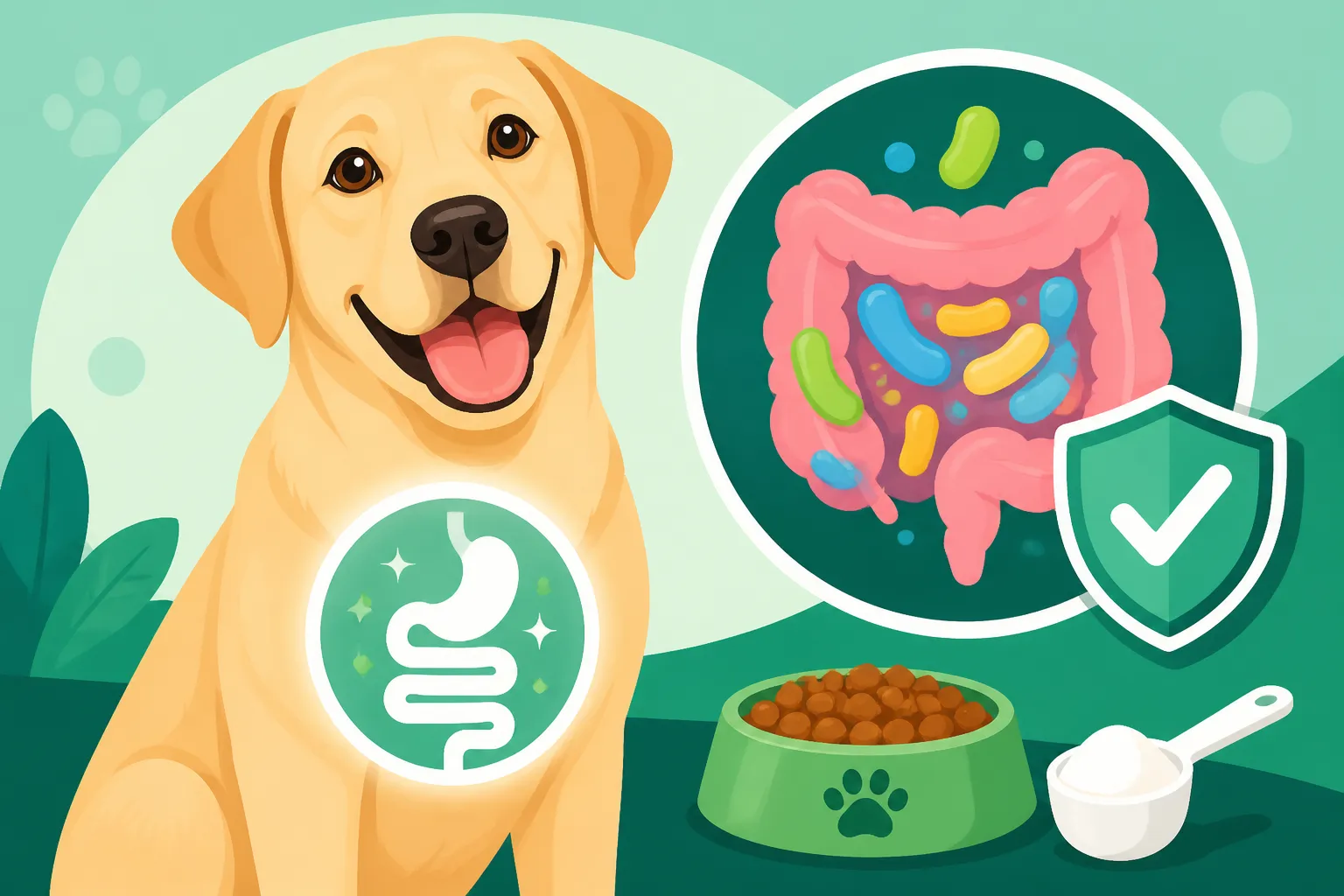
Probiotics for a Labrador’s Digestion
It's incredibly frustrating when your beloved Labrador is struggling with a rumbling tummy, soft stools, or just generally seems "off" with their digestion. We've all been there, wondering if that slightly off-kilter appetite or unexpected bout of diarrhea is just a passing phase or a sign of something deeper. This guide will walk you through the world of probiotics for Labradors, explaining what they are, how they can help support a healthy gut, and how to choose the right ones to bring comfort and balance back to your furry friend's digestive system.
Understanding Your Labrador's Digestive Woes
Labradors, with their enthusiastic appetites and penchant for exploring the world with their mouths, can sometimes find themselves facing a variety of digestive upsets. From scavenging something questionable on a walk to simply having a sensitive stomach, their robust build doesn't always translate to an iron gut. It's a common concern for Labrador owners, and often, the key to alleviating these issues lies deep within their digestive tract.
Watching your happy-go-lucky Lab suddenly become lethargic or pass loose stools can be alarming. You might notice them eating grass more frequently, or perhaps they’re skipping meals, which is highly unusual for such a food-motivated breed. Sometimes, it’s a more subtle change, like duller coat, excessive gas, or even skin issues that you wouldn't immediately connect to gut health. Understanding these signs is the first step in helping your companion feel better.
Common Digestive Issues in Labradors
Labradors can experience a range of digestive problems, some acute and others more chronic. Acute issues might include sudden diarrhea or vomiting, often triggered by dietary indiscretion (eating something they shouldn't) or a sudden change in food. For instance, that time your Lab decided to "sample" the compost bin or got into the unattended picnic basket, only to wake you up at 3 AM. It happens to the best of them, and us!
More chronic issues can manifest as recurring loose stools, constipation, excessive gas, or even malabsorption, where their body isn't getting all the nutrients from their food. We often see these issues crop up during stressful periods, like a trip to the boarding kennel, after a course of antibiotics, or even just during a particularly noisy thunderstorm. These persistent problems can leave both you and your Lab feeling drained and frustrated, searching for a solution that truly makes a difference.
The Role of the Gut Microbiome in Labrador Health
Deep within your Labrador's gut lives a bustling, complex community of trillions of microorganisms – bacteria, yeasts, and fungi – collectively known as the gut microbiome. Think of it as a microscopic city, with different inhabitants all playing vital roles. A healthy microbiome is like a well-functioning city, where beneficial bacteria keep the peace, aid digestion, synthesize vitamins, and even influence immune function. It's truly fascinating how interconnected everything is!
When this delicate balance is disrupted, perhaps by illness, stress, medication, or a poor diet, the "bad" bacteria can start to outnumber the "good" ones. This imbalance, known as dysbiosis, can lead to all those unpleasant digestive symptoms we discussed. A thriving gut microbiome is crucial not just for digestion, but for your Labrador’s overall health, energy levels, and even their mood. It plays a significant role in their immune system, helping to protect them from pathogens and even influencing their response to Labrador Ear and Skin Disease.
What Exactly Are Probiotics and How Do They Work?
So, if the gut microbiome is so important, how do we support it when things go awry? That's where probiotics step in. Put simply, probiotics are live microorganisms, usually bacteria or yeasts, that, when administered in adequate amounts, confer a health benefit on the host. Essentially, they're the "good guys" you introduce to help restore balance to that bustling microscopic city in your Labrador's gut.
They don't just sit there; they actively work to crowd out harmful bacteria, produce beneficial compounds like short-chain fatty acids, and strengthen the gut barrier. This can lead to better nutrient absorption, reduced inflammation, and a more robust immune response. It’s like sending in reinforcements to help the good citizens of the gut city get back on top and run things smoothly again.
Live Cultures Versus Prebiotics
It's easy to confuse probiotics with prebiotics, but they serve different, albeit complementary, roles. Probiotics are the live bacteria themselves – the beneficial organisms you're introducing. Think of them as the seeds you're planting. Common probiotic strains for dogs include Lactobacillus acidophilus, Bifidobacterium animalis, and Enterococcus faecium. You'll see these names on supplement labels, often abbreviated.
Prebiotics, on the other hand, are non-digestible fibers that act as food for the beneficial bacteria already present in the gut (or the probiotics you introduce). They nourish the good guys, helping them to grow and multiply. Common prebiotics include FOS (fructooligosaccharides) and inulin. Many high-quality probiotic supplements for dogs, especially those found on platforms like Chewy or Amazon, will contain both probiotics and prebiotics, a combination sometimes called a synbiotic, because they work so well together to promote a healthy gut environment.
How Probiotics Support Gut Balance
When your Labrador's gut is out of balance, probiotics can help by re-establishing a healthy microbial population. They work in several ways:
- Competitive Exclusion: Probiotics compete with harmful bacteria for nutrients and attachment sites in the gut, effectively pushing the bad guys out.
- Production of Beneficial Substances: They produce short-chain fatty acids (SCFAs) like butyrate, which are a primary energy source for the cells lining the colon and help maintain gut barrier integrity. They also create other compounds that can inhibit the growth of pathogens.
- Immune Modulation: A significant portion of the immune system resides in the gut. Probiotics can interact with immune cells, helping to train and strengthen the immune response, making your Labrador more resilient to illness. This can be especially helpful when considering issues like Labrador Ear Infections and Swimming which can sometimes be exacerbated by systemic inflammation.
- Improved Digestion and Nutrient Absorption: By improving the overall health of the gut lining and the efficiency of digestion, probiotics can help your Labrador absorb more nutrients from their Choosing Dog Food for a Labrador Retriever, leading to better coat health, energy levels, and overall vitality.
Imagine your Labrador just finished a course of antibiotics for an infection. While the antibiotics were necessary, they unfortunately wipe out both bad and good bacteria in the gut. This often leads to post-antibiotic diarrhea. Introducing probiotics during and after this period can be a game-changer, helping to quickly repopulate the gut with beneficial flora and mitigate those unwanted side effects. It’s a proactive step that can make a huge difference in their recovery.
Choosing and Administering Probiotics for Your Labrador
Once you've decided that probiotics are a good idea for your Labrador – and for many, they truly are – the next step is navigating the myriad of options available. It can feel a bit overwhelming walking into a pet store or browsing online at places like Chewy or Amazon, seeing all the different brands and formulations. But with a little knowledge, you can make an informed choice that best suits your dog.
It's always a good idea to chat with your vet before introducing any new supplement, especially if your Labrador has underlying health conditions. They can offer guidance tailored to your specific dog’s needs and help you determine if probiotics are the right course of action. They've seen it all, and their insights are invaluable.
Types of Probiotic Supplements Available
Probiotics for dogs come in several forms, each with its own pros and cons:
- Powders: These are often concentrated and can be easily sprinkled over your Labrador's food. They're great for picky eaters if you can mix them in, and many come in palatable flavors. They're a very popular option and you'll find a wide variety of brands on platforms like Amazon.
- Chewables/Tablets: These are usually flavored and can be given as a treat. They're convenient and easy if your Lab thinks they're getting an extra snack. Just be mindful of the calorie count if you're working on Keeping a Labrador at a Healthy Weight.
- Pastes: Often found in tubes, pastes are good for precise dosing, especially for puppies or smaller dogs, or during acute digestive upset. They can be a bit messier but ensure quick ingestion.
- Fortified Foods: Some dog foods, particularly certain premium or specialized formulas, include probiotics. However, the efficacy can vary depending on how the food is processed and stored, as heat can kill live cultures. If you're considering a fresh food option like Ollie, you might find some focus on gut health, but dedicated supplements often provide a more potent dose.
The best form really depends on your Labrador's preferences and your lifestyle. What's most important is consistency, so choose a form that you know you can easily give them every day, or as directed by your vet.
When and How to Introduce Probiotics
Probiotics can be beneficial in several situations:
- During and After Antibiotic Treatment: As mentioned, antibiotics can disrupt gut flora. Starting probiotics concurrently (but usually a few hours apart from the antibiotic dose) and continuing for a few weeks afterward can help restore balance.
- During Stressful Periods: Boarding, travel, moving house, or even fireworks can stress your Labrador, impacting their gut. Starting probiotics a few days before and continuing through the event can offer support.
- For Recurring Digestive Issues: If your Lab regularly experiences gas, mild diarrhea, or constipation, a daily probiotic can help manage these symptoms.
- Dietary Changes: When you're Switching a Labrador's Food Without Upset, introducing a probiotic a few days before the transition and continuing throughout can help prevent stomach upset. This can make the process much smoother for their system.
- General Wellness: Many owners use probiotics daily as a preventative measure to support overall gut health and a strong immune system, especially for breeds known for being food-driven and occasionally prone to dietary indiscretion.
When introducing probiotics, start with the recommended dose on the product label. Consistency is key. Give it at the same time each day, ideally with a meal, unless otherwise specified. Monitor your Labrador for any changes, positive or negative, and adjust as needed under veterinary guidance.
What to Look For in a Quality Probiotic Product
With so many choices, how do you pick a good probiotic? Here are key factors:
- CFUs (Colony Forming Units): This indicates the number of live, active organisms per dose. For a large breed like a Labrador, you'll generally want a product with billions of CFUs (e.g., 1-10 billion). More isn't always better, but a substantial count is necessary for efficacy.
- Multiple Strains: A good probiotic will often contain several different strains of beneficial bacteria (e.g., Lactobacillus, Bifidobacterium, Enterococcus species). A diverse blend can offer broader benefits.
- Prebiotics Included: As discussed, prebiotics (like FOS or inulin) feed the good bacteria, enhancing the probiotic's effectiveness. This is a big plus to look for.
- Reputable Manufacturer: Choose brands known for quality control, research, and transparent labeling. Brands found on pet-specific online retailers like Chewy often provide detailed product information and customer reviews.
- Storage Instructions: Live cultures are sensitive. Some probiotics require refrigeration, while others are shelf-stable. Make sure you can follow the storage instructions to ensure the viability of the organisms.
- Lack of Unnecessary Fillers/Allergens: Check the ingredient list. Avoid products with excessive fillers, artificial colors, or common allergens if your Labrador has sensitivities. This is especially important if you've done an Running an Elimination Diet on a Labrador and know their triggers.
A good practice is to look for products that specifically state they are formulated for pets and have a "guaranteed analysis" of live cultures at the time of expiration, not just at the time of manufacture. This ensures you're actually getting viable bacteria.
Integrating Probiotics into a Holistic Digestive Health Plan
While probiotics are fantastic tools, they are just one piece of a larger puzzle when it comes to truly optimizing your Labrador's digestive health. Think of them as a powerful supplement to a foundational approach that includes diet, proper hydration, and a healthy lifestyle. For a robust breed like a Labrador, a holistic approach is always best to ensure they live their happiest, healthiest life.
This breed can be prone to certain issues, like Labrador Bloat Risk and Deep Chests, which, while not directly addressed by probiotics, highlights the importance of overall digestive care. By combining probiotics with other good practices, you can create a truly resilient system for your canine companion.
Diet, Fiber, and Gut Health
The cornerstone of good digestion for your Labrador is a high-quality, balanced diet. What goes into their bowl directly impacts their gut microbiome. When Reading a Dog Food Label for a Labrador, look for identifiable protein sources, healthy fats, and complex carbohydrates. Avoiding frequent, abrupt diet changes can also prevent digestive upset; if you must switch foods, do so gradually over several days to a week.
Fiber plays a crucial role. Both soluble and insoluble fibers contribute to gut health. Soluble fiber ferments in the colon, producing beneficial short-chain fatty acids that nourish gut cells and feed good bacteria. Insoluble fiber adds bulk to stool, helping with regularity and preventing constipation. Many commercial dog foods contain adequate fiber, but some Labradors might benefit from additional natural sources like pumpkin, sweet potato, or green beans, always introduced slowly and in moderation. It’s a bit like us making sure we get our greens!
Lifestyle Factors for a Healthy Labrador Gut
Beyond diet and supplements, several lifestyle factors can significantly influence your Labrador's digestive health:
- Regular Exercise: Consistent, appropriate exercise helps keep the digestive system moving and reduces stress. A good daily walk or a swim, as discussed in Swimming as Exercise for a Labrador, can do wonders for their overall well-being, including gut motility.
- Stress Management: Labradors can experience stress, which can manifest as digestive upset. Providing a consistent routine, a calm home environment, and plenty of mental stimulation can help reduce anxiety. Even just having a safe, quiet space to retreat to can make a difference.
- Hydration: Always ensure your Labrador has access to fresh, clean water. Proper hydration is essential for healthy digestion and prevents constipation.
- Avoid Scavenging: Given their innate drive to pick things up, managing your Labrador's access to questionable items during walks or in the yard is vital. This is where a strong "leave it" command comes in handy. Even a small amount of something inappropriate can trigger a significant digestive upset.
- Appropriate Treats: While we all love to spoil our Labs, high-fat or sugary treats can upset their stomach. Opt for healthy, low-calorie options or use some of their regular kibble as treats to keep their digestive system happy. This is especially relevant if you have a Why Labradors Gain Weight So Easily.
By taking a comprehensive approach that includes a nutritious diet, thoughtful use of probiotics, and a supportive lifestyle, you can help your Labrador maintain optimal digestive health. This, in turn, contributes to their overall vitality, happiness, and potentially even their Labrador Lifespan and What Changes It. A healthy gut truly is a foundation for a healthy life.
Disclaimer
This article is for general informational purposes only and does not constitute professional advice. Laws, prices and regulations vary by location and change over time. Consult a qualified professional for guidance on your specific situation.