What a New Labrador Owner Should Buy First
Bringing a new Labrador puppy home is an incredibly exciting time, full of dreams of joyful walks and cuddles on the couch. But let's be honest, that initial excitement can quickly turn into a dizzying whirlwind of "what do I actually need?" The sheer volume of puppy gear out there is enough to make any new owner's head spin, leaving you wondering where to even begin. This comprehensive guide is here to cut through the noise and walk you through the absolute essentials a new Labrador owner should buy first, ensuring a smooth transition for both you and your furry family member.
Setting Up Your Labrador's Safe Haven: Crate and Bedding
One of the first and most crucial steps in preparing for your new Labrador is creating a secure, comfortable space they can call their own. This isn't just about giving them a bed; it's about establishing a den, a sanctuary where they feel safe and can retreat when overwhelmed.
The Essential Crate: Size and Purpose
Crate training is an invaluable tool for Labrador owners, aiding immensely in house training, preventing destructive chewing when unsupervised, and providing a safe travel space. Many new owners feel a pang of guilt at the thought of "caging" their puppy, but a crate, introduced correctly, becomes a comforting den for your dog, not a punishment. The biggest headache often comes with choosing the right size. Labradors grow incredibly quickly, and you don't want to buy a crate only for them to outgrow it in a couple of months.
When you're looking for a crate, think big and think smart. You'll want one that's large enough for your adult Labrador to stand up, turn around, and lie down comfortably. This means a substantial investment upfront. Most major pet retailers, like those found on Amazon, offer crates with divider panels. These panels are a lifesaver, allowing you to adjust the internal space as your puppy grows. For a young puppy, the space should be just large enough for them to lie down comfortably, discouraging them from using one end as a bathroom. As they get bigger, you gradually expand the space. Opt for a sturdy wire crate that offers good ventilation and visibility, allowing your puppy to see what's happening around them without feeling isolated. Remember, a crate isn't just for potty training; it's a lifelong tool for safety and comfort. For more on this, check out our guide on Crate Training a Labrador Puppy.
Cozy Bedding for Comfort and Security
Once you have the crate, the next step is making it inviting. A comfortable bed is crucial, but let's be realistic: a Labrador puppy's chewing instincts are legendary. Many a well-meaning owner has invested in a plush, expensive bed only to find it shredded into confetti by morning. This can be incredibly frustrating and expensive!
For the early puppy stages, prioritize durability and washability over luxury. Look for chew-resistant options or simply use old towels, blankets, or a durable, flat mat that you won't mind replacing. The key is to provide something soft that offers warmth and a sense of security without presenting a choking hazard if chewed. As your Labrador matures and outgrows the intense chewing phase, usually around 12-18 months, you can then consider investing in a more comfortable, orthopedic bed. These are especially beneficial for large breeds prone to joint issues later in life. Ensure any bedding is easily machine washable, because accidents will happen, and you'll want to keep their den fresh and clean. The goal is to create a positive association with their crate, and a clean, comfortable space goes a long way.
Fueling Your Growing Labrador: Food and Bowls
Proper nutrition is the bedrock of a healthy, happy Labrador. With so many dog food brands and philosophies out there, it can feel like navigating a minefield, but getting the right start is paramount for a large breed puppy.
Choosing the Right Large Breed Puppy Food
This is arguably one of the most important decisions you'll make for your new Labrador. Labradors are a large breed, and their growth needs are very specific. Feeding a generic puppy food, or one not formulated for large breeds, can lead to excessively rapid growth, which puts undue stress on their developing joints and can contribute to conditions like hip and elbow dysplasia later on. It’s a common pitfall for new owners, often due to misleading advertising or simply a lack of awareness about the unique needs of large breed puppies.
Look for a high-quality food specifically labeled "large breed puppy formula." These foods are carefully balanced with appropriate levels of calcium, phosphorus, and other nutrients to support slow, steady growth. Your breeder can often provide excellent recommendations for the food they've been using, which helps avoid stomach upset during the transition. If you're looking for a convenient way to compare options or have it delivered right to your door, online retailers like Chewy offer a vast selection. Some owners even explore fresh food options, like those offered by Ollie, as their puppies mature, but always consult with your vet or breeder before making drastic dietary changes. For detailed guidance on specific amounts, our article How Much to Feed a Labrador Puppy offers valuable insights.
Practical Feeding and Water Bowls
When it comes to bowls, simplicity and hygiene are key. You'll want bowls that are easy to clean, sturdy, and won't contribute to health issues.
Stainless steel bowls are hands down the best option. They are durable, non-porous (meaning they won't harbor bacteria), and easy to sanitize, making them perfect for both food and water. Avoid plastic bowls, which can scratch easily, collect bacteria, and sometimes cause allergic reactions or skin irritation around your Labrador's mouth, leading to what some call "puppy acne." Ceramic bowls are another good choice, but ensure they are heavy enough not to be tipped over by an enthusiastic eater. Given how food-motivated Labradors are, a common frustration for owners is a puppy that eats too quickly, leading to indigestion or bloat. This is where a slow-feeder bowl can be a game-changer. These bowls have ridges or obstacles that force your Labrador to eat around them, slowing down their intake and improving digestion. Always have fresh water available in a heavy, stable bowl to prevent spills and ensure constant hydration.
Walking, Playing, and Training Essentials
Labradors are active, intelligent dogs that thrive on interaction, exercise, and mental stimulation. Having the right gear from day one will make training easier and playtime more enjoyable for everyone.
Leashes, Collars, and Harnesses for Safe Outings
Walks are a cornerstone of a Labrador's day, and teaching good leash manners starts young. It's truly a frustration when your powerful puppy starts pulling, especially as they grow! Getting the right equipment early can set you up for success.
Start with a sturdy, flat-buckle collar made of durable nylon or leather. Ensure it fits snugly enough that you can only get two fingers comfortably underneath it. This prevents your puppy from slipping out of it, but isn't so tight as to cause discomfort. For the leash, a standard 6-foot nylon or leather leash is perfect. Avoid retractable leashes, especially for puppies, as they teach pulling and offer little control. As your Labrador gets stronger, you might find a front-clip harness to be an invaluable tool. These harnesses discourage pulling by redirecting your dog's momentum back towards you when they pull, making walks much more pleasant for both of you. You can find a wide array of options for collars, leashes, and harnesses by browsing on platforms like Amazon, allowing you to read reviews and compare features before committing. Introducing these tools early and positively will lay the groundwork for enjoyable walks for years to come. For more on this, check out Loose Leash Walking With a Labrador.
Indestructible Chew Toys and Playtime Gear
A Labrador without appropriate chew toys is a Labrador that will find something to chew – and it might just be your furniture, shoes, or drywall. Their mouths are an important part of how they explore the world, and their powerful jaws mean toys need to be chosen wisely. The frustration of constantly replacing destroyed toys is something every Labrador owner knows well.
Invest in a variety of durable chew toys. Look for solid rubber toys, robust nylon chews, and puzzle toys that can be stuffed with treats or peanut butter. These not only satisfy their natural chewing instincts but also provide mental stimulation, which is just as important as physical exercise for a smart breed like the Labrador. Rotate toys to keep them interesting, and always supervise new toys to ensure they are safe and don't break into swallowable pieces. Soft toys can be fun for gentle play, but expect them to have a shorter lifespan. For challenging your Labrador's brain, consider a snuffle mat or a KONG-type toy, which can keep them occupied for extended periods, especially useful when you need them to settle down. Our guide on Chew Toys That Survive a Labrador offers more specific recommendations.
Potty Training and Cleaning Supplies
Potty training is a critical part of bringing a new puppy home, and it requires consistency, patience, and the right supplies. Accidents are an inevitable part of the learning process, and being prepared will save you a lot of stress.
The absolute must-have is an enzymatic cleaner. Regular household cleaners might remove the visible stain, but enzymatic cleaners break down the urine at a molecular level, eliminating the scent that can draw your puppy back to the same spot to eliminate again. Having a good supply of paper towels is also essential for quick clean-ups. While some owners use puppy pads, many Labrador puppies learn to tear them up, and they can sometimes confuse puppies about where it's okay to go. For outdoor potty breaks, biodegradable waste bags are a non-negotiable. You'll use countless bags over your Labrador's lifetime, so it's wise to buy them in bulk. Keep them handy on leashes, by the door, and in your car. Being prepared for accidents means you can clean them up quickly and effectively, preventing lingering odors and reinforcing good habits. Don't forget, consistency is key, as detailed in articles like Potty Training a Labrador With No Yard.
Health & Safety First Aid Kit Basics
Thinking about potential health issues might not be the most fun part of puppy prep, but being proactive with basic grooming and having a small first aid kit ready can prevent minor problems from becoming major ones and give you peace of mind.
Essential Grooming Tools
Labradors have that wonderful double coat that's surprisingly easy to care for, but they do shed, and regular grooming is important for their skin and coat health. Many new owners underestimate the shedding, or the importance of early positive exposure to grooming.
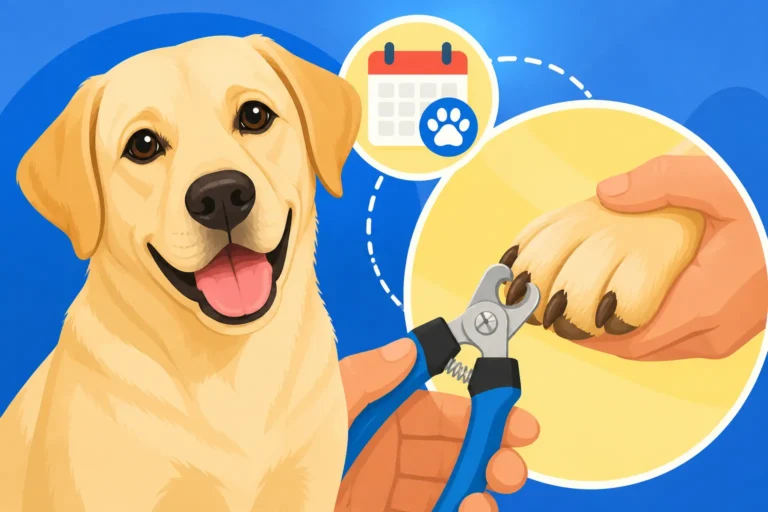
You'll need a good shedding brush, such as a rubber curry brush or a deshedding tool, to manage their seasonal "coat blows" and keep their skin healthy. A soft bristle brush can be used for daily brushing and bonding sessions. Nail trimming is another critical aspect that many owners dread. Invest in a pair of sturdy nail clippers designed for large dogs or a Dremel-style rotary tool. Start early, making it a positive experience with lots of treats, so your Labrador becomes comfortable with having their paws handled. Regular nail trims prevent painful overgrowth and potential gait problems. Finally, ear cleaner is a must-have, especially since Labradors love water and have floppy ears that can trap moisture and debris, making them prone to ear infections. A gentle, vet-approved ear cleaning solution used routinely can help keep those ears healthy. For more tips on this, refer to How Often to Brush a Labrador.
Basic First Aid Supplies
Accidents and minor injuries can happen to even the most carefully supervised puppy. Having a basic first aid kit on hand can make a big difference in those stressful moments, allowing you to provide immediate care before getting to a vet if needed. This is truly where the "better safe than sorry" adage comes into play.
Your Labrador's first aid kit should include antiseptic wipes (like chlorhexidine or diluted povidone-iodine solution), non-stick gauze pads, adhesive tape, vet wrap (which sticks to itself and not fur), and blunt-tipped scissors. A pair of tweezers or a tick remover tool is also essential, depending on your local environment. Keep a digital thermometer, some sterile saline solution (for flushing eyes or wounds), and a small bottle of hydrogen peroxide (only for inducing vomiting under direct veterinary guidance). Crucially, have your veterinarian's phone number and the number for the nearest emergency vet clinic prominently displayed within the kit. While you hope you'll never need most of these items, having them readily available will empower you to handle minor scrapes, cuts, or upset stomachs, giving you precious time until you can seek professional veterinary care. It's an investment in their safety and your peace of mind. Check out A First Aid Kit for a Labrador Retriever for more details.
First Purchases Checklist
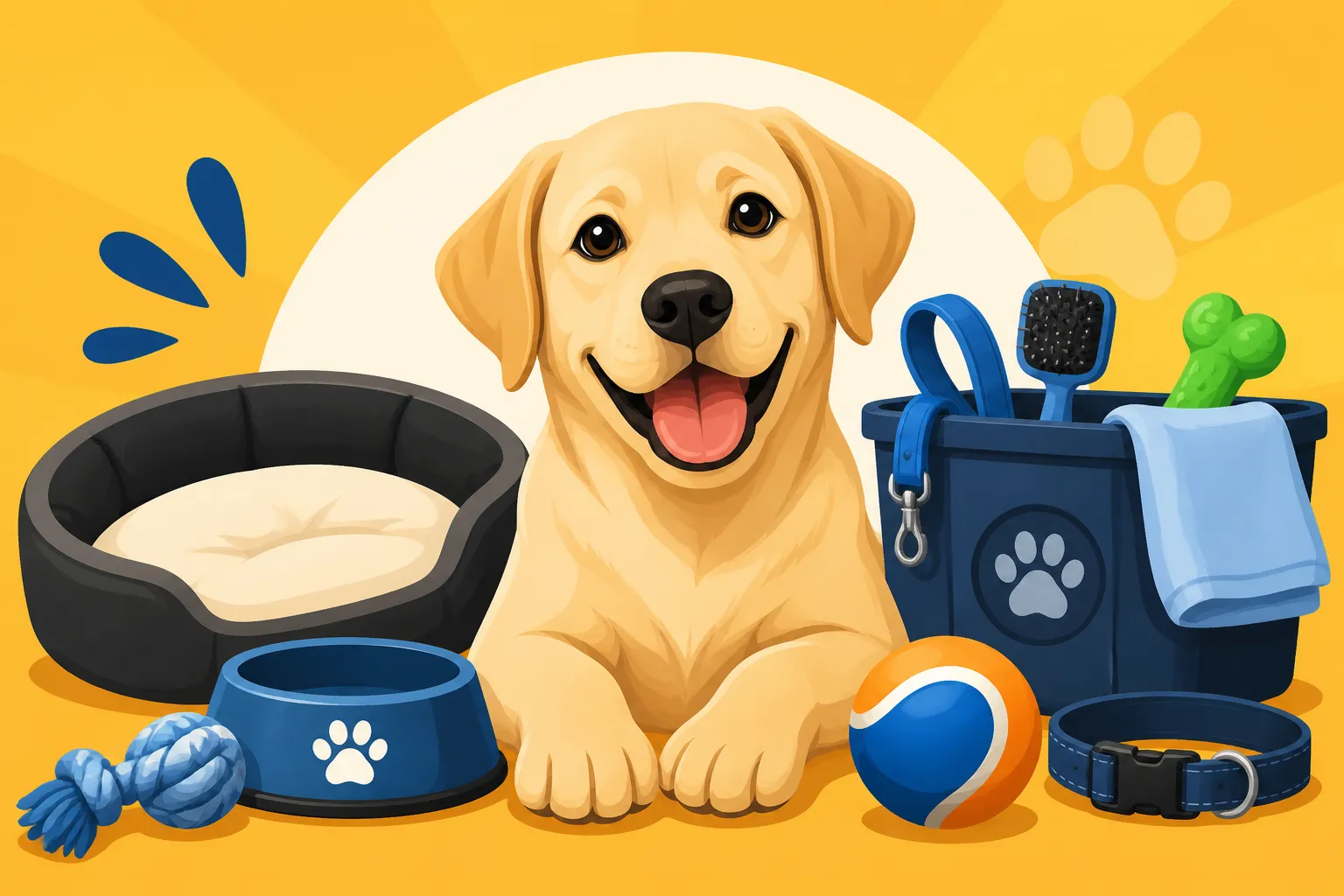
To help you organize your initial shopping spree, here's a quick checklist of the most important items to acquire before your Labrador puppy arrives:
| Category | Essential Items | Notes |
|---|---|---|
| Containment | Wire Crate with Divider | Large enough for adult Labrador, allows size adjustment for puppy |
| Durable, Washable Bedding/Towels | Prioritize chew-resistance and easy cleaning for puppy stage | |
| Feeding | Large Breed Puppy Food | Vet/breeder recommended; appropriate calcium/phosphorus balance for healthy growth |
| Stainless Steel Food Bowl | Easy to clean, durable, non-porous | |
| Stainless Steel Water Bowl (heavy bottom) | Stable, prevents tipping; always accessible with fresh water | |
| Slow-Feeder Bowl (optional, but recommended) | Great for fast eaters, aids digestion, reduces bloat risk | |
| Walking/Play | Sturdy Flat-Buckle Collar | Proper fit (two fingers), made of durable material like nylon or leather |
| 6-Foot Nylon or Leather Leash | Standard length, good control, avoids retractable leash issues | |
| Front-Clip Harness (optional, but recommended) | Helps manage pulling on walks | |
| Variety of Durable Chew Toys | Rubber, nylon, puzzle toys; crucial for redirecting chewing instincts | |
| Training/Care | Enzymatic Cleaner | Essential for accident clean-up, eliminates odors to prevent re-soiling |
| Biodegradable Waste Bags | Many, many rolls; for every outing | |
| Shedding Brush (e.g., rubber curry) | Manages shedding, promotes coat health | |
| Nail Clippers or Dremel | Start early with positive reinforcement for nail care | |
| Vet-Approved Ear Cleaner | For routine cleaning and preventing ear infections | |
| Basic First Aid Kit | Antiseptic, gauze, vet wrap, tick remover, vet's contact info |
Getting prepared for your new Labrador is an exciting journey, and having these core items ready will make the transition smoother, less stressful, and far more enjoyable for both you and your delightful new companion. Remember, the goal is to set your pup up for success from day one, laying the foundation for a lifetime of health and happiness.
Disclaimer
This article is for general informational purposes only and does not constitute professional advice. Laws, prices and regulations vary by location and change over time. Consult a qualified professional for guidance on your specific situation.