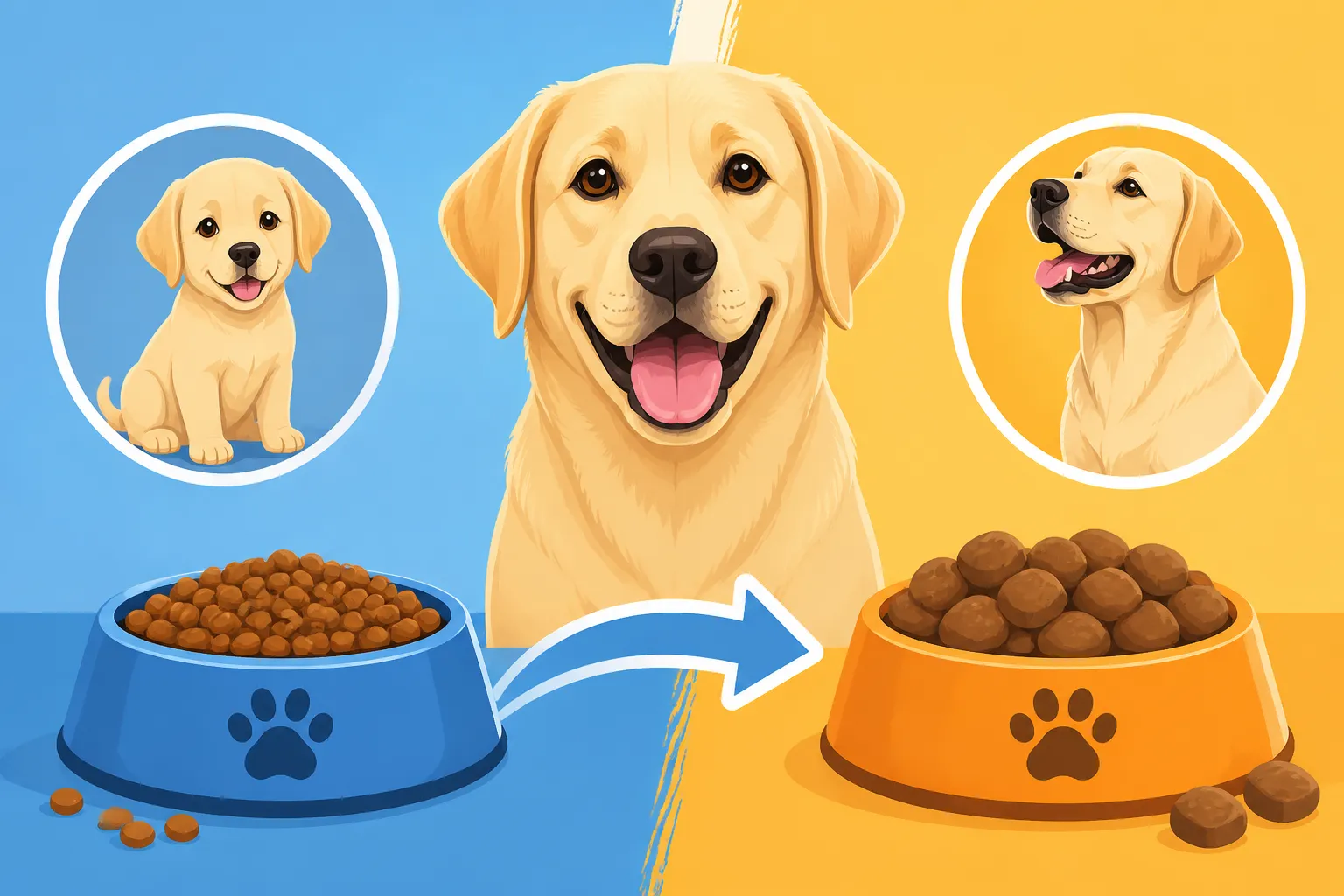
When a Labrador Moves to Adult Food
Figuring out the exact moment to switch your beloved Labrador from puppy kibble to adult dog food can feel like navigating a minefield of conflicting advice and worried glances at the food bowl. It's a common stressor for many devoted Lab owners, as you want to ensure your growing companion gets precisely the right nutrition for their developing body without making a mistake that could impact their long-term health. This comprehensive guide is here to walk you through the nuances of this important transition, helping you understand the signs, timing, and best practices for moving your Labrador to an adult diet.
Understanding Your Labrador's Unique Growth Journey
Labradors are magnificent, robust dogs, but their growth isn't a simple linear process. They're considered a large breed, and that classification comes with specific nutritional needs during their formative months. Rushing the transition from puppy food can have consequences, just as delaying it too long can. It's about recognizing the distinct phases of their development.
Puppyhood's Rapid Development
The first few months of a Labrador's life are a whirlwind of rapid growth. From a tiny, clumsy pup, they quickly transform into a gangly adolescent. During this period, their bodies are building bone, muscle, and organs at an astonishing rate. Puppy food, especially formulas designed for large breeds, is specifically engineered to support this intense development. It typically contains higher levels of protein, fat, and calories to fuel their boundless energy and growth spurts.
However, even within puppyhood, there's a delicate balance. Large breed puppy foods are formulated with controlled calcium and phosphorus levels to prevent overly rapid bone growth, which can contribute to orthopedic issues like hip and elbow dysplasia later on. Overfeeding or feeding a puppy formula not designed for large breeds can actually exacerbate these risks.
Adolescent Growth Spurts and Filling Out
Just when you think your Labrador has hit their peak height, they enter adolescence, often characterized by lanky awkwardness and a sudden growth spurt that seems to come out of nowhere. This phase usually starts around 6-8 months and can last well into their second year. During this time, they might not be gaining much height, but they're certainly starting to fill out, gaining muscle mass and developing that characteristic Labrador breadth. This is when their energy levels often seem limitless, and they might appear to be bottomless pits when it comes to food.
It’s crucial to understand that even when they reach their adult height, their skeletal system is still maturing, and their growth plates might not have fully closed. This continued development means they still need a diet that supports steady, healthy growth, not just maintenance. Pushing them into adult food too soon during this filling-out stage could leave them lacking essential nutrients for complete maturation.
When Growth Plates Close
The closing of growth plates is a critical biological milestone for any growing dog, but especially for large breeds like Labradors. Growth plates are areas of cartilage at the ends of long bones that gradually harden into solid bone as a dog matures. As long as these plates are open, the bones can still lengthen. Once they close, linear growth stops. For Labradors, these growth plates typically close between 12 and 18 months of age, though it can vary slightly between individuals and lines.
This process is more than just about height; it's about the structural integrity of their joints. Prematurely switching to adult food, which has different nutrient ratios, could potentially impact this crucial phase if their plates are still open and actively developing. A vet can sometimes confirm if growth plates are closed with X-rays, but generally, paying attention to age and physical development cues is sufficient. When a Labrador's Growth Plates Close is a great resource if you want to dive deeper into this topic.
Key Indicators It's Time for Adult Food
Knowing when to switch your Labrador to adult food isn't just about picking an arbitrary date on the calendar. It's about observing a combination of age, physical development, and even behavioral changes. Overfeeding a growing pup with high-calorie puppy food for too long can actually be detrimental, promoting excessive weight gain that puts strain on developing joints.
Age is More Than Just a Number
While there's no single magic age that applies to every single Labrador, a general guideline often recommended by veterinarians and breeders is to transition between 12 and 18 months. Many will advise leaning towards the later end of that spectrum for larger, slower-maturing males or very active field line Labradors. A good quality large breed puppy food is designed to cater to this extended growth period.
For instance, a yellow Labrador puppy from a show line might mature a little slower physically, filling out more gradually, and therefore might benefit from staying on puppy food closer to 18 months. Conversely, a very lean, fast-growing field line Lab might be ready for the switch closer to 12 months, especially if they're already at a healthy adult weight and height. The key is that "adult" refers to skeletal maturity, not just having reached their full height.
Physical Maturation Signs
Beyond age, your Labrador's physical appearance and development offer significant clues. One of the most telling signs is when they appear to have reached their full adult height and length. They'll stop looking gangly and awkward, and instead start to look more "put together," with their proportions evening out. Their chest will have deepened, and their frame will appear solid, rather than just lanky.
Another sign is when they start to fill out with muscle. Instead of just growing taller, you'll notice their body composition changing as they gain more substance. You should still be able to easily feel their ribs without seeing them, and their waist should be apparent when viewed from above. If your Labrador starts to look a little thick or rounded while on puppy food, it's a strong indicator that their caloric needs are shifting, and an adult formula might be more appropriate to prevent them from becoming How Being Overweight Shortens a Labrador's Life.
Behavioral Cues
Believe it or not, your Labrador's behavior can also give you subtle hints. A high-energy puppy needs a lot of calories to sustain their constant play and exploration. As they mature into adulthood, while still energetic, their metabolic rate might start to slow ever so slightly. If you notice your Labrador is gaining weight despite consistent exercise and measured puppy food portions, it's a clear signal their energy needs are changing. They might also seem less "starving" after meals, or their energy crashes might not be as dramatic after vigorous play, indicating their body is more efficient.
Conversely, if your adolescent Lab is still incredibly active, perhaps involved in training for a sport like agility or hunting, they might still benefit from the higher calorie density of puppy food a little longer. This is where truly knowing your individual dog and their lifestyle comes into play. If you're concerned about your Labrador's weight, understanding Labrador Body Condition Scoring can be incredibly helpful.
The Science Behind Large Breed Puppy Food
It's not just marketing hype; large breed puppy food is scientifically formulated with specific goals in mind. Understanding these nutritional differences highlights why the timing of your switch to adult food is so important for your Labrador's long-term well-being.
The Calcium and Phosphorus Balance
The most critical difference between large breed puppy food and adult dog food lies in the calcium and phosphorus ratios, and the overall caloric density. Large breed puppies need specific levels of calcium and phosphorus for healthy bone development, but too much calcium can actually be detrimental. Excess calcium can lead to skeletal abnormalities, such as osteochondritis dissecans (OCD), a painful joint condition. Regular puppy food, not designed for large breeds, might have calcium levels that are too high for a rapidly growing Labrador.
Large breed puppy formulas carefully control these mineral levels to promote a slow and steady growth rate, which is paramount for healthy joint development. Think of it like building a skyscraper: you don't want to rush the foundation. Similarly, a Labrador's skeletal system needs to develop robustly but not too quickly. This is why Calcium Levels in Labrador Puppy Food are such a crucial aspect to consider.
Avoiding Overnutrition
Another significant aspect of large breed puppy food is its controlled caloric density. While it has higher protein and fat than adult food, it's designed to provide these nutrients without pushing for excessively rapid weight gain. Overnutrition, particularly from too many calories, is a major concern for large breed puppies. Rapid weight gain puts immense strain on immature joints and can contribute to the development or worsening of conditions like hip and elbow dysplasia, even in genetically predisposed dogs.
When a Labrador puppy stays on a regular, high-calorie puppy food for too long, or is simply overfed, they can quickly become overweight. This extra weight carries into adulthood and can significantly impact their joint health and overall Labrador Lifespan and What Changes It. Transitioning to a lower-calorie, appropriate adult food at the right time helps prevent this issue, ensuring they maintain a lean body condition crucial for their breed.
Transitioning Your Labrador to Adult Kibble
Once you've decided it's time to make the switch, the process itself needs to be handled carefully to avoid digestive upset. Rushing the change can lead to stomachaches, diarrhea, or even a sudden refusal to eat the new food.
The Gradual Mix-In Method
The golden rule for changing any dog's food, especially a Labrador's, is to do it gradually. A sudden switch can upset their digestive system, leading to diarrhea or vomiting. The best approach is a slow, measured transition over 7-10 days, sometimes even longer for sensitive tummies.
Here's a common schedule for transitioning:
| Day | Old Puppy Food | New Adult Food |
|---|---|---|
| 1-2 | 75% | 25% |
| 3-4 | 50% | 50% |
| 5-6 | 25% | 75% |
| 7+ | 0% | 100% |
Start by mixing a small amount of the new adult food with their current puppy food. Gradually increase the proportion of the new food while decreasing the old over several days. This allows your Labrador's digestive system to adapt to the new ingredients and nutrient profile without shock. If you notice any soft stools or tummy troubles, slow the transition down even further, perhaps staying at a certain ratio for an extra day or two. Remember, every dog is an individual, and some may need a longer adjustment period. You can find many quality adult formulas on sites like Chewy or Amazon, making it easy to order.
Monitoring for Digestive Upset
During the transition, keep a close eye on your Labrador's stool consistency and overall demeanor. Loose stools, diarrhea, vomiting, excessive gas, or a loss of appetite are all signs that the transition might be too fast for them. If these symptoms occur, revert to the previous ratio for a few extra days until their system settles, then try to progress more slowly.
It's also a good idea to introduce the new food during a time when your dog isn't under any other stress, like moving to a new home or during a major training period. Their digestive system is already working hard, and adding dietary stress can be too much. If symptoms persist or worsen, it's always best to consult your veterinarian. They can rule out other issues and offer specific advice for your dog. For more on dietary changes, check out Switching a Labrador's Food Without Upset.
The Importance of Patience
Switching food, even with the best intentions, can be a test of patience. Your Labrador might eye the new kibble suspiciously, or they might gobble it down only to have an upset stomach later. Don't get discouraged. Labs are known for being food-motivated, but that doesn't mean they're immune to changes in their diet. Stay consistent with the gradual mix-in method.
If your Labrador is particularly picky, you might try adding a little warm water to the food to enhance the smell, or mixing in a very small amount of canned pumpkin (not pie filling!) or plain yogurt to tempt them, as long as these are vet-approved for your dog. Remember, this transition is an important step in their health journey, so taking the time to do it right is an investment in their future well-being.
What to Look for in Adult Dog Food
Choosing the right adult food for your Labrador can feel overwhelming with the sheer number of options available. However, focusing on a few key factors can simplify the decision and ensure your Lab continues to thrive.
Nutritional Requirements for Adult Labs
Once your Labrador reaches adulthood, their nutritional needs shift from growth to maintenance. They still require high-quality protein to maintain muscle mass, healthy fats for energy and coat health, and a balanced array of vitamins and minerals. However, the levels of these nutrients will generally be lower than in puppy food, particularly calories and certain minerals like calcium.
Look for a food where real meat (like chicken, beef, or lamb) is listed as the first ingredient. This indicates a good source of protein. Carbohydrates, such as brown rice, oats, or sweet potatoes, provide sustained energy. Avoid foods with excessive fillers, artificial colors, or vague "meat by-products" as the primary protein source. Many reputable brands offer formulas specifically tailored for large breed adults, taking into account their unique needs for joint support and weight management. Reading a Dog Food Label for a Labrador can help you decode those ingredient lists.
Ingredients to Prioritize
When examining ingredient lists for adult Labrador food, certain components stand out as particularly beneficial. Glucosamine and chondroitin, often included in large breed formulas, are excellent for joint health, which is a significant consideration for Labradors prone to orthopedic issues. Omega-3 and Omega-6 fatty acids (from sources like fish oil or flaxseed) are fantastic for skin and coat health, helping to maintain that dense, water-resistant Labrador coat.
Consider ingredients that support digestive health, such as prebiotics and probiotics. These can help maintain a healthy gut flora, which is especially beneficial if your Labrador has a sensitive stomach. While raw or fresh food diets like those offered by Ollie are popular, ensure they are nutritionally complete and balanced for adult large breeds, as homemade raw diets can sometimes lack essential nutrients if not carefully formulated.
Considering Activity Levels
Not all adult Labradors have the same energy output. A Labrador who spends their days as a beloved family companion with daily walks and yard play will have different caloric needs than a working gundog, a competitive agility dog, or a service dog. When choosing an adult food, consider your dog's typical daily activity level.
- Moderately Active: Most family Labradors fit into this category. A standard adult large breed formula with balanced protein and fat levels should suffice. You'll still need to portion control carefully.
- Highly Active/Working Dogs: For Labradors with high energy demands, like those involved in hunting, intense sports, or active service work, a "performance" or "active dog" formula might be more appropriate. These often have higher fat and protein content to meet their increased caloric expenditure.
- Less Active/Senior Dogs: As Labradors age or become less active, their metabolism slows down, and they may be prone to weight gain. A "senior" or "weight management" formula can be beneficial, offering fewer calories but still providing joint support. Feeding a Senior Labrador Retriever has more specific advice on this.
Always remember that the feeding guidelines on the bag are just a starting point. You'll need to adjust portions based on your individual Labrador's activity, metabolism, and body condition.
Potential Pitfalls and Troubleshooting
Even with the best planning, transitioning your Labrador to adult food can sometimes hit a snag. Understanding common issues can help you troubleshoot effectively and keep your furry friend healthy and happy.
Too Early or Too Late Switch
One of the most common mistakes is making the switch too early. Taking your Labrador off large breed puppy food before their growth plates are fully closed (typically 12-18 months) can deprive them of the specific nutrients and controlled growth environment their skeletal system still needs. This can potentially contribute to long-term orthopedic issues. It's really about their skeletal maturity, not just their height.
Conversely, waiting too long can also be problematic. If your Labrador is well past 18 months, at their adult size and weight, and still on high-calorie puppy food, they are at a higher risk of becoming overweight or obese. Puppy food is simply too calorie-dense for an adult dog's maintenance needs. An overweight Labrador puts undue stress on their joints, exacerbates hip and elbow issues, and can lead to a host of other health problems, ultimately impacting their Labrador Obesity and the Years It Costs.
Digestive Sensitivities
Some Labradors, like people, just have more sensitive stomachs. Even with a slow, gradual transition, they might experience digestive upset. If your Labrador consistently has soft stools, diarrhea, or vomiting after introducing the new adult food, you might need to try a different adult formula.
Consider looking for adult foods designed for sensitive stomachs, which often feature single protein sources (like lamb or salmon) and easily digestible carbohydrates. Some Labradors also do better with grain-inclusive foods, while others might thrive on grain-free (though discuss grain-free with your vet, especially concerning heart health). It's a process of elimination sometimes, and working with your vet can help identify potential food allergies or intolerances. A good general-purpose formula available on Chewy or Amazon might be a good starting point for a sensitive Lab.
Picky Eaters (Yes, Even Labs!)
While Labradors are famously food-motivated, some can develop picky tendencies, especially if they've been accustomed to a particular flavor or texture of puppy food. They might turn their nose up at the new adult kibble, even if mixed in. This can be frustrating, especially when you know they need to eat.
If your Labrador is being picky:
- Don't give in immediately: If they skip a meal, don't offer them something "better" right away. This teaches them that holding out gets them tastier options. They'll eat when they're truly hungry.
- Enhance appeal: Add a little warm water to the kibble to release its aroma, or mix in a spoonful of low-sodium chicken broth.
- Routine is key: Stick to a consistent feeding schedule. Offer food for 15-20 minutes, then pick it up until the next mealtime. This establishes that food isn't always available.
- Rule out health issues: If pickiness is sudden or accompanied by other symptoms, always consult your vet to ensure there isn't an underlying medical problem.
Setting Up Your Adult Labrador for Long-Term Health
Transitioning to adult food is just one piece of the puzzle in ensuring your Labrador lives a long, healthy life. Their diet, combined with appropriate exercise and regular veterinary care, forms the foundation of their well-being.
Continued Portion Control and Monitoring
Just because your Labrador is on adult food doesn't mean you can relax on portion control. Labs are notorious for their love of food, and many have a genetic predisposition to being overweight due to The POMC Gene and Labrador Appetite. It's incredibly easy for them to pack on extra pounds if their food isn't strictly measured. Always use a measuring cup or, even better, a kitchen scale to ensure accurate portions.
Regularly assess your Labrador's body condition score. You should be able to easily feel their ribs, see a distinct waist from above, and have an abdominal tuck when viewed from the side. If they start to look pudgy, reduce their portion size slightly and increase their exercise. Remember, a lean Labrador is a healthier Labrador, often living How Much Longer a Lean Labrador Lives.
Exercise and Mental Stimulation
An adult Labrador still needs plenty of exercise and mental stimulation to thrive. Two good walks a day, plus playtime like fetch or swimming, are often recommended. Exercise helps maintain a healthy weight, strengthens muscles, supports joint health, and burns off that famous Labrador energy.
Beyond physical exercise, mental stimulation is vital. Labradors are intelligent dogs who love to work. Puzzle toys, scent work, training sessions, and even just varying their walking routes can keep their minds engaged and prevent boredom, which can sometimes lead to destructive behaviors or excessive barking. Don't underestimate the importance of Mental Work for a Bored Labrador to keep them happy and balanced.
Regular Vet Check-ups and Preventative Care
Even after the puppy stage, regular veterinary check-ups remain essential. Your vet can monitor your Labrador's weight, assess their joint health, recommend appropriate vaccinations and parasite prevention, and catch any potential health issues early. As your Labrador enters their senior years, these check-ups become even more crucial, often including blood work to monitor organ function.
Good preventative care, including proper nutrition, regular exercise, and consistent vet visits, is the best investment you can make in your Labrador's long and happy life. It's about being proactive, not just reactive, to their health needs.
Disclaimer
This article is for general informational purposes only and does not constitute professional advice. Laws, prices and regulations vary by location and change over time. Consult a qualified professional for guidance on your specific situation.