When the Kennel Club Recognized Labradors
It's quite easy to take our beloved Labrador Retrievers for granted, isn't it? We see them everywhere, from dog parks to family homes, always ready with a wagging tail and an eager retrieve. But have you ever paused to think about how this incredible breed officially came to be, moving from working companions on fishing boats to the recognized, pedigreed dogs we know today? It wasn't an overnight process, and understanding when and how the Kennel Club formally recognized Labradors sheds a lot of light on their enduring legacy and what makes them such special dogs. This guide will take you through that fascinating journey, explaining the steps that led to their official acknowledgment and why it mattered so much for the breed's future.
The Labrador's Journey to Formal Recognition
Before any breed can be "recognized," it needs a history, a purpose, and a dedicated group of enthusiasts who believe in its unique qualities. The Labrador's story is rich with all of these elements, stretching back further than many might imagine, across oceans and social classes.
Tracing the Labrador's Roots
Our journey begins not in Labrador, Canada, as the name might suggest, but on the rugged, icy coasts of Newfoundland. Here, the ancestors of our modern Labradors, often referred to as the St. John's Water Dogs, were indispensable companions to local fishermen. These weren't pampered pets; they were hardy, intelligent working dogs, perfectly adapted to the harsh environment. Their primary job was to retrieve fish that had escaped nets, carry ropes between boats, and even help haul in lines. They possessed a thick, water-resistant double coat, webbed feet, and that famous "soft mouth" that allowed them to carry delicate items without damage. They were known for their tireless work ethic, keen intelligence, and unwavering loyalty.
It was these very qualities that caught the eye of visiting English noblemen and sportsmen in the early 19th century. They saw the potential in these dogs not just as fishing aids, but as exceptional gundogs, particularly for retrieving waterfowl in the challenging British climate. So, a number of these St. John's Water Dogs were brought back to England. You can read more about Where the First Labrador Ancestors Worked and The St. John's Water Dog Behind the Labrador to get a deeper sense of their origins.
Early Development in Britain
Once in Britain, particularly in areas like Poole in Dorset, the imported St. John's Water Dogs found new patrons among the aristocracy. Individuals like the Earl of Malmesbury and the Duke of Buccleuch were instrumental in refining and preserving these dogs. They were passionate about developing a breed with superior retrieving abilities, excellent temperament, and the physical characteristics to excel in the field. These early breeders carefully selected dogs for specific traits: their keen noses, their willingness to work in cold water, their gentle grip, and their biddable nature. They cross-bred them with other retrieving types, but always with the goal of enhancing the core characteristics of the St. John's dog. This period saw the informal "Labrador Retriever" type begin to solidify, distinguishable from other retrievers of the era by its unique coat, tail, and temperament. Without these dedicated individuals and their meticulous breeding practices, the Labrador as we know it today might never have emerged. Understanding Which British Estates Built the Breed really highlights the aristocratic influence on the breed's formative years.
The Kennel Club's Official Seal of Approval
The process of gaining official recognition from a governing body like The Kennel Club (KC) in the UK is a significant milestone for any breed. It transitions a group of similar-looking dogs from an informal type to a formally recognized, pedigreed breed with a set standard and an official place in the dog world.
The Formalization Process
For the Labrador Retriever, this pivotal moment arrived in 1903. It was in this year that The Kennel Club officially recognized the Labrador Retriever as a distinct breed. This wasn't just a nod of approval; it was a formal declaration that the Labrador had a consistent type, a defined set of characteristics, and a dedicated following to ensure its continuation. Before this, dogs of this type might have been registered under broader categories, or simply not registered at all. Recognition meant that a breed standard could be established, outlining the ideal physical attributes and temperament. This standard would serve as a blueprint for all future breeders, aiming to produce dogs that embodied the best qualities of the Labrador.
This formalization was crucial for several reasons. Firstly, it legitimized the efforts of the early breeders, confirming that their careful selection and development had indeed produced a unique and stable breed. Secondly, it provided a framework for future breeding, helping to prevent the breed from diverging too widely or losing its defining traits. It also allowed Labradors to compete in official dog shows and trials, further increasing their visibility and popularity. The recognition meant that there was now an official pedigree record, helping owners and breeders trace lineage and health.
Establishing the Breed Standard
With official recognition came the establishment of the breed standard – a detailed description of the ideal Labrador Retriever. This standard wasn't just about looks; it encompassed temperament, movement, and overall character. It described the sturdy build, the "otter" tail that is thick at the base and tapers, the kind and intelligent expression, and of course, that dense, water-resistant double coat. The standard emphasized the Labrador's natural retrieving ability, its biddable nature, and its friendly disposition. These elements were critical because they ensured that breeders had clear guidelines for what constituted a "true" Labrador.
While the specific wording might evolve slightly over time, the core characteristics outlined back then still guide breeders today. This focus on a consistent standard helps to ensure that when you bring home a Labrador, you can expect certain traits, whether it's their love for fetching a bumper or their calm demeanor inside the home. The Kennel Club's standard, and later the American Kennel Club's (AKC) own The AKC Labrador Retriever Breed Standard, played a monumental role in shaping public perception and breeder goals for decades to come, ensuring the breed's distinct identity.
| Key Milestones in Labrador Recognition | Approximate Period | Significance |
|---|---|---|
| St. John's Water Dog Era | Early 19th Century (pre-1830) | Ancestral working dogs in Newfoundland. |
| Importation to England | 1830s – 1880s | Noblemen bring dogs to Britain, begin refining the type. |
| "Labrador Retriever" Name | 1887 (First documented use) | Formal designation of the emerging breed type. |
| The Kennel Club (UK) Recognition | 1903 | Official status, breed standard established. |
| American Kennel Club (USA) Recognition | 1917 | Further global spread and formal recognition in the US. |
The Impact of Kennel Club Recognition
The formal nod from The Kennel Club wasn't just a line in a history book; it had profound and lasting effects on the Labrador Retriever breed, influencing everything from breeding practices to its global popularity.
Shaping the Breed's Future
Once recognized, the Labrador Retriever gained a powerful platform for standardized development. Breeders could now work towards a common goal, guided by the breed standard, which helped to reduce variation and consolidate the desired traits. This led to more consistent litters and a clearer understanding of the breed's potential. Dog shows and field trials became official venues for showcasing top-quality Labradors, creating a competitive environment that further refined the breed. Owners and breeders could proudly display their dogs, striving for titles that proved their adherence to the standard and their working ability. This period saw The Decade the Modern Labrador Took Shape, evolving from a functional working dog into a respected show dog and family companion.
This formal recognition also meant that health concerns could be addressed more systematically within the breed community. With clear pedigrees and a documented history, breeders could start to track genetic health issues and work towards reducing them, a process that continues diligently today. The framework established by the Kennel Club fostered a sense of responsibility and stewardship among Labrador enthusiasts, uniting them in their efforts to preserve and improve the breed. The commitment to maintaining the integrity of the breed has led to profound changes over the years, as highlighted in How the Labrador Changed in Fifty Years.
Global Spread and Popularity
With The Kennel Club's recognition, the Labrador's reputation as a versatile and amiable dog truly began to soar. Its official status facilitated its spread beyond British shores, as its qualities became more widely known and admired. It wasn't long before the breed gained traction in other countries, most notably in the United States, where it quickly became a favorite among sportsmen and families alike. You can explore How Labradors Reached the United States for more on this transatlantic journey.
This global expansion was made easier because there was now a clear, recognized identity for the breed. People knew what a "Labrador Retriever" was and what to expect from one. This predictable nature, combined with their incredible temperament and adaptability, fueled their rise to become one of the most popular dog breeds worldwide. Today, whether you're looking for specialized kibble for your Lab or a new orthopedic bed for their aging joints, reputable retailers like Chewy carry a vast array of products tailored specifically for them, a testament to their widespread appeal and the consistent demand for quality care products. Their popularity means that practically every pet supply store, online or brick-and-mortar, caters to the needs of Labradors, from robust chew toys to specific dietary requirements.
The Different Lines and Continued Evolution
While Kennel Club recognition brought unity, it also, paradoxically, paved the way for the development of distinct lines within the breed, each emphasizing slightly different characteristics while still adhering to the overarching standard.
The Divergence of Show and Field Lines
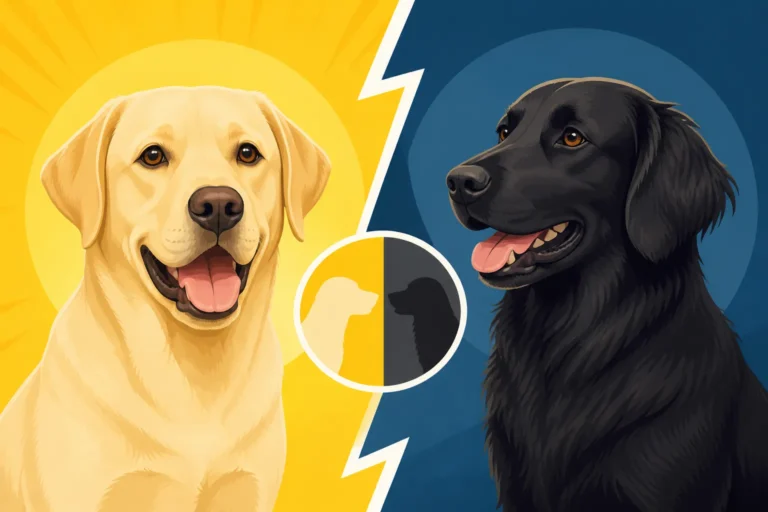
The very act of formalizing the breed and creating a standard, combined with the emergence of dog shows and competitive field trials, naturally led to a divergence in breeding goals. Some breeders focused on producing dogs that excelled in the conformation ring, emphasizing appearance, structure, and gait as defined by the breed standard. These are often referred to as "show line" or "English" Labradors, known for their typically stockier build, broader heads, and calmer demeanor. Others, however, prioritized the Labrador's original working prowess, breeding for supreme athleticism, drive, and retrieving instinct, excelling in activities like hunting, agility, and competitive obedience. These are known as "field line" or "American" Labradors, often characterized by a leaner physique, more intense drive, and higher energy levels.
This distinction isn't always clear-cut, as good breeders strive for both health and temperament, but it's a significant aspect of the breed's evolution. It's fascinating to consider English and American Labrador Types and How Field Labradors Are Built Differently to truly appreciate these subtle yet important differences that arose after the breed's formal establishment.
Maintaining Breed Integrity
Today, The Kennel Club, along with other national kennel clubs around the world, continues to play a vital role in maintaining the health and integrity of the Labrador Retriever. They provide registration services, maintain breed standards, and support health initiatives. Responsible breeders today go to great lengths to ensure they are producing healthy, well-tempered puppies that exemplify the best of the breed. This includes conducting extensive health clearances on parent dogs, testing for genetic conditions like hip and elbow dysplasia, eye conditions, and other inherited diseases. Potential owners should always insist on seeing Health Clearances a Labrador Breeder Must Show when considering a puppy.
This ongoing vigilance ensures that the Labrador continues to be the remarkable dog we cherish. The breed's journey from a humble working dog to a globally recognized and beloved companion is a testament to its inherent qualities and the dedication of countless individuals. And whether you're bringing home a new puppy or caring for a senior dog, platforms like Chewy make it incredibly easy to find the right food, supplements, or even mobility aids to ensure your Labrador thrives at every stage of life, reinforcing the modern convenience built upon a foundation of centuries of careful development.
Disclaimer
This article is for general informational purposes only and does not constitute professional advice. Laws, prices and regulations vary by location and change over time. Consult a qualified professional for guidance on your specific situation.