Labrador Dental Care at Home
It's heartbreaking to realize your beloved Labrador, who seems perfectly healthy on the outside, might be silently suffering from dental pain. Many of us don't even think about our dog's teeth until we catch a whiff of truly foul breath or notice something alarming when they yawn. The truth is, dental disease is incredibly common in dogs, and our Labs are no exception. This comprehensive guide is here to walk you through everything you need to know about providing excellent dental care for your Labrador right at home, helping you prevent painful issues and costly vet bills down the line.
Why Dental Health is So Crucial for Your Labrador
You might think a little bad breath is just part of owning a dog, but it's often the first red flag for something far more serious brewing in your Labrador's mouth. Ignoring dental health isn't just about tolerating smelly kisses; it's about protecting your dog from chronic pain and systemic health problems that can severely impact their quality of life and even shorten their Labrador Lifespan and What Changes It.
The Silent Threat of Periodontal Disease
Periodontal disease in dogs often begins subtly and progresses quietly, making it easy for busy owners to miss until it's quite advanced. It all starts with plaque, a sticky film of bacteria, food particles, and saliva that constantly forms on your Labrador's teeth. If this plaque isn't removed regularly, it hardens into tartar (or calculus), which is a rough, porous substance that provides an even better surface for more plaque to accumulate. You know that yellowish-brown buildup you sometimes see on your own teeth if you skip brushing for a day? Imagine that, but multiplied and given weeks, months, or even years to fester.
This tartar buildup irritates the gums, leading to gingivitis—inflammation of the gums, which often presents as redness, swelling, and sometimes bleeding when touched. This stage is reversible with proper care. However, if left untreated, gingivitis can progress to full-blown periodontitis. This is where the real damage starts: bacteria move below the gum line, attacking the supporting structures of the tooth. Pockets form, bone recedes, and eventually, teeth become loose, painful, and may even fall out. The worst part is that Labradors are famously stoic, meaning they'll often hide their pain until the problem is severe, munching happily on their kibble even as their mouth aches. This makes proactive care even more vital.
How Poor Dental Health Impacts Overall Well-being
It's not just about losing teeth; the mouth is a gateway to the rest of the body. The bacteria thriving in an unhealthy mouth don't stay confined to the oral cavity. They can enter your Labrador's bloodstream through inflamed gum tissue and travel to major organs, causing serious secondary health issues. We're talking about conditions affecting the heart, kidneys, and liver. Chronic inflammation from dental disease puts a constant strain on your dog's immune system, potentially exacerbating other health problems or making them more susceptible to new ones.
Consider a Labrador who loves to retrieve, swim, and play. If they have chronic pain from rotting teeth or infected gums, their enthusiasm for life can slowly diminish. They might become reluctant to play fetch, chew on their favorite toys, or even eat comfortably, leading to weight loss or changes in temperament. A dog with a painful mouth might become withdrawn, irritable, or less engaged with the family. The cumulative effect of dental disease can seriously diminish your Labrador's overall quality of life, highlighting why early intervention and consistent home care are truly acts of love.
Getting Started: Laying the Foundation for At-Home Care
Embarking on an at-home dental care routine for your Labrador might seem daunting, especially if you have an adult dog who's never had their teeth brushed before. But I promise, with patience, positive reinforcement, and the right approach, it's absolutely achievable. The key is to start slow and make it a pleasant experience for both of you.
Introducing Toothbrushing to Your Labrador, Young or Old
Whether you have a bouncy Labrador puppy or a seasoned adult, the first step is always gentle introduction. For puppies, starting early can make it seem like a normal part of their routine, much like grooming or ear cleaning. With an adult Labrador, you might need to proceed even more slowly. Begin by simply letting your dog lick some dog-specific enzymatic toothpaste off your finger. These toothpastes come in appealing flavors like poultry or peanut butter, which can make it a treat rather than a chore. After a few days of them happily licking the paste, try gently rubbing your finger along their gums and teeth. The goal here isn't cleaning, but getting them comfortable with the sensation of having their mouth handled.
Once they're okay with your finger, you can graduate to a finger brush—a small, thimble-like brush that fits over your finger. This gives you more control and a softer touch than a full toothbrush initially. Continue with short sessions, praising and rewarding generously with treats after each successful step. Remember, patience is paramount. If your Labrador resists, don't force it. End the session on a positive note and try again later, or the next day, always making it a positive, low-stress interaction. Even a few seconds of rubbing their gums with toothpaste is a win at the start.
Essential Tools for Effective Home Dental Care
Choosing the right tools is crucial for both efficacy and your Labrador's comfort. First up is the toothbrush itself. You have a few options:
- Finger brushes: As mentioned, these are great for beginners or dogs who are sensitive. They offer excellent tactile feedback and control.
- Long-handled dog toothbrushes: These are typically angled with soft bristles, designed to reach all surfaces of your dog's teeth. Some have two heads at different angles for convenience.
- Electric toothbrushes for dogs: While more expensive, some owners find these very effective for removing plaque with minimal effort. However, they require a dog who is very comfortable with the sensation and noise.
Next, and perhaps most importantly, is the toothpaste. Never use human toothpaste on your Labrador. Human toothpaste contains fluoride and detergents that are toxic if swallowed, and dogs, unlike us, don't spit. Dog-specific toothpastes are enzymatic, meaning they contain enzymes that help break down plaque even with minimal brushing. They are also formulated to be safe for ingestion and come in flavors dogs enjoy. You can find a wide variety of these specialized toothpastes and brushes online from retailers like Chewy or Amazon, offering plenty of choices to suit your Labrador's preferences and your budget. Stocking up on a few different flavors might be a good idea to keep things interesting for your food-motivated companion.
Here’s a quick overview of common dental care tools:
| Tool Type | Description | Benefits | Considerations |
|---|---|---|---|
| Finger Brush | Small, soft brush that slips over your finger. | Gentle, good control, ideal for beginners. | Limited reach for back teeth on large Labs. |
| Dog Toothbrush | Long-handled, often dual-headed, soft bristles, angled. | Better reach, more thorough cleaning. | Can be intimidating for a new brusher. |
| Enzymatic Toothpaste | Specially formulated, dog-safe paste with enzymes to break down plaque. | Essential for effective cleaning, palatable. | Must be dog-specific, never human toothpaste. |
| Dental Wipes | Disposable wipes pre-soaked with dental cleaning solution. | Quick, easy for daily light cleaning. | Less abrasive than brushing, best for maintenance. |
| Electric Toothbrush | Battery-operated brush for dogs, vibrates to clean. | Highly effective plaque removal. | Noise/vibration can scare some dogs, more expensive. |
Mastering the Brushing Technique
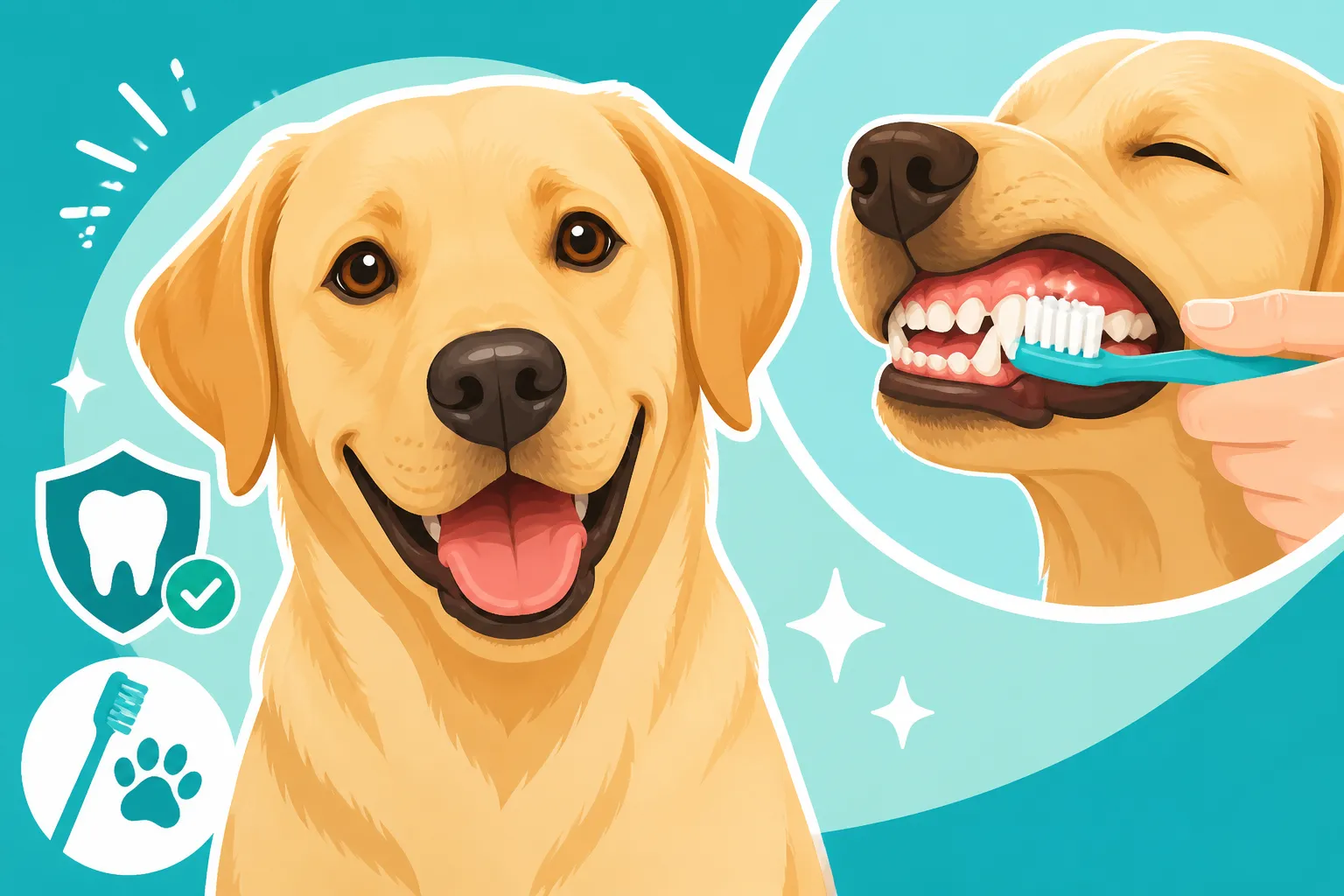
Once you have your tools and your Labrador is comfortable with the process, you can start the actual brushing. The goal is to brush the outer surfaces of the teeth, especially where the tooth meets the gum line, as this is where plaque and tartar accumulate most readily. Most dogs are surprisingly tolerant of this, as the inner surfaces of their teeth are generally kept cleaner by their tongue and saliva.
To begin, gently lift your Labrador's lip to expose the teeth. Hold the toothbrush at a 45-degree angle to the gum line, directing the bristles towards the gum. Use small, gentle circular motions, brushing just a few teeth at a time. Work your way around their mouth, focusing on the canines (fangs) and the large molars at the back, which tend to accumulate the most plaque. Don't forget the upper and lower jaw. Keep sessions short, ideally 30-60 seconds for a full mouth, especially in the beginning. Remember, this isn't a race to scrub every single tooth spotless; it's about consistency and making it a positive routine. Always follow up with plenty of praise and a special treat. This positive reinforcement is key to making your Labrador look forward to their dental hygiene routine, or at least tolerate it happily.
Supplementary Strategies for a Healthier Labrador Mouth
While brushing is undeniably the gold standard for at-home dental care, it's not the only tool in your arsenal. Many supplementary products can help keep your Labrador's mouth healthier, especially if daily brushing isn't always feasible or if your dog is particularly resistant. These options can work in conjunction with brushing or as a standalone effort, though they rarely replace the effectiveness of mechanical cleaning.
The Role of Dental Chews in Plaque Control
Dental chews are incredibly popular, and for good reason: most Labs love to chew, making them an engaging way to support oral health. These aren't just any treats; dedicated dental chews are formulated and designed to help reduce plaque and tartar. Many work through mechanical abrasion, meaning their unique shape, texture, and firmness help scrub the tooth surface as your Labrador chews. Some also contain ingredients that help inhibit bacterial growth or break down plaque biochemically.
When choosing dental chews, look for products that have been awarded a VOHC (Veterinary Oral Health Council) seal of acceptance. This means they've met specific standards for reducing plaque and/or tartar. Remember to always consider the caloric content of dental chews, as Labs are prone to Why Labradors Gain Weight So Easily, and excess calories can quickly lead to weight gain. Factor them into your dog's daily food allowance. Always supervise your Labrador when they're enjoying a dental chew to ensure they don't choke or try to swallow a piece too large. You can find a vast selection of VOHC-accepted dental chews on pet supply sites like Chewy or Amazon, often with detailed descriptions of their benefits and ingredients.
Water Additives and Oral Rinses
Water additives and oral rinses offer a "hands-off" approach to dental care, which can be appealing if your Labrador isn't keen on brushing. Water additives are typically liquid solutions that you simply add to your dog's drinking water daily. They usually contain ingredients designed to reduce bacteria in the mouth, freshen breath, and sometimes even inhibit plaque formation. The idea is that with every drink, your dog is rinsing their mouth with a plaque-fighting solution.
Oral rinses work similarly but are applied directly to the gums and teeth, either with a spray or by saturating a dental wipe. These can be helpful for targeted application, perhaps for a dog with localized gingivitis. While these products can certainly help improve breath and offer some degree of bacterial control, it's important to have realistic expectations. They generally don't provide the same level of mechanical plaque removal as brushing or even dedicated dental chews. They are best used as an addition to a dental routine, rather than a replacement for more active cleaning methods. For a comprehensive approach, they can contribute to a healthier oral environment, but won't tackle significant tartar buildup on their own.
Exploring Specialized Dental Diets for Labradors
Another often-overlooked tool in the dental care toolkit is a specialized dental diet. These prescription or veterinary-exclusive diets are specifically engineered to promote oral health. They typically feature larger kibble sizes that encourage more chewing before swallowing. The kibble is often designed with a unique fibrous matrix that "scrubs" the tooth surface as your Labrador bites down, helping to reduce plaque and tartar buildup. Some dental diets also incorporate ingredients that help prevent calcium from forming tartar.
These diets are not just regular kibble; they are clinically formulated to provide a mechanical cleaning action. If your Labrador is particularly prone to tartar buildup despite other efforts, or if brushing is simply impossible, discussing a dental diet with your veterinarian could be a game-changer. While they may be a bit more expensive than standard kibble, the potential savings on future professional dental cleanings and the benefit to your dog's overall health can make them a worthwhile investment. Always consult your vet before making significant changes to your Labrador's diet, especially when considering specialized therapeutic foods. When considering the overall health of your Labrador, a high-quality diet, whether it's a specialized dental formula or premium fresh food, supports their well-being from nose to tail, including the strength of their gums and teeth. Brands like Ollie, while not exclusively dental diets, focus on human-grade ingredients and balanced nutrition which contribute to overall vitality.
What to Look For: Recognizing Signs of Dental Distress
Even with the best at-home care, it's crucial to remain vigilant and know how to spot the early warning signs of dental problems in your Labrador. Because our Labs are such stoic creatures, they can often mask pain until an issue is quite advanced, making it essential for us as owners to be detectives. Regular visual checks and an awareness of subtle behavioral changes can make all the difference.
Visual Clues of Oral Disease
Performing a quick visual check of your Labrador's mouth periodically can help you catch problems early. What should you be looking for?
- Bad Breath (Halitosis): This is often the first and most obvious sign. While "dog breath" is normal, truly foul, rotten, or metallic smells are not. This typically indicates a significant bacterial presence.
- Tartar Buildup: Look for yellowish, brown, or even greenish-brown crusty deposits on the teeth, particularly along the gum line and on the back molars. This is hardened plaque.
- Red, Swollen, or Bleeding Gums: Healthy gums should be pink and firm. Red, puffy, or bleeding gums are classic signs of gingivitis or more advanced periodontal disease.
- Receding Gums: If the gums appear to be pulling away from the teeth, exposing the roots, this is a serious sign of advanced periodontal disease.
- Loose or Missing Teeth: This is a clear indicator of severe infection and bone loss around the tooth.
- Broken or Chipped Teeth: Your Labrador might have fractured a tooth on a hard chew toy or bone. Exposed pulp can be incredibly painful and lead to infection.
- Masses or Growths: While less common, any lumps or bumps on the gums, tongue, or inside the cheeks should be examined by a vet immediately.
Pay particular attention to the upper back molars and the canine teeth, as these are often hotbeds for Labrador Dental Disease and Tartar. If you see any of these signs, it's time to schedule a vet visit.
Behavioral Changes and Hidden Pain
Beyond the visible cues, your Labrador's behavior can offer critical insights into their oral health. As mentioned, Labs are masters at hiding pain, but subtle shifts in their routine or demeanor can betray their discomfort.
- Reluctance to Eat or Chewing Difficulties: If your Labrador suddenly becomes picky, drops food from their mouth, chews only on one side, or is hesitant to crunch on hard kibble or chews, oral pain could be the culprit. They might even approach their food bowl with enthusiasm but then back away or eat very slowly.
- Excessive Drooling: More drool than usual, especially if it's thick, discolored, or bloody, can indicate a problem.
- Paw at the Mouth or Rubbing Face: If your dog is repeatedly pawing at their mouth, rubbing their face against furniture, or frequently licking their lips, they might be trying to alleviate pain or discomfort.
- Bad Temperament/Withdrawal: A dog in chronic pain might become irritable, less tolerant of handling, or simply less active and engaged than usual. They might even snap if you accidentally touch a painful area of their face.
- Favoring One Side of the Mouth: You might notice your Labrador chewing predominantly on one side, or avoiding toys that require significant chewing.
- Changes in Grooming Habits: Some dogs will stop self-grooming if they have oral pain, leading to a duller coat. Conversely, they might excessively lick certain areas of their body if they're trying to distract themselves from discomfort.
Remember, a change in behavior is often your Labrador's only way of telling you something is wrong, especially when it comes to pain they'd rather ignore. A dog's stoicism can make it challenging to discern when they're hurting, as covered in Why Labradors Hide Pain So Well.
When to Consult Your Veterinarian
Even with diligent at-home care, professional veterinary intervention is sometimes necessary. Your veterinarian plays a crucial role in maintaining your Labrador's oral health through annual check-ups and professional dental cleanings.
- Annual Check-ups: During your Labrador's yearly wellness exam, your vet will perform an oral examination. While this is done on an awake dog, it can often reveal obvious issues like significant tartar or gingivitis.
- Severe Symptoms: If you notice any of the visual or behavioral signs of dental disease mentioned above, especially severe bad breath, loose teeth, or visible swelling, don't wait. Schedule an appointment immediately. These could indicate an abscess or severe infection requiring urgent treatment.
- Professional Dental Cleanings (Dental Prophylaxis): At some point, most Labradors will require a professional dental cleaning under anesthesia. This is the only way to thoroughly clean below the gum line, where much of the destructive periodontal disease occurs. During this procedure, the vet will scale off plaque and tartar, polish the teeth, and often perform dental X-rays to check for problems below the gum line that aren't visible to the naked eye. This might reveal issues like bone loss, abscesses, or impacted teeth. It's also when teeth that are beyond saving might need to be extracted, a situation discussed further in When a Labrador Tooth Has to Come Out. Your vet can advise you on How Often a Labrador Needs Dental Cleaning based on your dog's individual needs and the effectiveness of your home care routine.
Ensuring Long-Term Dental Health and Preventing Future Issues
Maintaining your Labrador's pearly whites isn't a one-time fix; it's a lifelong commitment. A comprehensive approach that combines consistent home care with regular professional veterinary attention is the most effective way to ensure your beloved companion enjoys a healthy, pain-free mouth for years to come.
The Importance of Regular Professional Cleanings
While home dental care is incredibly important for managing plaque and gingivitis, it generally cannot remove hardened tartar that has accumulated below the gum line. That's where professional veterinary dental cleanings come in. These procedures are performed under general anesthesia, which allows your veterinarian to conduct a thorough examination of every tooth surface, both above and below the gum line, without causing your dog stress or pain.
During a professional cleaning, the vet uses specialized instruments to remove all plaque and tartar. This includes ultrasonic scaling, similar to what your own hygienist uses, to clean each tooth surface. They will also polish the teeth to smooth out microscopic scratches where plaque could easily adhere again. Crucially, they can perform full-mouth dental X-rays, which are absolutely essential because over two-thirds of dental disease in dogs occurs below the gum line, invisible to the naked eye. X-rays can reveal painful issues like root abscesses, bone loss, un-erupted teeth, or fractures that would otherwise go undetected. If any teeth are severely diseased and causing pain, they can be extracted during the same procedure. Your vet will discuss the findings and a plan for any necessary extractions, as well as the overall Routine Vet Spending on a Labrador that can come with these important procedures. Don't underestimate the impact of these cleanings on preventing more serious health issues and improving your Labrador's comfort.
Proactive Measures to Keep Your Labrador's Mouth Healthy
A truly healthy mouth comes from a combination of strategies. Think of it as layers of protection.
- Consistent Brushing: This remains the foundation. Aim for daily brushing, or at least every other day, to mechanically remove plaque before it hardens into tartar. Even a quick 30-second brush is better than nothing. You might find useful techniques in Brushing a Labrador's Teeth at Home.
- Appropriate Diet: Consider a high-quality kibble that encourages chewing, or even a specialized dental diet if recommended by your vet. While fresh foods are great for overall health, they don't inherently clean teeth, so other dental care methods become even more critical.
- Safe Dental Chews: Incorporate VOHC-accepted dental chews as part of their routine, ensuring they are size-appropriate and supervised. This can provide both mental stimulation and some plaque reduction. Be mindful of their caloric intake to avoid weight gain. You can find options that fit within a Treats That Fit a Labrador's Calorie Budget.
- Regular Vet Checks: Don't skip those annual exams. Your vet can spot issues you might miss and recommend professional cleanings before problems become severe.
- Avoid Hard Chews: Be cautious with extremely hard objects like antlers, real bones, or synthetic bones that are too hard. While Labs love to chew, these can easily fracture teeth, leading to painful and costly emergencies.
- Early Intervention: Address any signs of oral discomfort or disease immediately. The sooner you act, the easier and less invasive the treatment will be.
By combining these proactive measures, you're setting your Labrador up for a lifetime of better oral health, which, in turn, contributes to their overall vitality.
Integrating Dental Care into a Holistic Health Plan
Dental care shouldn't be seen as an isolated task but as an integral part of your Labrador's overall health and wellness plan. Just as you pay attention to their Feeding a Labrador Through Every Life Stage, exercise needs, and regular vet visits, their oral hygiene deserves equal priority. A healthy mouth contributes to a robust immune system, proper digestion, and a cheerful disposition.
Think about how other aspects of their care might intersect. For instance, managing a Labrador's weight is crucial not only for their joints, which are prone to Labrador Arthritis in Middle Age, but also because obesity can be linked to higher rates of periodontal disease due to systemic inflammation. Similarly, the quality of their diet contributes to strong bones and teeth and overall resilience. Providing a balanced, high-quality diet from brands focusing on nutritional integrity supports healthy gums and a robust immune system. Even simple things like encouraging appropriate chewing on safe toys from puppyhood can help establish good oral habits and reduce destructive chewing on inappropriate items. By viewing dental health as part of the bigger picture of your Labrador's well-being, you're not just preventing problems; you're actively promoting a longer, happier, and more comfortable life for your cherished companion.
Disclaimer
This article is for general informational purposes only and does not constitute professional advice. Laws, prices and regulations vary by location and change over time. Consult a qualified professional for guidance on your specific situation.