Using Kibble From the Daily Ration as Treats
It’s a tale as old as time for Labrador owners: your beloved companion stares at you with those soulful eyes, practically willing a treat into existence. We all love to spoil our Labs, but the truth is, those extra biscuits and chews add up quickly, leading to weight gain and a host of health problems. This guide will walk you through the incredibly effective, healthy, and budget-friendly practice of using your Labrador's daily kibble ration as treats, showing you how to keep them lean, engaged, and happy without compromising their well-being.
The Dilemma: Balancing a Labrador's Appetite with Health
Anyone who shares their home with a Labrador knows the struggle is real. They are famously food-driven, seemingly bottomless pits of appetite, and while this makes them wonderfully trainable, it also means we have to be incredibly vigilant about what and how much they eat. It's a constant balancing act between showing affection and ensuring their long-term health.
Why Labradors Are So Food Motivated
Let's be honest, Labradors aren't just fond of food; for many, it's an obsession. This isn't just a quirky personality trait; it's often rooted in their genetics and breed history. Labradors were originally bred as working dogs, retrieving game in cold water, and they needed every calorie they could get to sustain their high energy output. Their strong drive to find and consume food was a survival mechanism. Fast forward to today, and many Labs retain this intense food motivation, even those who spend their days as beloved couch potatoes. Some even carry a genetic mutation in the POMC gene that affects their feeling of fullness, meaning they genuinely feel hungrier than other dogs. This inherent drive can make saying "no" to their pleading eyes incredibly difficult, but it also makes them incredibly responsive to food-based rewards in training.
This deep-seated love for food means that every morsel counts. If you're constantly battling your Labrador over food, or if they seem to be perpetually hungry, understanding this genetic predisposition can help you approach their diet and training with more empathy and strategy. It's not just "being naughty"; it's often how they're wired. This is why Using a Labrador's Food Drive as Leverage can be such a powerful tool in training, but it also requires careful management of their total caloric intake.
The Hidden Calories in Traditional Treats
We've all been there: reaching for that handy bag of dog biscuits or a chew stick without really thinking about the calorie count. A small treat here, a training session there with store-bought goodies, and suddenly, your Labrador's daily intake has skyrocketed without you realizing it. Many commercial treats, especially the larger, more palatable ones, are surprisingly calorie-dense. A single dental chew can pack as many calories as a small meal! It's like us having a candy bar every time we do something good; it adds up fast.
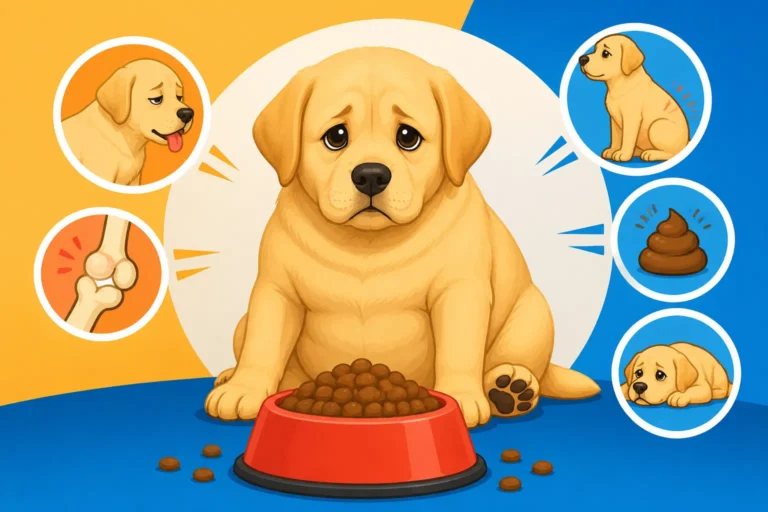
The problem is compounded by the fact that Labradors are already predisposed to weight gain. Why Labradors Gain Weight So Easily is a common concern among owners, and high-calorie treats are often a major culprit. When you give your Labrador a treat in addition to their regular meals, you're piling on calories that their body might not need, especially if they aren't working hard or getting intense daily exercise. This excess energy is then stored as fat, contributing to obesity, which can shorten their lifespan and exacerbate joint issues like hip and elbow dysplasia. Many owners simply aren't aware of the caloric density of popular treats, leading to accidental overfeeding and a struggle to keep their Lab at a Keeping a Labrador at a Healthy Weight.
The Smart Solution: Why Your Labrador's Kibble is the Best Treat
So, what's a loving, responsible Labrador owner to do? The answer is beautifully simple, incredibly effective, and often overlooked: use your Labrador's regular kibble as treats. It might not sound exciting to us, but for a food-motivated Labrador, their daily kibble can be just as rewarding as any fancy biscuit, especially when delivered with enthusiasm and consistency. It's a game-changer for managing their weight, boosting their training, and even saving you money.
Health and Weight Management Benefits
The most significant advantage of using kibble as treats is the ability to precisely manage your Labrador's calorie intake. Instead of adding "extra" calories, you're simply redistributing the calories they already need from their daily food allowance. This means you can reward them generously throughout the day for good behavior, training, or just because you love them, without fearing that you're pushing them towards an unhealthy weight. This intentional approach is crucial for Portion Control for a Food-Obsessed Labrador and ensuring they remain lean and active.
Maintaining a healthy weight is paramount for Labradors, as it directly impacts their joint health and overall longevity. An overweight Labrador is at a much higher risk for arthritis, cruciate ligament issues, and even certain cancers. By using kibble, you're actively working to prevent these issues, ensuring your furry friend enjoys a longer, healthier life. Studies have shown that a lean body condition can add years to a dog's life, and for a breed like the Labrador, known for its zest for life, those extra years are priceless. This strategy also simplifies calculating Treats That Fit a Labrador's Calorie Budget because the treats are the budget.
Financial and Convenience Advantages
Let's talk practicalities. Bags of specialized training treats, dental chews, and various snacks can quickly empty your wallet. By simply dipping into your Labrador's regular bag of food, you eliminate this recurring expense entirely. Think of all the money you'll save over a year, money that could go towards a new squeaky toy, a fun adventure, or even that inevitable vet visit. Online retailers like Chewy and Amazon often have great deals on large bags of quality kibble, making this strategy even more economical.
Beyond the financial savings, there's the sheer convenience. You never have to worry about running out of treats, and you always have a consistent, familiar reward on hand. No more scrambling to find a treat before a training session or realizing you forgot to restock. Whether you're at home, on a walk, or visiting friends, your Labrador's kibble is readily available, making impromptu training moments or rewarding good behavior effortless. It's about simplifying your routine while maximizing its effectiveness.
Enhancing Training and Focus
For a Labrador, consistency is key, and using their regular kibble as a reward provides just that. It eliminates the distraction of novel, super-high-value treats that might be reserved only for special occasions, allowing your dog to focus on the task at hand rather than just the immediate payoff. Since kibble is part of their daily diet, it becomes a predictable and reliable reward that they understand and value. This consistency helps to solidify desired behaviors quickly and effectively.
Furthermore, because kibble is less "exciting" than a piece of cheese or cooked chicken (to us, anyway!), it encourages your Labrador to work a little harder and focus more intently during training sessions. They learn that the reward isn't guaranteed to be mind-blowing, but it's always coming if they perform correctly. This can build a stronger work ethic and a deeper understanding of commands. It also allows for multiple repetitions without overfeeding, which is crucial when teaching complex behaviors or simply reinforcing basic manners like "sit" or "stay." This strategy is an excellent example of Using a Labrador's Food Drive as Leverage to its fullest potential in positive reinforcement training.
Practical Ways to Incorporate Kibble as Treats
Now that we've covered the "why," let's dive into the "how." Integrating kibble into your treat routine is straightforward, but a few smart strategies can make it even more successful and keep your Labrador engaged. The goal is to make those little pieces of their daily meal feel just as rewarding as any store-bought goodie.
Daily Ration Allocation and Measurement
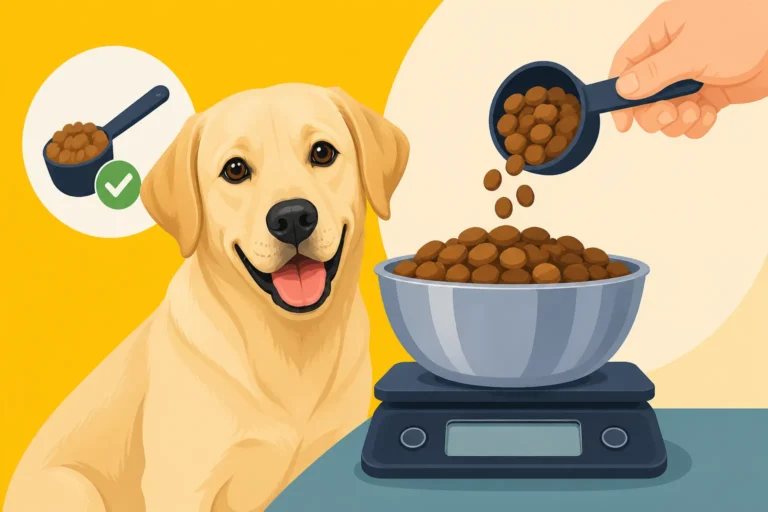
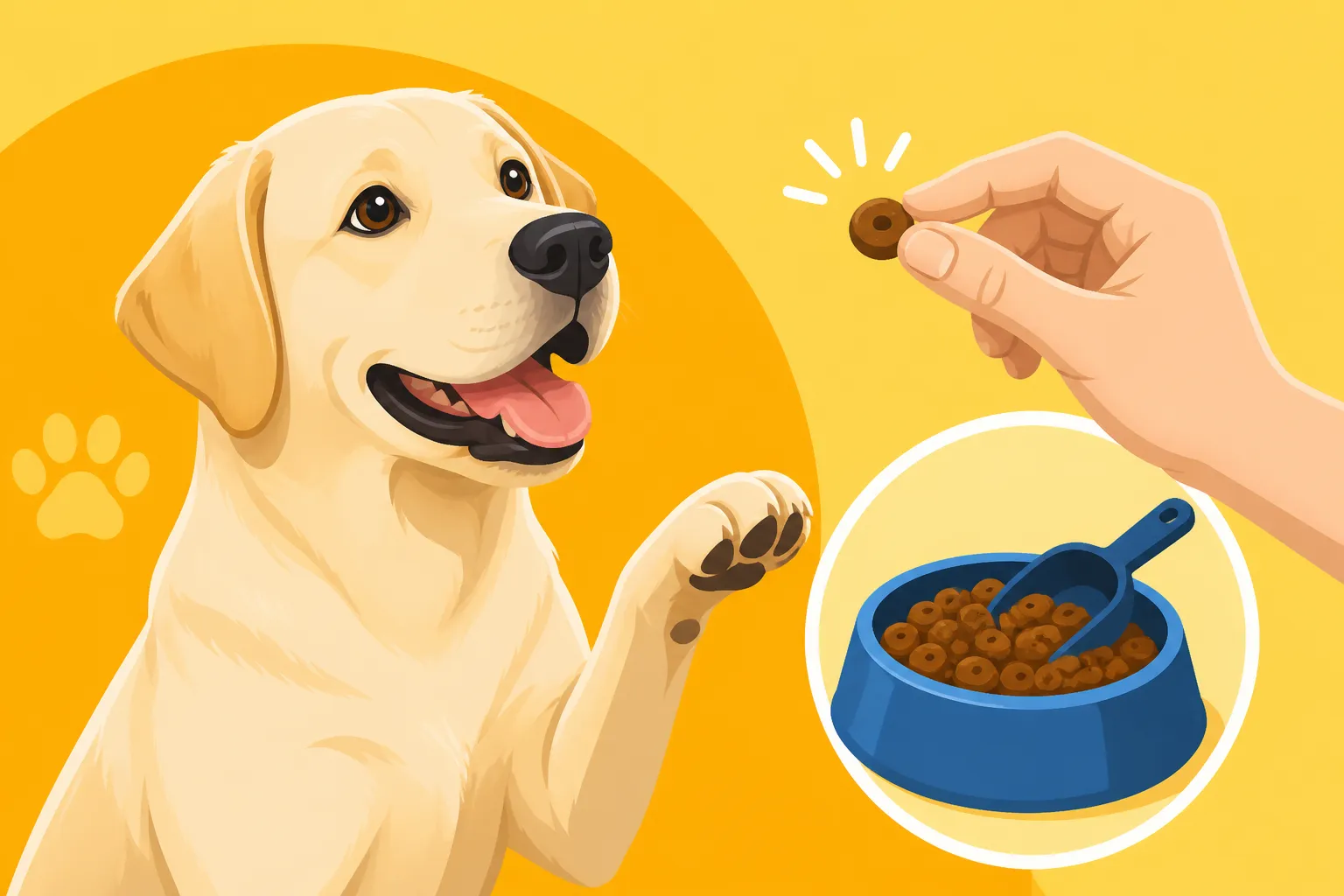
The first, and most crucial, step is to adjust your Labrador's main meal portions. If you plan to use a cup of kibble for training and rewards throughout the day, that cup needs to come out of their total daily allowance. This isn't about giving them more food; it's about allocating their existing food in a smarter way. Start by measuring out their entire daily kibble ration in the morning. Then, set aside a portion of that for use as treats.
For example, if your 70-pound adult Labrador needs 3 cups of food per day (always check your specific food's guidelines and your vet's recommendations!), you might put 1.5 cups in their breakfast bowl, 0.5 cups in a training pouch, and the remaining 1 cup in their dinner bowl. This way, every kibble piece used as a treat is accounted for. Use a kitchen scale or a precise measuring cup to ensure accuracy – eyeballing can lead to significant over or under-feeding. You'll find that this method provides excellent Portion Control for a Food-Obsessed Labrador and is key to preventing accidental weight gain.
Making Kibble More Exciting for Training
While kibble might not seem glamorous, a Labrador's enthusiasm for it largely depends on your delivery. Make it fun! Use high-pitched praise, enthusiastic gestures, and a quick, happy tone when you reward them. The reward isn't just the food; it's the positive interaction with you. Small, frequent rewards are often more effective than one large one. If your Labrador seems a bit "meh" about plain kibble at first, here are a few tricks:
- Marinate It (Temporarily): Place a few pieces of kibble in a small, sealable bag with a tiny bit of something smelly and appealing – a teaspoon of chicken broth (low sodium!), a sliver of cheese, or a dash of garlic powder (avoid onion powder). Let it sit for a bit, then remove the "flavoring" and use the kibble. It absorbs the scent, making it more appealing. Just make sure the added flavoring is minimal and safe.
- Warm It Up: A few seconds in the microwave can release more aroma, making it more enticing. Be careful not to make it hot!
- Mix in a Few High-Value Pieces: If you're tackling a particularly difficult behavior or a highly distracting environment, intersperse a few tiny pieces of truly high-value treat (like boiled chicken or hot dogs) with the kibble. This keeps them guessing and elevates the value of the entire reward system.
- Use it for Quick Meals: Sometimes, during intense training periods, you can even feed an entire meal through training. Instead of a bowl, every piece of kibble is earned through a command or a good choice. This can be incredibly mentally stimulating for your Labrador.
Creative Uses Beyond Basic Training
Kibble isn't just for "sit" and "stay." It's a fantastic tool for mental enrichment and engaging your Labrador's natural instincts.
- Puzzle Feeders: These are a godsend for Labs. They turn mealtime into a mental game, slowing down eating and making your dog "work" for their food. Many excellent Puzzle Feeders That Slow a Greedy Labrador are available on Chewy or Amazon, from simple snuffle mats to complex dispensers. Filling these with kibble not only extends mealtime but also provides valuable mental stimulation.
- Scent Work: Hide small piles of kibble around your house or yard and encourage your Labrador to "find it!" This taps into their incredible sense of smell and provides a wonderful outlet for their natural hunting and retrieving instincts. Start easy, then make it more challenging. This is a fantastic rainy-day activity.
- Interactive Play: Incorporate kibble into gentle fetch games indoors. Every time your Labrador brings the toy back, they get a piece of kibble. This reinforces retrieval and makes play even more rewarding. It's a great way to bond and provide low-impact exercise.
- Scatter Feeding: Instead of feeding from a bowl, scatter a portion of their kibble across a clean floor or grassy area. This encourages natural foraging behavior, slows down eating, and adds a touch of mental and physical activity to mealtime.
| Treat Type | Calorie Density (General) | Cost Factor | Training Effectiveness | Health Benefits | Drawbacks |
|---|---|---|---|---|---|
| Kibble | Low – Moderate | Low | High (consistent) | Excellent (weight) | May need "boosting" appeal for some Labs |
| Commercial Treats | Moderate – High | Moderate | Variable (often high) | Poor (weight gain) | Hidden calories, can lead to overfeeding |
| Human Food | Variable (often high) | Variable | High (novelty) | Variable (nutrients) | Can be high in fat/salt, some are toxic for dogs |
When and How to Supplement or Diversify (Carefully!)
While kibble should be your primary treat, there are definitely situations where a little something extra can be beneficial. The key is to be mindful of calories and to make these higher-value treats truly supplemental, not the norm. Remember, the goal is always to support your Labrador's health and training, not inadvertently derail it.
Situations for Higher Value Rewards
There are times when plain kibble just won't cut it, and that's okay. For exceptionally challenging training scenarios, such as recall around major distractions (like squirrels at the park or other dogs), or during highly stressful events like vet visits, a truly high-value treat can make all the difference. Imagine trying to get your Labrador to hold still for a nail trim if they're only getting a piece of kibble – it might require more persuasive power!
These "jackpot" treats should be used sparingly and strategically. Think of them as the big prize for exceptional effort or bravery. Small pieces of cooked chicken, cheese, or even commercial training treats that are specifically low-calorie (always check the label!) can be effective. When you do use them, make sure to adjust their main meal portion accordingly to maintain their daily calorie budget. For instance, if you're working on difficult commands, the initial sessions might feature higher value rewards to build enthusiasm, slowly transitioning to kibble as the behavior becomes more ingrained. This is especially true when teaching First Commands to Teach a Labrador where you want to make the experience overwhelmingly positive.
Low-Calorie Additions to Boost Appeal
If your Labrador needs a little extra encouragement but you want to avoid high-calorie foods, consider some healthy, low-calorie human food options as occasional toppers or very small training treats. These can add variety and excitement without significantly impacting their caloric intake.
Here are a few safe and healthy options:
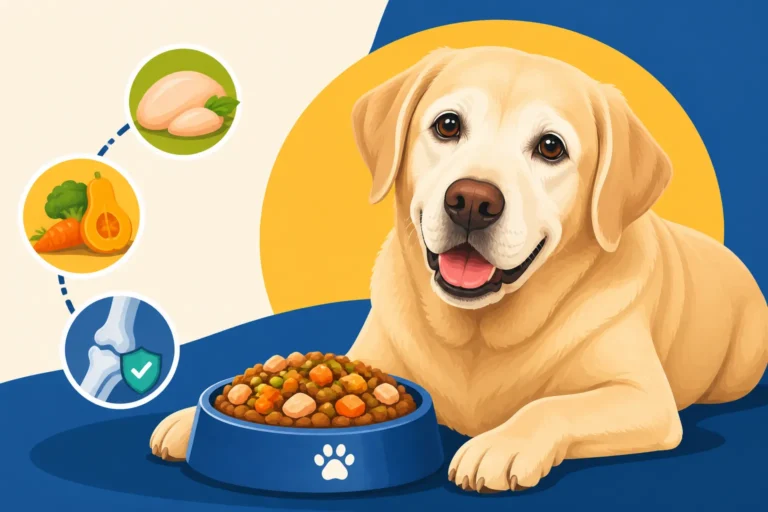
- Cooked, Plain Green Beans: Many Labs love these crunchy treats. They're packed with fiber and very low in calories.
- Carrot Pieces: Another great crunchy option, good for dental health too.
- Apple Slices (no seeds!): A sweet treat in moderation.
- Blueberries: Small, antioxidant-rich, and often a favorite.
- Small amounts of boiled, unseasoned chicken or lean turkey breast: Cut into pea-sized pieces for maximum impact with minimal calories.
These can be fantastic for adding a "special" touch when you need it, or for stuffing into a Kong or puzzle toy for extra engagement. Just remember to introduce new foods slowly to avoid upsetting your Labrador's stomach and always ensure they are safe for dogs. You can find more ideas for Treats That Fit a Labrador's Calorie Budget in our other articles.
Avoiding Common Treat Pitfalls
Even with the best intentions, it's easy to fall into bad habits. Here are some common pitfalls to watch out for:
- The "Just One More" Syndrome: This is where calories sneak in. One tiny piece from your plate, one extra biscuit before bed. These small additions accumulate rapidly, especially for a breed with such a powerful appetite. Why a Labrador Begs After Eating is often about learned behavior and a hopeful nature rather than genuine hunger.
- Ignoring the Label: Always read the calorie information on any commercial treat. A treat marketed as "small" might still be surprisingly dense. If the bag doesn't have calorie info, treat it as very high-calorie.
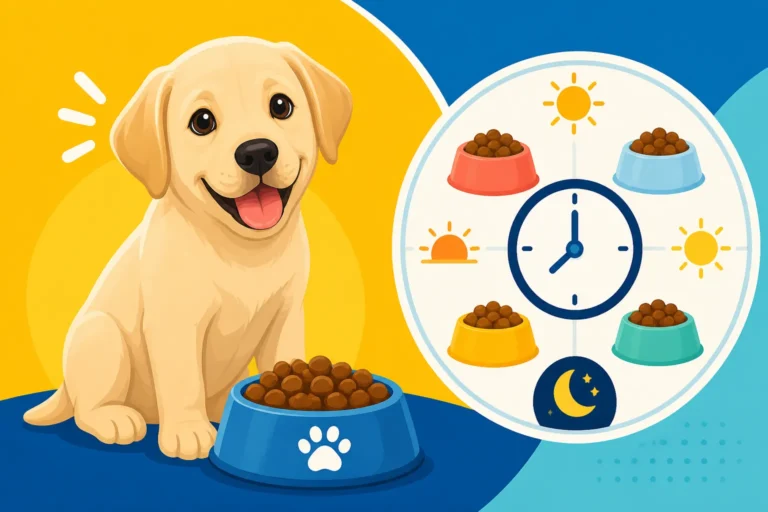
- Free Feeding: Leaving a bowl of kibble out all day makes it impossible to track how much your Labrador is eating and how many calories they're getting from "treats." Timed meals are almost always better for Labradors.
- Using Treats for Attention Seeking: If your Labrador barks or nudges you for treats, rewarding this behavior reinforces it. Instead, wait for a moment of quiet or a desired action (like lying down calmly) before offering a reward.
By consciously choosing kibble as your primary treat and using higher-value options sparingly and thoughtfully, you're setting your Labrador up for a lifetime of good health and successful training. It's an adjustment for us as owners, perhaps, but one that your Labrador's waistline and overall well-being will thank you for. Remember, How Much Longer a Lean Labrador Lives can be significantly impacted by these daily choices, making every kibble-as-a-treat decision a step towards a healthier future.
Disclaimer
This article is for general informational purposes only and does not constitute professional advice. Laws, prices and regulations vary by location and change over time. Consult a qualified professional for guidance on your specific situation.