Fruits and Vegetables Safe for Labradors
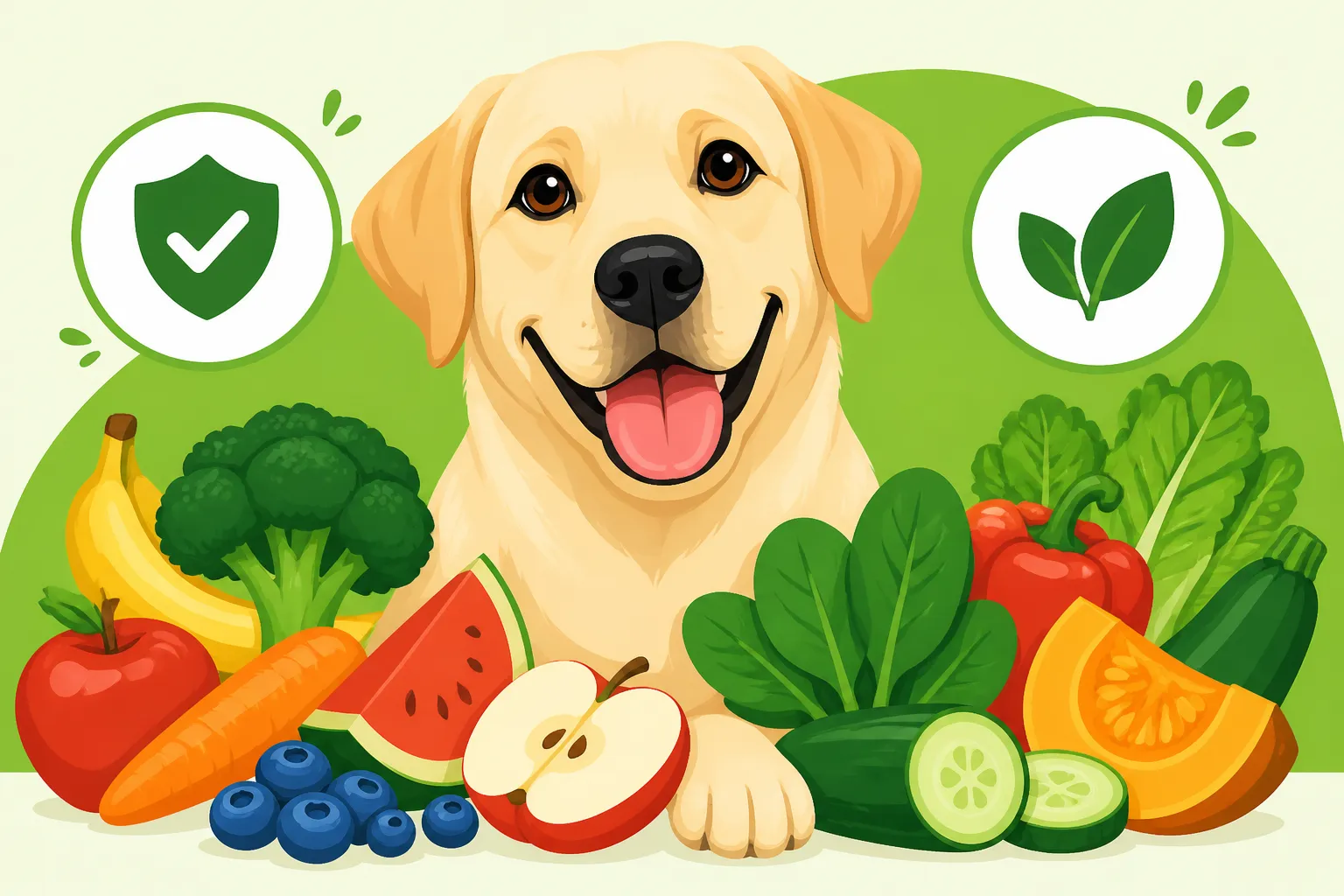
It’s a tale as old as time for Labrador owners: you're enjoying a healthy snack, maybe an apple or some carrots, and those big, soulful Labrador eyes fix on you, practically begging for a bite. It’s hard to resist sharing, but the worry always lingers – what human foods are truly safe for our beloved companions, and which ones are absolute no-gos? This guide is here to clear up the confusion, helping you confidently choose nutritious fruits and vegetables that can add a healthy boost to your Labrador’s diet without any nasty surprises.
Why Sharing Fruits and Veggies with Your Labrador is a Great Idea (With Caveats!)
As a Labrador owner, you know firsthand how food-motivated these dogs are. They often live for mealtime and treat time, which can sometimes lead to struggles with weight management. That's where wholesome fruits and vegetables can become your secret weapon – offering delicious, satisfying snacks that are packed with nutrients but low in calories.
The Nutritional Benefits for Your Furry Friend
Imagine swapping out a high-calorie biscuit for a crunchy slice of apple or a handful of green beans. Not only are you satisfying that notorious Labrador appetite, but you're also providing a host of essential vitamins, minerals, and dietary fiber. Fruits and vegetables are natural sources of antioxidants, which can help combat cellular damage, and many are high in water content, contributing to hydration. For a breed prone to weight gain, like our Labs, these low-calorie, nutrient-dense options can be a game-changer. It's a wonderful way to diversify their diet and ensure they're getting a broad spectrum of beneficial compounds that might not be as prevalent in their everyday kibble. Think of it as giving them a little extra boost for their overall health and vitality.
For instance, if you have a Labrador who is on a weight management plan – and let's be honest, many Labs end up there – swapping traditional dog treats for plain, safe vegetables can make a huge difference. Instead of feeling guilty about saying no to another high-fat chew, you can offer a crunchy carrot stick that takes time to eat, satisfies their urge to chew, and provides negligible calories. This strategy can be incredibly effective in managing their weight without making them feel deprived, helping prevent issues like Labrador Obesity and the Years It Costs.
Portion Control and Moderation Are Key
Even the healthiest of treats can become problematic if given in excess. Fruits and vegetables, while good for your Labrador, should always be considered supplemental treats, not a replacement for their balanced dog food. Their primary nutrition should still come from a high-quality commercial dog food that meets their specific life stage needs. Too much fiber, for example, can lead to digestive upset, gas, or diarrhea. Sugary fruits, even natural sugars, can contribute to weight gain or dental issues if overfed.
The key is moderation. A few slices of apple, a small handful of blueberries, or a couple of carrot sticks are perfect. Don't let your Labrador's enthusiastic begging lead you to overindulge them. Just because it's healthy for you doesn't mean they need an entire bowl of it. Remember their The POMC Gene and Labrador Appetite might make them seem endlessly hungry, but responsible feeding is paramount. Keep track of how many of these healthy treats you're doling out throughout the day to ensure they don't exceed about 10% of their daily caloric intake. This mindful approach helps keep their diet balanced and prevents any unintended health consequences.
Always Prepare Produce Properly
This step is absolutely critical and often overlooked. Before offering any fruit or vegetable to your Labrador, always wash it thoroughly to remove pesticides and dirt. More importantly, you must prepare it in a safe, digestible manner. This means removing all seeds, pits, stems, and rinds from fruits like apples, peaches, or watermelon, as these can be choking hazards, contain toxic compounds like cyanide, or cause intestinal blockages. Cut fruits and vegetables into small, bite-sized pieces appropriate for your Labrador's size to prevent choking, especially if they are enthusiastic eaters (and what Labrador isn't?).
Consider the scenario: you're enjoying an apple and absentmindedly toss your Labrador the core. While an occasional small piece might not cause immediate harm, apple seeds contain small amounts of cyanide. Over time, or if consumed in larger quantities, this can be problematic. A much more common and immediate danger is the core itself, which can easily become lodged in your Labrador's throat, leading to a frantic choking emergency. Similarly, a peach pit, while seemingly too large to swallow, can present a significant blockage risk if ingested, often requiring expensive emergency surgery. Always err on the side of caution and meticulously prepare any produce before offering it to your furry friend.
A Comprehensive List of Labrador-Safe Fruits and How to Serve Them
Many fruits that humans enjoy can be a wonderful, hydrating, and nutritious snack for your Labrador. Just remember the golden rules of moderation and proper preparation!
The Best Berry Good Options
Berries are fantastic little powerhouses of nutrition for Labs. They're typically low in calories and packed with antioxidants.
- Blueberries: These tiny blue gems are often considered a superfood for dogs. They're small, easy to eat, and full of vitamins C and K, as well as fiber and antioxidants. You can offer them fresh, frozen (a wonderful cooling treat on a hot day!), or even sprinkle a few on top of their regular meal. Many Labs love chasing them across the floor like tiny edible balls.
- Strawberries: Juicy and sweet, strawberries are a good source of vitamin C and fiber. Make sure to wash them well and cut off the green tops. You can slice them up or offer them whole, depending on their size and your dog's chewing habits.
- Raspberries: Similar to blueberries and strawberries, raspberries are rich in antioxidants, fiber, and vitamin C. They do contain a small amount of naturally occurring xylitol, but the concentration is generally so low that it's not considered harmful in moderation. Stick to small quantities, like a few berries at a time, to be safe.
Imagine it's a scorching summer afternoon, and your Labrador, after a vigorous game of fetch in the park, is panting and looking for something refreshing. Instead of a processed treat, you can pull out a bag of frozen blueberries. They're a fantastic, cooling snack that not only satisfies their craving but also provides a healthy dose of antioxidants. These can even be popped into a puzzle toy purchased from a retailer like Amazon or Chewy to extend the enjoyment and mental stimulation, turning treat time into a mini-activity.
Apples, Pears, and Bananas: Classic Choices
These common household fruits offer a range of benefits but come with specific preparation needs.
- Apples: An excellent source of vitamins A and C, as well as fiber. The crunch of an apple is often very satisfying for Labs. ALWAYS remove the core and seeds before serving. The seeds contain cyanide, and the core can be a choking hazard. Slice the apple into manageable pieces.
- Pears: Similar to apples, pears are high in vitamins C and K, fiber, and antioxidants. Again, the core and seeds must be removed due to potential toxicity and choking risks. Serve them sliced in small pieces.
- Bananas: While a great source of potassium, vitamins B6 and C, and fiber, bananas are also quite high in sugar. They should be given in strict moderation as an occasional treat. A few slices are plenty. Some Labs go wild for frozen banana slices, which can be a particularly refreshing and slow-to-eat snack.
Consider a practical scenario: your Labrador is learning a new trick, and you're looking for Treats That Fit a Labrador's Calorie Budget. Instead of relying solely on commercial dog treats, you can dice up a small amount of apple (core and seeds removed, of course) or a few slices of banana. These offer a novel taste and texture, keeping their interest piqued during training sessions. Just be mindful of the sugar content in bananas and use them sparingly.
Melon and Other Hydrating Delights
When the weather is warm, or your Lab just needs a hydrating pick-me-up, certain melons are excellent choices.
- Watermelon: This super hydrating fruit is nearly 92% water and packed with vitamins A, B6, and C, and potassium. Crucially, you must remove all seeds and the rind, as both can cause digestive upset or blockages. Offer the pink flesh in small, bite-sized cubes.
- Cantaloupe: Another fantastic source of vitamins A and C, as well as fiber and potassium. Like watermelon, remove the rind and seeds before serving. Cut into small pieces.
- Honeydew: Similar to cantaloupe, honeydew is hydrating and contains vitamins C and B6. Again, make sure the rind and seeds are completely removed.
Imagine a long, hot hike with your Labrador. Afterward, they're probably thirsty and a bit tired. A few cubes of chilled, seedless watermelon can be an incredibly refreshing and rehydrating treat. It’s a wonderful way to replenish some fluids and give them a tasty reward for their efforts. This is also a perfect treat for older Labs who might need extra hydration and softer foods as part of their Caring for a Senior Labrador routine.
Vegetables Your Labrador Will Love and How to Introduce Them
Just like fruits, many vegetables are excellent, low-calorie additions to your Labrador’s diet. They offer diverse textures and essential nutrients.
Crunchy Goodness: Carrots, Green Beans, and Celery
These vegetables are not only nutritious but also offer a satisfying crunch that many Labradors adore, sometimes even helping with dental hygiene.
- Carrots: Raw or cooked, carrots are a fantastic low-calorie snack. They're high in beta-carotene (which produces vitamin A), fiber, and antioxidants. The firm texture can also help scrape plaque off their teeth. Baby carrots are especially convenient for quick treats or training rewards.
- Green Beans: Plain green beans, whether fresh, frozen, or canned (no added salt), are a beloved low-calorie snack for many Labs. They're a great source of vitamins K and C, as well as manganese and fiber. They can be a fantastic filler for a dog on a diet, making them feel full without adding many calories.
- Celery: While not as nutrient-dense as some other options, celery is mostly water and fiber, making it a safe, low-calorie crunchy treat. Some dogs enjoy the unique texture. Cut it into small, manageable pieces to avoid choking.
Let's say you're trying to keep your Labrador engaged during a training session, and you want to use treats that won't pack on the pounds. A handful of pre-cut baby carrots from your fridge can be the perfect solution. They are cheap, healthy, and provide that satisfying crunch that motivates many Labs. You can carry them in a treat pouch and dispense them generously, knowing you're offering a Human Foods Safe for a Labrador option that won't ruin their diet.
Leafy Greens and Root Veggies for Health
Don't overlook these often-cooked options that can also benefit your Labrador.
- Spinach: This leafy green is packed with vitamins A, C, and K, as well as iron and antioxidants. However, it also contains oxalates, which can interfere with calcium absorption and, in very large quantities, contribute to kidney issues. So, offer spinach in small, moderate amounts, cooked is often best to reduce oxalate content.
- Sweet Potatoes: Cooked (baked or boiled, plain, without any seasonings), sweet potatoes are a fantastic source of dietary fiber, beta-carotene, and vitamins B6 and C. They are excellent for digestive health. NEVER feed raw sweet potato, as it can be difficult to digest and cause upset.
- Pumpkin: Plain, canned pumpkin (not pumpkin pie filling, which contains sugar and spices) is a true miracle worker for many dog owners. It's high in fiber and can help regulate a dog's digestive system, whether they're experiencing diarrhea or constipation. A spoonful mixed into their food or offered as a special treat can be very soothing.
Consider a situation where your Labrador is experiencing mild digestive upset, perhaps a loose stool after getting into something they shouldn't have. A spoonful or two of plain canned pumpkin mixed into their regular food can often help firm things up thanks to its fiber content. It’s a natural, gentle remedy that many vets recommend for minor gastrointestinal issues. Just make sure it's pure pumpkin, and not sweetened or spiced versions.
Steaming Ahead: Broccoli and Cauliflower (in moderation)
These cruciferous vegetables can be beneficial but need to be introduced carefully due to their potential to cause gas.
- Broccoli: Steamed or raw (in small quantities), broccoli florets and stems can be a good source of vitamins C and K, as well as fiber. However, it contains isothiocyanates, which can cause gastrointestinal irritation and gas if consumed in large amounts. Stick to small, bite-sized pieces and offer sparingly. Cooked broccoli is often easier to digest.
- Cauliflower: Similar to broccoli, cooked cauliflower can be given in small, moderate amounts. It provides vitamins C and K and fiber. Again, the same warning about gas applies, so introduce it slowly and in small portions.
If you're making a stir-fry and have some plain, steamed broccoli florets left over, your Labrador might enjoy a small piece. The key here is small and steamed. A large chunk of raw broccoli, while seemingly healthy, could lead to an uncomfortable evening for your dog (and for you, if they're particularly gassy!). Always monitor their reaction when introducing new foods, especially those known to cause a bit of flatulence.
Fruits and Vegetables to Absolutely Avoid (And Why!)
While there are many safe choices, there are also some fruits and vegetables that are highly toxic or pose significant risks to your Labrador. Knowing these is just as important as knowing the safe options.
The Naughty List: Highly Toxic Produce
These items should never be given to your Labrador, as they can cause serious illness or even be fatal.
- Grapes and Raisins: These are among the most dangerous foods for dogs. Even a small amount can cause sudden kidney failure in some dogs. The exact toxic compound isn't fully understood, but the risk is undeniable. If your Labrador ingests even one grape or raisin, contact your vet immediately.
- Onions, Garlic, Leeks, Chives: All members of the Allium family are toxic to dogs. They contain compounds that can damage a dog's red blood cells, leading to anemia. Garlic is particularly potent. Even cooked forms or powdered versions found in human foods can be dangerous.
- Avocado: The skin and pit of avocados contain a fungicidal toxin called persin, which can cause vomiting and diarrhea in dogs. While the flesh contains less persin, it's also very high in fat, which can lead to pancreatitis. It’s best to avoid avocado entirely to be safe.
Picture this frightening scenario: a bowl of fruit salad with grapes is left on a low coffee table during a family gathering. Your curious Labrador, known for his opportunistic scavenging, quickly laps up a few grapes before anyone notices. This isn't a situation to "wait and see." This is an immediate emergency requiring a call to your veterinarian or a pet poison control center. Knowing these Foods That Are Dangerous for Labradors is critical for rapid response.
High-Risk Items: Pits, Seeds, and Corn Cobs
While the flesh of some fruits might be safe, specific parts can be highly problematic due to toxicity or physical hazards.
- Pits and Seeds (of certain fruits): We've already touched on apple seeds containing cyanide and cherry/peach/apricot pits posing a choking hazard and containing cyanide. Plum pits also contain cyanide. The hard, indigestible nature of these pits can also cause severe intestinal blockages, which often require expensive and invasive surgery.
- Corn Cobs: While corn kernels themselves are safe for dogs in moderation, the cob is a huge no-go. It's highly indigestible and can easily cause a life-threatening intestinal obstruction. Labradors, with their strong chewing power, can break off pieces of the cob, or even swallow smaller cobs whole. If your dog eats a corn cob, it's an emergency.
Consider another real-life example: you've finished grilling and a half-eaten corn on the cob is left on a plate, momentarily unattended. Your Labrador, with his incredible nose and lightning-fast reflexes, snatches it. Even if he only manages to chew off a piece, the fibrous nature of the cob means it won't break down in his digestive system and could easily get stuck, leading to agonizing pain, vomiting, and ultimately, an emergency trip to the vet for a costly procedure, similar to the situation described in What Happens During a Labrador TPLO Operation in terms of expense and recovery.
Understanding Individual Sensitivities and Introducing New Foods
Just like humans, every Labrador is an individual. What one dog tolerates beautifully, another might react to with an upset stomach or an allergic reaction. This is why introducing any new food, even a safe one, should always be done slowly and in very small quantities.
Start with just a tiny piece and monitor your Labrador for any adverse reactions over the next 24-48 hours. Look for signs like vomiting, diarrhea, excessive gas, lethargy, or itching. If you see any of these symptoms, discontinue that food immediately. It's also a good idea to introduce only one new fruit or vegetable at a time, so if a reaction does occur, you can easily pinpoint the culprit. This cautious approach is part of Running an Elimination Diet on a Labrador if you ever need to identify a food sensitivity. Remember that while this guide covers general safety, your vet is always the best resource for specific dietary advice tailored to your dog's unique health profile.
Safe Fruits and Vegetables for Your Labrador: A Quick Reference
Here's a handy table summarizing some of the best safe options for your Labrador, along with key serving tips.
| Fruit/Vegetable | Key Benefits | Serving Notes |
|---|---|---|
| Apples | Vitamins A & C, Fiber, Antioxidants | ALWAYS remove core and seeds. Cut into small, bite-sized pieces. |
| Bananas | Potassium, Vitamins B6 & C, Fiber | High in sugar, so offer in strict moderation (a few slices). Great frozen. |
| Blueberries | Antioxidants, Vitamins C & K, Fiber | Excellent small treat. Fresh or frozen. |
| Cantaloupe | Vitamins A & C, Fiber, Hydrating | Remove rind and seeds completely. Cut into small cubes. |
| Carrots | Beta-carotene (Vit A), Fiber, Dental health | Raw or cooked. Whole baby carrots or sliced larger carrots are great. |
| Celery | Water, Fiber | Cut into small pieces to prevent choking. |
| Green Beans | Vitamins K & C, Manganese, Fiber | Plain (fresh, frozen, or no-salt-added canned). |
| Pears | Vitamins C & K, Fiber, Antioxidants | ALWAYS remove core and seeds. Cut into small, bite-sized pieces. |
| Pumpkin | Fiber, Digestive aid | ONLY plain, canned pumpkin (not pie filling). Great for upset stomachs in small amounts. |
| Raspberries | Antioxidants, Fiber, Vit C | Offer in small, moderate quantities. |
| Spinach | Vitamins A, C, K, Iron, Antioxidants | In very small, moderate amounts, preferably cooked. |
| Strawberries | Vitamin C, Fiber, Antioxidants | Wash well, remove green tops. Slice or offer whole depending on size. |
| Sweet Potato | Fiber, Beta-carotene (Vit A), Vitamins B6 & C | ONLY cooked (baked or boiled, plain). Never raw. |
| Watermelon | Vitamins A, B6, C, Hydrating | ONLY the pink flesh. Remove all seeds and rind. Cut into small cubes. |
By incorporating these safe and healthy fruits and vegetables into your Labrador's diet in moderation and with proper preparation, you can provide them with delicious, nutrient-rich snacks that contribute to their overall health and happiness. It’s a small effort that can yield big benefits for your furry best friend!
Disclaimer
This article is for general informational purposes only and does not constitute professional advice. Laws, prices and regulations vary by location and change over time. Consult a qualified professional for guidance on your specific situation.