Labrador Eye Conditions and Vision Loss
It’s a heartbreaking moment for any Labrador owner: that unsettling realization that your normally vibrant, watchful companion might not be seeing the world as clearly as they once did. The fear, the confusion, and the overwhelming desire to help are immediate. Our beloved Labradors are known for their lively eyes and expressive faces, making any hint of vision trouble a particularly distressing concern. This comprehensive guide is here to walk you through the most common eye conditions that can affect Labrador Retrievers, from subtle signs to advanced stages of vision loss, offering practical advice on diagnosis, management, and crucially, how to keep their eyes as healthy as possible throughout their lives.
Understanding Your Labrador's Precious Sight
Our Labradors rely on their keen senses, and while their noses are legendary, their eyesight plays a crucial role in their playful interactions, navigation, and overall quality of life. Understanding how their eyes work and what to look for can be your first line of defense against potential vision problems.
The Labrador's Anatomy of Vision
A Labrador's eye is a marvel of biological design, similar in many ways to our own, but uniquely adapted for their active, retrieving lifestyle. They have a wide field of vision and good night vision, which was historically beneficial for spotting fallen game in various light conditions. The eye consists of several key parts: the cornea (the clear outer layer), the iris (the colored part), the lens (which focuses light), and the retina (the light-sensitive tissue at the back).
The retina, in particular, is vital as it converts light into electrical signals that the brain interprets as images. Any disruption to these intricate components can lead to compromised vision or even complete blindness. Labradors, like many purebred dogs, can be predisposed to certain genetic conditions that target specific parts of this visual system. Keeping their eyes healthy involves not just noticing outward symptoms, but also understanding the internal structures that enable their sight.
Early Warning Signs to Watch For
Sometimes, vision loss creeps up so slowly that it’s hard to pinpoint exactly when it started. Other times, it can be sudden and dramatic. Early detection is key, so learning to spot subtle changes is incredibly important. You might notice your Labrador bumping into furniture, hesitating before jumping onto the couch, or appearing more clumsy on stairs. They might also become more reliant on their other senses, like sniffing the ground more intently or becoming jumpier when approached from an unexpected direction.
Beyond behavioral cues, pay close attention to the physical appearance of their eyes. Look for cloudiness, redness, discharge, squinting, excessive tearing, or an aversion to bright light. Sometimes, the whites of their eyes might become visibly bloodshot, or one pupil might appear larger than the other. If you suspect any changes, even minor ones, don't dismiss them. These could be the first signals of an underlying issue that requires prompt veterinary attention. Early intervention can sometimes save or prolong their sight, or at the very least, help manage their comfort.
Common Genetic Eye Conditions in Labradors
Unfortunately, Labradors are predisposed to several inherited eye conditions. Responsible breeding practices aim to minimize these, but even with the best intentions, they can sometimes appear. Understanding these genetic risks is crucial for any Labrador owner.
Progressive Retinal Atrophy PRA
Progressive Retinal Atrophy (PRA) is a heartbreaking condition that causes the photoreceptor cells in the retina to degenerate over time, ultimately leading to blindness. It's a genetic disease, and there are different forms, with the most common in Labradors being progressive rod-cone degeneration (prcd-PRA). This condition is inherited in an autosomal recessive pattern, meaning a dog must inherit two copies of the affected gene (one from each parent) to develop the disease. Carriers, who have one copy, will not develop PRA but can pass the gene to their offspring.
The insidious nature of PRA is that it usually starts with night blindness, which can be hard for owners to detect initially, especially if their dog navigates familiar surroundings well. Over months to years, their daytime vision will also progressively worsen. You might notice your Labrador becoming hesitant in dimly lit areas or bumping into objects in the evening. As the disease advances, their pupils may become more dilated and reflective, sometimes giving their eyes a "glow" when light hits them. While there's no cure for PRA, understanding its progression helps owners adapt their homes and routines to support their dog's changing needs. For more details on this specific condition, you can read our guide on Progressive Retinal Atrophy in Labradors.
Retinal Dysplasia and Oculoskeletal Dysplasia OSD
Retinal dysplasia is another inherited eye condition in Labradors, which involves an abnormal development of the retina. This can manifest in different forms: folds (mildest), geographic (more severe, with areas of detachment), and total detachment. In Labradors, a specific, more severe form called Oculoskeletal Dysplasia (OSD), also known as Dwarfism with Ocular Defects, is a concern. Dogs with OSD not only have severe retinal dysplasia (often with full retinal detachment, leading to blindness) but also skeletal abnormalities like shortened limbs and other deformities. This is also an autosomal recessive condition.
A dog with retinal folds might experience only minor vision impairment, or none at all, and these folds can sometimes even disappear as the puppy matures. However, geographic dysplasia or full retinal detachment from OSD will cause significant vision loss or complete blindness, usually evident early in life. Puppies with OSD are typically diagnosed with blindness by the time they are a few weeks old due to the severe retinal detachment. Breeders can use genetic testing to screen for the gene responsible for OSD, which is crucial for preventing affected puppies. Learning more about this can be found in our detailed article about Retinal Dysplasia and Labrador Eye Panels.
Cataracts: More Than Just an Old Age Ailment
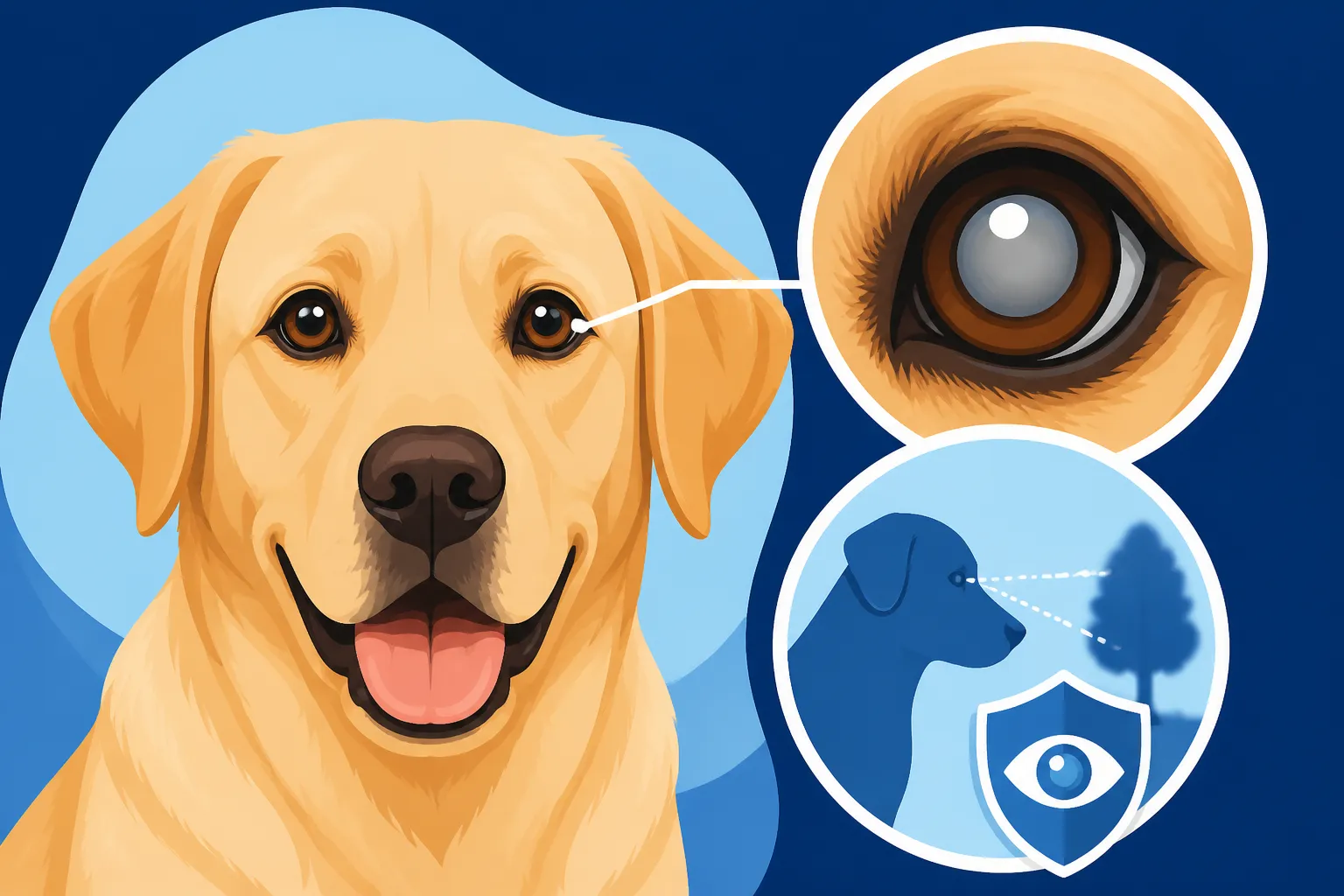
Cataracts are a common and widely recognized eye condition characterized by the clouding of the eye's lens. This clouding prevents light from reaching the retina effectively, leading to blurry vision and, if severe enough, blindness. While cataracts are often associated with aging, Labradors are unfortunately prone to hereditary cataracts, which can develop much earlier in life, sometimes even in puppyhood (juvenile cataracts). These inherited forms can range from small, non-progressive opacities that don't significantly impact vision, to rapidly progressive cataracts that quickly lead to blindness.
Beyond genetics, cataracts can also be caused by diabetes, eye injuries, inflammation, or exposure to certain toxins. If you notice a bluish-grey haze or a distinct white opacity in your Labrador's pupil, especially in both eyes, it's essential to have it checked by a vet. Early-stage cataracts might not bother your dog much, but as they mature and become denser, they can seriously impede their sight. For hereditary cataracts, genetic testing is available for breeders to help reduce the incidence of the disease. In some cases, cataract surgery can be performed to remove the cloudy lens and replace it with an artificial one, restoring vision.
Non-Genetic Eye Issues Affecting Labradors
While genetics play a significant role, not all eye problems in Labradors are inherited. Environmental factors, injuries, and other health conditions can also lead to serious eye issues that require immediate attention.
Glaucoma: The Silent Thief of Sight
Glaucoma is a terrifying condition because it often progresses rapidly and painlessly until significant damage has occurred. It's caused by an increase in the fluid pressure inside the eye (intraocular pressure), which damages the optic nerve and retina. In dogs, glaucoma is most commonly primary (inherited), but it can also be secondary to other eye conditions like inflammation, tumors, or lens luxation (where the lens dislocates). Labradors are on the list of breeds predisposed to primary glaucoma.
The symptoms of acute glaucoma can appear suddenly and are very serious. You might notice one or both of your Labrador's eyes appear red, cloudy, or have a dilated pupil that doesn't respond to light. Your dog might also be squinting, rubbing their eye, or showing signs of intense pain – they might become withdrawn, refuse to eat, or even cry out. This pain is often severe, as the pressure builds rapidly. Without immediate treatment, often within hours, glaucoma can lead to irreversible blindness. A visit to your veterinarian or a veterinary ophthalmologist is crucial at the first sign of these symptoms. If caught early, medications can sometimes manage the pressure, but surgery may be required to save the eye or alleviate pain.
Eyelid Abnormalities: Entropion and Ectropion
The eyelids play a vital role in protecting the eye and distributing tear film. When they don't function correctly, it can lead to chronic irritation and secondary problems. Two common eyelid abnormalities seen in Labradors are entropion and ectropion.
Entropion is a condition where the eyelid (usually the lower one) rolls inward, causing the eyelashes and fur to rub against the cornea. This constant irritation is incredibly uncomfortable and can lead to corneal ulcers, infections, and scarring, potentially impacting vision. Symptoms include squinting, excessive tearing, redness, and discharge. It's often diagnosed in puppies or young adults. If severe, surgical correction is usually necessary to roll the eyelid back into its normal position, providing immediate relief and preventing further damage.
Ectropion, on the other hand, is when the eyelid rolls outward, creating a "droopy" appearance. While it might look less severe, it exposes the delicate conjunctiva (the pink tissue lining the eyelids) and cornea, making them vulnerable to dryness, irritation, and foreign bodies. The exposed tissue can become inflamed and infected. Symptoms often include chronic conjunctivitis, excessive tearing (due to poor tear drainage), and a visible "red haw" of the lower lid. Mild cases might be managed with lubricating eye drops, but more severe or persistent cases often require surgical correction to tighten the eyelid and restore its protective function. Both conditions highlight the importance of regularly checking your Labrador's eyes for any anatomical irregularities.
Corneal Ulcers and Injuries
The cornea is the transparent outer layer of the eye, acting as its primary protective shield. Given their active lifestyles, Labradors are highly susceptible to corneal injuries and ulcers. A corneal ulcer is essentially an open sore on the surface of the cornea, ranging from a superficial scratch to a deep lesion that can penetrate the entire corneal thickness.
Common causes include scratches from thorns, twigs, or other dogs' claws during play; chemical irritants; foreign bodies (like dust or sand) getting stuck in the eye; or even chronic rubbing from ingrown eyelashes (trichiasis) or entropion. Labradors running through brush or romping with other dogs are prime candidates for such injuries. Symptoms usually include intense pain (manifested by squinting, rubbing the eye, or keeping it closed), excessive tearing, redness, and sometimes a visible cloudiness or depression on the corneal surface. If you suspect your Labrador has a corneal injury or ulcer, seek veterinary care immediately. Untreated ulcers can become infected, deepen rapidly, or even rupture the eyeball, leading to permanent vision loss or eye removal. Treatment typically involves antibiotic eye drops, pain medication, and sometimes a protective contact lens or even surgery for deep ulcers. The cost of such treatments can be significant, so having a pet insurance plan like those offered by Healthy Paws can provide much-needed peace of mind.
Recognizing and Diagnosing Vision Loss
It can be difficult to accept that your vibrant Labrador is losing their sight, but recognizing the signs and getting a proper diagnosis are crucial first steps in supporting them. They are incredibly resilient and adaptive, but they need our help to navigate this change.
Subtle Behavioral Changes Indicating Vision Problems
Labradors are masters at compensating for declining senses, especially vision. This is why you might not notice a problem until it's quite advanced. However, paying close attention to subtle shifts in their behavior can make a big difference. One of the first things you might observe is a general hesitancy. Perhaps they pause at the top or bottom of stairs where they once bounded confidently, or they start bumping into furniture they’ve navigated for years. They might become more easily startled, especially if you approach them from their blind side, leading to a jumpier disposition.
You might also notice changes during walks. They might pull more on the leash, relying on you for guidance, or become less interested in exploring new environments. Some dogs with vision loss become more clingy, constantly wanting to be near their human companions for reassurance. Others might become more withdrawn or sleep more, as their world becomes harder to interpret. Even a slight decrease in their enthusiasm for fetch or their inability to track a thrown toy can be a telling sign. It’s important not to dismiss these as just "getting old" without ruling out treatable eye conditions. If you're sensing something is off, trust your gut. Our article on Reading Pain in a Stoic Labrador might also offer insights into interpreting other subtle signs of discomfort.
The Role of the Veterinary Ophthalmologist
While your primary veterinarian can perform initial eye examinations and diagnose many common conditions, a veterinary ophthalmologist is a specialist in animal eye care and becomes an invaluable resource when dealing with complex or progressive vision issues. They have advanced training, equipment, and expertise dedicated solely to the eyes.
When you notice signs of vision loss or a suspected serious eye condition, your regular vet might refer you to an ophthalmologist. During their examination, the specialist will use tools like an ophthalmoscope (to look at the retina), a tonometer (to measure eye pressure for glaucoma), and perform various tests to assess tear production, corneal health, and internal eye structures. They can accurately diagnose conditions like PRA, retinal dysplasia, complex cataracts, and other issues that might be missed in a routine exam. They can also offer specialized treatments, including advanced surgeries, and provide the most accurate prognosis for your Labrador's vision. Don't hesitate to seek a referral if you have serious concerns about your dog's eyesight; early specialist intervention can be critical. Regular check-ups with your vet are also important, and you can learn more about when your Labrador needs an eye exam in our guide How Often a Labrador Needs an Eye Exam.
Managing and Living With a Labrador With Vision Loss
The diagnosis of vision loss can be devastating, but it's not the end of a happy life for your Labrador. With patience, understanding, and some practical adjustments, blind Labradors can lead remarkably full and joyful lives. Their adaptability is truly inspiring.
Adapting Your Home for a Blind Labrador
Creating a safe and predictable environment is paramount for a Labrador losing their sight. The key is consistency. Try not to rearrange furniture, especially large items, as this can disorient them and lead to bumps and bruises. If you absolutely must move something, guide them around the new layout several times. Block off dangerous areas like open stairwells with baby gates. Use soft coverings on sharp furniture corners.
Lay down runners or different textures of rugs to create sensory pathways that help them navigate familiar routes, like from their bed to the food bowl or to the door for potty breaks. Keep food and water bowls in a consistent, easily accessible spot. You might also consider using distinct scents for certain areas, like a specific air freshener near their bed or a lavender spray by the back door, to give them additional cues. This consistency builds their confidence and reduces anxiety. Remember, their world is becoming smaller and more sensory-focused, so making their known environment safe and navigable is the greatest gift you can give them. This is part of the broader considerations for Caring for a Senior Labrador, as vision loss often accompanies aging.
Maintaining a Routine and Building Confidence
Dogs thrive on routine, and for a vision-impaired Labrador, a predictable schedule is their anchor. Feed them at the same times, take them out for potty breaks on the same route, and stick to consistent walk times. This predictability reduces stress and helps them anticipate what's coming next, allowing them to rely more on their internal clock and your cues.
When you approach your blind Labrador, always speak to them first so you don't startle them. Use gentle touches and consistent verbal commands. Work on vocal commands like "step up," "step down," "stop," and "watch out" to help them navigate obstacles. Leash walks will become even more important for safe exploration; consider a longer leash in familiar, safe outdoor areas to allow them to explore scents without getting lost. Praise and positive reinforcement are vital for building their confidence. Celebrate every successful navigation and every happy interaction. Your calm, reassuring presence will be their most important guide.
Tools and Aids for Vision-Impaired Labradors
There are several helpful tools designed to assist dogs with vision loss, making their lives safer and more comfortable. Harnesses with a handle can give you better control and allow you to gently guide or lift your Labrador over obstacles. "Halo" vests, such as those made by Muffin's Halo, are devices that fit around a dog's head and body, with a lightweight ring that bumps into objects before the dog does, acting as a bumper and protecting their head and eyes from collisions.
Some owners find audible toys helpful, like balls that jingle or squeak, which allow a blind dog to engage in playtime using their hearing. Scent-based toys or puzzle feeders can also provide mental stimulation and enjoyment. For outdoor adventures, a longer leash and a sturdy harness are essential. Always ensure your blind Labrador wears identification tags with your contact information, along with a tag indicating they are blind, in case they ever get disoriented. These aids, combined with your attentive care, can significantly enhance their quality of life.
Prevention and Proactive Eye Care
While some conditions are genetic and unavoidable, there are many steps you can take to protect your Labrador's precious eyesight and detect problems early. Proactive care is always better than reactive treatment.
The Importance of Regular Eye Exams
Just like we have our eyes checked, regular veterinary eye examinations are crucial for your Labrador. Your general practitioner vet will perform a basic eye exam during annual check-ups, looking for redness, discharge, cloudiness, or any obvious abnormalities. They'll also check for proper pupil response to light. These routine exams are often sufficient for catching many superficial issues or the early stages of more serious conditions.
However, as mentioned earlier, for breeds predisposed to genetic eye diseases, more specialized screening by a veterinary ophthalmologist is highly recommended, especially if you have a puppy from a breeding line with known issues, or if you plan to breed your Labrador. The American College of Veterinary Ophthalmologists (ACVO) offers certification exams, often referred to as "OFA Eye Exams" (though OFA is the registry, ACVO performs the exam), where a board-certified ophthalmologist screens for dozens of inherited eye diseases. Many reputable breeders participate in these exams annually. Taking your Labrador for regular checks, whether with your general vet or a specialist, is the best way to monitor their eye health and catch potential problems when they are most treatable. It's a proactive step that can save their sight and prevent unnecessary suffering.
Genetic Testing and Reputable Breeders
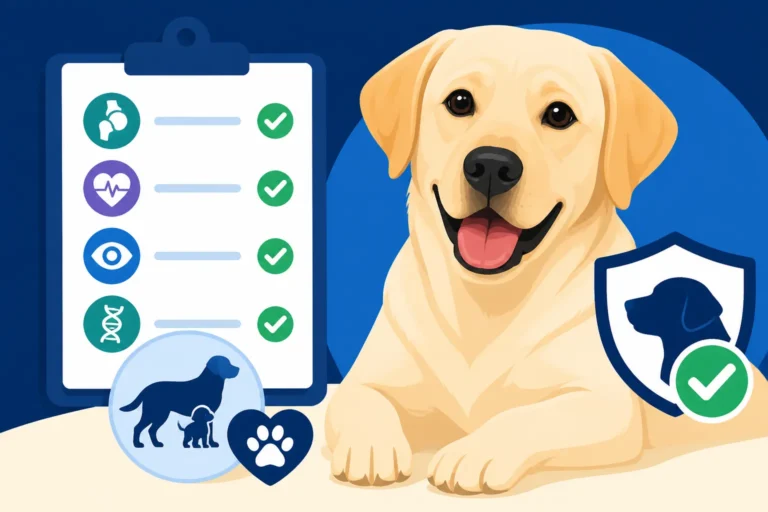
This is perhaps the most powerful tool we have in preventing inherited eye conditions. For many genetic diseases that affect Labrador eyes, such as prcd-PRA and OSD, DNA tests are available. These tests can identify whether a dog is clear, a carrier, or affected by a specific genetic mutation. Reputable Labrador breeders will extensively screen their breeding stock for these conditions, along with other health clearances like those for hip and elbow dysplasia. You can find more information about Health Clearances a Labrador Breeder Must Show.
When looking for a Labrador puppy, always ask the breeder for proof of genetic testing for both parents. They should be able to provide documentation from reputable laboratories like Embark Veterinary or OptiGen, showing the parents are "clear" for relevant eye diseases. A "clear" result means the dog does not carry the gene and cannot pass it on. Breeding two carriers together, or an affected dog with a carrier, significantly increases the risk of producing puppies with the disease. By choosing a puppy from health-tested parents, you significantly reduce the likelihood of facing these devastating inherited eye conditions. It’s an investment in your puppy's future health and vision. For a broader understanding of which tests are valuable, our article on Genetic Panels Worth Running on a Labrador offers more insights.
Nutritional Support for Eye Health
While a balanced, high-quality diet is fundamental for overall health, certain nutrients are particularly beneficial for maintaining eye health and potentially slowing the progression of some age-related conditions. Antioxidants, like vitamins C and E, beta-carotene, lutein, and zeaxanthin, are known to protect eye cells from damage caused by free radicals. These can be found in various fruits and vegetables that are safe for dogs, such as carrots, spinach, and blueberries (in moderation).
Omega-3 fatty acids, particularly DHA and EPA, found in fish oil, are also vital. DHA is a major structural component of the retina, and supplementation can support retinal health. Some commercial dog foods are formulated with these eye-supporting nutrients, or you can discuss appropriate supplements with your veterinarian. Remember, always consult your vet before adding any supplements to your Labrador's diet, as excessive amounts of certain vitamins can be harmful. A good diet is a cornerstone of your Labrador's wellbeing, impacting everything from their coat to their vision. Just as good nutrition supports overall health, it plays a role in preventing other issues like Labrador Dental Disease and Tartar.
When to Seek Emergency Veterinary Care for Eye Issues
Some eye conditions are slow-developing and allow time for consultation and planning. Others are acute emergencies that require immediate veterinary attention to save your Labrador's sight, or even the eye itself. Knowing when to rush to the vet can make all the difference.
Sudden Onset Blindness or Pain
If you notice your Labrador suddenly exhibiting signs of blindness – bumping into things, extreme disorientation, or fear in familiar surroundings – it's an emergency. Sudden blindness can be caused by various conditions, including acute glaucoma, sudden acquired retinal degeneration (SARD), optic nerve inflammation, or even neurological issues. While some causes might be untreatable, others can be managed if caught early. Similarly, if your Labrador suddenly develops severe eye pain, indicated by persistent squinting, keeping the eye tightly shut, pawing at their face, vocalizing, or becoming withdrawn and refusing to eat, do not wait. This could be a ruptured corneal ulcer, severe glaucoma, or a deep foreign object.
In such cases, every minute counts. Rapid intervention by a veterinarian, ideally a veterinary ophthalmologist, is critical. Delaying treatment by even a few hours can mean the difference between saving vision and permanent blindness, or worse, needing to remove the eye due to irreparable damage or intractable pain. Trust your instincts; if something seems severely wrong with your Labrador's eyes, get them to an emergency vet clinic immediately. Pet insurance like Healthy Paws can be incredibly helpful for covering the unexpected costs of such emergency treatments.
Trauma and Foreign Objects
Labradors, with their enthusiastic approach to life, are unfortunately prone to eye injuries. If your Labrador runs into a branch, gets scratched by another dog, or has an accident where their eye is impacted, always assume the worst and seek immediate veterinary attention. Signs of trauma include a visibly swollen eye, bleeding, a prolapsed eyeball (where it bulges out of the socket), severe squinting, or damage to the eyelids.
Similarly, if you suspect a foreign object is lodged in your Labrador's eye – such as a thorn, piece of debris, or even sand that won't rinse out with saline – this is also an emergency. Trying to remove the object yourself can cause more damage. A veterinarian has the proper tools, magnification, and anesthetic options to safely remove foreign bodies and assess the extent of the damage to the cornea or other structures. Prompt removal and treatment are essential to prevent infection, ulceration, or further complications. These types of emergencies can be very costly, and having comprehensive pet insurance, such as a plan from Healthy Paws, can significantly alleviate the financial burden during these stressful times.
Debunking Myths About Labrador Eye Health
There's a lot of information floating around about dog health, and not all of it is accurate. When it comes to something as vital as your Labrador's vision, it's important to separate fact from fiction.
"It's Just Old Age" – The Dangers of Assumption
One of the most common and dangerous myths is that any cloudiness or vision change in an older dog is simply "old age" and untreatable. While it's true that the lens of an older dog's eye often develops a bluish-grey haze called nuclear sclerosis, which is a normal age-related change and usually doesn't significantly impair vision, this is often confused with cataracts. Cataracts are an actual clouding that blocks light and does impair vision, and can sometimes be surgically corrected.
Furthermore, conditions like glaucoma, severe dry eye, or even certain cancers can manifest in older dogs and cause significant pain or vision loss. Dismissing these signs as "just old age" can lead to unnecessary suffering and missed opportunities for treatment. Always have any new eye symptom checked by a veterinarian. They can differentiate between benign age-related changes and serious medical conditions that require intervention. Assuming it's "just old age" often robs a dog of potential solutions and a better quality of life. The reality is that How Long Labrador Retrievers Live on Average is greatly influenced by proactive health management, not just resigned acceptance of decline.
Coat Color and Eye Disease: Is There a Link?
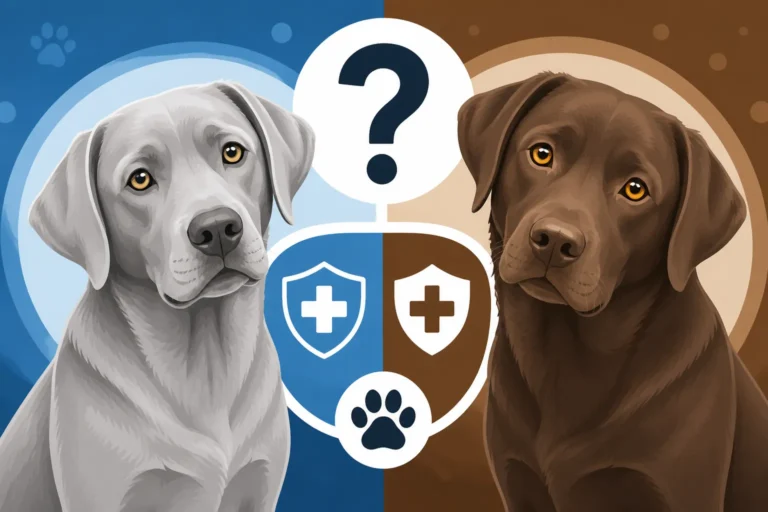
This is a frequently discussed topic among Labrador enthusiasts. For many years, there has been anecdotal discussion and some limited studies suggesting that certain coat colors might be associated with higher incidences of specific health issues. For example, some people believe that chocolate Labradors might be more prone to certain health problems. However, when it comes to eye diseases specifically, the scientific consensus regarding a direct, consistent link between coat color (black, yellow, or chocolate) and an increased risk of specific hereditary eye conditions like PRA, retinal dysplasia, or glaucoma is generally not strong.
The prevalence of these genetic diseases is more closely tied to the specific genetic lines and breeding practices within those lines, rather than the coat color itself. A well-bred Labrador of any color from health-tested parents is far less likely to inherit these conditions than a poorly bred dog, regardless of its hue. There might be some subtle differences in susceptibility to certain conditions (e.g., some studies have suggested minor variations in ear infection rates based on color, which is a different topic), but for major eye diseases, the focus remains on careful genetic screening. The idea that one color is inherently "unhealthier" regarding eye conditions is largely a myth. Our article Whether Coat Color Really Changes Labrador Health explores this topic in more detail.
| Eye Condition | Typical Onset | Primary Symptoms | Prognosis (Untreated) | Potential Treatments |
|---|---|---|---|---|
| Progressive Retinal Atrophy (PRA) | Young to Middle Age | Night blindness, dilated pupils, progressive vision loss | Eventual complete blindness | No cure, supportive care |
| Retinal Dysplasia | Puppyhood | Vision impairment (folds), blindness (geographic/OSD) | Ranges from no impact to complete blindness | No specific treatment, genetic testing for prevention |
| Cataracts | Any age (hereditary), Senior (age-related) | Cloudy lens, blurry vision, eventual blindness | Progressive vision loss, potential complete blindness | Surgery (lens removal/replacement), management of underlying cause (e.g., diabetes) |
| Glaucoma | Middle to Older Age | Redness, pain, cloudy eye, dilated pupil, sudden blindness | Rapid, irreversible blindness (hours to days) | Emergency medication, surgery (drainage, eye removal) |
| Entropion | Puppyhood/Young Adult | Squinting, tearing, redness, corneal irritation | Chronic pain, corneal ulcers, vision impairment | Surgical correction |
| Ectropion | Puppyhood/Young Adult | Droopy eyelids, chronic conjunctivitis, dryness | Chronic irritation, infections, foreign bodies | Surgical correction, lubricating drops |
| Corneal Ulcer/Injury | Any age | Squinting, pain, tearing, redness, cloudy spot/dent | Infection, deeper ulcer, rupture, vision loss | Antibiotic drops, pain meds, protective lens, surgery |
Disclaimer
The information provided in this article is for general informational purposes only and is not intended as a substitute for professional veterinary advice, diagnosis, or treatment. Always seek the advice of your veterinarian or another qualified pet health provider with any questions you may have regarding a medical condition. Never disregard professional veterinary advice or delay in seeking it because of something you have read in this article.