Signs a Labrador Is Overexercised
It’s easy to look at your Labrador, full of boundless energy, and think they can go, go, go forever. We often feel like we need to “tire them out” completely to ensure a peaceful evening. But what happens when you push your loyal companion a little too far? It's a common oversight to mistake a Labrador's enthusiasm for an endless capacity for exercise, and many owners miss the subtle cues that their dog is actually overexercised. This guide will walk you through the distinct physical and behavioral signs that your beloved Lab has had too much, helping you keep them healthy and happy for years to come.
The Labrador's Energy: Myth vs. Reality
Labradors have a well-deserved reputation for being high-energy dogs, especially in their younger years. Their heritage as working dogs, retrieving game for hours on end, certainly contributes to this image. However, this robust working background can sometimes lead us to believe they are invincible, capable of endless exertion without consequence. It’s a common misconception that if a Labrador is still moving, they must be fine.
Why We Think Labradors Need Endless Exercise
Think about it: you throw a ball, and your Labrador brings it back, tail wagging, ready for more. You take them for a hike, and they bound ahead, seemingly unfazed by the inclines or distance. Their cheerful demeanor and incredible drive can be very deceptive. We see their enthusiasm and interpret it as a green light for more, more, more. We want to do right by them, to provide enough stimulation to prevent boredom and destructive behaviors, and sometimes, in our eagerness, we err on the side of overdoing it. It's especially true for those vigorous field line Labradors, whose stamina seems truly limitless. We hear about how much exercise a Labrador needs each day, and sometimes that figure feels daunting, pushing us to squeeze in every possible minute of activity.
The Double-Edged Sword of Enthusiasm
The truth is, Labradors are often eager to please and incredibly stoic when it comes to discomfort. Their retrieving drive, their love for being with you, and their sheer joy in activity can override their natural inclination to rest. A Labrador might continue chasing a frisbee or swimming after a bumper long after their body has signaled it's time to stop. They push through fatigue and even minor pain because they are having fun, or because they are so focused on their "job." This makes it incredibly challenging for us, their human companions, to know when they've reached their limit. We have to learn to look beyond the wagging tail and into the more subtle cues their bodies are giving us. Understanding Exercise Limits for a Labrador Puppy is especially crucial, as their developing bodies are even more susceptible to damage from overexertion.
Physical Signs Your Labrador is Overdoing It
When a Labrador has had too much exercise, their body will start to show it. These physical signs can range from subtle indications of soreness to more urgent signals of distress. It's vital to pay close attention to these cues, as ignoring them can lead to serious health problems.
Subtle Changes in Gait and Movement
This is often one of the first and most easily overlooked signs. After a particularly long or intense session of play or work, you might notice your Labrador's movements aren't quite as fluid. They might take shorter strides, seem a bit stiff when getting up from a lying position, or hesitate before jumping into the car or onto the couch. Perhaps they favor a leg just slightly, putting less weight on it, or perhaps their tail carriage seems a little lower than usual, even when they're otherwise relaxed.
For instance, after a full day of hiking up and down hills, your usually nimble Lab might be a bit "clunky" on the stairs. You might also observe a slight limp that comes and goes, especially after resting and then moving again. This isn't just normal muscle soreness, like what we might feel after a new workout. For a dog, especially a large breed prone to joint issues like hip and elbow dysplasia, these subtle changes can be precursors to more serious problems or indicate existing joint pain is being exacerbated. Keep an eye out for signs like a peculiar bunny hop when they run, or a reluctance to stretch out fully. These small shifts in how they carry themselves are their quiet way of telling you something isn't right.
Excessive Panting and Heat Stress
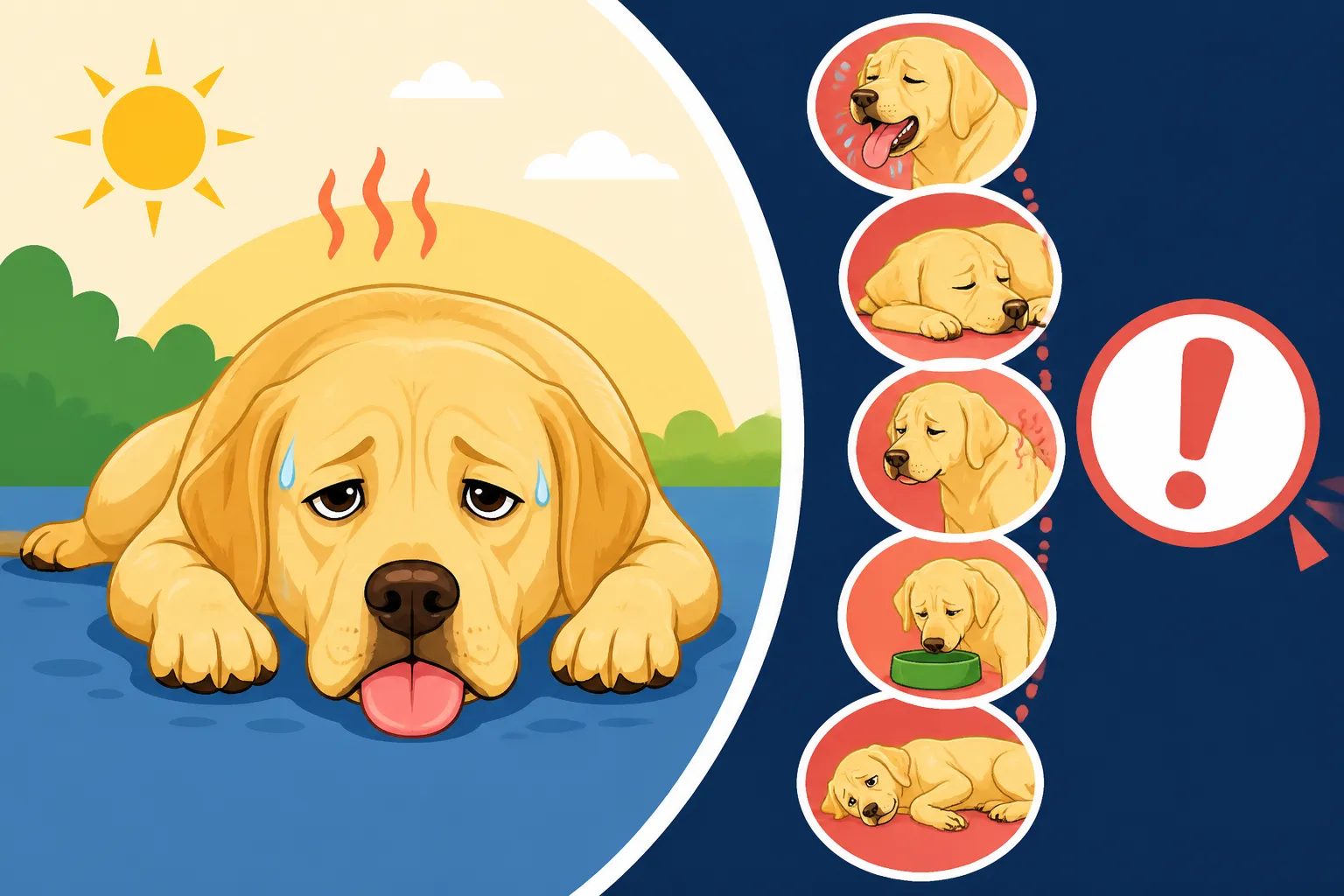
Panting is a normal way for dogs to regulate their body temperature, especially after exercise. However, excessive panting, particularly when it's prolonged, very rapid, or shallow, can be a red flag. If your Labrador is still panting heavily long after the activity has ceased, or if their panting seems unusually labored, it could indicate they are struggling to cool down.
Look for other signs of heat stress too:
- Bright red gums or tongue: This indicates increased blood flow as the body tries to cool.
- Thick, ropey saliva: Dehydration and heat can make their saliva sticky.
- Stumbling or disorientation: This is a serious sign, indicating their brain might not be getting enough oxygen or they are suffering from heat exhaustion.
- Vomiting or diarrhea: The body is in distress and trying to shed excess heat.
This is particularly concerning on hot or humid days, or if your Labrador has a thick double coat, which many do. Never underestimate the dangers of heatstroke, especially since Labradors are so keen to please and will often push themselves beyond their limits even when dangerously hot. Always ensure access to fresh, cool water, and be mindful of the temperature and humidity when planning Hiking With a Labrador in Summer Heat.
Exhaustion Beyond Normal Tiredness
There's a big difference between a Labrador who is pleasantly tired after a good play session and one who is truly exhausted from over-exercise. A normally tired Lab will settle down for a nap, but they'll still be responsive, wag their tail if you call their name, and be ready for dinner when it's time. An overexercised Lab, however, might exhibit profound fatigue.
This can manifest as:
- Difficulty rousing: They might be exceptionally hard to wake up, or seem sluggish even after a long rest.
- Loss of interest in usual activities: If they typically greet you with enthusiasm or nudge you for a toy, but now they just lie there, something is amiss.
- Dragging themselves around: Instead of their usual energetic movements, they might seem to labor with every step, collapsing into a heap as soon as they stop.
- Prolonged recovery time: It takes them significantly longer than usual to bounce back to their normal energy levels. You might see this the next day, where they are still moving slowly and lacking their typical zest.
This level of exhaustion isn't just about sleep; it's about their body struggling to recover from the physical demands placed upon it. It can suppress their immune system and leave them vulnerable to illness.
Nausea, Vomiting, or Diarrhea After Exercise
While less common than panting or stiffness, digestive upset can definitely be a sign of pushing your Labrador too hard. Intense physical exertion can redirect blood flow away from the digestive system, leading to nausea. If your Lab throws up bile or undigested food, or has loose stools or full-blown diarrhea shortly after or during exercise, it's a clear signal that their body is under stress.
Sometimes, this can be related to ingesting too much water during vigorous swimming or drinking too quickly after exertion. Other times, it's a systemic reaction to extreme physical demands. If these symptoms appear, it's essential to stop the activity immediately, get them to a cool, quiet place, and offer small amounts of water. If the vomiting or diarrhea is severe, persistent, or accompanied by other worrying signs, a vet visit is absolutely necessary to rule out more serious conditions like bloat, especially given that Labradors can be susceptible to Labrador Bloat Risk and Deep Chests.
Behavioral Clues of Over-Exercise in Labradors
Beyond the physical, your Labrador's behavior can offer a wealth of information about their well-being. A change in temperament or usual patterns can be a strong indicator that they're experiencing discomfort or exhaustion from too much activity.
Reluctance or Refusal to Participate
This is perhaps one of the most heartbreaking signs to witness in a Labrador, a breed usually synonymous with boundless eagerness. If your dog, who typically races to the door at the jingle of keys or the sight of their favorite frisbee, suddenly hesitates, walks slowly, or even turns away, that's a huge clue.
Imagine you're heading out for your usual evening walk, and your Lab, instead of doing their excited dance, lags behind, takes longer to get out of their bed, or actively tries to avoid putting on their leash. This isn't stubbornness; it's their way of communicating pain or extreme fatigue. They might sit or lie down during a walk when they normally wouldn't, or refuse to retrieve a toy they usually adore. This sudden disinterest in activities they once loved should prompt a thorough check-up and a reevaluation of their exercise routine. It can sometimes even be a Quiet Signs a Labrador Is Hurting, as Labradors are known for hiding pain.
Increased Irritability or "Grumpiness"
Just like humans, dogs can become irritable and moody when they're in pain or overly tired. An overexercised Labrador might snap or growl when approached, especially if touched in a sore spot. They might be less tolerant of other dogs or children, retreating to a quiet corner and showing signs of wanting to be left alone.
For example, if your normally tolerant Lab suddenly growls when a child tries to pet them, or snaps at another dog at the park for getting too close, it could be a sign that they are in discomfort. They might also become less patient with handling, such as brushing or nail trims. This isn't a personality shift; it's a cry for space and relief from their physical state. It's crucial not to punish these behaviors, but rather to investigate the underlying cause, which could very well be physical pain from overexertion.
Excessive Licking or Chewing
When a Labrador is sore or feeling aches and pains, they might try to soothe themselves by licking or chewing specific areas of their body. This often targets joints that are strained or inflamed, like their hips, knees, or paws. If you notice your Lab obsessively licking a particular joint after a strenuous day, it’s a strong indicator that area is causing them discomfort.
This isn't just casual grooming; it's often persistent and focused, sometimes even leading to skin irritation or hot spots. They might also lick their paws excessively, which can be a sign of general soreness or even a stress response to discomfort. A great solution to address discomfort and aid recovery could be looking into joint supplements, which you can easily find on sites like Chewy or Amazon. Remember, prevention is key, and ensuring your dog isn't constantly in pain is paramount.
Changes in Appetite or Thirst
Over-exercising can significantly impact a Labrador's metabolic and digestive systems. While some Labs might appear ravenously hungry after a long day, others might experience a suppressed appetite. If your typically food-motivated Labrador turns up their nose at mealtime or eats significantly less than usual after a big day out, it could be a sign of overexertion or stress on their system.
Conversely, they might seem unusually thirsty, drinking excessively and urgently. While rehydration is important, sudden, drastic increases in thirst without a corresponding increase in activity or hot weather could be a concern. It’s important to monitor both food and water intake, as significant deviations from their norm can signal that their body is struggling to cope with the demands placed upon it. If you’re concerned about their nutritional needs during recovery, consider options like Ollie for easily digestible, fresh food to help their system recover.
Long-Term Consequences of Chronic Over-Exercising
Consistently pushing your Labrador beyond their limits doesn't just result in a tired dog for a day or two; it can have profound and lasting impacts on their health and well-being. Understanding these long-term risks is crucial for responsible ownership.
Joint Damage and Accelerated Arthritis
Labradors are predisposed to orthopedic conditions like hip and elbow dysplasia, as detailed in Labrador Hip and Elbow Dysplasia. While these conditions often have a genetic component, excessive, high-impact exercise, especially during their growth phases, can significantly exacerbate them or accelerate the onset of arthritis. Imagine a young Lab puppy constantly jumping off high surfaces or engaging in marathon fetch sessions; the repetitive stress on their still-developing joints can cause micro-traumas that accumulate over time.
For adult Labradors, chronic over-exercise can lead to wear and tear on cartilage, ligament strains, and inflammation, all of which pave the way for early-onset and more severe arthritis. This isn't just about occasional stiffness; it can lead to chronic pain, reduced mobility, and a diminished quality of life as they age. Preventing these issues means understanding their body condition and adjusting exercise accordingly, especially when you consider Labrador Arthritis in Middle Age is already a concern for the breed.
Muscle Strain and Injury Risk
When muscles are fatigued, they lose their elasticity and ability to contract efficiently. This makes them far more susceptible to strains, pulls, and even tears. A Labrador running at full tilt on tired legs is much more likely to slip, land awkwardly, or overextend a limb, leading to painful muscle injuries. These injuries can range from mild soreness that resolves with rest to more severe tears that require veterinary intervention, extensive rest, and even physical therapy.
Beyond individual muscle groups, the core stability and overall body mechanics can suffer. This increased injury risk isn't limited to muscles; it also extends to tendons and ligaments. For instance, cruciate ligament tears are unfortunately common in active Labs, and chronic over-exercise can contribute to the weakening of these crucial support structures. If your Labrador blows out a knee, the recovery and rehabilitation can be lengthy and expensive. It’s much better to ensure adequate rest and proper conditioning than to deal with the aftermath of a preventable injury.
Mental Burnout and Aversion to Exercise
While Labradors are known for their enthusiasm, even they can experience mental burnout if constantly pushed past their physical limits. If every outing is a grueling session, or if they are always in discomfort after exercise, they can start to associate activity with negative feelings. This can lead to a dog who once loved walks, hikes, or playing fetch to become genuinely reluctant or even fearful of these activities.
This aversion can manifest as:
- Reduced enthusiasm for playtime: They might ignore toys or turn down invitations to play.
- Anxiety before exercise: They might pace, hide, or show signs of stress when they perceive an upcoming activity.
- General lethargy: A once-vibrant dog might seem constantly subdued, even when not actively exercising.
It's a tragic outcome when a dog bred for activity and partnership starts to dread the very things that are supposed to bring them joy. A healthy exercise routine should invigorate both mind and body, not exhaust them to the point of resentment. Providing plenty of Mental Work for a Bored Labrador can sometimes be a great substitute for physical exertion, especially on days they need a break.
Preventing Over-Exercise and Finding the Right Balance
Recognizing the signs of over-exercise is the first step, but preventing it is even better. Finding that sweet spot where your Labrador is well-exercised, happy, and healthy, without being pushed too far, is the goal for every owner.
Age-Appropriate Exercise Guidelines
The amount and type of exercise a Labrador needs changes dramatically throughout their life.
- Puppies (up to 12-18 months): This is a critical period for growth, and over-exercising a puppy can cause irreversible damage to their developing joints. The general rule of thumb is 5 minutes of structured exercise per month of age, twice a day. So, a 4-month-old puppy gets 20 minutes, twice a day. This includes walks, not just running wild. High-impact activities like jumping, long runs, or intense agility should be avoided until their growth plates close, which can be around 12-18 months. Instead, focus on short, supervised play sessions and obedience training. You can learn more about Labrador Puppy Health in the First Year.
- Adults (1.5 to 7 years): This is when your Labrador is typically at their peak energy. Most adult Labs thrive on 1-2 hours of moderate to vigorous exercise daily, which can be broken into multiple sessions. This might include brisk walks, swimming, fetch, or hiking. However, always observe your individual dog. A field-line Lab might need more, while a show-line Lab might be content with less.
- Seniors (8+ years): As Labradors age, their joints become more sensitive, and their stamina decreases. Exercise should shift to gentle, consistent activity, like shorter, more frequent walks, swimming (which is low-impact), or easy strolls. It's about maintaining mobility and muscle tone without causing pain. Pay extra attention to Caring for a Senior Labrador to ensure their comfort. If they're showing signs of Arthritis Signs in a Seven-Year-Old Labrador, adjust accordingly.
Gradual Conditioning and Warm-Ups
You wouldn't run a marathon without training, and neither should your Labrador. Whether you're starting a new activity or returning after a break, always increase duration and intensity gradually. This allows their muscles, joints, and cardiovascular system to adapt.
Before any vigorous exercise, a 5-10 minute warm-up with a slow walk or gentle trot can prepare their body. Similarly, a cool-down period of 5-10 minutes of slow walking after intense activity helps prevent stiffness and allows their heart rate to normalize. This simple practice can significantly reduce the risk of injury and post-exercise soreness. Think of it like this: jumping straight into a game of intense fetch without a warm-up is like going from 0 to 60 in seconds; your Lab's body will appreciate the gradual build-up and cool-down.
Listening to Your Labrador's Signals
This is the most critical advice. Your Labrador communicates constantly, even if not with words. Observe their body language, energy levels, and general demeanor both during and after exercise.
- During activity: Are they still enthusiastic, or are they lagging behind, taking more breaks, or showing subtle stiffness? Are they panting excessively for the effort? Do they seem to be focusing less on the game and more on simply enduring?
- After activity: Do they recover quickly, or are they still heavily panting 30 minutes later? Are they stiff when getting up? Do they sleep profoundly, or do they seem restless and uncomfortable?
- The next day: Do they seem unusually tired or reluctant to move? Is there any limping or favoring of a limb?
Knowing your dog's normal behavior is key. If something seems "off," trust your gut. A healthy exercise routine should leave your Labrador pleasantly tired, but happy and comfortable, not sore, exhausted, or irritable. Every Labrador is an individual, and their needs can vary based on genetics, health, and even the weather.
Incorporating Rest Days and Mental Stimulation
Just like human athletes, dogs benefit from rest days. Regular physical activity is vital, but so is downtime for their bodies to recover and repair. Depending on the intensity of their exercise, a full rest day or a day of very light activity (like a short, relaxed sniffy walk) once or twice a week can be incredibly beneficial.
On these lighter days, you can still engage your Labrador's active mind. Mental stimulation can be just as tiring as physical exercise, without the wear and tear on their joints. Consider activities like:
- Puzzle toys or slow feeders: These challenge their problem-solving skills and make mealtime last longer. You can find a fantastic selection of these on Amazon or Chewy.
- Scent work games: Hiding treats around the house or yard and having them "hunt" for them.
- Training sessions: Working on new tricks or reinforcing obedience commands. Even 10-15 minutes of focused training can be mentally taxing.
- Interactive play: Tug-of-war (with rules!) or hide-and-seek.
By balancing physical exertion with mental challenges and adequate rest, you can ensure your Labrador remains physically sound, mentally engaged, and enjoys a high quality of life for all their years.
Distinguishing Normal Tiredness from Over-Exercise
It can be tough to tell the difference between a happily tired Labrador and one who's pushed past their limits. Here’s a quick guide to help you differentiate:
| Sign / Symptom | Normal Tiredness | Over-Exercise |
|---|---|---|
| Panting | Decreases steadily within 15-20 min after stopping | Prolonged, rapid, shallow; doesn't subside quickly |
| Energy Levels | Settles down for a nap, but responsive; bounces back quickly | Profound exhaustion, difficulty rousing, sluggishness the next day |
| Gait/Movement | Moves normally, perhaps a little stiff initially after rest | Subtle limping, favoring a limb, visible stiffness, reluctance to move |
| Appetite | Eager for meals, eats normally | Suppressed appetite, disinterest in food, nausea |
| Thirst | Drinks normally, rehydrates well | Excessive or urgent thirst, gulping water |
| Behavior | Calm, relaxed, happy to cuddle | Irritable, withdrawn, seeks solitude, less tolerant of touch |
| Interest in Activity | Might be tired, but still shows interest in future play | Reluctance or outright refusal to participate in usual activities |
| Recovery Time | Within a few hours to overnight, back to normal | Takes significantly longer than usual to recover, still tired the next day |
| Digestive Issues | None | Vomiting, diarrhea, loose stools |
| Licking/Chewing | Normal grooming | Excessive licking/chewing of specific joints or paws |
By carefully observing your Labrador and understanding these distinctions, you can become a more attuned and proactive owner, ensuring their exercise routine supports their health rather than compromises it.
Disclaimer
This article is for general informational purposes only and does not constitute professional advice. Laws, prices and regulations vary by location and change over time. Consult a qualified professional for guidance on your specific situation.