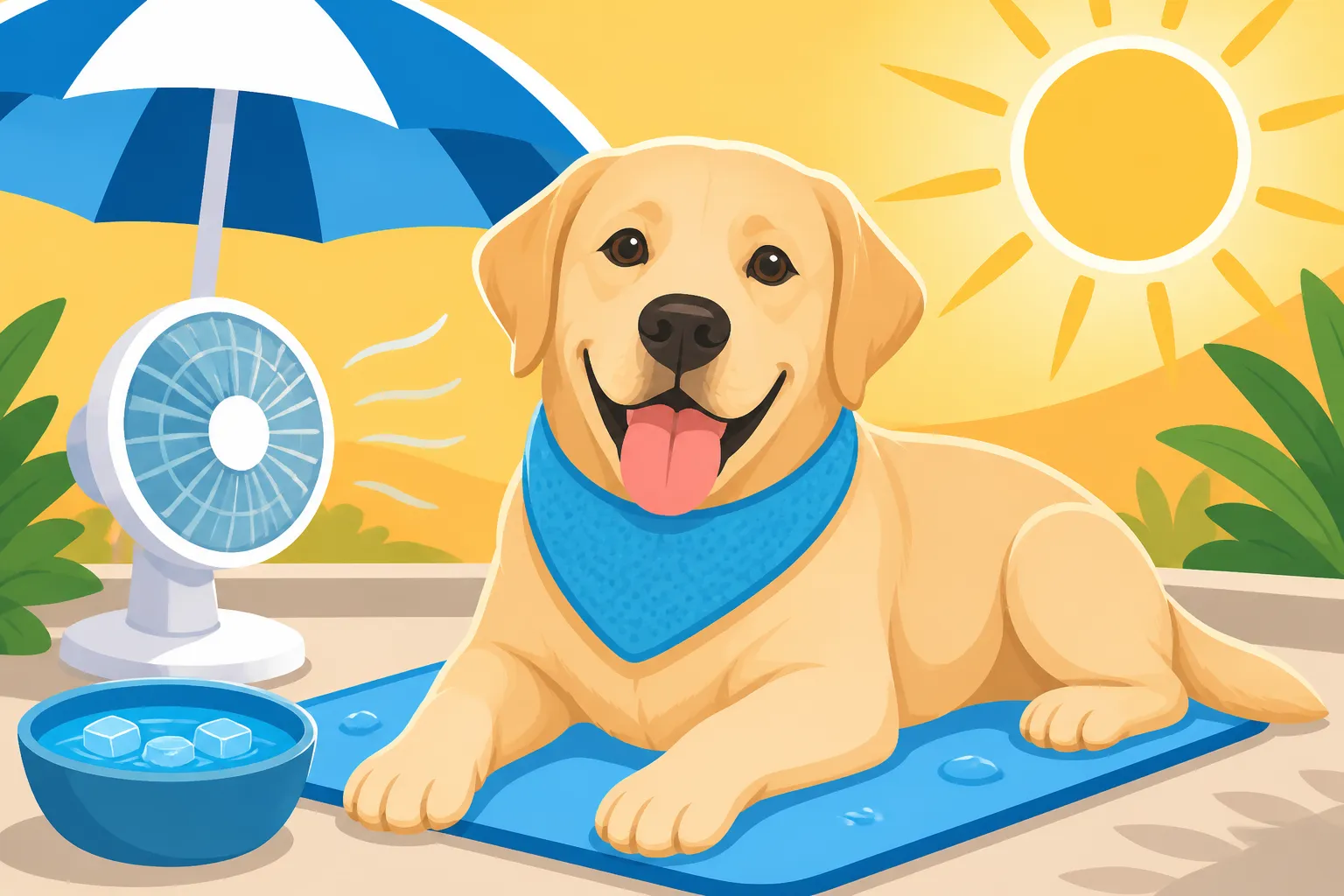
Keeping a Labrador Cool in Summer
Summer is glorious, isn't it? Long days, sunshine, and plenty of opportunities for outdoor adventures with our beloved Labradors. But let's be honest, those warm temperatures that we humans often crave can quickly turn into a serious, even life-threatening, danger for our furry companions. Many a well-meaning owner has found themselves in a panic, realizing too late that their happy, romping Labrador was silently struggling in the heat. This comprehensive guide is here to walk you through everything you need to know about keeping your Labrador cool, comfortable, and most importantly, safe when the mercury rises.
Why Summer Heat Is a Real Threat to Labradors
It’s easy to look at a Labrador, especially one eagerly bouncing around, and assume they’re perfectly fine. But beneath that joyful exterior and thick coat, our Labs are working much harder than we realize to regulate their body temperature. They're not built for extreme heat, and understanding their unique physiology is the first step to becoming their best advocate during the summer months.
Understanding a Labrador's Double Coat
One of the Labrador's most defining features, that beautiful, dense double coat, is a true marvel of natural engineering. It’s short, yes, but don't let that fool you into thinking it's not substantial. This coat is designed to protect them from the elements, whether that's icy water or harsh sun. The outer layer, known as the guard hairs, is coarse and water-repellent, shielding them from moisture and UV rays. Beneath that, there's a soft, thick undercoat that provides insulation. In winter, this undercoat traps warm air to keep them toasty. In summer, it's meant to trap cool air and act as a barrier against the sun's heat. However, if the undercoat isn't properly shed or gets wet and matted, it can actually work against them, preventing heat from escaping their body.
Many owners mistakenly believe shaving a Labrador's coat in summer will help them stay cooler. This is a common and dangerous misconception. Shaving their double coat removes the very protection they need against sunburn and can disrupt their natural temperature regulation system, making them more susceptible to heatstroke. Instead, regular brushing, especially with a good deshedding tool, is key to removing loose undercoat and allowing air to circulate close to their skin.
Think of it like this: their coat is a finely tuned thermostat. When it's working correctly, it's their best defense. When we interfere with it, or when the external temperatures simply become too high for it to cope, that’s when problems begin. Even a black Labrador can feel the heat more intensely due to their darker coat absorbing more sunlight.
The Risks of Overheating in Labradors
Labradors, like all dogs, primarily cool themselves by panting. Unlike humans, they don't sweat efficiently through their skin; their sweat glands are mostly in their paw pads, which isn't enough to regulate their core temperature in high heat. When they pant, they evaporate moisture from their tongues and respiratory tracts. But there's a limit to how effective this is, especially when humidity is high, making evaporation more difficult.
Overheating, or hyperthermia, can quickly escalate to heatstroke, which is a medical emergency. Heatstroke occurs when a dog's body temperature rises to dangerous levels, typically above 104°F (40°C), and their cooling mechanisms can no longer keep up. This can lead to cell damage, organ failure, brain damage, and even death if not treated swiftly. It's not just about direct sun exposure; even a walk on a warm, humid day can push a Labrador into dangerous territory.
Factors like age (very young puppies and senior Labs are more vulnerable), underlying health conditions (like heart disease or respiratory issues), and obesity significantly increase the risk. A big, enthusiastic Labrador with a natural zest for life might push themselves too hard, ignoring their body's signals until it's too late. It’s up to us, their human companions, to recognize these risks and manage their environment proactively.
Early Warning Signs of Heatstroke
Recognizing the subtle signs of overheating early can be the difference between a quick cool-down and a trip to the emergency vet. Don't wait until your Labrador collapses. Pay close attention to their behavior and physical cues, especially after any physical activity or time spent outdoors on a warm day.
The first signs often include excessive panting that seems more intense than usual, or panting that continues long after exercise has stopped. You might notice their gums looking a darker red or bright pink, rather than their normal healthy pink. They might also become restless, pacing or trying to find a cooler spot, or conversely, they might seem unusually sluggish and less responsive.
As overheating progresses, the signs become more severe. Look for drooling that is thick and ropey, glazed eyes, staggering or uncoordinated movements, vomiting, or diarrhea. In the most critical stages, they might collapse, have seizures, or lose consciousness. If you see any of these more serious symptoms, time is of the essence, and immediate action is required. Knowing the Signs of Heatstroke in a Labrador can help you react quickly and effectively.
Practical Strategies for Cooling Your Labrador Down
Alright, now that we understand the 'why,' let's dive into the 'how.' Keeping your Labrador cool isn't about one magic solution; it's a multi-faceted approach involving smart daily choices, proper hydration, and utilizing helpful gear. It's all about proactive prevention.
Hydration and Water Access
This might seem obvious, but proper hydration is absolutely critical for your Labrador in the summer. They need constant access to fresh, cool water, both indoors and out. Don't just fill their bowl once in the morning and forget about it. Check it regularly, especially during the day, and refresh it with cool water. Adding ice cubes can make it more appealing and help keep it cool longer.
When you're out and about, whether it's for a quick errand or a longer adventure, always bring water specifically for your dog. Portable water bottles with attached bowls are incredibly convenient. Brands like Chewy offer a wide variety of these, making it easy to carry water and give your Lab a drink whenever you stop. I personally keep a collapsible bowl and a large water bottle in my car at all times during the warmer months, just in case we make an impromptu stop or our walk takes longer than expected. Remember, a well-hydrated dog is better equipped to regulate their body temperature through panting.
Beyond just drinking, a shallow wading pool in the yard can be a fantastic way for your Labrador to cool down. Many Labs love to splash and lie in the water, which helps dissipate heat from their bodies. Just make sure the water is clean and refresh it often. For those Labs who aren't huge fans of full immersion, even just wetting their paws and belly can provide significant relief.
Strategic Exercise Planning
Labradors are high-energy dogs, and they need their exercise. But blindly sticking to your usual walk schedule during a heatwave is a recipe for disaster. The key here is being strategic about when and how you exercise them. Avoid the hottest parts of the day – that's typically late morning through late afternoon. Instead, aim for early morning, right as the sun is coming up, or late evening after the sun has set and the air has had a chance to cool.
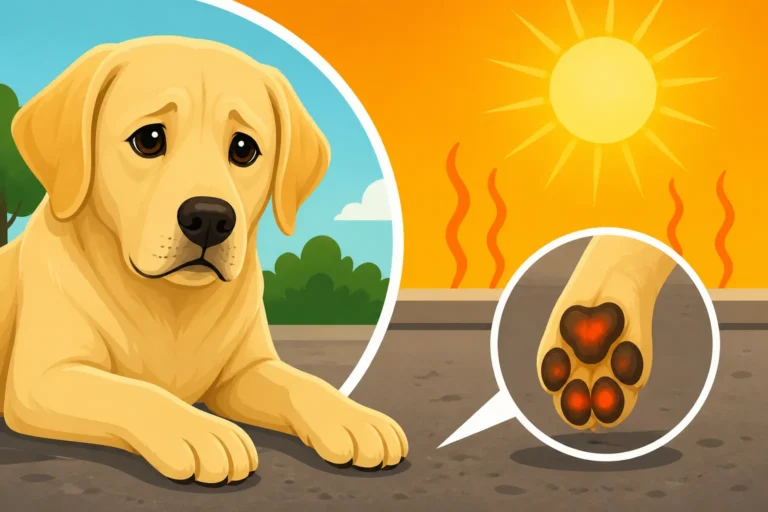
Even during cooler times, be mindful of the surfaces you're walking on. Asphalt and concrete can retain heat for hours after the sun goes down, becoming scorching hot and potentially burning your Labrador's paw pads. A good rule of thumb: if it's too hot for your bare hand, it's too hot for their paws. This is a common danger many owners overlook, but paying attention to Hot Pavement and a Labrador's Paws is vital. Stick to grassy areas, shaded trails, or even indoor activities when possible.
Consider shorter, more frequent walks instead of one long one. Also, switch from high-intensity activities like long games of fetch to more mentally stimulating ones or gentle strolls. Remember that Labradors are often so eager to please and to play that they won't stop themselves even when they're truly uncomfortable. It's your job to say "enough" and guide them towards cooler, safer exercise. Exercise a Labrador Needs Each Day explores different ways to keep them active without overdoing it.
Cooling Gear and Accessories
The market is full of fantastic products designed to help keep dogs cool. These aren't just gadgets; they can be truly effective tools in your summer arsenal. Cooling vests and bandanas work by evaporative cooling. You soak them in water, wring them out, and the evaporation helps draw heat away from your dog's body. These are especially great for walks or short periods outdoors.
Cooling mats are another excellent option, providing a cool surface for your Labrador to lie on, either indoors or in a shaded spot outside. Some are gel-filled and activate with pressure, while others simply rely on materials that dissipate heat efficiently. My own Lab loves his cooling mat – it’s a designated “chill zone” on hot afternoons. You can find a range of these on platforms like Amazon, from basic models to more advanced, self-cooling options.
For outdoor excursions, consider portable shade shelters or even battery-operated clip-on fans for their crate or resting area. And don't forget paw protection! While avoiding hot pavement is best, if you absolutely must walk on warmer surfaces, paw waxes or protective booties can offer some defense against burns. These items, while an initial What a Labrador Costs a Month All In addition, are investments in your dog's safety and comfort.
Creating a Safe Summer Environment for Your Labrador
Beyond the daily walks and water breaks, thinking about your Labrador's overall environment during the summer is key. From your backyard to your living room, there are ways to create havens of coolness that will make the season much more enjoyable for them.
Shade and Shelter Solutions
Never, ever leave your Labrador in direct sunlight for extended periods without access to shade. This applies whether they are in your backyard, at a park, or even on a patio. Even on a seemingly mild day, direct sun can quickly lead to overheating. If your backyard doesn't have natural shade from trees, consider setting up a pop-up canopy, an umbrella, or a shade sail.
Think about how the sun moves throughout the day. What might be a shaded spot in the morning could be baking in the afternoon. Reposition your dog's resting areas or provide multiple options. If your Labrador spends time outdoors, ensure they have access to a well-ventilated dog house or another structure that offers both shade and airflow. A stuffy, enclosed space can quickly become an oven, so ensure it’s open enough to allow breezes to pass through.
Inside the house, closing curtains or blinds on sun-facing windows can help keep rooms cooler. If you have an air conditioner, keep your Lab in the coolest parts of the house. If not, fans can help circulate air, but remember that fans primarily cool by moving air over sweating skin, which isn't how dogs primarily cool down. Still, increased airflow is better than stagnant, hot air.
Water-Based Activities for Fun and Cooling
Labradors and water often go hand-in-paw. For many, a dip in the water isn't just fun, it's a fantastic way to cool down. If you have access to a safe lake, pond, or even a dog-friendly pool, swimming can be an excellent form of exercise that helps them regulate their temperature. Always supervise your Labrador around water, regardless of how strong a swimmer they are. Even a strong swimmer can get into trouble, especially in unfamiliar waters or if they become fatigued. Using a Life Jackets for a Labrador in Open Water is always a wise precaution, particularly for older Labs or those swimming in currents.
If a large body of water isn't an option, a simple kiddie pool in your backyard can provide hours of cooling fun. Fill it with a few inches of water, toss in some floating toys, and let them splash around. Many Labs love to just lie down in the cool water and gnaw on a toy. Sprinklers can also be a hit, turning your lawn into a fun, cooling play zone. Just ensure the water isn't too cold initially to avoid startling them.
After any water play, especially in lakes or pools, it's a good idea to thoroughly dry your Labrador's ears to prevent ear infections. Their floppy ears can trap moisture, creating a perfect breeding ground for bacteria. Drying a Labrador's Ears After the Lake is a simple but important step in their summer care routine. If your Lab is swimming in a chlorinated pool, a quick rinse with fresh water afterwards can also help protect their coat and skin from potential irritation. For more ideas on how to incorporate water into their routine, check out Swimming as Exercise for a Labrador.
Home Modifications for Cooler Living
Making a few adjustments around your home can dramatically improve your Labrador's comfort during the summer. Beyond just closing blinds, consider where their bed is placed. Is it near a sunny window? Move it to a shadier, cooler part of the house. Elevated dog beds, often made with mesh fabric, allow air to circulate underneath, which can be much cooler than a traditional stuffed bed directly on the floor.
If you have tile or hardwood floors, these are naturally cooler surfaces that your Labrador will likely gravitate towards. Make sure these areas are accessible to them. You can also place cooling mats strategically in their favorite lounging spots. For an extra treat, freeze some Kongs or other stuffable toys with a mix of peanut butter (xylitol-free!), yogurt, or wet food. These provide a long-lasting, cool snack that also offers mental stimulation. Brands like Ollie also offer frozen food options that can be a refreshing treat on a hot day.
Remember that cars can heat up incredibly fast, even with windows cracked. Never, ever leave your Labrador unattended in a car, even for "just a minute." The temperature inside a vehicle can skyrocket to dangerous levels in minutes, leading to irreversible damage or death. This is one of the most common causes of heatstroke, and it's entirely preventable.
What to Do in a Heat Emergency (and How to Avoid One)
Despite all our best efforts, sometimes accidents happen, or a situation arises where our Labrador becomes overheated. Knowing exactly what to do in a heat emergency is crucial, as is understanding how to minimize the chances of it ever happening.
Immediate Actions for Suspected Heatstroke
If you suspect your Labrador is suffering from heatstroke, immediate action is paramount. Your primary goal is to safely and gradually lower their body temperature. First, move them to the coolest possible environment – ideally indoors with air conditioning, or at least into deep shade.
Next, begin to cool them with water. Wet them down with cool (not ice cold!) water, focusing on their ears, neck, armpits, and groin area, where major blood vessels are close to the surface. You can use a hose, wet towels, or even just your hands. Continue to wet them and fan them to promote evaporative cooling. Do not submerge them in very cold water or use ice packs directly on their skin, as this can cause their blood vessels to constrict, trapping heat inside, and potentially sending them into shock.
Offer small amounts of cool water to drink, but don't force them. If they are unresponsive or unable to swallow, do not give them water, as it could go down the wrong pipe. Monitor their temperature with a rectal thermometer if you have one. Stop active cooling once their temperature drops to around 103°F (39.4°C), as their body temperature can continue to fall even after you stop cooling, potentially leading to hypothermia. Even if they seem to recover quickly, a vet visit is still essential. Keep a well-stocked A First Aid Kit for a Labrador Retriever handy, including a thermometer, in case of such emergencies.
When to Seek Veterinary Help
Even if your Labrador appears to bounce back after a cooling session, a trip to the veterinary emergency room is non-negotiable for any suspected case of heatstroke. The internal damage caused by high body temperatures isn't always immediately apparent. Organ damage, particularly to the kidneys, liver, and brain, can occur silently and manifest hours or even days later.
Your vet will be able to assess the extent of the damage, monitor their vital organs, and provide supportive care, such as intravenous fluids to prevent dehydration and help protect their kidneys. They can also check for potential complications like disseminated intravascular coagulation (DIC), a severe bleeding disorder that can be a consequence of heatstroke. It's always better to be overly cautious when it comes to heatstroke – a quick check-up can save their life and prevent long-term health issues.
Don't hesitate or try to "wait and see." If you observe any of the severe Signs of Heatstroke in a Labrador we discussed earlier, call your vet or an emergency animal hospital immediately while you start initial cooling measures. Time truly is of the essence.
Preventative Measures Beyond Daily Routines
Beyond the daily adjustments, think about long-term preventative strategies. If your Labrador is overweight, summer is an excellent time to focus on getting them to a healthier weight, as obesity is a major risk factor for heatstroke. Consult your vet for a safe weight loss plan, which might include a controlled diet and appropriate exercise. How Much Longer a Lean Labrador Lives can really highlight the benefits of maintaining a healthy weight.
Consider a professional grooming appointment before the peak summer heat to ensure their undercoat is completely thinned out, without shaving them. Regular deshedding brushings at home, sometimes even daily during shedding season, will also keep their coat functional.
Finally, always be aware of the weather forecast. High temperatures combined with high humidity are a particularly dangerous combination, as humidity makes it much harder for your Labrador to cool down through panting. On such days, it's often best to limit outdoor time to quick potty breaks and keep your Labrador indoors in a cool environment. Always err on the side of caution when it comes to your Labrador's health and the summer heat.
Here's a quick comparison of effective cooling methods:
| Method | Description | Best For | Considerations |
|---|---|---|---|
| Fresh, Cool Water | Constant access to clean, cool drinking water. | All situations, essential hydration | Carry portable water on outings. Add ice cubes to bowls. |
| Shade | Providing cover from direct sunlight. | Outdoor resting, breaks during activity | Ensure consistent shade throughout the day. Pop-up canopies, umbrellas. |
| Cooling Mats/Vests | Specialized gear that dissipates heat via gel or evaporative cooling. | Resting indoors/outdoors, short walks | Vests/bandanas need re-wetting. Mats vary in cooling duration. |
| Wading Pools/Hoses | Shallow water for splashing/lying, gentle spraying with cool water. | Backyard fun, active cooling after exercise | Supervise closely. Ensure water is cool, not icy. Dry ears after water play to prevent infections. |
| Strategic Exercise | Moving walks/play to cooler parts of the day. | Daily routine, active dogs | Early morning/late evening. Avoid hot pavement (check Hot Pavement and a Labrador's Paws). Shorter duration. Focus on mental stimulation over strenuous activity. |
| Air Conditioning/Fans | Reducing ambient air temperature indoors. | Indoor environment | AC is most effective. Fans aid circulation but don't cool directly via sweat for dogs. |
Disclaimer
This article is for general informational purposes only and does not constitute professional advice. Laws, prices and regulations vary by location and change over time. Consult a qualified professional for guidance on your specific situation.