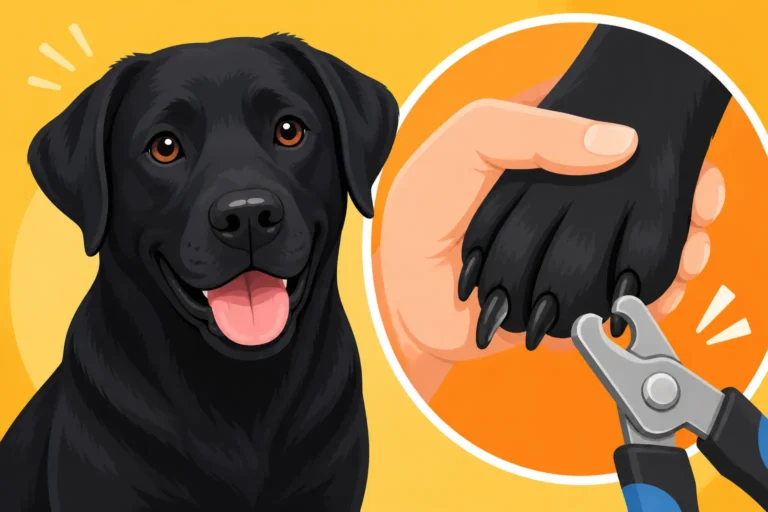
Ticks in a Labrador’s Dense Coat
Oh, the sheer frustration of coming home from a wonderful adventure with your beloved Labrador, only to discover one of those insidious little hitchhikers buried deep in their luscious, dense coat. It's a common struggle for Labrador owners, isn't it? Their adventurous spirit and thick fur make them prime targets for ticks, and finding those tiny pests can feel like searching for a needle in a haystack. This guide is here to walk you through everything you need to know about protecting your Labrador from ticks, from spotting them to safely removing them, and most importantly, preventing them in the first place.
Why Labradors Are Prime Tick Magnets
Let's be honest, our Labradors are outdoor enthusiasts by nature. They love to romp through tall grass, explore wooded trails, and dive into thick brush – all prime real estate for ticks. It's almost as if they're designed to collect every burr, stick, and, yes, tick, that the environment has to offer. Understanding why they're such tick magnets is the first step in effective prevention and management.
The Lure of Their Double Coat
That beautiful, dense double coat that keeps your Labrador warm in winter and helps repel water during a swim is also a tick's paradise. The outer guard hairs are coarse and protective, while the soft, thick undercoat provides insulation and a perfect hiding spot for tiny ticks. When a tick latches on, it can quickly burrow down through those layers, making visual detection incredibly difficult.
Imagine running your hands over your Labrador's fur after a walk in the woods. You might feel a small bump, but seeing it with your eyes can be a whole different challenge. The deep layers of fur provide excellent camouflage, especially for newly attached, unfed ticks that are still quite small. This is why a thorough, tactile search is always more effective than just a quick visual scan, particularly in areas like the armpits, groin, and behind the ears, where the fur can be even thicker and ticks love to hide.
Their Love for the Great Outdoors
Labradors thrive on exploration. They're happiest when sniffing out new scents in the undergrowth, retrieving fallen branches from thickets, or bounding through meadows. These are precisely the environments where ticks lie in wait, often clinging to blades of grass or leaves, ready to transfer to a passing host. Whether you're hiking in a local state park, enjoying a weekend at a lake cabin, or just letting them play in your slightly overgrown backyard, your Labrador is constantly interacting with potential tick habitats.
Even a short stroll around the neighborhood if it borders a wooded area can expose your Labrador to ticks. They don't need to go deep into the wilderness to pick one up. This inherent love for the outdoors, while wonderful for their physical and mental health, necessitates a proactive approach to tick management. It's not about stopping their adventures, but about making those adventures safe.
Spotting Those Sneaky Ticks: The Labrador Challenge
Finding a tick on a Labrador can feel like an impossible mission. Their fur is thick, their skin can be pigmented, and ticks are masters of disguise. But with the right technique and persistence, you can become a tick-spotting pro. The key is to be systematic and thorough.
Developing a Thorough Search Routine
The best way to find ticks on your Labrador is to establish a consistent, head-to-tail search routine, ideally after every outdoor excursion, especially those in high-risk areas. Start by running your hands slowly over your dog's entire body, parting the fur as you go, feeling for any bumps or abnormalities. Don't just look – feel. Ticks often feel like small, hard bumps, like a tiny scab or a seed, before they're engorged. As they feed, they'll swell to the size of a pea or even a grape, making them easier to spot and feel.
Pay special attention to areas where skin folds or fur is particularly dense. Many owners find it helpful to use a bright flashlight, even in daylight, to help illuminate the skin through the thick fur. A fine-toothed comb can also be useful for parting the fur and dragging out smaller ticks that haven't fully latched, though it's less effective for firmly attached ones. Make this a positive experience for your Labrador – gentle strokes, soothing words, and maybe even a treat afterward can help them associate the "tick check" with positive attention, making it easier for both of you. You might find some interesting things during these checks, like unexpected lumps. You can read more about Lipomas and Fatty Lumps on a Labrador to know what to expect.
Common Hiding Spots Ticks Love
Ticks aren't just random hitchhikers; they have their preferred spots. Due to the Labrador's dense coat and their behavior, certain areas are far more prone to tick attachment. These include:
- Ears (especially inside and behind): The skin here is thin, and the fur often provides good cover. Check the folds of the ear, around the ear canal, and on the exterior flap. Labrador Ear Infections and Swimming can sometimes mask other issues like tick bites.
- Between the toes and paw pads: When a Labrador walks through grass, ticks can easily crawl onto their paws. Spread their toes and carefully examine the webbing and pads.
- Armpits and groin: These areas are warm, moist, and have thinner skin, making them ideal feeding grounds. Ticks here can quickly become engorged.
- Around the neck and collar area: The collar provides a barrier that ticks might crawl under, and it's often a hidden, warm spot.
- Around the muzzle and eyes: Less common, but ticks can latch onto the soft skin around your Labrador's face.
- Under the tail and around the anus: Another often-overlooked area where ticks can hide comfortably.
By systematically checking these high-risk zones first, you'll significantly increase your chances of finding any unwelcome guests before they have a chance to transmit disease. If your Labrador shows any signs of discomfort during these checks or seems unusually itchy, it's always worth a thorough inspection.
Safe Tick Removal and Aftercare
Finding a tick is unsettling, but removing it safely is crucial to minimize the risk of disease transmission. Panicking or using improper methods can make the situation worse.
The Right Tools and Technique
To remove a tick effectively and safely, you'll need a few simple tools:
- Fine-tipped tweezers or a specialized tick removal tool: These are designed to grasp the tick as close to the skin as possible. You can find excellent options on online retailers like Amazon or Chewy.
- Antiseptic wipe or rubbing alcohol: For cleaning the bite area.
- Gloves: To protect yourself from potential pathogens.
- A small jar or zip-top bag with rubbing alcohol: To kill the tick after removal and keep it for identification if needed.
Here’s a step-by-step guide to safe tick removal:
- Prepare: Put on your gloves. Calm your Labrador with reassuring words. If your dog is wiggly, you might need an extra set of hands to hold them steady.
- Grasp the tick: Using your tweezers or tick removal tool, grasp the tick as close to your Labrador's skin as possible. The goal is to grab the tick's head, not its body. If you squeeze the body, you risk injecting harmful bacteria into your dog.
- Pull straight up: With a steady, even pressure, pull straight upward. Do not twist or jerk the tick, as this can cause the mouthparts to break off and remain embedded in the skin. This might take a few seconds of continuous pressure.
- Inspect the tick: Once removed, examine the tick to ensure the entire tick, including its head and mouthparts, has been extracted.
- Dispose of the tick: Place the removed tick in a jar or bag with rubbing alcohol to kill it. This is also useful if your vet wants to identify the tick species later. Never crush a tick with your fingers, as this can expose you to pathogens.
- Clean the bite area: Gently clean the bite site on your Labrador's skin with an antiseptic wipe or rubbing alcohol.
It's common to feel a little squeamish about this, but with practice, it becomes much easier. The key is to be steady and precise.
What to Do If Parts Remain Embedded
Sometimes, despite your best efforts, a small piece of the tick's mouthparts might remain embedded in your Labrador's skin. While certainly not ideal, it's generally not a cause for immediate panic. The mouthparts themselves cannot transmit disease once separated from the tick's body.
In most cases, if the mouthparts are left behind, your Labrador's body will naturally expel them as it would a splinter, within a few days to a few weeks. However, keep an eye on the area. It might become slightly red, swollen, or form a small bump, similar to a mosquito bite. This is usually a localized inflammatory reaction. If you notice signs of infection such as excessive redness, swelling, pus, or if your Labrador seems in pain, it's time for a vet visit. Your veterinarian can assess the site and determine if intervention, like removal with a sterile needle, or a course of antibiotics, is necessary. Never try to dig out embedded mouthparts yourself, as this can cause further irritation or infection.
Monitoring for Tick-Borne Diseases
After removing a tick, the immediate concern shifts to monitoring your Labrador for any signs of tick-borne illness. Not all ticks carry diseases, and not every bite results in transmission, but vigilance is key. It's crucial to know that many tick-borne diseases have an incubation period, meaning symptoms might not appear for days, weeks, or even months after the bite.
Keep a close watch on your Labrador for any changes in behavior or physical symptoms. These can be vague and mimic other illnesses, which is why alerting your vet to a recent tick bite is always a good idea. Common signs to watch for include:
- Lethargy or decreased energy: Your typically boisterous Labrador might seem unusually tired or unwilling to play.
- Lameness or joint pain: Shifting lameness (where the limp moves from one leg to another), stiffness, or reluctance to move.
- Fever: Your Labrador might feel warm to the touch, especially around the ears or groin.
- Loss of appetite: A sudden disinterest in food is always a red flag.
- Swollen lymph nodes: You might feel enlarged glands, particularly around the jaw, shoulder, or hind legs.
- Changes in urination or thirst: Some diseases can affect kidney function.
- Dark urine or pale gums: In rare cases, some diseases can lead to anemia.
If you observe any of these symptoms, contact your veterinarian immediately and inform them about the recent tick bite. Early diagnosis and treatment are crucial for the best outcome. They may recommend specific tests, such as a 4Dx snap test, which screens for common tick-borne diseases like Lyme disease, anaplasmosis, and ehrlichiosis.
Prevention is Key: Keeping Ticks Off Your Labrador
The absolute best way to deal with ticks is to prevent them from getting on your Labrador in the first place. A multi-faceted approach combines effective preventative products with good environmental management and regular vigilance.
Topical Treatments, Oral Medications, and Collars
There's a wide array of tick prevention products available, each with its own advantages and application method. The right choice often depends on your Labrador's lifestyle, your local tick prevalence, and your personal preference. Always consult your veterinarian to determine the best product for your specific situation.
| Type of Preventative | Application Method | Duration | Pros | Cons |
|---|---|---|---|---|
| Topical (Spot-On) | Liquid applied to skin | Monthly | Easy to apply; repels and kills ticks; often waterproof after drying. | Can leave oily residue; may need to avoid bathing for a couple of days post-application; some dogs can have skin reactions. |
| Oral (Chewable) | Given by mouth | Monthly/Quarterly | No messy residue; works internally, so no risk of wash-off; often highly palatable for dogs. | Some dogs may experience gastrointestinal upset; less immediate tick kill than some topicals if ticks aren't biting yet. |
| Collar | Worn around neck | Up to 8 months | Long-lasting protection; repels and kills ticks; doesn't interfere with bathing or swimming. | Requires constant wear; can be less effective if not fitted correctly or if frequently wet; some dogs may have skin irritation under the collar; not safe for ingestion. |
- Topical Treatments: These liquids are applied directly to your Labrador's skin, usually between the shoulder blades, where they can't lick it off. The active ingredients then spread over the skin and coat. Brands like K9 Advantix II are popular. They work by either repelling ticks or killing them on contact before they have a chance to bite. Remember to follow the instructions carefully regarding application and avoiding bathing afterward.
- Oral Medications: These come in chewable tablet form and are often very palatable for dogs. Once ingested, the active ingredient circulates in your Labrador's bloodstream, killing ticks when they bite. Bravecto and NexGard are common examples. These are fantastic for Labs who love to swim, as their effectiveness isn't diminished by water. They offer monthly or even multi-month protection, which can be a huge convenience.
- Tick Collars: Modern tick collars are very different from the older, less effective versions. High-quality collars, like the Seresto collar, release active ingredients that spread across your Labrador's skin and coat, killing and/or repelling ticks. They can last for several months, providing long-term protection. Ensure the collar fits snugly but comfortably, making contact with the skin, and always supervise your dog, especially if they are prone to chewing on things.
You can often find a good selection of tick removal tools and reputable preventative brands on sites like Chewy or your local vet clinic. Many owners stock up on tick keys or fine-tipped tweezers from Amazon before tick season even hits, ensuring they're prepared.
Environmental Management and Outdoor Habits
Beyond direct treatments, managing your Labrador's environment can drastically reduce their exposure to ticks. This is especially true if you have a yard where your dog spends a lot of time.
- Maintain your yard: Keep grass mowed short, especially around play areas and dog runs. Ticks prefer tall grass and dense brush. Trim back overgrown shrubs and remove leaf litter, which provides a humid, sheltered habitat for ticks.
- Create barriers: If your yard borders woods or tall grass, consider creating a barrier of wood chips or gravel a few feet wide between your lawn and the natural habitat. Ticks are less likely to cross these dry, exposed areas.
- Avoid high-risk areas: When walking your Labrador, try to stick to paved paths or the center of trails, avoiding dense undergrowth, tall grasses, and leaf piles where ticks frequently reside.
- Dress appropriately: If you're venturing into tick territory with your Labrador, wear long sleeves and pants, and consider treating your own clothing with permethrin-based repellents (never use permethrin directly on your dog!).
- Regular checks: Even with preventatives, a quick visual and tactile check of your Labrador after every outdoor adventure is a must. No preventative is 100% effective, and early detection is always your best defense. This is especially important if you live in an area with a high prevalence of specific tick-borne diseases.
By combining these strategies, you create a robust defense system against ticks for your beloved Labrador. Staying informed and proactive is the key to keeping them healthy and happy for years to come. Remember, even with the best preventatives, your Labrador may still encounter ticks, so understanding Labrador Vaccination and Parasite Schedule is an important part of overall care.
Disclaimer
This article is for general informational purposes only and does not constitute professional advice. Laws, prices and regulations vary by location and change over time. Consult a qualified professional for guidance on your specific situation.