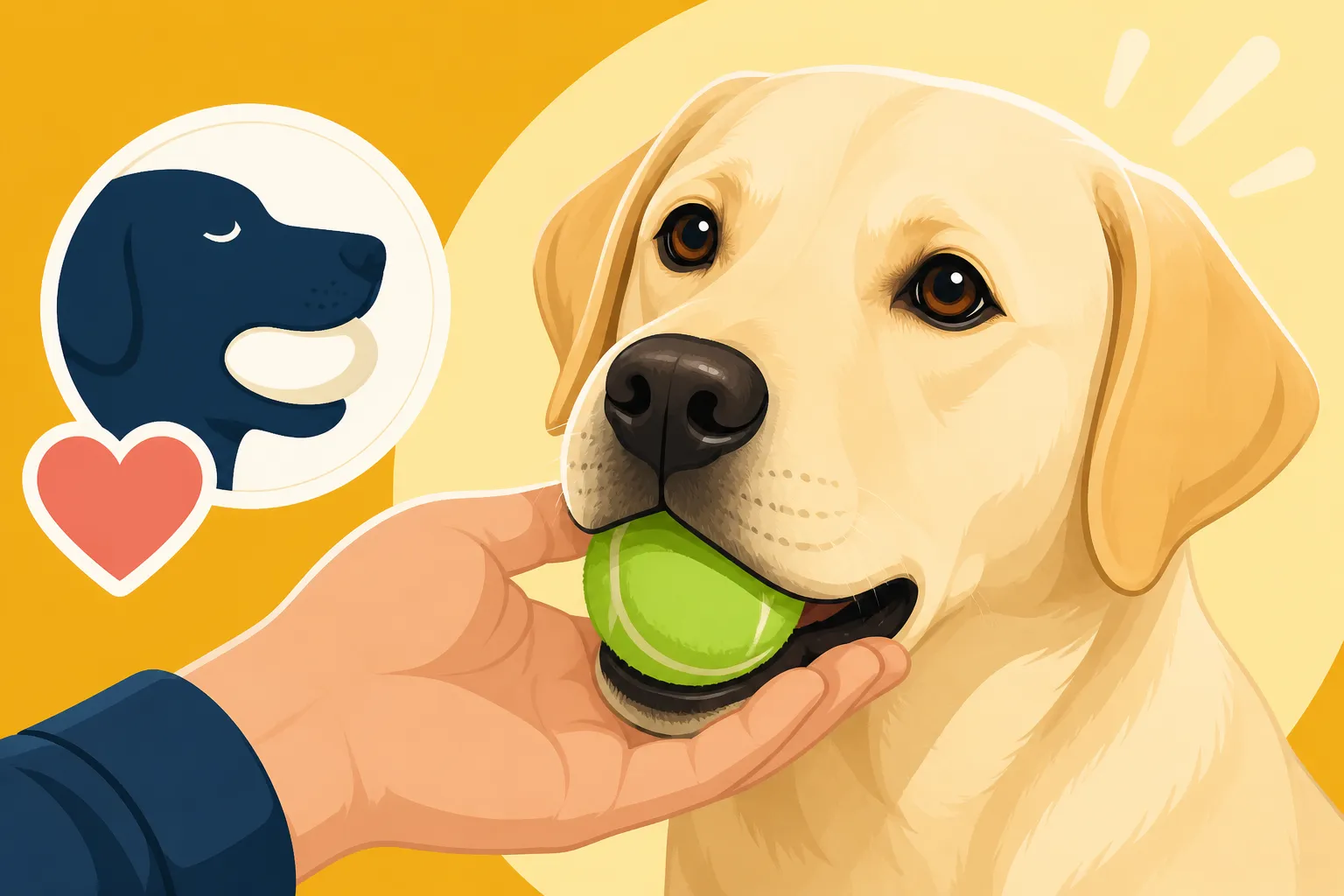
Why Labradors Have Soft Mouths
It's a common and often charming sight: a Labrador retriever carefully carrying a delicate egg or a tiny bird without a single crack or feather out of place. This incredible gentleness, known as a "soft mouth," is one of the breed's most defining characteristics, but many new owners wonder how it developed and why it's so vital. This guide delves into the fascinating history, anatomical marvel, and training insights behind the Labrador's renowned soft mouth.
The Historical Roots of the Labrador's Soft Mouth
The Labrador Retriever wasn't born in a vacuum; their traits were meticulously cultivated over generations to serve a very specific, demanding role. Understanding their origins helps us appreciate this remarkable characteristic, which sets them apart from many other breeds. It’s not just a cute quirk; it’s a cornerstone of their identity.
From Fishing Boats to Gundog Fields
To truly understand the soft mouth, we need to travel back in time to the icy waters of Newfoundland in the 17th and 18th centuries. Here, the ancestors of today's Labradors, often referred to as St. John's Water Dogs, were indispensable partners to local fishermen. These dogs weren't just companions; they were working animals tasked with retrieving fish that had fallen out of nets, lines, or even retrieving caps and gloves that blew overboard in the harsh maritime conditions. Imagine trying to gently pick up a struggling, slippery fish without damaging it for market – that requires an incredibly precise and gentle grip. The fishermen relied on their dogs to bring back valuable catches intact, not as mangled scraps. This early working environment was the crucible where the soft mouth began to be forged.
Later, as some of these dogs made their way to Great Britain, particularly to the estates of noblemen interested in waterfowl hunting, their retrieving skills found a new, equally demanding application. Gundogs needed to retrieve shot birds—ducks, geese, pheasants—from land or water, often over long distances, and deliver them to their handler without a single tooth mark. A bird ruined by a rough retrieve was useless to the hunter. The ability to carry game gently, without crushing bones or tearing skin, became paramount. This shift from fish to fowl cemented the necessity of the soft mouth and further refined the trait through deliberate breeding choices. Where the First Labrador Ancestors Worked gives a deeper look into this history.
Selective Breeding for a Gentle Grip
The development of the modern Labrador Retriever involved a conscious and sustained effort by early breeders to enhance desirable traits, and the soft mouth was high on that list. It wasn't an accident; it was a deliberate goal. Breeders didn't just look for speed or obedience; they specifically sought out dogs that demonstrated an innate ability to hold objects gently in their mouths. Dogs that were "hard-mouthed" – those that tended to bite down or damage what they retrieved – were not selected for breeding. This rigorous selection process, spanning generations, gradually ingrained the soft mouth into the Labrador's genetic makeup.
Think about it: if your livelihood depended on bringing back valuable game birds or fish unspoiled, you wouldn't tolerate a dog that ruined them. This practical necessity drove the breeding decisions. Beyond just the physical act of holding, breeders also observed the temperament. A dog that was calm and steady, rather than overly excitable or aggressive with retrieved items, was preferred. This intertwining of temperament and physical capability further solidified the trait. It’s a beautiful example of how human needs and careful breeding can shape a breed's most iconic characteristics.
What "Soft Mouth" Really Means for a Labrador
When we talk about a Labrador having a "soft mouth," it's more than just a nice-sounding phrase. It refers to a very specific set of physical attributes and ingrained behaviors that allow them to carry items with extreme delicacy. It’s a remarkable ability that showcases the intricate relationship between a dog's anatomy and its learned behaviors.
The Anatomy Behind the Gentle Retrieve
While the soft mouth is largely a behavioral trait honed through breeding, it's also supported by certain anatomical features. Labradors, like other retrieving breeds, have jaws and teeth that are well-suited for holding rather than crushing. Their teeth are strong, of course, but the way they use them is key. When retrieving, a Labrador typically uses the pads of its mouth and its lips to gently grip the object, minimizing direct tooth contact, especially with fragile items. The pressure exerted is light and controlled. This isn't just luck; it's a natural inclination.
Furthermore, Labradors possess a deep and wide muzzle, which provides ample space to hold objects without having to clench down forcefully. This allows them to carry larger items comfortably and securely without feeling the need to exert excessive pressure. Their strong neck muscles also play a role, allowing them to carry weight without needing to compensate by biting harder. All these elements work in concert, making them natural experts at gentle retrieval. It's truly fascinating to consider how What a Soft Mouth Meant on a Fishing Boat contributed to these physical adaptations.
More Than Just Holding: Delivering Intact
The soft mouth isn't just about picking up an item gently; it's also fundamentally about delivering it to the handler in perfect condition. Many dogs can pick up an item, but a truly soft-mouthed Labrador will carry it back, often through challenging terrain or water, and present it to their owner without damage. This includes not chewing, mouthing, or dropping the item repeatedly on the way back. The focus is on the successful completion of the retrieve, from pick-up to hand-off.
Consider a delicate canvas dummy used in training or a freshly shot bird. A Labrador with a truly soft mouth will bring it back exactly as it was found. This requires not only a gentle grip but also immense self-control and focus. They resist the urge to play with the item, shake it, or damage it, understanding their role in the retrieval process. It's a testament to their intelligence and biddability, traits that are often highlighted when discussing Labrador Temperament and Personality.
Why a Soft Mouth is So Important
The soft mouth is more than just an admired trait; it’s a functional necessity that made Labradors invaluable in their traditional roles and continues to make them exceptional companions and working dogs today. Its importance extends beyond the hunting field into everyday interactions.
Preserving Game in Hunting
For centuries, the primary role of the Labrador Retriever was to assist hunters in retrieving game. In this context, the soft mouth was absolutely non-negotiable. A hunter spends time, effort, and resources to take down game, and having a dog that returns a damaged bird renders all that effort moot. The soft mouth ensured that pheasants, ducks, or geese were brought back in prime condition, suitable for the table or for taxidermy. Without this ability, the Labrador would simply not have been effective as a gundog and would not have risen to its prominent status in the sporting world.
This commitment to preserving the game is deeply ingrained in the breed's purpose. It’s why training a gundog involves so much focus on precise retrieves and why breeders continue to prioritize this trait. It's a functional trait that speaks volumes about the Labrador's heritage and their suitability for Training a Labrador for Gundog Work.
Safety in Everyday Life and Service Work
Beyond the hunting field, the soft mouth translates into significant advantages in a domestic setting and especially in various service dog roles. Imagine a family dog who can gently carry a child's toy without mangling it, or retrieve a dropped remote control without leaving teeth marks. This innate gentleness makes them less likely to accidentally hurt a person or damage property when they interact with objects using their mouths.
In the realm of service and assistance work, the soft mouth is indispensable. Guide dogs often need to pick up items for their visually impaired handlers, such as keys, wallets, or canes. A soft mouth ensures these items are handled with care, preventing scratches or breakage. Labrador Tasks in Guide Dog Programs rely heavily on this gentle precision. Similarly, in detection work, where dogs might retrieve samples or indicate finds, the ability to do so without contamination or damage is crucial. The soft mouth makes Labradors incredibly versatile and safe partners across a wide range of human endeavors, validating their reputation for being gentle and reliable.
Nurturing and Maintaining Your Labrador's Soft Mouth
While the soft mouth is largely an inherent trait in Labradors, it still benefits greatly from proper nurturing and training. You can encourage and reinforce this natural gentleness from puppyhood throughout their lives, ensuring they remain the perfect, gentle companions we know and love.
Early Training and Positive Reinforcement
The journey to maintaining a soft mouth starts early. Even tiny Labrador puppies instinctively pick things up, and this is the perfect time to begin shaping their retrieving behavior. Start with soft, easy-to-hold toys and encourage them to bring them to you. When they do, reward them enthusiastically with praise and a tasty treat. This positive reinforcement teaches them that gentle retrieves are highly valued. Never punish a puppy for a hard mouth; instead, gently replace the item with a more appropriate chew toy or simply disengage briefly if they're being too rough with your hand. The goal is to make gentle interactions rewarding.
Games like "fetch" are excellent for practicing retrieval, but always ensure the items they are retrieving are safe and appropriate. A varied selection of toys encourages different types of mouth engagement. For instance, soft fabric toys can help reinforce the gentle grip, while a sturdy rubber toy from a reputable brand like Chewy can satisfy chewing needs without encouraging a hard mouth on softer items. Consistency is key; always praise gentle handling and redirect any overly enthusiastic mouthing towards appropriate outlets. First Commands to Teach a Labrador often include a gentle retrieve.
Appropriate Chew Toys and Training Aids
Providing the right tools is crucial for both discouraging inappropriate chewing and reinforcing soft mouth habits. Labradors are oral dogs; they love to carry, chew, and mouth objects. Directing this natural instinct toward appropriate outlets is vital.
Here's a quick guide to selecting toys and aids:
| Toy Type | Purpose | Soft Mouth Reinforcement | Example |
|---|---|---|---|
| Soft Fabric Toys | Gentle carrying, indoor fetch | Encourages light grip, prevents damage | Plush squeaky toys, stuffed animals |
| Rubber Chews | Satisfies chewing instincts, dental health | Diverts strong chewing from delicate items | Kong toys, durable rubber bones |
| Puzzle Feeders | Mental stimulation, slows eating | Engages mouth gently, not for crushing | Slow feeder bowls, treat-dispensing balls |
| Retrieve Dummies | Specific training for gundog work | Designed for soft, proper holds | Canvas dummies, plastic bumpers |
Using items from Chewy that are designed for different purposes can be incredibly helpful. For instance, a puzzle feeder helps satisfy their oral fixation in a non-destructive way, while soft toys are perfect for teaching them to carry gently. Avoid using old shoes or socks as toys, as this can confuse your Labrador and lead them to believe that all shoes or socks are fair game, which can be a real headache. Instead, provide a dedicated toy box full of engaging, appropriate items. This helps teach them discernment and reinforces the idea that some items are for gentle carries, and others are for vigorous chewing, ensuring their soft mouth is applied correctly. For more on managing this, consider reading Chew Toys That Survive a Labrador.
Ultimately, the Labrador's soft mouth is a beautiful legacy of its working past and a valuable asset in its modern role as a beloved family member or service animal. By understanding its origins and how to foster it, we can continue to celebrate and preserve this remarkable trait in our wonderful Labradors.
Disclaimer
This article is for general informational purposes only and does not constitute professional advice. Laws, prices and regulations vary by location and change over time. Consult a qualified professional for guidance on your specific situation.