Labrador Head, Muzzle and Expression
One of the most defining aspects of a Labrador Retriever, beyond their boundless energy and loving personality, is the very structure of their head. Many new owners don't realize how much the shape of their dog's skull, the set of their eyes, or the length of their muzzle can impact not only their appearance but also their health and how they interact with the world. This guide will walk you through the distinctive features of a Labrador's head, muzzle, and expression, helping you understand what makes them so uniquely Labrador.
Overall Head Structure and Proportions
When you look at a Labrador Retriever, their head should immediately convey strength, intelligence, and a friendly disposition. It's not just about one feature, but how all the parts come together in a balanced and harmonious way, reflecting their heritage as a capable retrieving dog. The head isn't dainty or overly coarse; it's robust and functional, designed to carry game gently in its mouth and possess excellent peripheral vision for spotting birds.
The Skull: Broadness and Definition
The skull of a Labrador should be broad, but not disproportionately so, striking a balance with the length of the muzzle. You want to see a certain amount of definition, a clear indication of a strong, well-muscled head without being overly "boxy" or having pronounced cheekbones that give a harsh look. Think of it as a powerful but refined shape, giving the dog an intelligent and alert appearance. It’s this broadness that provides ample space for the brain, contributing to their renowned trainability and problem-solving abilities.
This broadness also gives the Labrador a stable platform for their eyes, set wide enough apart to offer good field of vision without being too close together, which could impact depth perception. A well-constructed skull often correlates with good overall bone structure, which is vital for a dog of the Labrador's size and activity level. Breeders pay close attention to this, as extreme deviations can sometimes be linked to other structural issues.
The Stop: Definition and Placement
The "stop" refers to the indentation between the eyes, where the muzzle meets the skull. In a Labrador, this stop should be moderate and well-defined, indicating a clear division without being too abrupt or too shallow. An abrupt stop, almost like a straight line from the forehead to the nose, isn't typical for the breed and can give a very different, often less "Lab-like" expression. Conversely, a shallow or nonexistent stop can make the head look like a single, long wedge, lacking the characteristic blockiness.
The placement and definition of the stop are key to that classic Labrador profile. It contributes to their kind, intelligent expression, allowing for a good transition from forehead to muzzle. Imagine drawing a gentle curve from the top of the skull down to the nose; the stop marks the beginning of that curve. It’s a subtle yet critical feature that experienced Labrador enthusiasts and judges look for when assessing a dog against The AKC Labrador Retriever Breed Standard.
General Proportionality and Balance
Ultimately, the head should be in proportion to the rest of the dog's body. A huge head on a slender body, or a tiny head on a bulky frame, would indicate poor balance and wouldn't be characteristic of a well-bred Labrador. The overall impression should be one of harmony and strength, reflecting their working dog heritage. The head is the "command center" for many of their retrieving instincts, from listening to directions to tracking scents, so its construction is intrinsically linked to their function.
When considering a puppy, looking at the parents' head structures can give you a good indication of what to expect as they grow. A well-proportioned head allows for efficient movement, good breathing, and proper jaw function, all of which are essential for a healthy and happy Labrador throughout their life. It's truly a testament to generations of selective breeding for a specific purpose.
The Muzzle: Shape, Length, and Jaw
The muzzle is arguably one of the most distinctive features of a Labrador Retriever, telling us a lot about their origins as a retriever. It’s not just for eating; it's a finely tuned tool for carrying delicate game, sniffing out hidden objects, and expressing a wide range of emotions. Understanding its characteristics is key to appreciating the breed.
Muzzle Shape and Depth
A Labrador's muzzle should be powerful and of medium length, never appearing snipey or overly long, nor too short and blunt. It should be deep and wide, tapering only slightly from the stop to the nose, without being pointed. This depth and width are crucial because they house the strong jaws and provide ample room for the nasal passages, which are essential for their incredible sense of smell. A muzzle that is too narrow or shallow could indicate a weaker jaw structure, which is undesirable for a retrieving breed.
The top line of the muzzle should be straight, not dished or roman-nosed. This straightness, combined with the moderate stop, gives the Labrador that characteristic profile. When you're browsing for dog supplies, even something as simple as a durable chew toy on Chewy, you'll want to ensure it's robust enough to stand up to the powerful, deep jaws of a well-built Labrador. Their strong jaws are not just for chewing, but for efficiently grasping and carrying.
Jaw Strength and Scissor Bite
Beneath that well-shaped muzzle are the powerful jaws, equipped with strong, healthy teeth that meet in a perfect scissor bite. In a scissor bite, the upper front teeth just overlap the lower front teeth when the mouth is closed. This configuration is considered ideal for grasping and holding objects securely yet gently, which is a hallmark of the Labrador's "soft mouth" trait. Any deviation, such as an overshot (upper teeth too far forward) or undershot (lower teeth too far forward) bite, is considered a fault.
The jaw strength also dictates what kind of chews and toys are safe and appropriate for your Labrador. They are powerful chewers, so providing them with good quality, sturdy chew toys is essential for their dental health and to prevent them from destroying inappropriate items. A well-aligned jaw and strong teeth are fundamental for their ability to eat, retrieve, and engage in healthy play. Learning about Labrador Dental Disease and Tartar can help you maintain this vital part of their head.
Nose: Color and Nostrils
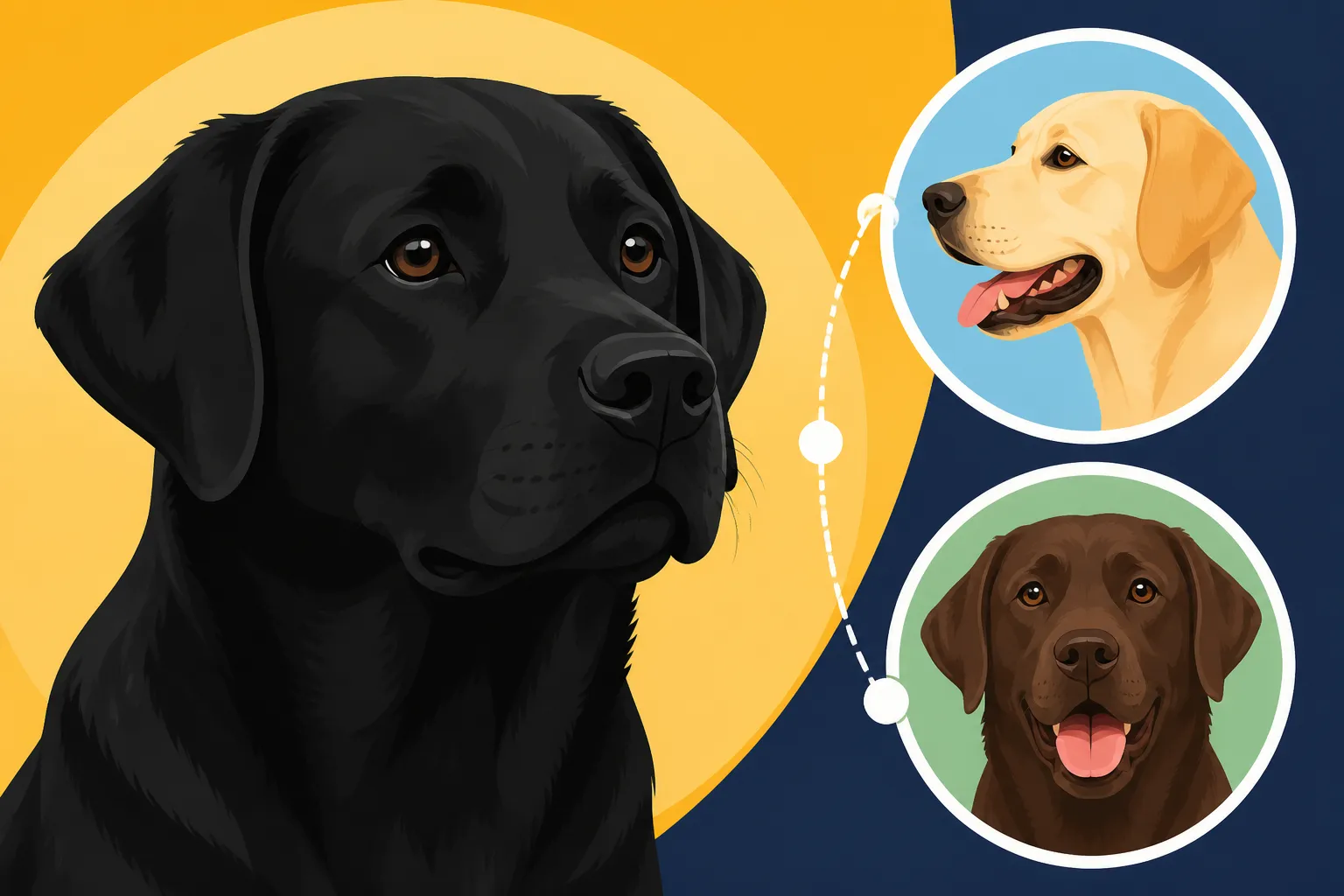
The nose of a Labrador is always black or brown (liver), depending on their coat color. A black Labrador will have a black nose, while a chocolate Labrador will typically have a brown nose. Yellow Labradors can have either black or brown noses, and sometimes their black noses can fade to a lighter "snow nose" in winter, which usually darkens again with warmer weather. Pink noses, except in very young puppies, are generally undesirable in the breed standard.
Beyond color, the nose should be wide with well-opened nostrils, allowing for excellent airflow and maximizing their scenting ability. A Labrador’s nose is one of their primary tools for exploring the world, crucial for tracking, hunting, and even just enjoying a good walk. A healthy nose is often cool and damp, though it can fluctuate throughout the day.
Eyes: Placement, Color, and Expression
The eyes are often called the windows to the soul, and for a Labrador, they truly convey their renowned temperament. They are a central feature of their expression, reflecting their intelligence, kindness, and eagerness to please.
Eye Shape, Set, and Color
A Labrador's eyes should be of medium size, set well apart, and neither protruding nor deeply set. They should be dark brown or hazel, reflecting the color of the coat, giving them a warm and friendly appearance. Yellow or light eyes are considered a fault in the breed standard, as they can give a harsh or untypical expression. The eye rims should be dark and tight, framing the eye without showing excessive haw (the red inner lining of the eyelid).
The shape should be somewhat almond-like, avoiding a round appearance that can make the dog look startled or too wide-eyed. A good eye set contributes to the overall intelligent and alert look of the Labrador. Healthy eyes are bright, clear, and free from discharge. Paying attention to any changes in your Labrador's eyes is important, as they can sometimes develop Labrador Eye Conditions and Vision Loss as they age.
The Labrador's "Kind" Expression
This is perhaps the most cherished characteristic of the Labrador's head: their kind, friendly, and outgoing expression. It's a combination of their eye shape, color, the set of their ears, and the gentle curve of their muzzle. A true Labrador's expression should invite interaction, conveying intelligence, good nature, and a willingness to cooperate. This expression is why they make such fantastic family pets and excel in roles like guide dogs and therapy dogs.
You can often "read" a Labrador's mood and intentions through their expression. A soft gaze with slightly relaxed ears usually means they are content and friendly, whereas a more intense, focused look might indicate they've spotted a squirrel or are ready for a game of fetch. This inherent kindness is a key part of Labrador Temperament and Personality and is reflected clearly in their facial features.
Importance of Clear, Healthy Eyes
Healthy eyes are paramount for a Labrador, both for their well-being and their ability to perform their traditional retrieving tasks. Clear vision is essential for everything from navigating their environment to catching a thrown ball. Regular veterinary check-ups should always include an assessment of eye health. Responsible breeders will conduct various Health Clearances a Labrador Breeder Must Show, including eye certifications, to ensure they are not passing on genetic eye conditions.
Any redness, excessive tearing, cloudiness, or sensitivity to light should be promptly investigated by a vet. Just like humans, dogs can suffer from discomfort or pain in their eyes, and early intervention can prevent more serious issues. Ensuring your Labrador's eyes are always bright and clear is a crucial part of their overall care.
Ears: Set, Size, and Function
The ears of a Labrador Retriever might not be as dramatic as those of some other breeds, but their specific set, size, and structure are important components of the breed standard and contribute significantly to their overall expression and health.
Ear Set and Length
A Labrador's ears should be set moderately close to the head, neither too high up on the skull nor too low. They should hang relatively close to the head, falling just above the eyes and reaching approximately to the corner of the eye when gently pulled forward. The ear leather itself should be of medium thickness, not thin and flimsy, nor excessively thick. This balanced set contributes to the breed's characteristic intelligent and attentive expression.
When a Labrador is alert, their ears will often perk up slightly at the base, directing the ear canal forward to catch sounds. When relaxed or being affectionate, they might lie flatter against the head. The way the ears frame the face is a key part of their appealing appearance.
The Ear Leather and Fold
The ear leather, or the actual flap of the ear, should be broad enough to adequately cover the ear canal. The fold of the ear should be soft and flexible, allowing the ear to lie neatly against the cheek. This creates a relatively enclosed, warm, and humid environment within the ear canal. While this structure is characteristic of the breed, it also makes Labradors somewhat prone to ear issues.
The inside of a healthy Labrador's ear should be clean, pale pink, and free from odor. Regular checks are essential, especially for a breed that loves water, as moisture trapped in the ear can lead to infections. Keeping a good ear cleaner on hand from a trusted source like Chewy can be helpful for routine maintenance, but always consult your vet if you suspect an infection.
How Ear Structure Affects Health
Because of their pendulous (hanging) ear structure, Labradors are more susceptible to ear infections, known as otitis externa. The warm, dark, and often moist environment created by the floppy ear flap is an ideal breeding ground for bacteria and yeast. This is particularly true for Labs who love to swim, as water can easily get trapped in the ear canal. Labrador Ear Infections and Swimming is a common problem owners face.
Regular ear cleaning, especially after swimming, is crucial. If your Labrador is constantly shaking their head, scratching their ears, or if you notice any redness, discharge, or foul odor, it’s time for a vet visit. Early treatment of ear infections can prevent them from becoming chronic or more severe, which is why prevention and vigilance are key.
The Importance of Breed Standard in Head Features
The breed standard isn't just a list of arbitrary physical characteristics; it's a blueprint that describes the ideal Labrador Retriever, reflecting their historical purpose and temperament. For the head, muzzle, and expression, adhering to the standard means ensuring the dog embodies the qualities that make a Labrador a Labrador.
What the AKC Standard Says
The American Kennel Club (AKC) breed standard for the Labrador Retriever meticulously details every aspect of the head. It emphasizes a broad skull, a moderate stop, powerful jaws, medium-sized dark eyes that convey a "kind, friendly expression," and ears that are "set rather far back" and "hang moderately close to the head." These details are not just about aesthetics; they define the functional aspects that contribute to a Labrador's ability to retrieve and interact.
For example, the broadness of the skull gives them the strength needed for a retrieving dog, while the eye placement ensures good vision. The strong, moderate muzzle is perfect for holding game without damaging it, a trait known as the "soft mouth." Deviations from these standards can not only affect a dog's appearance but, in some cases, can also indicate underlying structural or health issues that might hinder their ability to live a full and comfortable life.
Differences Between English and American Type Heads
While all Labradors share a common breed standard, there are subtle differences often observed between dogs bred for the show ring (often called "English" or "bench" type) and those bred for field work ("American" or "field" type). English-type Labradors often have a slightly broader skull, a more pronounced stop, and a deeper, shorter muzzle, giving them a more "blocky" or "classic" Labrador head. Their expression tends to be softer and more gentle.
American-type Labradors, on the other hand, might have a slightly narrower skull, a less defined stop, and a longer, more refined muzzle. This gives them a more athletic, sometimes almost "hound-like" appearance, and their expression can be more intense and alert. These differences, while noticeable, still fall within the accepted range of the breed standard. Understanding English and American Labrador Types can help you appreciate these nuances.
Why Head Structure Matters Beyond Looks
Beyond show ring aesthetics, the structure of a Labrador's head plays a vital role in their overall health and function. For instance, a well-formed skull and muzzle contribute to good breathing and scenting abilities. Proper jaw alignment (the scissor bite) is crucial for dental health and efficient eating, preventing issues like malocclusions that can lead to pain or difficulty chewing.
The eye set and ear placement are also tied to health and behavior. Well-set eyes are less prone to injury and allow for good peripheral vision, while properly hung ears, though prone to infection, are characteristic of the breed and provide protection for the ear canal. When you're looking at a Labrador, especially as a puppy, a head that aligns with the standard is often an indicator of careful breeding for both health and temperament.
Common Head-Related Issues and What to Look For
Even with the best breeding, Labradors can experience a few health issues related to their head structure. Being aware of these can help you spot problems early and ensure your beloved companion receives prompt veterinary care.
Dental and Jaw Concerns
As discussed, a Labrador should have a strong jaw and a scissor bite. However, some Labs can develop dental issues such as malocclusions (incorrect bite), retained deciduous teeth (baby teeth that don't fall out), or excessive tartar buildup. Malocclusions can make it difficult for a dog to chew properly and can cause discomfort or even injury to their gums and palate. Retained baby teeth can lead to crowding and misdirection of adult teeth.
Regular dental care, including brushing at home and professional cleanings, is essential. Offering appropriate chew toys, which you can find a wide selection of on Chewy, can also help keep teeth clean and jaws strong. If you notice any redness, bleeding, or unusual odors from your Labrador’s mouth, or if they seem to have trouble eating, it’s important to consult your vet.
Eye and Ear Health Indicators
Labradors are generally a healthy breed, but their eyes and ears can be prone to specific conditions. For eyes, look out for signs of progressive retinal atrophy (PRA), cataracts, or retinal dysplasia. These can manifest as cloudiness in the eyes, difficulty seeing in dim light, or bumping into objects. Regular vet check-ups, especially as your Labrador ages, can help catch these conditions early. Progressive Retinal Atrophy in Labradors is one such condition to be aware of.
For ears, the main concern is infection. Signs include frequent head shaking, scratching at the ears, redness, swelling, discharge, or a foul odor. Labs who swim frequently are at higher risk, so always dry their ears thoroughly after water activities. If you see any of these signs, a vet visit is needed for diagnosis and appropriate treatment. Ignoring ear infections can lead to chronic issues and even hearing loss.
Head Shape and Potential Health Links
While rare in responsible breeding, extreme deviations in head shape can sometimes be linked to broader health concerns. For example, a skull that is too narrow might be associated with neurological issues, though this is far more common in breeds with dome-shaped heads like Cavaliers. Similarly, an overly short or flattened muzzle (brachycephalic features) is not characteristic of a Labrador and could lead to breathing difficulties, but this is extremely uncommon in purebred Labradors bred to standard.
Responsible breeders prioritize not just looks, but the health and functionality of the dog. They understand that a well-structured head is integral to the overall well-being of the Labrador Retriever. Genetic panels and health clearances are vital to ensuring healthy lineage, and a reputable breeder will always be transparent about the health of their breeding stock.
| Feature | Ideal Labrador Standard | Common Faults | Why it Matters |
|---|---|---|---|
| Skull | Broad, moderate stop, clean-cut, not heavy in cheek | Narrow, too short, too domed, over-pronounced cheekbones | Brain capacity, eye set, overall balance, breed characteristic. |
| Muzzle | Medium length, powerful, deep, not snipey or square | Snipey, too long, too short, shallow, dished or roman nose | Jaw strength, scenting ability, "soft mouth" retrieving function. |
| Eyes | Medium size, dark brown/hazel, set well apart, kind exp. | Yellow, light, protruding, deeply set, round, showing too much haw | Reflects temperament, vision, breed-specific expression. |
| Ears | Moderately set, hang close to head, medium thickness | Set too high/low, too long/short, thin, hound-like | Part of characteristic expression, protects ear canal, affects hearing. |
| Bite | Scissor bite | Undershot, overshot, level bite | Dental health, ability to grasp and chew food/objects. |
| Nose | Black or brown, wide nostrils | Pink (except young puppies/snow nose), poor nostrils | Scenting ability, overall health indicator. |
Disclaimer
This article is for general informational purposes only and does not constitute professional advice. Laws, prices and regulations vary by location and change over time. Consult a qualified professional for guidance on your specific situation.