Labradors in Waterfowl and Upland Hunting
For generations, Labradors have been the quintessential hunting companions, beloved for their boundless enthusiasm, unwavering loyalty, and incredible natural retrieving abilities. However, if you've ever imagined taking your furry friend out into the field or marsh, you know it's far more complex than just pointing them at a duck. This guide is here to walk you through what it truly means to have a Labrador for waterfowl and upland hunting, covering their inherent talents, the dedicated training involved, and the practical care needed to keep them safe and performing their best.
The Labrador's Natural Instincts for the Hunt
There's a reason why the Labrador Retriever stands out as the world's premier gundog. It's not just about their biddable nature or their handsome looks; it's etched deep in their very DNA. These dogs were quite literally bred for a job, and that job involved working closely with humans to retrieve game, often in challenging conditions. Understanding these foundational instincts is key to appreciating why they excel and how to best nurture those talents.
A Legacy of Water and Land Retrieval
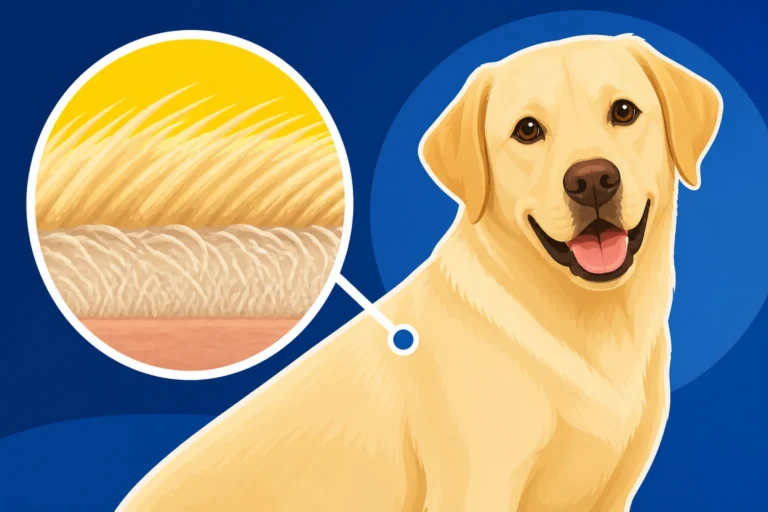
Think back to the Labrador's origins on the rugged coasts of Newfoundland. They weren't lounging by a fireplace; they were hardy working dogs, indispensable partners to fishermen. Their job involved plunging into icy waters to retrieve lost fishing lines, nets, and even fish that had slipped the hook. This intense water drive, combined with a robust build and a dense, water-resistant double coat, made them perfectly suited for aquatic tasks. When these dogs made their way to England, their retrieving prowess was quickly recognized by sportsmen who needed dogs to collect shot game birds. It wasn't long before they became the go-to breed for retrieving waterfowl from lakes and marshes, and pheasants or grouse from thick cover. This historical context illuminates why your Labrador eyes every puddle with such glee or why they instinctively want to carry things around the house. It's not just a cute quirk; it's a whisper from their past, a powerful echo of generations of dedicated work. What Labradors Were Bred to Do goes into more detail about their fascinating history.
This inherent drive to retrieve, coupled with a strong desire to please their human companions, forms the bedrock of their gundog capabilities. It's more than just a genetic predisposition; it’s a deep-seated satisfaction they get from finding and bringing back an object to their handler. This "retrieving drive" is a powerful motivator during training. When you're trying to teach a complex retrieve, tapping into that innate desire makes the process much smoother. Without it, you'd be fighting against their nature, trying to force a behavior rather than harnessing an existing one. For a hunting Labrador, this isn't just a game; it's fulfilling their purpose. They thrive on having a job, and for many Labradors, that job is retrieving.
However, a strong retrieving drive doesn't automatically mean a finished hunting dog. It's the raw material. Many owners can attest to their Labrador bringing them a ball or a shoe with gusto, but that's a far cry from a steady retrieve of a downed goose under adverse weather conditions. The foundation is there, but it needs careful shaping and refinement through consistent training. This means teaching them when to retrieve, what to retrieve, and how to deliver it respectfully. It requires channeling that enthusiastic drive into disciplined action, a task that demands patience and understanding from the owner. Channeling a Labrador's Retrieving Drive offers great advice on focusing that energy.
The "Soft Mouth" Advantage
One of the most celebrated and crucial traits of a hunting Labrador is their "soft mouth." This isn't just a quaint phrase; it refers to their ability to pick up and carry game birds or other items gently, without biting down hard or damaging the retrieve. Imagine a valuable pheasant or duck, freshly retrieved from icy water, being brought back to you. The last thing you want is a dog that clamps down and mangles it. A soft mouth means the bird is delivered intact, ready for the table. This trait is a hallmark of the breed and was intentionally selected for by early breeders who understood the importance of an undamaged retrieve.
Developing a soft mouth starts early, often observed even in puppies as they gently carry toys. However, it's something that needs to be reinforced through training. You teach a Labrador to hold an object without chewing, to pick it up delicately, and to release it upon command without struggle. This often involves specific "hold" exercises, where the dog learns to carry an item for increasing durations, often starting with soft, non-damaging items. The goal is a dog that sees the retrieve as a precious cargo, not a chew toy. It’s about respect for the game and for the handler's efforts.
Without a truly soft mouth, a Labrador would be less effective as a gundog. A dog that delivers a damaged bird isn't fulfilling its primary role. This is why breeders often emphasize this trait and why it's a crucial component of gundog training. It reflects the Labrador's inherent intelligence and their capacity to learn precise control, even when their instincts tell them to chew. It's a testament to the breed's incredible balance of power and gentleness, making them invaluable partners in the field.
Training a Labrador for Waterfowl Hunting
Training a Labrador for waterfowl hunting is a journey, not a sprint. It's a systematic process that builds upon their natural instincts, refining them into precise, reliable behaviors under pressure. The goal is a steady, confident dog that can handle the distractions and demands of the hunt.
Building Foundational Obedience
Before a Labrador can even think about retrieving a duck from a frigid marsh, they need to master foundational obedience. This isn't just about sitting politely in the living room; it's about rock-solid commands that hold up when distractions are high and instincts are screaming. Think about "sit," "stay," and "come" (recall) being performed amidst the chaos of shotgun blasts, falling birds, and splashing water. Your Labrador needs to understand that your command is absolute, no matter what exciting things are happening around them.
Consistency is the absolute bedrock here. Every training session, whether it's five minutes in the backyard or an hour at a local park, is an opportunity to reinforce these basic commands. Many owners find success using positive reinforcement, rewarding the desired behavior immediately. This might involve high-value treats or their favorite Chewy brand toy. Gradually, you introduce distractions – other dogs, people, sounds – to ensure the commands hold firm. A Labrador's intelligence means they often pick up these commands quickly, but their enthusiasm means they can also be easily distracted if the training isn't rigorous and consistent. Early exposure to different environments is also crucial for building confidence.
Furthermore, "steadiness" is paramount in waterfowl hunting. This means your Labrador stays quietly by your side, even when birds are flying, guns are firing, and other dogs are excited. They only retrieve when given the explicit command. Breaking before the command can lead to dangerous situations, lost birds, or even flushing un-shot game. Teaching steadiness requires immense patience. It often starts with holding the dog on a leash or check cord during mock retrieves, gradually increasing the distractions. It's a difficult skill for a high-drive Labrador, as every fiber of their being wants to go get that bird, but it's non-negotiable for a safe and effective hunting partner. Training a Labrador for Gundog Work provides an excellent deep dive into these essential skills.
Specialized Water Work and Blind Retrieves
Once foundational obedience is solid, it's time to introduce the specialized skills needed for water work. Labradors naturally love water, but hunting retrieves are far more demanding than a casual swim. They need to be comfortable entering and exiting water quickly, navigating different types of cover (like reeds or lily pads), and being able to mark where a bird falls, even at a distance. Gradually introducing them to deeper water, using floating bumpers, and making it a positive experience are crucial first steps. Teaching a Labrador to Swim and Retrieve Water covers the basics.
Blind retrieves are arguably the pinnacle of a waterfowl retriever's training. This is where your dog retrieves a bird they did not see fall, relying solely on your hand signals and whistle commands to guide them. Imagine a bird falling into thick reeds far across a marsh, out of your dog's sight. You must be able to send them in the right direction, stop them with a whistle, and then use hand signals to guide them left, right, back, or forward until they find the bird. This requires a strong bond, trust, and countless hours of drills. It's a complex dance between handler and dog, built on clear communication and the dog's unwavering focus.
These advanced skills are built incrementally. You start with short, easy blind retrieves on land, then move to water, gradually increasing distance and complexity. It involves drills where the dog is sent "back" to a retrieve they know is there, then introducing variations where the handler provides directional cues. Patience, repetition, and celebrating every small success are key. The goal is a dog that, even when faced with no visible bird, trusts your guidance completely and works diligently until the retrieve is made. Many dedicated trainers use specialized equipment, readily available from retailers like Chewy, to aid in these complex training scenarios.
Labradors in Upland Bird Hunting
While often associated with water, Labradors are incredibly versatile and excel in upland bird hunting as well. The skills required are slightly different, focusing more on flushing, quartering, and maintaining steadiness on land, often in dense cover.
Flushing, Quartering, and Steadiness
In upland hunting, such as for pheasant, grouse, or quail, the Labrador's role is typically to "flush" birds – to burst into dense cover and drive the birds into the air, allowing the hunter to get a shot. This requires a dog with immense drive, courage to push through thickets, and an understanding of how to work a field systematically. They need to cover ground thoroughly, often in a "quartering" pattern, moving back and forth in front of the hunter to maximize coverage and scenting opportunities. This isn't random running; it's a deliberate, organized search pattern.
Training for flushing and quartering involves encouraging the dog to work independently within a specific range, responding to whistle commands to change direction or come back to the handler. It means fostering their natural scenting abilities to locate hidden birds. Just as important as flushing is "steadiness to wing and shot." This means when a bird flushes or a gun is fired, the Labrador remains steady and does not chase the bird until commanded to retrieve. This prevents lost birds and ensures safety, especially when multiple hunters are in the field. Teaching this level of control to a high-energy Labrador takes dedicated practice and a deep understanding of their drive.
The terrain in upland hunting can be quite varied, from open fields to dense woodlands, thorny bushes, and rocky ground. Your Labrador needs to be physically conditioned to handle hours of strenuous work, but also trained to navigate these environments safely and effectively. Field Line Labrador Traits are often highlighted here due to their leaner build and boundless energy, which lend themselves well to covering extensive ground. However, any well-bred, properly conditioned Labrador can excel in upland work.
Adapting to Diverse Terrain
Upland hunting takes place across a huge variety of landscapes, from the tall grass prairies of the Midwest to the thick brambles of the East Coast, or the sagebrush plains out West. Each environment presents its own challenges for a hunting Labrador. For example, hunting pheasants in heavy corn stubble requires a dog with tough paws and a dense coat that can withstand scrapes and thorns. Hunting grouse in dense woods means navigating fallen logs and thick undergrowth, relying heavily on scent and close-range work. Your Labrador must be physically prepared for these varied demands.
Beyond physical toughness, a hunting Labrador needs to adapt its working style. In open fields, they might quarter widely, covering a lot of ground. In dense woods, they'll need to work closer, checking in more frequently, as their scenting range is reduced and visibility is limited. This adaptability is honed through exposure to different environments during training, slowly introducing them to thicker cover, steeper inclines, and various natural obstacles. It’s about building their confidence and problem-solving skills in the field, not just on a manicured training lawn.
Mental toughness also plays a significant role. Upland hunting can be frustrating, with birds flushing wild, scenting conditions changing, and long hours without a retrieve. A good hunting Labrador needs to maintain its enthusiasm and focus, even when the going gets tough. This is where their inherent resilience and desire to please truly shine. They push through fatigue and frustration, driven by the pure joy of the hunt and their bond with their handler. Regular "fun retrieves" and Retrieving Games That Tire a Labrador outside of formal training help maintain this crucial enthusiasm.
Essential Gear and Care for a Hunting Labrador
Having a hunting Labrador isn't just about training; it's also about providing them with the right care and equipment to ensure their safety, health, and peak performance in the field. A well-cared-for dog is a happy, effective hunting partner.
Nutrition and Conditioning
A hunting Labrador is an athlete, and their diet and physical condition need to reflect that. They expend an enormous amount of energy, especially during a full day of hunting. This means they often require a high-quality dog food formulated for active or working dogs, with a higher protein and fat content than a typical household pet food. It's not just about calories; it's about providing the sustained energy and nutrients needed for muscle repair and endurance. Always consult your vet about the best dietary choices for your individual dog, especially when increasing their activity level. Choosing Dog Food for a Labrador Retriever is a great resource.
Proper physical conditioning is non-negotiable. You can't just take a sedentary Labrador off the couch and expect them to perform a full day of strenuous hunting without risking injury. A conditioning program should be gradual, building up their stamina and muscle tone over weeks or even months leading up to hunting season. This includes regular long walks, runs, swimming, and retrieving drills. Pay attention to their paws, ensuring they are tough and healthy, ready for rough terrain. Being overweight not only hinders performance but also puts undue stress on their joints, potentially shortening their active life. How Much Food a Labrador Eats in a Year can give you an idea of the volume of food you'll need.
Hydration is also critical, especially on long, active days. Always carry plenty of fresh water for your dog, even if you think there will be natural sources. Many natural water sources can contain harmful bacteria or parasites. Portable water bowls are a must-have piece of gear. During intense activity, dogs can dehydrate quickly, leading to decreased performance and serious health risks. Providing regular water breaks is just as important as feeding them properly.
Protecting Your Canine Hunting Partner
Safety in the field is paramount, and your Labrador relies on you to protect them. This includes a range of considerations, from visible gear to medical preparedness. Brightly colored vests (orange or reflective yellow) are crucial, especially when hunting in areas with other hunters or dense cover, to ensure your dog is highly visible. These vests also offer some protection against thorns and scrapes. Just like you wear hunter orange, your dog should too.
Beyond visibility, consider the environmental conditions. Labradors are hardy, but they are not impervious to extreme weather. Hunting in freezing temperatures requires careful monitoring for signs of hypothermia, and ensuring they have a warm, dry place to rest. Conversely, hunting in hot weather carries the risk of heatstroke, so understanding Hot and Cold Weather Care for Labradors is essential. Always have a first aid kit specifically for dogs, equipped with essentials for cuts, scrapes, paw injuries, and other common field ailments. A First Aid Kit for a Labrador Retriever is something every hunting dog owner should assemble. Knowing basic canine first aid can be life-saving far from veterinary care.
Finally, always be aware of potential hazards in the hunting environment. This could include barbed wire fences, poisonous plants, or even other aggressive animals. Keeping your Labrador up-to-date on vaccinations and parasite prevention (like heartworm, fleas, and ticks) is also critical, as they will be exposed to more risks in the wild. A hunting Labrador is more than a pet; they are a vital member of the team, and their health and safety are your responsibility.
Disclaimer
This article is for general informational purposes only and does not constitute professional advice. Laws, prices and regulations vary by location and change over time. Consult a qualified professional for guidance on your specific situation.