Labradors in Competitive Field Trials
If you've ever watched your Labrador launch across a field with boundless energy, or dive into icy water without a second thought to retrieve a bumper, you know their drive runs deep. For many owners, this natural instinct is a joy to behold, but for a dedicated few, it's a calling to a higher purpose: competitive field trials. This guide dives deep into the intense world of Labrador field trials, exploring what it takes for both dog and handler to compete at this exhilarating level, and whether it's the right path for your incredibly driven companion.
What Exactly Are Labrador Field Trials? It's More Than Just Fetch!
When most people think of a Labrador retrieving, they picture a casual game of fetch in the park or perhaps a dog bringing back a duck for a hunter. Field trials, however, are an entirely different beast. They are competitive events designed to test the natural abilities and trained skills of gundogs, specifically retrievers, in scenarios that simulate real-life hunting situations. These aren't about speed or flash; they're about precision, memory, obedience, and an unshakeable bond between dog and handler. It's a highly demanding sport that pushes both dog and human to their limits, demonstrating the ultimate partnership.
The Purpose Behind the Rigor
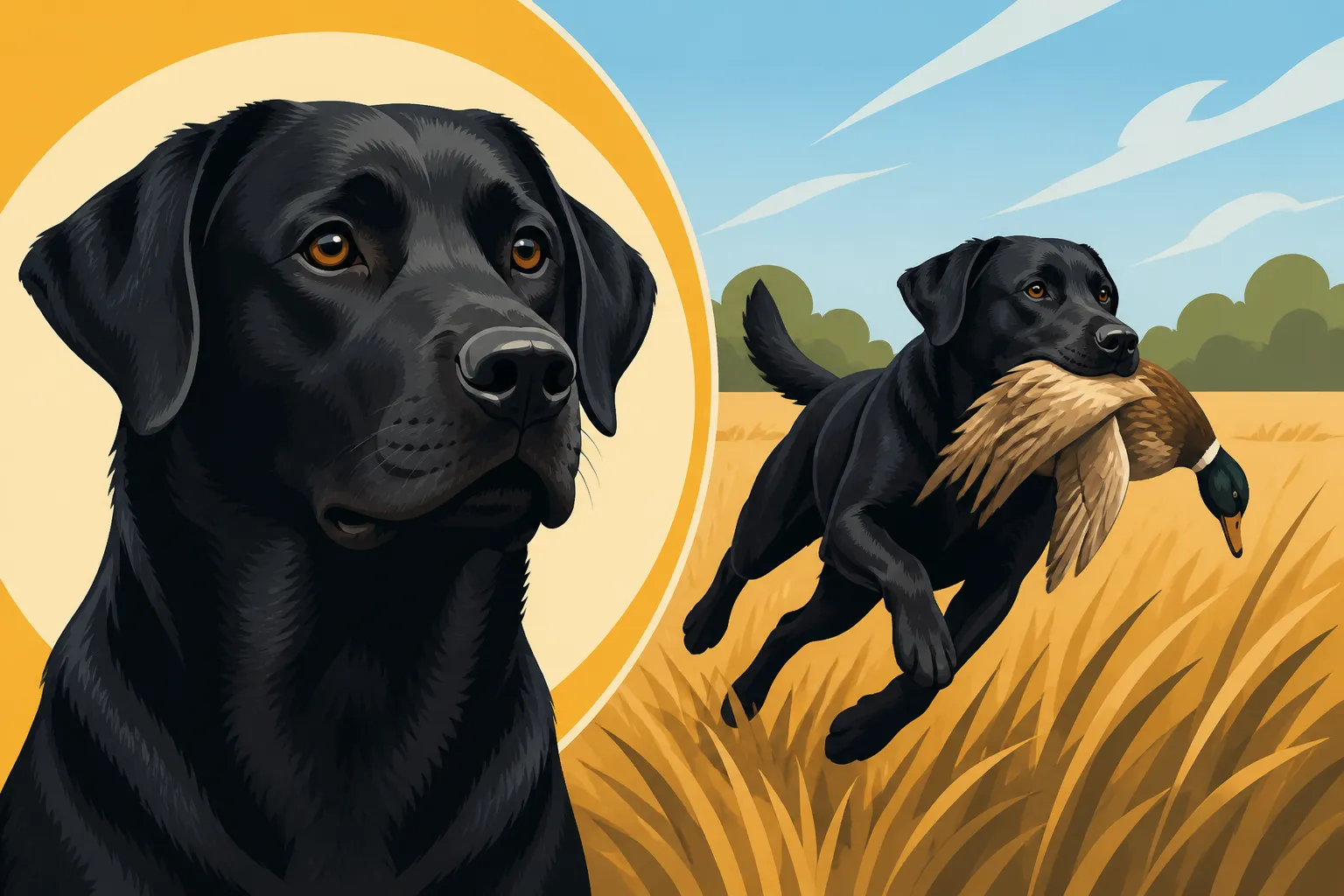
At its core, a field trial seeks to identify the best working retrievers – those with the intelligence, drive, and trainability to perform complex tasks under pressure. Judges are looking for dogs that can mark fallen birds (or bumpers, which simulate birds), remember their locations, and then retrieve them efficiently and without hesitation, often through challenging terrain and water. It's a test of an animal's natural instincts, honed by countless hours of dedicated training. These trials serve not only as a sport but also as a way to preserve and promote the true working qualities of the Labrador breed, ensuring that future generations maintain these vital traits.
Key Elements of a Field Trial Test
A typical field trial involves a series of "stakes" or tests, each designed to evaluate different aspects of a retriever's abilities. These often include:
- Marked Retrieves (Marks): This is where the dog sees a "bird" (often a canvas or plastic bumper) fall and must remember its location, then retrieve it on command. There can be single marks, where one bird falls, or multiple marks (doubles, triples), requiring the dog to remember several fall locations and retrieve them in a specific order, usually dictated by the handler. This tests the dog's marking ability and memory, two crucial traits for a gundog.
- Blind Retrieves (Blinds): Here, the dog is sent to retrieve a bird that it did not see fall. The handler must guide the dog using hand signals, whistles, and voice commands to a hidden location, often hundreds of yards away, through difficult cover or across water. This is a profound test of trust, obedience, and the dog's ability to take direction, even when its instincts might tell it otherwise. The precision and responsiveness required for blinds are truly remarkable and demonstrate the pinnacle of dog-handler communication.
- Diversions and Steadiness: Field trials often include distractions, like additional birds falling that the dog is not supposed to retrieve, or loud noises from blank pistols. The dog must remain "steady," meaning it waits patiently by the handler's side until given the specific command to retrieve. Breaking early from the line is a serious fault. This tests the dog's discipline and control in high-excitement situations.
It's a beautiful dance between innate talent and meticulous training, showcasing the Labrador's historical role as a steadfast companion to hunters.
The Intense Commitment: Training for Competitive Success
Let's be real: getting a Labrador ready for competitive field trials is not a weekend hobby. It's a full-time passion, a lifestyle, and a massive commitment of time, energy, and resources. Many owners might dream of seeing their dog shine, but the reality of the training schedule can be a rude awakening. This isn't just about teaching "sit" and "stay"; it's about conditioning an athlete, building an unbreakable mental bond, and drilling complex sequences until they become second nature under immense pressure.
The Daily Grind: Consistency is Key
Training for field trials is an ongoing process that begins in puppyhood and evolves through adolescence and adulthood. It requires daily, consistent effort, often for several hours a day. You'll likely spend early mornings or late evenings at a training ground, often in all weather conditions, practicing specific scenarios. This might mean setting up dozens of bumpers, navigating challenging terrains, and repeatedly working on commands like "back," "over," and "steady." It's incredibly rewarding when your dog nails a complex retrieve, but it's built on a foundation of repetitive, sometimes frustrating, work.
It's also not just physical training. Mental stimulation is just as important. Teaching a Labrador to think under pressure, to solve problems, and to maintain focus amidst distractions is paramount. You'll often find yourself trying to outsmart your intelligent Labrador, constantly upping the ante on challenges to keep them sharp. Short Training Sessions That Suit a Labrador can be incredibly effective in breaking down these complex skills into manageable chunks.
Finding the Right Mentorship and Resources
Very few people can successfully navigate the world of field trials alone. You'll need experienced mentors, a supportive training group, and access to the right facilities. This often means joining a local retriever club, attending workshops, and hiring professional trainers. These resources provide invaluable guidance, help you avoid common pitfalls, and offer the critical peer support that makes the journey bearable.
You'll also need specialized equipment. Think remote launchers for bumpers, different types of whistles, specialized training collars (used correctly and humanely), and plenty of high-quality training dummies. Sourcing these items often means looking to specialized pet supply retailers, and online stores like Chewy can be a convenient option for many of your everyday training necessities, from durable chew toys to performance dog food to keep your athlete fueled. The financial investment in training fees, travel to events, and equipment can be substantial, so it's wise to consider What a Labrador Costs Over Twelve Years before diving into this intensive sport.
Overcoming Training Obstacles
There will be days when your Labrador seems to forget everything you've taught them. There will be frustrating plateaus, moments of doubt, and the sheer exhaustion of trying to perfect a skill. Why Labrador Obedience Falls Apart at Adolescence is a very real phenomenon that trial handlers experience, and it requires even more patience and consistency. It’s during these times that your passion and dedication are truly tested. But pushing through these challenges, understanding your dog's unique learning style, and celebrating the small victories along the way is part of what makes the journey so profound. It’s a testament to the fact that Labradors truly thrive when given a job, and watching them work, even in training, is a joy.
What Makes a Labrador a Good Field Trial Candidate? Beyond Basic Instinct
Not every Labrador is destined for the field trial circuit, just as not every person is destined for professional athletics. While the breed as a whole possesses the inherent drive and intelligence, competitive success requires a very specific combination of temperament, physical attributes, and genetic predisposition. This isn't just about raw talent; it's about having the right mental makeup and a body built for the job.
The Role of Genetics and Pedigree
When selecting a Labrador for field trial potential, pedigree is paramount. Look for puppies from Field Line Labrador Traits, whose parents and grandparents have a proven track record in field trials, hunt tests, or as accomplished hunting dogs. These lines are specifically bred for intense drive, exceptional marking ability, intelligence, biddability (eagerness to please and trainability), and a strong "off switch" – the ability to settle and be calm when not working. A good breeder will be transparent about their dogs' working titles, health clearances, and the temperament of the sire and dam. Health Clearances a Labrador Breeder Must Show are crucial here, as a working dog needs a sound body free from hereditary issues like hip and elbow dysplasia.
Essential Temperamental Traits
Beyond genetics, certain temperament traits are non-negotiable for a field trial Labrador:
- Intense Drive: This is the engine. A successful field trial dog lives to retrieve. They possess an almost obsessive desire to find and bring back bumpers or birds, regardless of obstacles.
- Focus and Concentration: In the chaotic environment of a trial, with multiple birds falling, other dogs working, and handler commands, a dog must maintain unwavering focus on its task.
- Trainability and Biddability: Labradors are known for their eagerness to please, but a field trial dog takes this to another level. They must be highly responsive to commands, quick to learn, and resilient enough to handle corrections and pressure.
- Steadiness: The ability to remain perfectly still and quiet at the line, even as birds fall or guns fire, is critical. A dog that breaks early is disqualified. This is a learned skill but relies heavily on inherent calm and control.
- Courage and Confidence: Field trials often involve challenging retrieves through heavy cover, thick brush, or across deep, sometimes cold, water. A dog needs the confidence to tackle these obstacles without hesitation.
Consider your Labrador's innate personality. Do they have that spark, that relentless drive, that makes them want to work above all else? If your Labrador is more of a couch potato or easily distracted, field trials might not be their calling, and that's perfectly okay! There are many wonderful ways to enjoy a Labrador's companionship.
The Day of the Trial: Pressure, Performance, and the Thrill of Competition
Stepping onto the field trial grounds is an experience unlike any other. There's a palpable tension in the air, a mix of excitement and anxiety. Hours, months, even years of training culminate in these few critical moments. For both handler and dog, it's a test of nerves, communication, and honed ability.
The Logistics and Atmosphere
Trial days start early, often before dawn, with handlers arriving to check in, get their running order, and prepare their dogs. The atmosphere is professional, yet supportive; while everyone is competing, there's a strong sense of community among those who share this unique passion. You'll see dogs meticulously groomed and handlers with their game faces on, mentally rehearsing every whistle and hand signal.
The trials themselves take place over various fields and water bodies, often simulating different hunting scenarios. Judges, who are themselves experienced handlers and trainers, carefully observe every detail of a dog's performance – how they line up, how they mark, their willingness to take direction on blinds, their steadiness, and the speed and efficiency of their retrieve. Each element is scored, and even minor faults can be costly.
Navigating the Nerves and Unexpected Challenges
This is where the rubber meets the road. Even the most perfectly trained Labrador can have an "off" day, or an unexpected variable might crop up. A change in wind direction could make a mark harder to find. Another dog's scent might prove a distraction. The pressure on the handler is immense; one wrong whistle, one poorly timed command, and the whole test could unravel. Reading Pain in a Stoic Labrador can even be relevant here, as a dog pushing through a minor discomfort might not show obvious signs, but it could impact their performance.
The key for a handler is to stay calm, focused, and trust in the training. For the dog, it's about trusting its handler implicitly and executing the learned behaviors flawlessly. When a dog and handler team performs a complex triple mark flawlessly or nails a long, difficult blind retrieve, it's an incredible moment of shared accomplishment. The roar of applause from fellow competitors and the judges' nods of approval are truly exhilarating.
The Ultimate Payoff: Beyond Ribbons and Titles
While winning a ribbon or earning a coveted title like "Field Champion" is a massive achievement, many handlers will tell you the real reward isn't the hardware. It's the journey. It's the profound bond forged through countless hours of shared effort, the deep understanding that develops between you and your Labrador, and the satisfaction of seeing your dog fulfill its absolute potential.
Competitive field trials transform a natural retrieving instinct into an art form, a symphony of canine athleticism and human guidance. It’s a testament to the incredible capabilities of the Labrador Retriever and the dedication of the people who love them enough to unlock that potential. If you're considering this path, prepare for a challenging, rewarding, and utterly consuming adventure with your four-legged partner.
| Trial Element | Description | Key Skills Tested | Common Challenges |
|---|---|---|---|
| Marked Retrieve | Dog watches "birds" (bumpers) fall, remembers their locations, and retrieves them in a specified order. Can involve multiple falls (doubles, triples). | Marking ability, memory, steadiness, focus, natural retrieving drive. | Forgetting fall locations, taking the wrong bird, breaking early from the line. |
| Blind Retrieve | Dog is sent to retrieve a "bird" it did not see fall. Handler uses whistles and hand signals to guide the dog to the unseen location over land or water. | Obedience, trust in handler, directional control, ability to take a line. | Not taking handler's direction, searching instead of running a line, distractions. |
| Diversion/Steadiness | Additional "birds" may fall or guns fire while the dog is waiting or performing another retrieve. Dog must remain steady and ignore distractions until commanded. | Impulse control, discipline, focus on handler, ignoring external stimuli. | Breaking (running before commanded), being distracted by falling birds or sounds. |
| Water Retrieve | Any retrieve that requires the dog to enter and swim across a body of water, often with currents or obstacles. | Swimming ability, water confidence, drive to enter water, overcoming water hazards. | Hesitation to enter water, difficulty navigating currents, reluctance for cold water. |
| Upland Test | Simulates hunting in fields; dog must search for and flush game (or scented dummies), then retrieve. Less common in standard retriever field trials, more in hunt tests. | Scenting ability, quartering pattern, flushing instinct, steadiness to flush/shot. | Ranging too far, ignoring scent, not flushing confidently. |
The Broader Impact: Benefits Beyond the Ribbons
While the focus of field trials is undeniably on competition and performance, the journey itself brings a wealth of benefits that extend far beyond any ribbons or titles. The profound level of engagement, both physical and mental, that these activities demand from a Labrador is incredibly fulfilling for both dog and owner.
A Deeper Bond and Unparalleled Communication
The intense training required for field trials naturally leads to an incredibly deep bond between a Labrador and its handler. You learn to read your dog's subtle cues, anticipate their needs, and communicate with a precision that few other activities demand. This shared purpose and the reliance on each other build a level of trust and understanding that strengthens your relationship immensely. It's a partnership where both members are pushing each other to be their best. This deepened connection is one of the most frequently cited rewards by experienced trial handlers.
Channeling That Famous Labrador Energy
Labradors are known for their boundless energy and seemingly endless enthusiasm. For many owners, managing this high drive can be a challenge. Field trials provide an unparalleled outlet for this energy, engaging both their physical prowess and their keen minds. A Labrador that is regularly training for and participating in trials is a dog whose physical and mental needs are being met in a highly structured and stimulating way. This often translates into a more calm, focused, and well-behaved companion at home. It’s an ideal way of Channeling a Labrador's Retrieving Drive into a productive and rewarding activity. Regular, demanding exercise is key to their overall well-being.
Preserving the Working Heritage
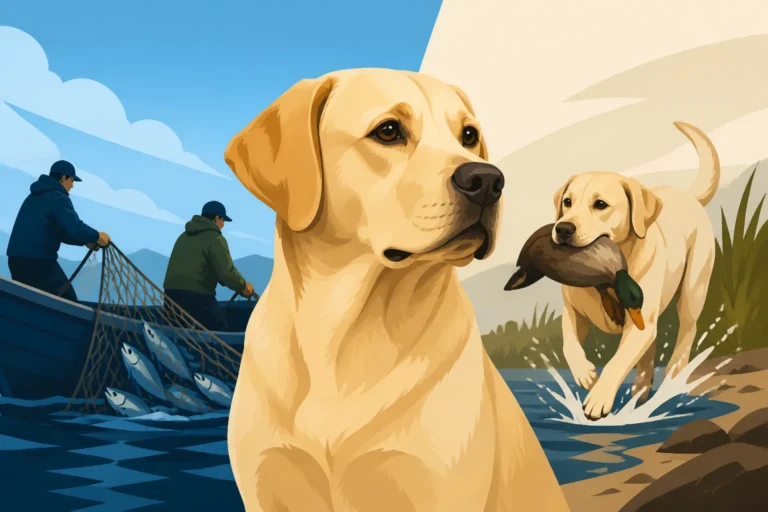
Participating in field trials is a direct contribution to preserving the historical working heritage of the Labrador Retriever. By actively training and competing, handlers are ensuring that the breed's innate intelligence, biddability, and retrieving instincts remain strong. It's a way of honoring the legacy of The St. John's Water Dog Behind the Labrador and the centuries of breeding that have made the Labrador the exceptional working dog it is today. When you see a Labrador excel in a field trial, you're witnessing the culmination of generations of carefully selected traits shining through.
Whether your Labrador becomes a champion or simply enjoys the rigorous training, the world of competitive field trials offers an extraordinary path for those seeking to unlock their Labrador's full potential and forge an unforgettable partnership.
Disclaimer
This article is for general informational purposes only and does not constitute professional advice. Laws, prices and regulations vary by location and change over time. Consult a qualified professional for guidance on your specific situation.