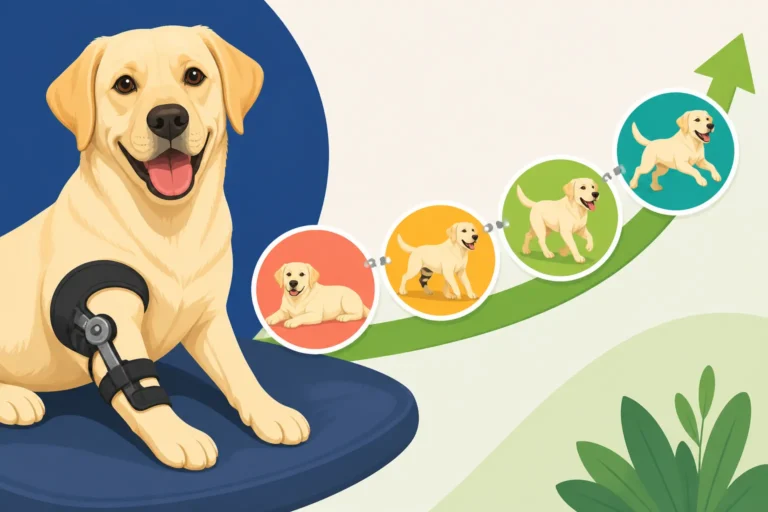
End-of-Life Care for a Labrador
Watching our beloved Labrador friends slow down and lose their spark is one of the hardest parts of sharing our lives with them. It's a journey filled with heartache, uncertainty, and often, a profound sense of helplessness as we wish we could ease their suffering. This comprehensive guide is here to walk you through the challenging but ultimately loving process of providing compassionate end-of-life care for your Labrador, from recognizing the subtle signs of decline to making peace with difficult decisions and honoring their memory.
Recognizing the Signs of Decline in Your Beloved Labrador
It's a cruel truth that our Labradors, with their boundless energy and seemingly invincible spirits, don't live forever. As they enter their senior years, typically around age 7-8 for Labradors, you might notice subtle shifts that indicate their health is declining. Because Labradors are often so stoic, hiding their pain as a survival instinct, it can be incredibly difficult to tell when something is truly amiss. This makes careful observation paramount.
Subtle Behavioral Changes to Watch For
Often, the first clues aren't physical, but rather changes in their personality or daily habits. Your once boisterous companion might become more withdrawn, less enthusiastic about playtime, or simply not themselves. It's not just about a dog getting old; it's about a dog whose underlying health issues are starting to impact their quality of life. For instance, a Labrador known for greeting you at the door with a wagging "otter tail" might now take longer to get up, or just offer a weak wag from their bed. They might stop jumping on the couch, not because they don't want to be with you, but because the effort causes them discomfort.
You might notice changes in their sleep patterns too. Are they sleeping much more than usual, even during the day? Or conversely, are they restless at night, pacing, or struggling to find a comfortable position? A Labrador who always loved their dinner might suddenly be finicky, or leave food in their bowl, which is a major red flag for this typically food-driven breed. Observe their interactions with family members, especially children or other pets. A formerly patient dog might show irritability or a decreased tolerance for being touched or approached, simply because they are hurting. If you're struggling to understand why your dog is acting differently, you might find insight in how to tell if you are "Reading Pain in a Stoic Labrador".
Physical Indicators of Declining Health
Beyond behavior, there are often physical signs that can alert you to a decline. These might seem like typical signs of aging, but when combined, they paint a clearer picture of your Labrador's overall health. One of the most common issues for senior Labradors is joint pain, leading to "Labrador Arthritis in Middle Age". You might see them struggling to stand up from a lying position, exhibiting stiffness, or showing a reluctance to climb stairs or jump into the car. Their gait might become more unsteady, perhaps with a slight limp or a sway in their hindquarters.
Weight loss, even if their appetite seems okay, can be a symptom of underlying metabolic issues, organ disease, or even cancer. Conversely, some senior Labradors might gain weight due to decreased activity, which can exacerbate joint problems and other health concerns. Pay attention to their coat quality – it might become duller, sparse, or even flaky, indicating nutritional deficiencies or systemic illness. Dental health is another major factor; poor teeth can cause pain and difficulty eating. Keep an eye out for changes in bathroom habits, such as increased frequency of urination, accidents in the house, or changes in stool consistency, as these can point to kidney disease, diabetes, or other serious conditions. Swelling in their abdomen or limbs, or any new lumps and bumps, should always be checked by a vet promptly.
Managing Pain and Discomfort in Senior Labradors
Once you recognize the signs of pain and discomfort, the next crucial step is to work with your veterinarian to manage it effectively. No one wants their loyal companion to suffer, and thankfully, there are many options available today to improve their quality of life. The goal isn't just to extend their life, but to ensure the days they have left are as comfortable and joyful as possible.
Veterinary Pain Management Options
Your vet is your most important partner in this journey. They can conduct a thorough examination, run diagnostic tests like blood work and X-rays, to pinpoint the source of your Labrador's discomfort. For common ailments like arthritis, non-steroidal anti-inflammatory drugs (NSAIDs) such as carprofen (Rimadyl), meloxicam (Metacam), or galliprant are frequently prescribed. These medications can significantly reduce pain and inflammation, helping your dog move more freely and enjoy their daily activities. However, long-term use requires regular monitoring of kidney and liver function through blood tests. Your vet might also suggest other pain medications, such as gabapentin for neuropathic pain, or amantadine for chronic pain.
More advanced options include injectables like Librela, a monoclonal antibody treatment specifically designed for osteoarthritis pain, which can offer monthly relief without the same organ risks as NSAIDs. Additionally, some veterinarians offer therapeutic laser treatments, acupuncture, or even stem cell therapy for joint issues. The cost of these treatments can add up, and this is where having pet insurance from a provider like Healthy Paws can really make a difference, allowing you to choose the best care without financial strain being the primary concern. Don't be afraid to discuss all available options and potential side effects with your vet. For more detailed information on easing their golden years, you might want to look into "Caring for a Senior Labrador".
Complementary Therapies and Home Comforts
Beyond pharmaceutical interventions, many complementary therapies and simple home adjustments can significantly improve your Labrador's comfort. Physical therapy, which can include hydrotherapy (swimming in a controlled environment), massage, and targeted exercises, can help maintain muscle mass, flexibility, and reduce joint stiffness. Many owners find success adding joint supplements that help a Labrador, such as glucosamine and chondroitin, MSM, or omega-3 fatty acids, though it's always best to discuss these with your vet to ensure appropriate dosing and avoid interactions with other medications.
At home, think about making their environment as comfortable as possible. Orthopedic dog beds provide crucial support for aching joints, cushioning pressure points and making it easier for them to rest. Raised food and water bowls can reduce neck strain, especially for dogs with cervical arthritis. Ensure they have non-slip surfaces wherever they walk, using rugs or runners on slippery floors to prevent falls. Gentle, regular exercise, tailored to their abilities, is still important to maintain mobility and mental well-being; short, flat walks or controlled swims can be beneficial. Learning how to manage Labrador Hip Dysplasia Without Surgery might also provide valuable insights if this is an issue your dog faces. Remember, even small changes can make a big difference in their daily comfort.
Creating a Comfortable Environment for Their Final Months
As your Labrador's health continues to decline, adapting your home environment becomes essential. The goal is to minimize their physical exertion, maximize their safety, and maintain their sense of security and belonging. This isn't about making them feel "sick," but rather acknowledging their changing needs and supporting them with love and practicality.
Adapting Your Home for Mobility Challenges
One of the biggest hurdles for an aging Labrador is mobility. Getting up, moving around, and navigating stairs can become painful or even impossible. Start by assessing your home for potential hazards. Slippery floors are a major concern; consider placing non-slip rugs or carpet runners in high-traffic areas, especially where your dog eats, sleeps, and accesses the outdoors. If your Labrador struggles with stairs, "When a Labrador Stops Climbing the Stairs" could be a sign you need to restrict access or invest in ramps. Pet ramps or stairs can be invaluable for accessing furniture, cars, or even short sets of outdoor steps. There are many options available, from portable car ramps to sturdy indoor models.
Think about their access to food and water. If they have difficulty standing for long periods, raised bowls can prevent them from having to bend down too far. Ensure their bed is easily accessible and offers ample support; a good orthopedic bed can relieve pressure on joints and promote better sleep. If your Labrador struggles to get up on their own, a lifting harness or sling can provide much-needed assistance, allowing you to help them move without putting strain on your back or their sensitive joints. These tools can allow them to continue enjoying short walks or trips outside even when their legs aren't as strong as they once were. For more ideas on how to help, explore "Ramps and Mobility Aids for an Old Labrador".
Maintaining Routine and Mental Stimulation
While physical changes are evident, maintaining a sense of normalcy and providing mental stimulation is just as vital for a senior Labrador's emotional well-being. Labradors thrive on routine, and keeping their feeding times, potty breaks, and rest periods consistent can reduce anxiety and confusion. Even if their walks are shorter, the simple act of going outside to sniff around can be incredibly enriching. A change of scenery, even if it's just a slow stroll around the block, can do wonders for their spirits.
Mental exercise is crucial when physical exercise becomes limited. Continue to engage them with puzzle toys, slow feeder bowls, or gentle scent games indoors. Hiding treats around the house for them to sniff out can provide a low-impact activity that taps into their natural retrieving instincts. Grooming sessions can also be a wonderful bonding experience and provide tactile stimulation, while also allowing you to check for any new lumps or skin issues. Remember, your Labrador still wants to feel like an integral part of the family. Simply spending quiet time together, offering gentle pets and reassurance, can provide immense comfort during their twilight months.
Navigating the Emotional Journey of Anticipatory Grief
One of the most challenging aspects of caring for an aging Labrador is the emotional toll it takes on us, their human companions. We often experience what's known as "anticipatory grief" – the profound sadness and mourning we feel even before our pet passes away. This type of grief is normal and valid, yet it's often overlooked or misunderstood.
Coping with Anticipatory Grief
Anticipatory grief manifests in many ways: sadness, anxiety, guilt, anger, and even denial. You might find yourself crying unexpectedly, struggling to make decisions, or feeling overwhelmed by the impending loss. It's perfectly normal to feel this way; you are preparing to say goodbye to a beloved family member who has been a constant source of joy and companionship. Acknowledging these feelings is the first step toward coping. Don't suppress your emotions or feel guilty for grieving a future loss. Allow yourself to feel the sadness, the fear, and the love.
Talking to trusted friends, family members, or a pet loss support group can provide immense comfort and validation. Sharing your feelings with others who understand can alleviate the sense of isolation. Journaling can also be a powerful tool to process your emotions. Focus on cherishing the present moments with your Labrador. Take photos, record videos, and simply sit with them, soaking in their presence. These memories will become invaluable treasures. Remember, this profound grief is a testament to the deep bond you share, and that love is worth every tear.
Involving Family Members, Especially Children
The impending loss of a family pet affects everyone in the household, and it's particularly important to involve children in an age-appropriate way. Children form deep bonds with pets, and their grief can be just as intense, if not more confusing, than an adult's. Open and honest communication is key. Explain what is happening in simple terms, using phrases like "our Labrador's body is getting very tired" or "they are not feeling well anymore and won't get better." Avoid euphemisms like "went to sleep" or "went away," as these can cause confusion, fear, or resentment.
Allow children to express their feelings and ask questions, no matter how difficult. Validate their sadness and reassure them that it's okay to cry. Involve them in comforting your Labrador, perhaps by helping with gentle brushing or offering a favorite treat. Creating a memory box together, filling it with photos, a paw print, or a lock of fur, can be a therapeutic activity that helps them process their feelings. Remember, this experience can also be a valuable lesson in compassion, empathy, and the natural cycle of life. Many resources are available to help families talk about pet loss, and utilizing them can make the process less isolating for everyone involved.
Making the Difficult Decision: When Is It Time?
This is, without a doubt, the most agonizing question any pet owner faces. Deciding when to say goodbye to a Labrador is an incredibly personal and painful choice, born out of deep love and a desire to prevent further suffering. There's no single right answer, and it rarely feels "right" at all, but rather a profound act of compassion.
Quality of Life Assessments
The concept of "quality of life" is central to this decision. Your veterinarian can help you objectively assess your Labrador's condition using various tools and discussions. A common framework is the HHHHHMM scale, which stands for Hurt, Hunger, Hydration, Hygiene, Happiness, Mobility, and "More Good Days Than Bad."
| Category | Signs of Good Quality of Life | Signs of Poor Quality of Life |
|---|---|---|
| Hurt (Pain) | Comfortable, responsive to pain medication, can rest easily. | Uncontrolled pain, vocalization, restlessness, panting, struggling. |
| Hunger | Eating well, shows interest in food/treats, maintains weight. | Refuses food, struggles to eat, significant weight loss, nausea. |
| Hydration | Drinking adequately, moist gums, not dehydrated. | Dehydrated, lethargic, dry gums, unwilling to drink. |
| Hygiene | Clean, able to move to eliminate, minimal accidents. | Incontinence, soiled fur, unable to self-clean, discomfort from waste. |
| Happiness | Engaged, enjoys interaction, finds joy in favorite activities (even modified). | Withdrawn, uninterested, no longer finds joy, anxious, depressed. |
| Mobility | Can move comfortably with assistance, able to go outside. | Unable to stand/walk, frequent falls, struggles immensely to move. |
| More Good Days Than Bad | Enjoying the majority of their days, positive interactions. | More bad days filled with pain, discomfort, or distress. |
Regularly evaluating these aspects can help you track your Labrador's decline and determine if their bad days are truly outweighing the good. It’s important to be honest with yourself and to rely on your vet's professional assessment. They see many aging animals and can offer an objective perspective on your dog’s prognosis and options. This process helps you objectively determine "Deciding When to Say Goodbye to a Labrador".
Discussing Euthanasia with Your Veterinarian
This conversation is never easy, but it is one of the most loving discussions you can have. Your veterinarian can explain the euthanasia process in detail, answering all your questions and addressing your concerns. They can help you understand the humane process, which typically involves two injections: a sedative to relax your Labrador, followed by an overdose of an anesthetic that gently stops their heart. You'll want to discuss where the euthanasia will take place – at the clinic, or if possible, a peaceful in-home visit where your Labrador can be surrounded by familiar comforts. Many clinics, recognizing the emotional burden, offer special times or quiet rooms for this procedure.
Don't hesitate to ask about what to expect, who can be present, and what happens afterward. It's okay to cry, to feel heartbroken, and to need support. Your vet understands this deeply. This difficult decision, when made with care and compassion, is the ultimate act of love, freeing your friend from suffering when their quality of life can no longer be maintained. While it's a painful topic, understanding the process can bring a small measure of peace during an incredibly stressful time. Discussing "Labrador Euthanasia and Cremation Costs" upfront can help alleviate some practical worries during an emotionally charged moment.
Supporting Your Labrador's Final Days at Home or with Veterinary Care
Once the decision is made, or even if you're still considering options, the focus shifts to ensuring your Labrador's final days are as peaceful and loving as possible. Whether you opt for a hospice approach at home or need to say goodbye sooner, your presence and comfort are what matter most.
In-Home Hospice Care
For some Labradors, and with veterinary guidance, a period of in-home hospice care can provide immense comfort and a gentle transition. This involves managing their pain, maintaining hydration and nutrition, and ensuring they are clean and comfortable in their familiar surroundings. Your vet may prescribe medications for pain, anti-nausea drugs, or appetite stimulants. They can also teach you how to administer subcutaneous fluids at home if your Labrador is struggling with hydration. This allows you to care for them directly, offering constant companionship and reassurance.
"Hospice Care for a Labrador at Home" focuses on keeping them free from pain, warm, and surrounded by loved ones. You might spend extra time cuddling on the couch, offering their favorite soft blanket, or providing special treats they can still enjoy. The goal is to maximize their comfort and minimize stress, allowing them to feel safe and cherished until the very end. This period, though emotionally taxing, can be a precious time for final bonding and saying heartfelt goodbyes in a calm environment. It also allows families to prepare emotionally for the inevitable.
Understanding the Euthanasia Process
Knowing what to expect during euthanasia can help ease some anxiety for you and your Labrador. If done at the clinic, many vets offer a quiet, private room. If an in-home euthanasia is chosen, your dog remains in their most comfortable space. Typically, your vet will administer a mild sedative first, often via injection, to help your Labrador relax and feel no anxiety or pain. They will slowly drift into a peaceful sleep. This stage is crucial, as it ensures the next step is painless and serene. You can hold them, stroke their fur, and talk to them as they fall asleep, reassuring them with your presence.
Once they are deeply sedated, the veterinarian will administer the final injection, which is a concentrated anesthetic. This medication works very quickly and painlessly, causing their breathing and heart to stop within moments. During this time, your vet will monitor their vitals and confirm when their heart has stopped. It's common for an animal's body to have a few involuntary twitches or breaths after passing; these are reflexes and not signs of discomfort. Your vet will explain this beforehand. The entire process is designed to be as gentle and peaceful as possible, giving your beloved companion a pain-free release. The emotional support from your vet and clinic staff can be invaluable during these moments.
Aftercare Options and Memorialization
After your Labrador has passed, you'll need to consider aftercare options. Most veterinary clinics offer choices for cremation – either communal cremation, where your dog is cremated with other pets and their ashes spread, or private cremation, where your Labrador is cremated alone and their ashes returned to you. Some owners choose burial, either at a pet cemetery or on their own property, where permitted by local regulations.
Many people find comfort in creating lasting memorials. This could be a paw print impression, a lock of fur, a framed photograph, or a special piece of jewelry. Planting a tree or a garden in their memory can be a beautiful way to honor their life. Pet loss support groups or online communities can also provide ongoing comfort as you navigate your grief. Remember, the bond you shared doesn't end with their passing. Their love and presence will remain a cherished part of your life forever. Even though the heartache is profound, there are resources to help with "End-of-Life Costs for a Labrador Retriever" and support you through this difficult journey. Insurance plans from providers like Healthy Paws often include coverage for end-of-life care and cremation, helping ease the financial burden during an already emotional time.
Disclaimer
The information provided in this article is for general informational purposes only and is not intended as a substitute for professional veterinary advice. Always consult with a qualified veterinarian for any health concerns or before making any decisions about your Labrador's care, especially regarding pain management or end-of-life options.