Labrador Puppy Health in the First Year
Bringing a new Labrador puppy home is an exhilarating experience, filled with boundless joy, playful nips, and endless snuggles. But let's be real, it's also a whirlwind of new responsibilities, and for many new owners, the health of their little furball is a constant source of worry. From those first vet visits to understanding vaccination schedules and recognizing when something just isn't right, navigating your Labrador puppy's first year can feel overwhelming. This comprehensive guide is here to walk you through the essential health milestones, common concerns, and crucial preventive care to ensure your beloved pup thrives during this vital developmental stage.
Bringing Your New Labrador Puppy Home: The First Vet Visit
The moment your Labrador puppy crosses the threshold into your home, a new chapter begins, not just for them, but for you too. One of the absolute first things on your to-do list, even before you've fully settled on a name, should be scheduling that initial vet check-up. This isn't just a formality; it's a critical step in establishing a baseline for your pup's health and setting the stage for a lifetime of wellness. Many breeders will include a clause in their contract requiring this vet visit within a few days of bringing your puppy home, and for good reason. It provides peace of mind, or flags any immediate concerns that need addressing.
What to Expect at the Initial Check-Up
When you arrive at the vet with your wiggly bundle of joy, they'll likely start with a thorough physical examination. This is often referred to as "The First Vet Visit for a Labrador Puppy" and covers everything from nose to tail. The veterinarian will check their eyes, ears, nose, and mouth, looking for any signs of infection, abnormalities, or retained puppy teeth. They'll listen to their heart and lungs, palpate their abdomen to check for tenderness or unusual masses, and examine their coat and skin for fleas, ticks, or skin irritations. Don't be surprised if they also get a rectal temperature reading – it's a routine part of checking overall health!
The vet will also assess your puppy's general condition, including their body weight and hydration status. They'll typically request a stool sample to check for intestinal parasites, which are very common in puppies even if they've been dewormed by the breeder. This initial visit is also where the vet will review any previous vaccination records or deworming history provided by the breeder. They'll discuss a recommended schedule for follow-up vaccinations, often including distemper, parvovirus, adenovirus, and parainfluenza, and potentially leptospirosis, Lyme disease, and kennel cough depending on your location and your Labrador’s lifestyle. This is also the perfect time to bring up any concerns you might have noticed since bringing your puppy home, no matter how small they seem.
Essential Questions for Your Veterinarian
It's easy to get caught up in the excitement and forget to ask crucial questions, so it’s a good idea to write them down beforehand. Beyond the immediate health checks, you'll want to discuss a proper feeding plan, specifically Why Large Breed Formula Matters for a Labrador, to ensure healthy growth without putting undue stress on developing joints. Ask about the appropriate amount of food to feed, and how often. Inquire about exercise guidelines for a growing puppy, as too much strenuous activity too soon can be detrimental.
Don't shy away from asking about parasite prevention for your specific region, including heartworm, flea, and tick medications. Also, discuss the ideal timing for spaying or neutering your Labrador, as recent research has brought a lot of nuance to this decision, especially for larger breeds. You might also ask about the signs of common puppy illnesses, so you know what to look out for in between visits. For instance, what does a normal puppy stool look like versus something that requires immediate attention? Your vet is your best resource, so leverage their expertise!
Setting Up a Health Record System
With all the information coming your way, it’s incredibly helpful to create a dedicated health record system for your Labrador puppy. This can be a simple folder where you keep vaccination certificates, deworming records, receipts, and any notes from vet visits. Many veterinary clinics use online portals or apps now, which can simplify access to records. Regardless of the format, having these details organized means you'll always have vital information at your fingertips, whether it's for future vet appointments, a dog sitter, or in case of an emergency. This also helps you track things like weight gain, medication schedules, and even subtle changes in behavior or appetite. A well-maintained record is a cornerstone of proactive health management for your growing pup.
Vaccination and Parasite Protection: Building Immunity
One of the most critical aspects of keeping your Labrador puppy healthy during their first year is establishing a robust immunity against common diseases and protecting them from internal and external parasites. This involves a carefully planned schedule of vaccinations and ongoing preventive treatments. Skipping these steps, or delaying them, leaves your vulnerable puppy open to serious, and often life-threatening, conditions. It’s an investment in their future health that pays dividends.
Understanding the Puppy Vaccination Schedule
The core vaccines for puppies protect against distemper, parvovirus, adenovirus (hepatitis), and parainfluenza virus. These are typically given in a series of shots, starting around 6-8 weeks of age, with boosters every 3-4 weeks until the puppy is 16 weeks old or older. This staggered approach ensures that the puppy's immune system, which is initially protected by maternal antibodies, develops its own strong response. It's often referred to as the "Labrador Puppy Vaccination Schedule."
Rabies vaccination is generally given as a single shot around 12-16 weeks of age, depending on local regulations, and is legally required in most places. Beyond these core vaccines, your vet might recommend non-core vaccines based on your Labrador's risk factors and geographic location. These can include Leptospirosis (Lepto), which is prevalent in areas with wildlife and standing water, and Lyme disease if you live in a tick-heavy region. Kennel Cough (Bordetella) is another common non-core vaccine, highly recommended if your pup will be attending puppy classes, boarding, or visiting dog parks. Discuss these options thoroughly with your vet to tailor the best protection for your individual pup.
| Age of Puppy | Core Vaccines (DHPP) | Non-Core (Based on Risk) | Other Prevention |
|---|---|---|---|
| 6-8 Weeks | DHPP (Distemper, Hepatitis, Parvovirus, Parainfluenza) | – | First deworming treatment |
| 9-11 Weeks | DHPP Booster | Lepto, Lyme, Bordetella (initial) | Second deworming treatment |
| 12-14 Weeks | DHPP Booster | Lepto, Lyme, Bordetella (booster) | Third deworming treatment, Rabies |
| 15-16 Weeks | DHPP Final Booster | Lepto, Lyme (final booster) | Start monthly heartworm, flea/tick |
| 1 Year | Rabies Booster, DHPP Booster | Lepto, Lyme, Bordetella Boosters | Continue monthly prevention |
Comprehensive Parasite Control: Worms, Fleas, and Ticks
Puppies are highly susceptible to intestinal parasites like roundworms, hookworms, whipworms, and tapeworms. Most puppies are born with roundworms or acquire them through their mother's milk, which is why breeders usually deworm them. However, it’s rarely a one-and-done deal. Your vet will recommend a series of deworming treatments throughout the first few months, often coinciding with vaccine visits. Regular stool sample checks are also vital to ensure these internal invaders are eradicated.
External parasites are another major concern. Fleas and ticks aren't just annoying; they can cause skin irritations, transmit diseases like Lyme disease (which can be a concern for Labradors given their outdoor tendencies), and even lead to anemia in severe infestations. There’s a wide range of preventive products available, from topical spot-ons to oral chewables. Your vet can help you choose the best option for your Labrador based on their lifestyle and your local parasite prevalence. This isn't something to overlook, as a comfortable, itch-free puppy is a happy, healthy puppy.
The Importance of Heartworm Prevention
Heartworms are a serious and potentially fatal parasitic disease transmitted by mosquitoes. The worms live in the heart, lungs, and associated blood vessels of affected pets, causing severe lung disease, heart failure, and damage to other organs. Thankfully, prevention is incredibly effective and easy. Monthly heartworm medication, often combined with intestinal parasite control or flea/tick prevention, is prescribed by your vet and given throughout your dog's life.
It's crucial to start heartworm prevention early in your Labrador puppy's life, usually around 8-12 weeks of age, and continue it year-round. This is not a medication you want to skip, even if you live in a colder climate where mosquitoes seem less prevalent, as a single mosquito bite can transmit the disease. The cost and stress of treating a heartworm infection far outweigh the relatively low cost and ease of prevention. Think of it as a vital health shield for your energetic pup.
Nutrition and Growth: Fueling a Healthy Foundation
Just like with human babies, a Labrador puppy's rapid growth during their first year means that proper nutrition is absolutely fundamental to their long-term health. What you put into their bowl now directly impacts their bone development, joint health, and overall well-being as an adult. Many of the common orthopedic issues seen in Labradors, like hip and elbow dysplasia, can be exacerbated by improper feeding during puppyhood. This isn't just about avoiding a chubby puppy; it's about providing a balanced diet that supports controlled growth.
Choosing the Right Large Breed Puppy Food
When it comes to feeding your Labrador puppy, one of the most important choices you'll make is the type of food. For large breeds like Labradors, a specialized large breed puppy formula is not just a marketing gimmick; it's a nutritional necessity. These foods are specifically formulated to support controlled growth, which means they have a carefully balanced calcium-to-phosphorus ratio and a slightly lower calorie density compared to regular puppy foods. This helps prevent puppies from growing too quickly, which can put undue stress on their developing joints and cartilage.
Look for a food from a reputable brand that meets the nutritional levels established by the AAFCO (Association of American Feed Control Officials) for "growth of large size dogs." Brands like Purina Pro Plan, Royal Canin, and Eukanuba often have excellent large breed puppy formulas that vets recommend. It's a good idea to discuss your chosen food with your vet, especially during the initial check-up, to ensure it’s appropriate for your pup’s individual needs. They can also advise on specific dietary requirements if your puppy shows any signs of sensitivities or allergies.
Managing Growth Rates and Portion Control
Labrador puppies are naturally voracious eaters, and it’s tempting to overfeed them when you see those pleading puppy eyes. However, managing their growth rate is paramount. Overfeeding, even with a large breed formula, can lead to accelerated growth and excess weight, both of which increase the risk of developing or worsening orthopedic problems such as Labrador Hip and Elbow Dysplasia. Instead of free-feeding, which is where food is left out all day, it's best to feed measured meals at scheduled times.
Use a kitchen scale to accurately measure your puppy’s food portions, rather than relying solely on measuring cups, as cup measurements can be surprisingly inaccurate. Follow the feeding guidelines on the dog food bag as a starting point, but always adjust based on your puppy's individual growth rate, activity level, and body condition. Your vet will help you assess your puppy's body condition score at each visit, ensuring they're growing at a healthy pace, not too fast and not too thin. Remember, a slightly lean puppy is generally a healthier puppy in the long run.
The Dangers of Overfeeding and Rapid Growth
It might seem counterintuitive to restrict food for a growing puppy, but the science is clear: rapid growth due to overfeeding is a significant risk factor for developmental orthopedic diseases in large breeds. When a puppy grows too fast, their bones and joints simply can't keep up with the rate of weight gain and skeletal elongation. This can lead to conditions like osteochondritis dissecans (OCD), panosteitis (growing pains), and exacerbation of genetic predispositions to hip and elbow dysplasia.
Beyond joint issues, overfeeding also contributes to Why Labradors Gain Weight So Easily throughout their lives. Establishing good eating habits from puppyhood, including portion control and meal feeding, helps set your Labrador up for a healthy weight and longer lifespan. Avoid giving too many high-calorie treats; instead, use small pieces of their kibble from their daily ration for training rewards. It might feel like you're denying them, but you're actually protecting their fragile, rapidly developing bodies.
Common Puppy Ailments and How to Spot Them
Despite your best efforts with preventive care, puppies, like human children, can still fall ill or experience minor health issues. Knowing what to look for and when to seek veterinary attention can make all the difference. Early detection and intervention are key to resolving problems quickly and preventing them from becoming more serious. It's a learning curve for every new owner, but with a keen eye and a bit of knowledge, you can become adept at recognizing when your Labrador puppy needs help.
Digestive Upsets: Diarrhea and Vomiting
Diarrhea and vomiting are incredibly common in puppies. Their digestive systems are still developing, and they're prone to eating things they shouldn't, stress from new environments, or changes in diet. A single episode of soft stool or vomit might not be a major concern, but prolonged or severe episodes, especially if accompanied by lethargy, loss of appetite, or abdominal pain, warrant immediate veterinary attention. Puppies can become dehydrated very quickly, which can be life-threatening.
Common causes include intestinal parasites (as discussed earlier), dietary indiscretion (eating something off the floor or too many rich treats), sudden food changes, bacterial infections, or viral infections like parvovirus. Parvovirus is particularly dangerous and contagious, which is why vaccinations are so important. If your puppy has persistent diarrhea (especially with blood or mucus), frequent vomiting, or seems generally unwell, don’t hesitate to call your vet. They might recommend bland food, probiotics, or specific medications, but often, the most important thing is to ensure hydration and rule out serious underlying causes.
Musculoskeletal Concerns: Limping and Growing Pains
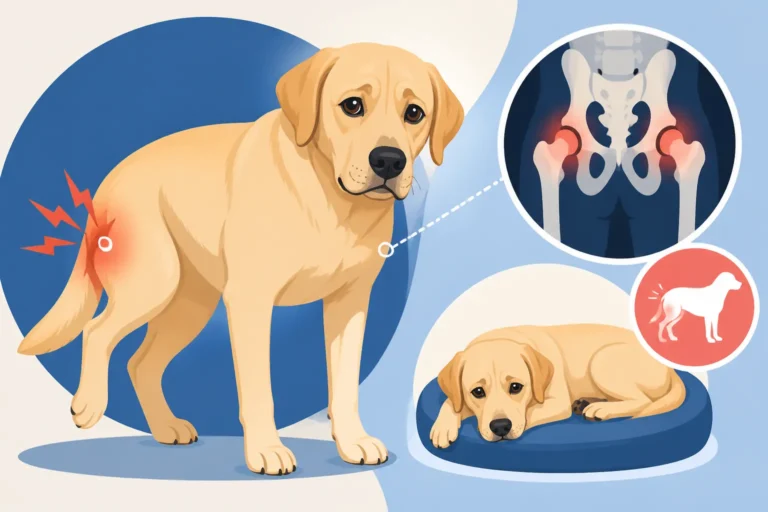
Seeing your active Labrador puppy limp or seem stiff can be alarming. Puppies are clumsy and prone to minor sprains or bumps from enthusiastic play. However, a persistent limp, lameness, or reluctance to bear weight should always be investigated by a vet. For large breeds like Labradors, certain developmental orthopedic conditions can manifest during puppyhood. One common condition is Panosteitis in a Growing Labrador, often referred to as "growing pains." This is an inflammation of the long bones, which can cause shifting lameness, meaning the limp might move from one leg to another. While often self-resolving, it can be painful and requires vet diagnosis to rule out other issues.
More serious concerns include early signs of hip or elbow dysplasia, which are genetic conditions, but environmental factors like rapid growth and excessive, high-impact exercise can exacerbate them. If your puppy consistently limps after exercise, has difficulty getting up, or shows an unusual gait, it’s critical to get a veterinary evaluation. Early diagnosis allows for management strategies, which could include anti-inflammatory medication, controlled exercise, or even surgical intervention in severe cases. This is where proactive care and a good relationship with your vet are truly invaluable.
Skin and Ear Troubles: Itchiness and Infections
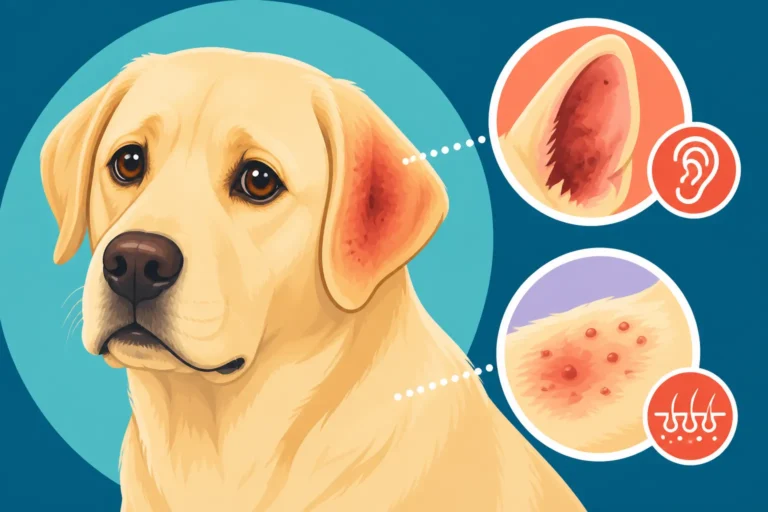
Labradors, with their dense double coats and floppy ears, can be prone to certain skin and ear issues. Puppies might develop minor skin irritations or hot spots, often due to flea bites, allergies, or excessive licking. If your puppy is constantly scratching, chewing at their paws, or has red, inflamed patches of skin, it's time for a vet visit. Early diagnosis can prevent a minor irritation from escalating into a full-blown skin infection.
Ear infections are also quite common in Labradors, especially if they enjoy swimming or if their ears aren't kept clean and dry. "Labrador Ear Infections and Swimming" are often linked, as moisture creates a perfect breeding ground for bacteria and yeast. Signs of an ear infection include excessive head shaking, scratching at the ears, redness or swelling inside the ear canal, a foul odor, or a dark discharge. Never try to treat an ear infection yourself with home remedies; always consult your vet. They can properly diagnose the type of infection and prescribe appropriate ear drops or oral medication. Regular ear cleaning with a vet-approved solution can help prevent these issues.
Recognizing Other Red Flags
Beyond the more common issues, there are several other "red flags" to be aware of in your Labrador puppy's first year. Persistent coughing, sneezing, or nasal discharge could indicate a respiratory infection like kennel cough or even something more serious. Eye discharge, redness, squinting, or cloudiness could signal an eye infection or another eye condition. Swelling of the face or hives might point to an allergic reaction, which can sometimes be severe enough to cause breathing difficulties.
Any change in behavior, such as sudden lethargy, hiding, reluctance to play, or aggression, could also be a sign of underlying pain or illness. Puppies are usually very resilient, but if your gut tells you something is off, trust it. It’s always better to err on the side of caution and have your vet check out your pup. A quick visit for a minor issue is far better than waiting until a serious problem has progressed.
Preventive Care Beyond the Basics: Early Spay/Neuter & Genetic Screening
While vaccinations and good nutrition form the bedrock of puppy health, there are other significant decisions you'll make in your Labrador's first year that have long-term health implications. These include the timing of spay or neuter surgery and considering genetic health screening, even if your pup came from health-tested parents. These choices are nuanced and require careful consideration of both benefits and potential risks.
The Spay/Neuter Dilemma: Timing and Health Implications
The decision of "When to Spay or Neuter a Labrador" has become a topic of extensive discussion among veterinarians and owners. Historically, early spay/neuter (around 6 months) was standard practice. However, research, particularly in large breeds, suggests that waiting until a Labrador is more mature and their growth plates have closed may offer some orthopedic and long-term health benefits. This is because sex hormones play a role in bone development and growth plate closure.
Potential benefits of waiting include a lower risk of certain orthopedic conditions like cruciate ligament tears and possibly hip and elbow dysplasia, as well as a reduced incidence of some cancers. On the flip side, early spay/neuter eliminates the risk of mammary tumors (in females) and testicular cancer (in males) and prevents accidental pregnancies. Discuss this complex topic thoroughly with your veterinarian, considering your Labrador's specific health, temperament, and lifestyle. There is no one-size-fits-all answer, and your vet can help you weigh the pros and cons for your individual dog.
Understanding Genetic Health Panels
Even if you acquired your Labrador puppy from a reputable breeder who performed health clearances on the parents, understanding genetic health panels is still valuable. While good breeding practices significantly reduce the risk of inherited diseases, no genetic line is entirely immune. A genetic health panel for your individual puppy can screen for common conditions in Labradors, such as progressive retinal atrophy (PRA), exercise-induced collapse (EIC), centronuclear myopathy (CNM), and hereditary nasal parakeratosis (HNPK).
These panels typically involve a simple cheek swab or blood test. Knowing your puppy's genetic status can help you and your vet monitor for specific conditions, implement preventive strategies if applicable, or simply prepare for potential health challenges down the road. For example, if your dog tests positive as a carrier for EIC, you’ll be more aware of the signs and triggers, even if they never experience a full collapse episode. This proactive approach gives you valuable information for the lifespan of your dog, providing peace of mind and informed care. The article on "Genetic Panels Worth Running on a Labrador" offers more detail on these tests.
Early Steps for Joint Health
Given the Labrador’s predisposition to joint issues, taking early steps to support joint health is crucial. Beyond proper nutrition and controlled growth, mindful exercise is key. Avoid high-impact activities like jumping off tall objects, excessive running on hard surfaces, or long, strenuous jogs during their growth phase. Instead, focus on moderate, controlled exercise like walks, swimming, and short play sessions on soft surfaces.
Maintaining a lean body condition is perhaps the most impactful step you can take. Every extra pound your puppy carries puts additional stress on their developing joints. Regularly checking your Labrador’s body condition, ensuring you can feel their ribs easily without seeing them, is more important than their absolute weight number. Supplementation with joint-supporting nutrients like glucosamine and chondroitin is another consideration, but always discuss this with your vet first to ensure it's appropriate and given at the correct dosage for a growing puppy.
Emergency Preparedness and Unexpected Costs
The first year of a Labrador puppy's life, while incredibly rewarding, can also come with unexpected challenges, particularly when it comes to health. From sudden illnesses to accidental injuries, veterinary emergencies can arise without warning and often come with significant costs. Being prepared for these eventualities is not about being a pessimist; it's about being a responsible and loving pet parent who wants the best for their furry family member.
Building Your Labrador's Emergency Fund
One of the most practical ways to prepare for unexpected vet bills is to start building an emergency fund specifically for your Labrador. Just like you might have a rainy-day fund for your own unexpected expenses, a dedicated fund for your pet can alleviate immense financial stress during a crisis. Even minor issues can quickly add up, and a major surgery or extensive treatment can run into thousands of dollars.
Setting aside a small amount each month, perhaps into a separate savings account, can quickly accumulate into a substantial safety net. Think about what a typical emergency vet visit might cost, or even a basic X-ray, and aim to save at least that much. Having these funds readily available means you can focus on your Labrador's care rather than worrying about how to pay for it. For more guidance on this, consider reading "Setting Up an Emergency Fund for a Labrador."
Considering Pet Insurance for Peace of Mind
For many Labrador owners, pet insurance offers a valuable alternative or complement to an emergency fund, providing peace of mind during their pup's first year and beyond. Pet insurance works similarly to human health insurance, where you pay a monthly premium, and in return, the policy covers a percentage of eligible veterinary expenses after you meet a deductible. Providers like Healthy Paws offer comprehensive accident and illness plans that can be incredibly helpful for puppies who are prone to, well, being puppies!
When choosing a policy, pay close attention to the deductible, reimbursement percentage, and annual limits. It's also crucial to understand what is covered and, more importantly, what isn't. Many policies have waiting periods before coverage begins, and pre-existing conditions are typically excluded. This is why it's so important to enroll your Labrador puppy as early as possible – ideally before any health issues arise – to maximize coverage throughout their life. The cost of pet insurance for a Labrador can vary, but it's a worthwhile investment, especially for a breed known for its energy and potential for orthopedic issues later in life. Healthy Paws is one provider that many pet parents choose for their transparency and coverage options, which can really soften the blow of those big vet bills.
Recognizing a Veterinary Emergency
Knowing when to rush to the emergency vet versus when something can wait for a regular appointment is critical. Some signs definitely indicate a veterinary emergency that requires immediate attention:
- Severe bleeding that won't stop with pressure.
- Difficulty breathing (gasping, labored breaths, blue gums).
- Collapse or sudden weakness.
- Seizures.
- Persistent vomiting or diarrhea, especially if accompanied by lethargy or blood.
- Suspected poisoning (ingestion of toxic substances like antifreeze, rodenticide, certain plants, or human medications).
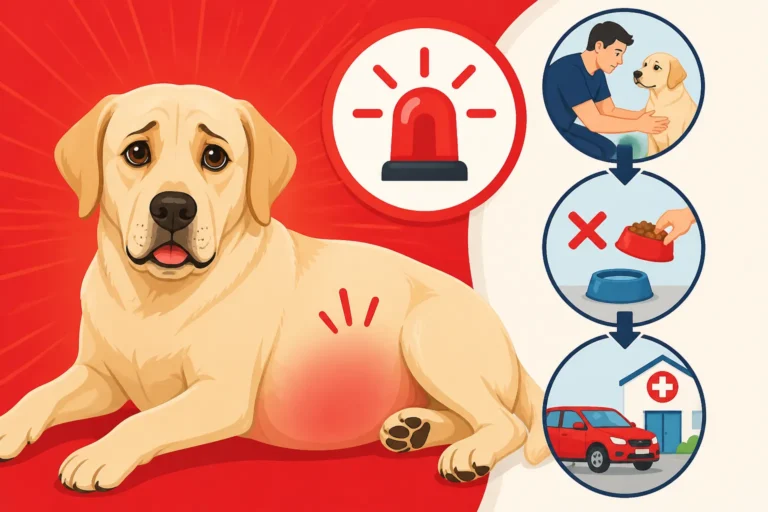
- Bloated or distended abdomen, especially if accompanied by retching without vomiting (this could indicate bloat, a life-threatening condition for deep-chested breeds like Labradors).
- Inability to urinate or defecate.
- Severe pain (whimpering, crying, reluctance to move, aggression when touched).
- Major trauma (hit by car, severe fall).
- Unconsciousness.
If you notice any of these signs, don't delay. Call your emergency veterinary clinic immediately and head there as quickly and safely as possible. Even if you have pet insurance like Healthy Paws, it's crucial to prioritize immediate care. They can guide you on initial steps to take and prepare for your arrival, potentially saving valuable time.
Disclaimer
Please remember, the information provided in this guide is intended for educational and informational purposes only, and does not constitute veterinary medical advice. Always consult with a qualified veterinarian for any health concerns or before making any decisions related to your Labrador’s health and treatment.