Reading a Labrador’s OFA Hip Certificate
It can be incredibly daunting when you're looking at a Labrador's health clearances, especially something as technical as an OFA hip certificate. You want to make the best decisions for your future furry family member, but all those terms and grades can feel like a foreign language. This guide is here to demystify the OFA hip certificate, breaking down exactly what each section means so you can confidently assess a Labrador's hip health.
Understanding the OFA Hip Certificate for Your Labrador
Bringing a Labrador Retriever into your home is a big commitment, and part of that commitment involves understanding their health, especially for common breed-specific conditions. Hip dysplasia is a significant concern for large breeds like Labradors, and it can profoundly impact their quality of life. Fortunately, organizations like the Orthopedic Foundation for Animals (OFA) provide standardized evaluations to help breeders make informed choices and prospective owners gauge a puppy's genetic predisposition.
Why OFA Hip Evaluations Matter for Labradors
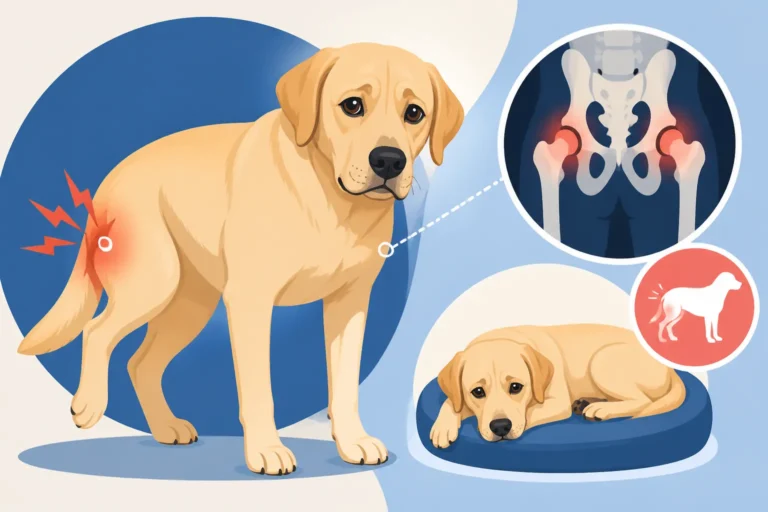
Let's be real, no one wants to see their beloved Labrador struggle with pain or mobility issues, especially something as debilitating as hip dysplasia. This inherited condition affects the hip joints, causing them to develop abnormally, leading to varying degrees of looseness, cartilage degeneration, and eventually, painful arthritis. Because Labradors are so prone to it, responsible breeders take hip evaluations very seriously, and you should too. It's not just about avoiding future vet bills—though that's a valid concern, as treating severe hip dysplasia can be incredibly expensive, even with pet insurance like Healthy Paws on your side. It's about ensuring a long, comfortable, and active life for your dog.
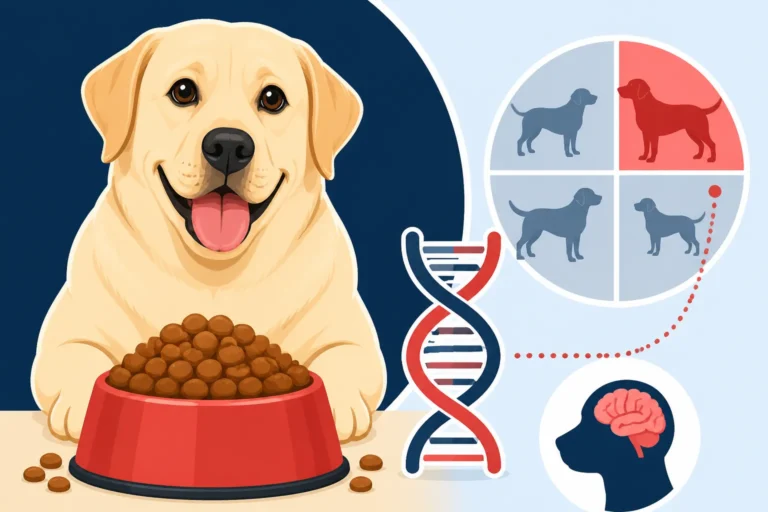
The genetic component of hip dysplasia means that puppies from parents with good hips are statistically less likely to develop the condition themselves. While environmental factors like diet and exercise during growth play a role, starting with strong genetics is your best defense. That's why an OFA certificate isn't just a piece of paper; it's a testament to a breeder's commitment to the long-term health of their lines. Without these evaluations, you're essentially playing a genetic lottery with your puppy's joints, and that's a risk most loving owners would prefer to avoid. If you want to delve deeper into this condition, our comprehensive article on Labrador Hip and Elbow Dysplasia provides extensive information.
The Basics of the OFA Grading System
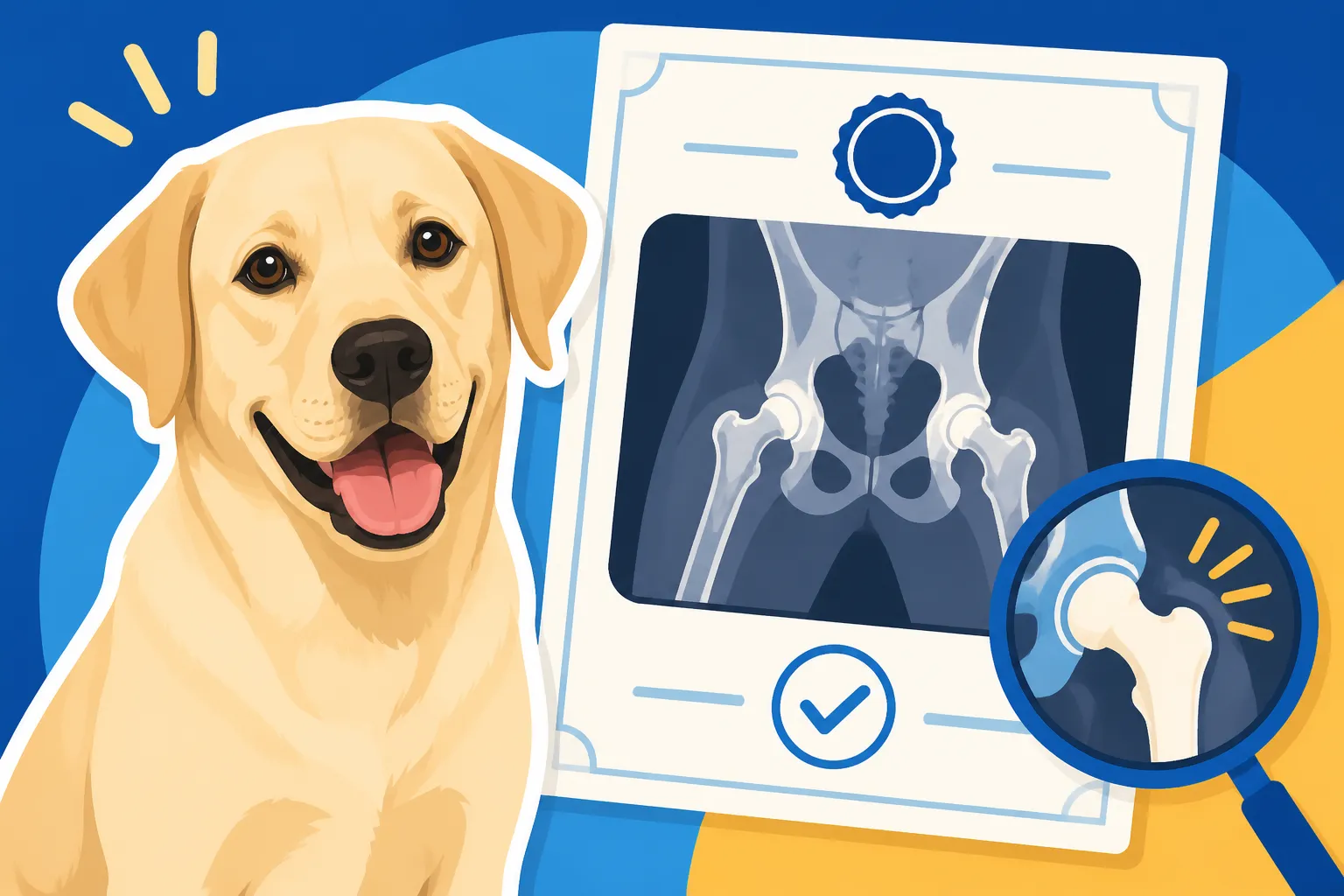
When a veterinarian takes hip radiographs (X-rays) for OFA evaluation, these images are sent to a panel of three independent, board-certified veterinary radiologists. These experts scrutinize the images for signs of hip dysplasia, focusing on specific anatomical features like the fit of the femoral head (ball) into the acetabulum (socket), the depth of the socket, the presence of degenerative joint disease, and other indicators.
The radiologists then assign a grade based on a strict set of criteria. The grading system ranges from "Excellent" to "Severe," with several points in between. This standardized approach ensures consistency across evaluations and provides a clear, objective measure of hip conformation. Understanding what each of these grades signifies is crucial because it tells you exactly what kind of joint health the dog possesses. It's not just a pass or fail; it's a spectrum that offers a lot of insight into the dog's structural integrity and its suitability for breeding. For instance, a dog might have "Fair" hips, which are still considered passing for breeding, but aren't as ideal as "Good" or "Excellent."
Essential Information on an OFA Certificate
When you get your hands on an OFA hip certificate, it's more than just a single grade. It's a detailed document packed with specific information about the individual Labrador. Here’s what you should expect to find:
- Registered Name of the Dog: This identifies the specific Labrador that was evaluated. Make sure it matches the name on the pedigree you're provided.
- Breed: Confirms the dog is a Labrador Retriever.
- AKC/CKC Registration Number: This unique identifier links the dog to its official breed registry records, proving its lineage.
- Tattoo/Microchip Number: Crucial for positive identification, ensuring the certificate belongs to the dog in question and preventing fraudulent use of certificates.
- Date of Birth: Verifies the dog meets the minimum age requirement for final OFA certification (24 months).
- Date of Radiograph: The date the X-rays were taken.
- OFA Final Evaluation: This is the hip grade (e.g., Excellent, Good, Fair, Mild, Moderate, Severe).
- OFA Number: A unique identification number assigned by the OFA for that specific evaluation. This number allows you to look up the results on the OFA public database, which is a fantastic resource for verifying information and ensuring transparency.
All this information combined paints a complete picture. It's not enough to just see "Good" hips; you need to verify it's the correct dog, that the evaluation was performed at the appropriate age, and that the results are publicly verifiable. A responsible breeder will always provide you with these details and allow you to confirm them independently. This level of detail is paramount in ensuring you're getting an accurate assessment of a prospective parent dog's health status.
Deciphering the OFA Hip Ratings
Navigating the various OFA hip ratings can feel a bit like learning a new language. But once you understand the nuances, you'll be much better equipped to distinguish between acceptable, excellent, and problematic hip health for your Labrador. It's not just about a simple pass or fail; each grade gives specific insights into the joint's structure and potential for issues.
Acceptable Breeding Grades and What They Signify
For breeding purposes, the OFA recognizes three grades as "passing": Excellent, Good, and Fair. Each of these indicates hips that are free of radiographic evidence of hip dysplasia and are considered healthy enough to contribute to the gene pool.
- Excellent: This is the cream of the crop, the absolute best rating a dog can receive. An "Excellent" hip conformation means the femoral head fits very snugly into a deeply seated acetabulum, with minimal joint space and a near-perfect structure. The bones are well-formed, and there are no signs of degenerative changes. This is the ideal result, suggesting the dog has very stable, strong hips that are least likely to cause problems or pass on genetic predispositions for dysplasia. When you see an "Excellent" rating, you know you're looking at a dog with top-tier hip health.
- Good: While not quite as perfect as "Excellent," a "Good" rating still signifies a well-formed hip joint with a good congruity between the femoral head and acetabulum. There might be a slight wideness in the joint space compared to "Excellent," but the coverage of the femoral head by the acetabulum is still excellent. The joint should appear healthy and stable, with no signs of degenerative disease. This is a very common and highly desirable grade for breeding Labs, indicating a low risk of hip dysplasia and a strong foundation for an active life.
- Fair: This grade indicates a slight looseness in the hip joint, or perhaps a minor anatomical variation compared to "Good" or "Excellent." The femoral head might not fit as tightly into the acetabulum, and there could be a slightly wider joint space. However, it's crucial to understand that "Fair" hips are still considered within the normal range and are free of hip dysplasia. They are deemed acceptable for breeding by the OFA, though many breeders strive for "Good" or "Excellent" to continuously improve their lines. It simply means the hips are structurally adequate, but not as tight or perfectly conformed as the higher grades. Some individuals might worry about "Fair" hips, but for a pet dog, they are perfectly fine, and even for breeding, they meet OFA's criteria.
Grades Indicating Hip Dysplasia Risk
These grades indicate that the Labrador's hips are not suitable for breeding and suggest varying degrees of hip dysplasia or significant risk thereof.
- Borderline: This is where things get a bit ambiguous. A "Borderline" grade means the radiograph shows some features that are suggestive of hip dysplasia, but the radiologist cannot definitively classify it as dysplastic at the time of evaluation. There might be a slightly greater joint laxity than a "Fair" hip, or some mild changes that are not clearly diagnostic. The OFA often recommends re-evaluating these dogs at a later date, typically 6-8 months down the line, to see if the condition progresses or resolves. Dogs with "Borderline" hips are not recommended for breeding, as there is an elevated risk of them developing actual dysplasia or passing on problematic genes. For a pet, it means you'll want to monitor their joint health closely.
- Mild, Moderate, and Severe: These three grades are clear indicators of hip dysplasia.
- Mild Dysplasia: There is definite evidence of hip dysplasia, usually characterized by significant subluxation (partial dislocation) of the femoral head from the acetabulum, along with some shallowing of the acetabulum and early signs of degenerative joint disease. A Labrador with mild dysplasia might show subtle signs of discomfort or stiffness, especially after exercise.
- Moderate Dysplasia: This involves obvious evidence of hip dysplasia, with marked subluxation, flattening of the femoral head and/or acetabulum, and significant degenerative joint disease. Dogs with moderate dysplasia often exhibit noticeable lameness, pain, and reduced activity levels. Managing this can involve costly interventions like medication, physical therapy, or even surgery. This is where pet insurance, like Healthy Paws, can truly be a lifesaver, helping to cover a portion of these substantial veterinary expenses.
- Severe Dysplasia: This is the most extreme form, characterized by complete dislocation of the femoral head from the acetabulum, profound flattening of both joint components, and extensive degenerative joint disease. Labradors with severe dysplasia typically experience chronic, debilitating pain and lameness, often requiring intensive medical management or complex surgical procedures to provide any semblance of comfort. Their quality of life is severely impacted without intervention.
Any dog with a grade of Borderline, Mild, Moderate, or Severe should absolutely not be used for breeding. Their genetic predisposition is too high, and breeding them would contribute to perpetuating this painful condition in future generations of Labradors. Understanding OFA and PennHIP Screening for Labradors can further clarify the different screening methods available.
Interpreting the Radiograph Quality
Beyond the hip grade itself, the quality of the radiograph submission is also crucial. An OFA certificate will sometimes include a note on radiograph quality. For an accurate assessment, the X-ray must be taken with the dog in a very specific position: on its back, hind legs extended and parallel to each other, patellas centered, and pelvis symmetrical. Any deviation from this perfect positioning can distort the image and lead to an inaccurate evaluation.
Veterinarians often use sedation or anesthesia to achieve the necessary muscle relaxation and proper positioning, as it can be uncomfortable and difficult for a dog to hold this pose naturally. If the radiograph quality is poor—perhaps due to improper positioning, motion blur, or inadequate exposure—it might be rejected by OFA, or the grading panel might note the limitations. While a dog's hips might genuinely be healthy, a poor-quality radiograph could make them appear dysplastic, or vice-versa. Therefore, a clear, high-quality image is fundamental to getting a reliable and trustworthy OFA certification. Always ensure that the X-rays were performed by an experienced veterinarian who understands the exacting requirements of OFA submission.
Beyond the Certificate: What Else to Consider
While an OFA hip certificate is a powerful tool for assessing a Labrador's joint health, it's just one piece of a much larger puzzle. Responsible breeding and informed puppy selection involve looking at several other factors that contribute to a Labrador's overall well-being and longevity.
Age Requirements for OFA Certification
One of the most critical details on an OFA hip certificate is the dog's date of birth and the date the radiographs were taken. The OFA only issues a final certification for hip evaluations when the dog is at least 24 months (two years) old. Why this specific age? Because a Labrador's skeletal system, particularly their hip joints, isn't fully mature until around two years of age. Before this, the growth plates are still open, and the bone and cartilage are still developing.
Evaluating hips on a younger dog might give an indication, but it's not considered definitive. A puppy or adolescent dog might show signs that look like dysplasia, which could improve as they mature, or vice versa. Therefore, if a breeder shows you an OFA hip clearance for a dog younger than 24 months, understand that this is only a preliminary evaluation (sometimes called a "prelim"). While prelims can offer some early insight, they are not the final word. Always insist on seeing a final, official OFA certificate for both parent dogs that clearly states they were at least 24 months old at the time of the radiograph. This ensures you're looking at a mature assessment of their hip health, giving you the most accurate picture.
Public vs. Private OFA Databases
The OFA maintains a public database where the results of all certified health clearances are available for anyone to view. This transparency is a cornerstone of responsible breeding. When a dog receives a passing grade (Excellent, Good, or Fair for hips), the results are typically registered and made public. This allows prospective puppy buyers, other breeders, and even veterinarians to verify the health status of a dog and its ancestors.
However, breeders have the option to submit results privately or to only publish passing results. If a dog receives a non-passing grade (Borderline, Mild, Moderate, or Severe), the breeder can choose not to publish these results in the public database. This is a crucial point for puppy buyers: if a breeder only shows you paper copies of certificates but you cannot find the dog in the public OFA database, it might raise a red flag. While there can be legitimate reasons for delays in publication, a lack of public verifiable results, especially for all parent dogs, could indicate a breeder is hiding unfavorable results. Always ask for the OFA number and cross-reference it with the public database at OFA.org. A breeder committed to transparency will have no issue with this, and it’s a vital step in ensuring you're supporting ethical breeding practices.
Combining OFA With Other Health Clearances
An OFA hip certificate is incredibly important, but it should never be the only health clearance you consider when looking for a Labrador puppy. Labradors are susceptible to a range of genetic conditions, and responsible breeders will conduct a battery of tests to ensure their breeding dogs are as healthy as possible.
Beyond hips, you should also look for:
- Elbow Clearances: Elbow dysplasia is another common orthopedic issue in Labradors, and it's just as debilitating as hip dysplasia. The OFA also provides an elbow grading system, ranging from Normal (Grade 0) to Grade III (severe dysplasia). Always look for "Normal" elbow grades. You can learn more by checking out our guide on Elbow Dysplasia in Labrador Retrievers.
- Eye Clearances: Labradors can be prone to various eye conditions, including Progressive Retinal Atrophy (PRA) and Retinal Dysplasia. These are typically screened by a board-certified veterinary ophthalmologist, often through the OFA's companion eye database (CAER exams). These exams should be done annually. Our article on Progressive Retinal Atrophy in Labradors provides more insight into this particular condition.
- Heart Clearances: Some lines can be prone to cardiac issues, such as tricuspid valve dysplasia. A physical exam by a board-certified veterinary cardiologist is recommended.
- Genetic DNA Tests: Thanks to advancements in veterinary medicine, there are now DNA tests for several genetic diseases common in Labradors, such as Exercise-Induced Collapse (EIC), Centronuclear Myopathy (CNM), and Hereditary Nasal Parakeratosis (HNPK). These are simple cheek swab tests that can definitively identify carriers or affected dogs. Understanding the results of these tests is vital, especially for conditions like EIC, which can be life-threatening during strenuous activity. Our article Testing a Labrador for Exercise-Induced Collapse goes into detail about this specific test. These genetic panels are a relatively inexpensive way to avoid heartache down the line. A truly thorough breeder will provide a comprehensive set of clearances, often available on a public platform. This holistic approach to health clearances is what truly distinguishes a reputable breeder from one cutting corners.
Taking all these health clearances into account will give you the most complete picture of a puppy's genetic health background and help you choose a healthy, happy companion for years to come. Remember, while pet insurance like Healthy Paws can help manage unexpected veterinary costs, proactive selection of a healthy puppy is always the first and best line of defense.
| OFA Hip Grade | Meaning for Joint Health | Suitability for Breeding (by OFA) |
|---|---|---|
| Excellent | Superior hip conformation, very tight joints | Recommended |
| Good | Well-formed hips, slightly less tight than Excellent | Recommended |
| Fair | Hips are adequate, slight looseness or minor variations | Recommended |
| Borderline | Indeterminate, suggestive of dysplasia but not definitive | Not Recommended |
| Mild | Definite evidence of hip dysplasia, mild joint changes | Not Recommended |
| Moderate | Obvious hip dysplasia, significant subluxation & changes | Not Recommended |
| Severe | Extreme hip dysplasia, complete dislocation, extensive DJD | Not Recommended |
Disclaimer
The information provided in this article is for general informational purposes only and does not constitute veterinary advice. Always consult with a qualified veterinarian for any health concerns or before making any decisions about your Labrador's care, diet, or treatment.