Living With a Blind Labrador
Discovering that your beloved Labrador is losing their eyesight, or has already gone blind, can be incredibly upsetting and disorienting for any owner. It's a huge adjustment, not just for them but for your whole household, filled with worries about their safety, happiness, and independence. This comprehensive guide aims to ease your concerns by exploring the common causes of vision loss in Labradors and providing practical, empathetic strategies to adapt your home, refine daily routines, and continue enriching your blind companion's life so they can navigate their world with confidence and joy.
Understanding Vision Loss in Your Labrador
When your Labrador starts bumping into furniture or hesitates on their usual walk route, it’s natural to feel a pang of worry. Vision loss can be a gradual process or come on quite suddenly, and understanding the underlying causes is the first step in providing the best care for your furry friend.
Common Causes of Blindness in Labradors
Labradors, like many breeds, are prone to certain eye conditions that can lead to partial or complete blindness. One of the most heartbreaking is Progressive Retinal Atrophy (PRA), a group of genetic diseases where the light-sensing cells in the retina gradually deteriorate. It often starts with night blindness and progresses to total blindness, usually over several months or years. While it's tough to witness, many Labs adapt incredibly well, relying on their other heightened senses. For a deeper dive into how this progresses, you might find our article on How Fast Labrador PRA Progresses insightful.
Cataracts are another prevalent issue, especially as Labradors age. These occur when the lens of the eye becomes cloudy, obstructing light from reaching the retina. While some cataracts can be surgically removed to restore sight, it's not always an option or a guaranteed fix, particularly if other underlying eye conditions exist. Glaucoma, characterized by increased pressure within the eye, can also cause blindness if not treated promptly, often leading to significant pain. Labrador Eye Conditions and Vision Loss covers these and other ocular challenges common in the breed. Less common but equally impactful conditions include Sudden Acquired Retinal Degeneration Syndrome (SARDS), which can lead to rapid blindness, and optic nerve hypoplasia, a congenital condition.
Recognizing the Signs of Diminishing Sight
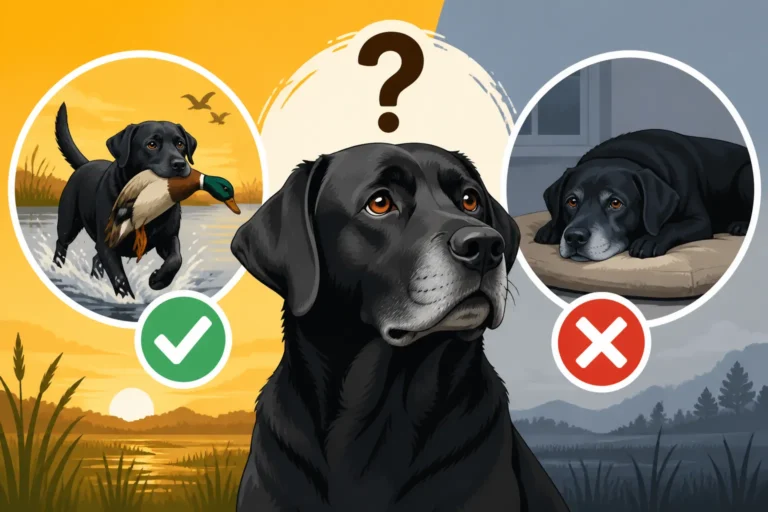
The early signs of vision loss can be subtle, and Labradors, being inherently resilient and eager to please, often try to compensate, masking their difficulties. You might first notice changes in their behavior, such as hesitancy in dimly lit areas or reluctance to go outside at night. They might start bumping into objects that have been moved, or become more easily startled. Owners often report their dog becoming more clingy or anxious in unfamiliar environments.
Consider their play habits too; a Labrador who once loved chasing a thrown ball might suddenly seem less interested or struggle to locate it. They might also have difficulty finding dropped treats, relying more on their nose. In some cases, you might observe physical changes in their eyes, like a cloudy appearance with cataracts or dilated pupils that don’t constrict in bright light. If you suspect any changes, a prompt visit to your veterinarian is crucial for an accurate diagnosis and to rule out other conditions. Early detection of First Signs of Retinal Atrophy in a Labrador can help you prepare and make necessary adjustments for your pet.
Adapting Your Home for a Blind Labrador
When vision starts to fade, your Labrador's home becomes their safe haven, and making it navigable is paramount. The goal is to create a consistent, predictable, and sensory-rich environment that minimizes stress and maximizes their independence.
Creating a Safe and Predictable Environment
The golden rule for a blind Labrador's home is consistency. Avoid moving furniture, pet bowls, or beds unless absolutely necessary. When changes must happen, guide your dog around the new layout several times, offering praise and treats. Start by designating specific areas for food, water, and sleep, and keep them consistent. Many owners find it helpful to use baby gates to block off stairs or rooms that pose a hazard, especially in the early stages of adjustment. This prevents falls and gives your dog a smaller, more manageable space to learn.
Think about potential hazards from their perspective. Low-lying coffee tables, sharp corners, or precarious floor lamps can all become obstacles. Cushioning sharp edges with furniture protectors or even pool noodles can prevent painful bumps. Ensure walkways are clear of clutter like shoes, bags, or children's toys. For a thorough review of potential dangers and general preparedness, remember the importance of A First Aid Kit for a Labrador Retriever—it's good to have on hand for any minor scrapes. Consider placing different textured mats at doorways or at the top and bottom of stairs to provide tactile cues that they are approaching a transition.
Navigational Aids and Tools
While you can't restore their sight, you can equip your Labrador with tools and strategies to navigate their world more confidently. Harnesses are generally preferred over collars for walks, as they provide better control and prevent neck strain if your dog pulls or bumps into something. Some owners opt for a "halo" device, like a Muffin's Halo or a specially designed vest with a protective ring, which acts as a bumper, alerting the dog to obstacles before their head makes contact. These can be particularly helpful indoors and in familiar outdoor spaces.
- Scent Markers: Use essential oils (diluted and safe for pets, consult your vet!) or distinct air fresheners on specific furniture legs or walls to help your dog map out the room by scent.
- Tactile Paths: Lay down different textured runners or mats to create pathways, especially to key areas like their food bowl or the back door.
- Verbal Cues: Develop a set of consistent verbal cues. "Step up," "step down," "watch out," "stop," and "left" or "right" can be incredibly valuable. Practice these patiently, associating them with the action or obstacle.
| Home Safety Checklist for a Blind Labrador |
|---|
| Keep furniture and bowls in consistent spots |
| Block off stairs with baby gates |
| Cushion sharp furniture corners |
| Keep floors clear of clutter |
| Use tactile mats for transitions |
| Implement scent markers for key areas |
| Secure electrical cords and loose rugs |
| Consider a "halo" device for navigation |
| Maintain clear outdoor paths |
| Always supervise outdoor activities |
Daily Life and Enrichment for Your Blind Companion
A blind Labrador can still lead a full, happy life, but it requires thoughtful adjustments to their daily routines and a focus on engaging their other powerful senses. Their world becomes richer through sound, smell, and touch.
Establishing Consistent Routines
Consistency is your blind Labrador's best friend. Sticking to a strict schedule for feeding, potty breaks, and walks will reduce anxiety and help them predict what's next. This predictability builds confidence. For instance, always take them out to the same spot for potty breaks, using the same door and the same route. Use verbal cues consistently before any action, such as "mealtime!" before placing their food bowl down. When it comes to walks, sticking to familiar routes initially allows them to learn the smells and sounds of the path. Gradually, you can introduce new, safe, and interesting areas, always starting and ending in a known spot.
When guiding your Labrador, always lead gently with the leash, walking slightly ahead of them. If you come to a curb or step, pause and give your verbal cue, "step up" or "step down," letting them feel the change with their paws before proceeding. If your Labrador is a senior, combining vision loss with other age-related issues can be particularly challenging. Caring for a Senior Labrador provides more comprehensive advice that can be very helpful during this time. Remember that any change in routine or environment can be unsettling, so always approach these situations with calm reassurance.
Engaging Senses Beyond Sight
Labradors have an incredible sense of smell and hearing, and these senses become even more acute when their vision is compromised. Tap into these strengths to keep them mentally stimulated and happy.
- Scent Work: This is perhaps the most natural and rewarding activity for a blind Labrador. Hide treats around the house or yard and encourage them to "find it!" Start easy and gradually increase the difficulty. Using snuffle mats or puzzle feeders that require them to use their nose to extract food can provide immense mental exercise and slow down a fast eater.
- Auditory Toys: Toys that crinkle, squeak, or contain bells can keep them engaged. Rolling a bell ball can give them an auditory target to chase.
- Verbal Interaction: Talk to your Labrador constantly. Narrate your actions, "Mommy's going to the kitchen now," or "Daddy's sitting on the couch." This keeps them informed and connected to your presence, reducing feelings of isolation.
- Texture Play: Introduce toys with different textures—rope toys, soft plushies, hard chews. Let them explore these new sensations.
- Walks and New Smells: Even if the route is familiar, the world outside is constantly changing with new scents. Allow them ample time to sniff and explore. New smells are like reading a newspaper for a dog. If their mobility is also a concern, for example, if they have Labrador Arthritis in Middle Age, ensure walks are comfortable and not too long.
These activities not only enrich their lives but also help build their confidence in navigating their non-visual world. Remember that Labrador Obesity and the Years It Costs is a real concern, so manage treats and puzzle feeder portions carefully within their daily caloric intake.
Supporting Your Labrador's Emotional Well-being and Your Own
Navigating life with a blind Labrador is a journey that requires immense patience, understanding, and unconditional love. It’s not just about physical adjustments; it's deeply emotional for both you and your furry family member.
Addressing Anxiety and Fear
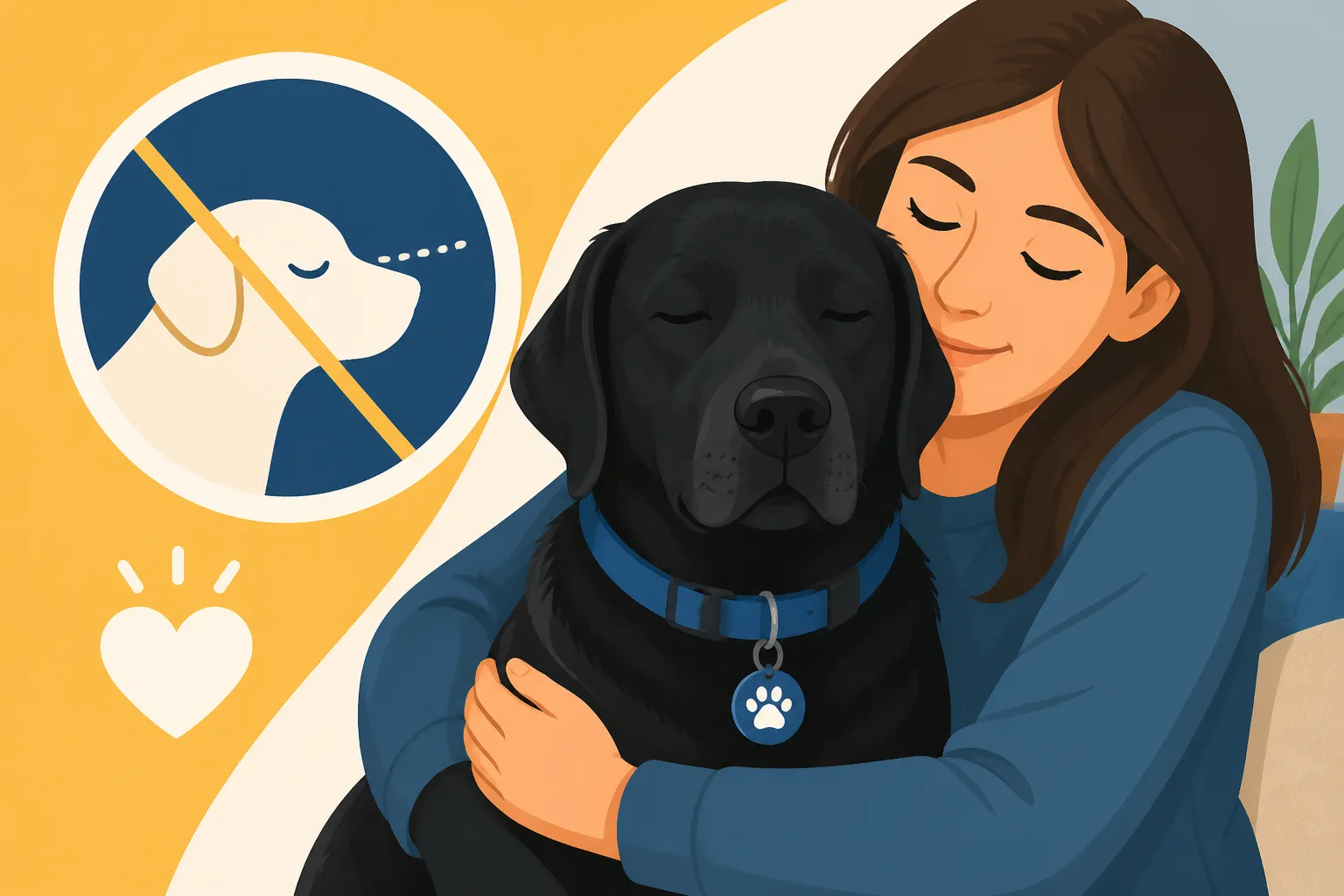
A sudden loss of sight can understandably trigger anxiety and fear in your Labrador. They might become more clingy, hesitant, or even startle more easily, sometimes even showing a touch of defensive behavior if approached unexpectedly. The key here is to be their steady anchor. Always approach them vocally, saying their name and letting them know you're there before touching them. Avoid making sudden, loud noises or abrupt movements around them. Consistency in daily routines, as mentioned earlier, is a huge anxiety reducer.
If you have children or other pets, teach them to be gentle and respectful of the blind dog's space. Supervise interactions closely. For persistent anxiety, especially if it impacts their quality of life, talk to your veterinarian. They might suggest calming supplements, pheromone diffusers, or even prescription medication to help ease their stress. Remember that a stoic Labrador might be Reading Pain in a Stoic Labrador differently, so any signs of discomfort should be investigated. Giving them a safe, cozy den or bed in a quiet corner where they can retreat and feel secure is also incredibly beneficial.
The Owner's Journey: Patience and Love
Let's be real, seeing your vibrant, once sight-guided Labrador struggle can be heartbreaking. You might grieve for the life they once had, and that’s perfectly normal. It’s an emotional rollercoaster, but it’s crucial to remember that your Labrador still thrives on your love and presence. They rely on you more than ever for guidance, reassurance, and a sense of security.
Celebrate every small victory: the first time they navigate a tricky hallway without bumping, or when they confidently find a hidden treat. Your positive attitude and calm demeanor will directly influence their emotional state. If you find yourself struggling, reach out to online communities or local support groups for owners of blind dogs. Sharing experiences and tips can be incredibly validating and helpful. While this journey can be challenging, it also deepens the bond you share, revealing an incredible resilience in both you and your Labrador. For all eventualities, ensuring you have Setting Up an Emergency Fund for a Labrador or pet insurance from providers like Healthy Paws can alleviate financial stress should additional medical needs arise. Healthy Paws offers various plans that can help cover unexpected vet bills. It’s peace of mind for an unpredictable future. Investing in pet insurance, like a plan from Healthy Paws, means you're prepared for whatever comes your way. As your dog ages and potentially faces multiple health issues, having the support of Healthy Paws can make a huge difference in being able to afford the best care. This commitment to their well-being ensures they can live their best life, no matter the circumstances. Ultimately, the goal is to enjoy every moment with your loyal companion, providing them with the happiest, most fulfilling life possible. This journey truly is a testament to the strength of the human-animal bond, all the way through to End-of-Life Care for a Labrador if your companion is in their senior years.
Disclaimer
This guide is intended for informational purposes only and does not substitute for professional veterinary advice. Always consult with a qualified veterinarian regarding your Labrador's health, treatment options, and any concerns related to their vision loss or overall well-being.