Neutering a Male Labrador and Joint Risk
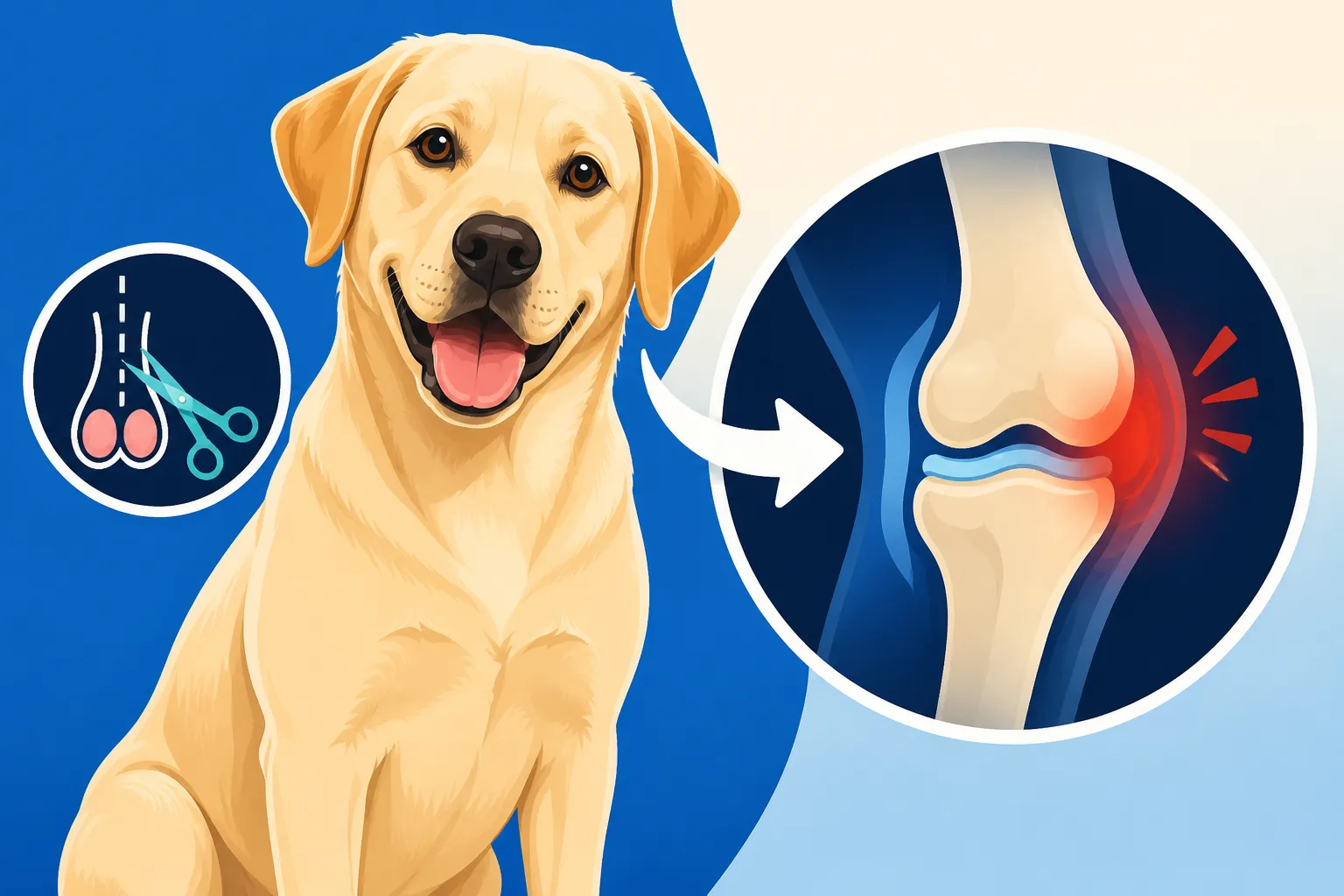
For years, owners have been told that neutering their male Labrador is simply "the responsible thing to do," a blanket recommendation for health and behavior. Yet, a growing body of research is challenging this long-held wisdom, especially for large breeds like our beloved Labs, leaving many of us caught between traditional advice and new, potentially concerning data about joint health. This guide dives deep into the science and practical considerations to help you navigate the complex decision of neutering your male Labrador.
The Traditional View of Neutering: Weighing the Established Benefits
Before we delve into the newer concerns, it's important to acknowledge why neutering became such a widespread and recommended practice. For decades, veterinarians and animal welfare organizations have advocated for it, citing a range of clear benefits for individual dogs and the wider community. It wasn't just an arbitrary decision; it was based on observable patterns and a genuine desire to improve canine well-being.
Behavioral Advantages and Population Control
One of the most immediate and noticeable benefits often associated with neutering male Labradors is the potential positive impact on their behavior. Unneutered males are typically driven by strong hormonal urges, which can lead to behaviors that are challenging for pet owners to manage. This includes a powerful instinct to roam in search of females in heat, sometimes covering miles and putting them at risk of accidents, getting lost, or encountering dangerous situations. It's a truly heartbreaking scenario when a beloved companion goes missing because of this strong urge.
Beyond roaming, intact males are also more prone to urine marking, both indoors and outdoors, as a way to assert their territory and communicate their presence to other dogs. While some marking can persist after neutering, it's often significantly reduced. Aggression, particularly towards other male dogs, can also be a hormonal byproduct, especially when competing for mates or dominance. Removing these strong hormonal influences can often lead to a calmer, more focused, and less reactive companion, making them easier to live with and train. Of course, individual temperament plays a huge role, but for many, it can make a noticeable difference. Moreover, from a societal perspective, neutering is a critical component of responsible pet ownership, helping to curb the heartbreaking issue of pet overpopulation in shelters.
Reducing Health Risks Beyond Joints
While joint health is the focus of much of the recent discussion, it's crucial not to overlook the significant health benefits that neutering offers in other areas. The most obvious and widely accepted advantage is the complete elimination of testicular cancer, a disease that, while not as common as some other cancers, can be aggressive and life-threatening when it occurs. Similarly, neutering drastically reduces the risk of various non-cancerous conditions of the prostate, such as benign prostatic hyperplasia (BPH), a common age-related enlargement that can cause discomfort and difficulty urinating in older intact males.
Perianal adenomas, tumors around the anus, are another condition less common in neutered males due to the removal of hormonal stimulation. While these aren't always malignant, they can be uncomfortable and require surgical removal. Looking at the broader picture of Labrador Lifespan and What Changes It, eliminating these hormone-dependent diseases can contribute positively to a Labrador's overall health trajectory, potentially even extending their life. These are concrete, well-documented benefits that have informed veterinary recommendations for a long time, and they remain valid considerations for any owner contemplating this surgery.
Unpacking the Joint Risk: What Recent Studies Show for Male Labradors
The conversation around neutering has taken a significant turn in recent years, largely due to studies from institutions like the University of California, Davis (UC Davis) and others. These studies have begun to highlight potential connections between neutering, particularly when performed at a young age, and an increased risk of certain orthopedic conditions in large breeds. This has naturally caused a lot of concern and confusion among Labrador owners who want to do the absolute best for their dogs. It's not about saying neutering is inherently "bad," but rather about understanding a more nuanced risk profile that wasn't fully appreciated before.
The Link to Hip and Elbow Dysplasia
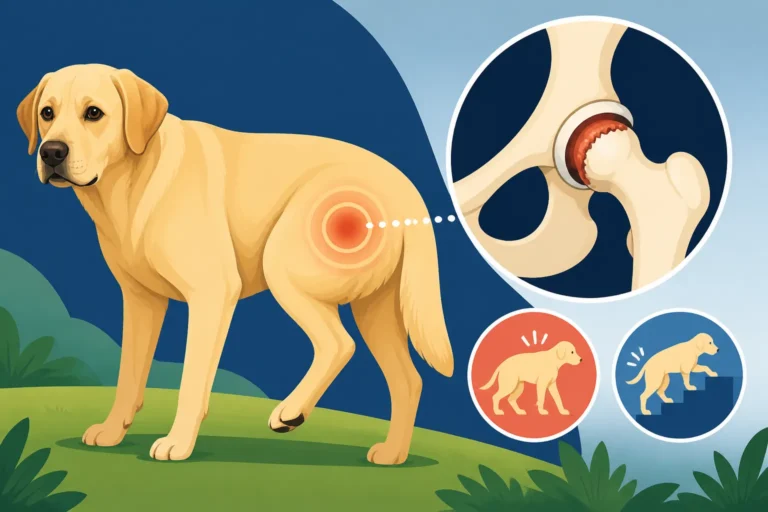
Perhaps the most significant and concerning finding for Labrador owners relates to hip and elbow dysplasia. These are debilitating genetic conditions where the joints don't develop properly, leading to pain, arthritis, and reduced mobility. While genetics play a primary role, recent research suggests that the timing of neutering might exacerbate the risk or severity of these conditions. Studies, notably the comprehensive UC Davis study on Golden Retrievers and Labradors, have indicated that male Labradors neutered before six months of age had a significantly higher incidence of hip dysplasia compared to intact males.
For example, the study observed that male Labradors neutered early had double the rate of hip dysplasia compared to those left intact. Similar, though sometimes less pronounced, patterns have been noted for elbow dysplasia. The hypothesis behind this involves the role of sex hormones in the development and closure of growth plates in bones. When these hormones are removed prematurely, it's thought to interfere with the natural growth process, potentially leading to altered joint formation or weakened ligaments. This insight is particularly vital for a breed already predisposed to Labrador Hip and Elbow Dysplasia, adding another layer of complexity to breeding and management decisions.
Increased Incidence of Cruciate Ligament Tears
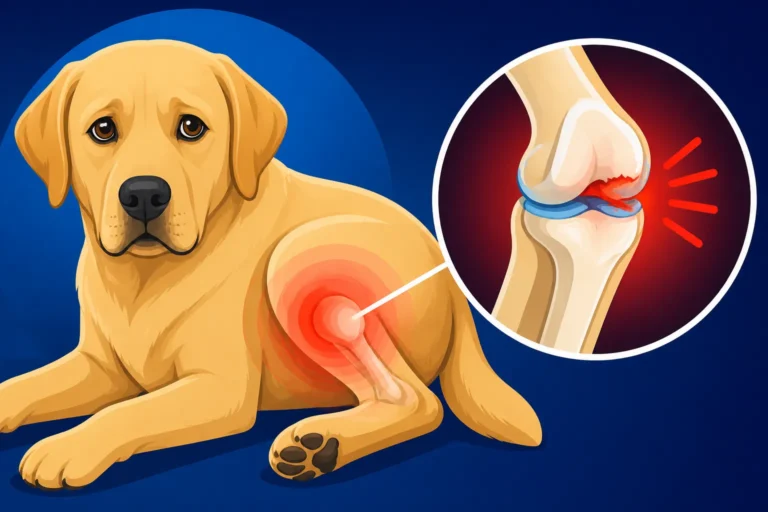
Another major orthopedic concern highlighted by recent research is the increased risk of cranial cruciate ligament (CCL) tears in neutered male Labradors. The CCL is a crucial ligament in the knee (stifle) joint, and its rupture is a common and often painful injury, requiring extensive and costly surgery like TPLO (Tibial Plateau Leveling Osteotomy) or TTA (Tibial Tuberosity Advancement) to repair. For many Labrador owners, these surgeries can present a significant financial and emotional burden.
The UC Davis study reported a dramatically higher incidence of CCL tears in male Labradors neutered before one year of age, sometimes up to three to five times higher than in their intact counterparts. This finding is consistent across multiple large breed studies. The proposed mechanism is again tied to hormonal influence on bone and joint development. Sex hormones are believed to play a role in maintaining ligament strength and joint stability. Their early removal may lead to weaker ligaments or altered biomechanics of the joint, making it more susceptible to tearing during normal activity. Understanding Cruciate Ligament Tears in Labradors is crucial, and neutering timing now appears to be a factor alongside genetics and activity levels. This is a significant consideration, especially given the active nature of many Labradors.
Understanding the Hormonal Impact
The core of these emerging joint risks lies in understanding the complex role of sex hormones, primarily testosterone, during a Labrador's growth and development. Testosterone isn't just about reproduction; it influences a vast array of bodily systems, including bone density, muscle mass, and the maturation of growth plates. Growth plates are areas of cartilage in young dogs where new bone is produced, allowing the bones to lengthen. These plates typically close around 12-18 months of age in large breeds, and the timing of their closure is influenced by sex hormones.
When a male Labrador is neutered before these growth plates have naturally closed, the removal of testosterone can delay their closure. This extended period of growth can result in longer limb bones, potentially altering joint angles and increasing stress on the joints. Think of it like building a house with slightly off-kilter foundations – it might stand, but it's more prone to structural issues over time. These subtle changes in bone structure and joint mechanics are theorized to contribute to the increased risk of conditions like hip and elbow dysplasia and CCL tears. It's a delicate balance, and interfering with this natural hormonal process during a critical growth phase appears to have unintended consequences for a percentage of large breed dogs.
Making an Informed Decision: Factors to Consider for Your Male Labrador
Given the conflicting information and the love we have for our dogs, deciding when or if to neuter your male Labrador can feel overwhelming. There's no single "right" answer that applies to every dog, and what's best for one family and their Lab might not be ideal for another. It truly requires a thoughtful evaluation of many different factors, moving beyond a simple one-size-fits-all approach.
Timing is Everything: The Age of Neutering
The age at which a male Labrador is neutered appears to be the most critical factor when considering joint risks. The data from recent studies strongly suggests that waiting until a Labrador's growth plates have closed, generally around 12 to 18 months of age, can significantly mitigate some of the orthopedic risks associated with early neutering. For instance, the UC Davis study on Labradors showed a much lower incidence of joint disorders in males neutered after one year compared to those neutered before six months.
This doesn't mean that neutering at 18 months guarantees a joint-disease-free future, as genetics and other factors still play a huge role. However, it does suggest that allowing your Labrador to mature fully with his natural hormones intact may provide a protective effect on his developing joints. It’s about letting the body complete its natural growth process before making a significant hormonal alteration. This shift in understanding has led many veterinarians and responsible breeders to recommend delaying neutering for large breeds until they are skeletally mature, moving away from the once-common practice of neutering at 6 months. Considering When to Spay or Neuter a Labrador is now a much more involved conversation.
Balancing Individual Health, Lifestyle, and Risk Factors
The decision to neuter, and when, needs to be a holistic one, considering your individual Labrador's health, your lifestyle, and any pre-existing risk factors. For example, if your male Labrador has known behavioral issues like severe aggression towards other males or an unmanageable urge to roam, and these behaviors are hormone-driven, the benefits of neutering might outweigh the potential, albeit lower, increased orthopedic risks. Similarly, if you live in an area with a high prevalence of stray dogs or if you frequently take your dog to environments where accidental breeding is a high possibility, neutering might be a more pressing concern for population control.
On the other hand, if your Labrador is a beloved family pet with good behavior, and you have strong control over his environment (e.g., a securely fenced yard, never off-leash in uncontrolled areas), you might lean towards delaying neutering or even considering alternatives. It's also important to consider your dog's genetic predispositions. If your Labrador comes from lines with a history of Labrador Hip and Elbow Dysplasia or Cruciate Ligament Tears in Labradors, delaying neutering might be an even more crucial consideration. Ultimately, it’s about weighing the specific risks and benefits for your unique dog and your household.
Discussing Options with Your Veterinarian
This is not a decision you should make in isolation. Your veterinarian is your best resource for personalized advice, as they know your dog's individual health history, temperament, and local health considerations. Don't be afraid to have an open and honest conversation about your concerns regarding joint risk, behavioral aspects, and the timing of neutering. A good vet will be up-to-date on the latest research and can help you interpret it in the context of your specific Labrador.
Be prepared to discuss his current age, activity level, whether he interacts with intact females, and any behavioral challenges you might be experiencing. They can also perform a thorough physical examination to assess his growth and overall health. If you are concerned about potential surgical costs for orthopedic issues that could arise, perhaps consider pet insurance from a provider like Healthy Paws. They can help with unexpected veterinary bills, which might ease some of the financial worries associated with these complex health decisions. Sometimes, a vet might recommend bloodwork to check hormone levels or specific genetic tests to assess predisposition to certain conditions, further tailoring their recommendation.
Managing Potential Risks and Supporting Joint Health
Whether you decide to neuter your male Labrador early, later, or not at all, supporting his joint health should always be a priority. Given the breed's predisposition to orthopedic issues, proactive care is essential. Even if you delay neutering, other factors can still contribute to joint problems, so a comprehensive approach is key.
Proactive Joint Care and Supplementation
One of the most powerful things you can do for your Labrador's joints is to be proactive from a young age. This starts with providing a high-quality, large-breed appropriate diet that supports steady, not rapid, growth, especially during puppyhood. Overfeeding can lead to excessive weight gain and stress on developing joints, increasing the risk of conditions like Labrador Arthritis in Middle Age.
Many owners also consider joint supplements, particularly as their Labradors mature or if they engage in high-impact activities. Common supplements include glucosamine, chondroitin, and MSM, which are believed to support cartilage health. Omega-3 fatty acids, often found in fish oil, are also popular for their anti-inflammatory properties. While supplements are not a magic bullet, they can be a valuable part of a comprehensive joint health strategy. Always discuss any supplements with your veterinarian to ensure they are appropriate for your dog's specific needs and to get guidance on proper dosage. Getting ahead of potential issues is always better than trying to fix them once they arise.
Regular Exercise and Weight Management
Keeping your Labrador at a lean, healthy weight is arguably the single most important thing you can do for his joints, regardless of neutering status. Excess weight puts tremendous strain on all joints, accelerating the progression of conditions like arthritis and increasing the likelihood of injuries. It’s an unfortunate reality that Why Labradors Gain Weight So Easily is a common problem, making diligent weight management crucial. You should be able to easily feel, but not see, his ribs, and he should have a noticeable waist when viewed from above.
Regular, appropriate exercise is equally vital. For growing puppies, this means avoiding forced, high-impact activities like long runs or excessive jumping until their growth plates have closed. Instead, focus on controlled walks, swimming (which is excellent for joints!), and appropriate playtime. As adults, Labradors thrive on consistent, moderate exercise that builds muscle and maintains flexibility without overstressing their joints. Activities like daily walks, fetch in soft grass, and swimming are fantastic. For a deep dive, you might want to read about Physical Therapy for a Labrador With Bad Hips for strategies to keep your Lab moving comfortably, or even Slowing Joint Decline in an Older Labrador for tips as they age.
Considering Alternatives to Traditional Neutering
For those who are deeply concerned about the hormonal impact of traditional neutering but still want to prevent accidental breeding or manage certain behaviors, there are a few alternatives to consider, although they come with their own sets of pros and cons. One option is a vasectomy, where the tubes that transport sperm are severed, making the dog sterile without removing the testicles or their hormone-producing function. This maintains the production of testosterone, theoretically mitigating the joint risks. However, a vasectomized male will still exhibit intact male behaviors (roaming, marking, potential aggression) and will still be at risk for testicular and prostate cancers.
Another, less common option, is a chemical implant (e.g., Suprelorin/Deslorelin), which temporarily suppresses testosterone production. This can be used as a trial to see how behavioral issues respond to a lack of hormones, or as a long-term, reversible alternative to surgery. However, these implants need to be replaced periodically and are generally more expensive than a one-time surgical neuter. Furthermore, the long-term effects of these chemical castrations on large breed joints haven't been studied as extensively as surgical neutering. These alternatives are still relatively niche, but they offer options for owners who wish to explore ways to preserve natural hormones while preventing unwanted pregnancies. Discussing these with your vet, and perhaps considering pet insurance like Healthy Paws for any associated costs, is crucial to understanding if they are a viable path for your Labrador.
| Factor / Timing | Before 6 Months | 6-12 Months | After 12-18 Months (Skeletally Mature) |
|---|---|---|---|
| Joint Risk | Higher incidence of Hip/Elbow Dysplasia, CCL tears | Moderate to higher incidence of Hip/Elbow Dysplasia, CCL tears | Lower incidence of Hip/Elbow Dysplasia, CCL tears |
| Testicular Cancer | Eliminated | Eliminated | Eliminated |
| Prostate Issues | Reduced risk | Reduced risk | Reduced risk |
| Behavioral Changes | May prevent some hormone-driven behaviors | May reduce some hormone-driven behaviors | Less impact on established behaviors |
| Population Control | Effective | Effective | Effective |
| Growth Plates | Likely open, closure potentially delayed | May still be open, closure potentially delayed | Likely closed, natural development complete |
Disclaimer
The information provided in this article is for general informational purposes only and does not constitute veterinary advice. Always consult with a qualified veterinarian for any health concerns or before making any decisions about your Labrador's care.