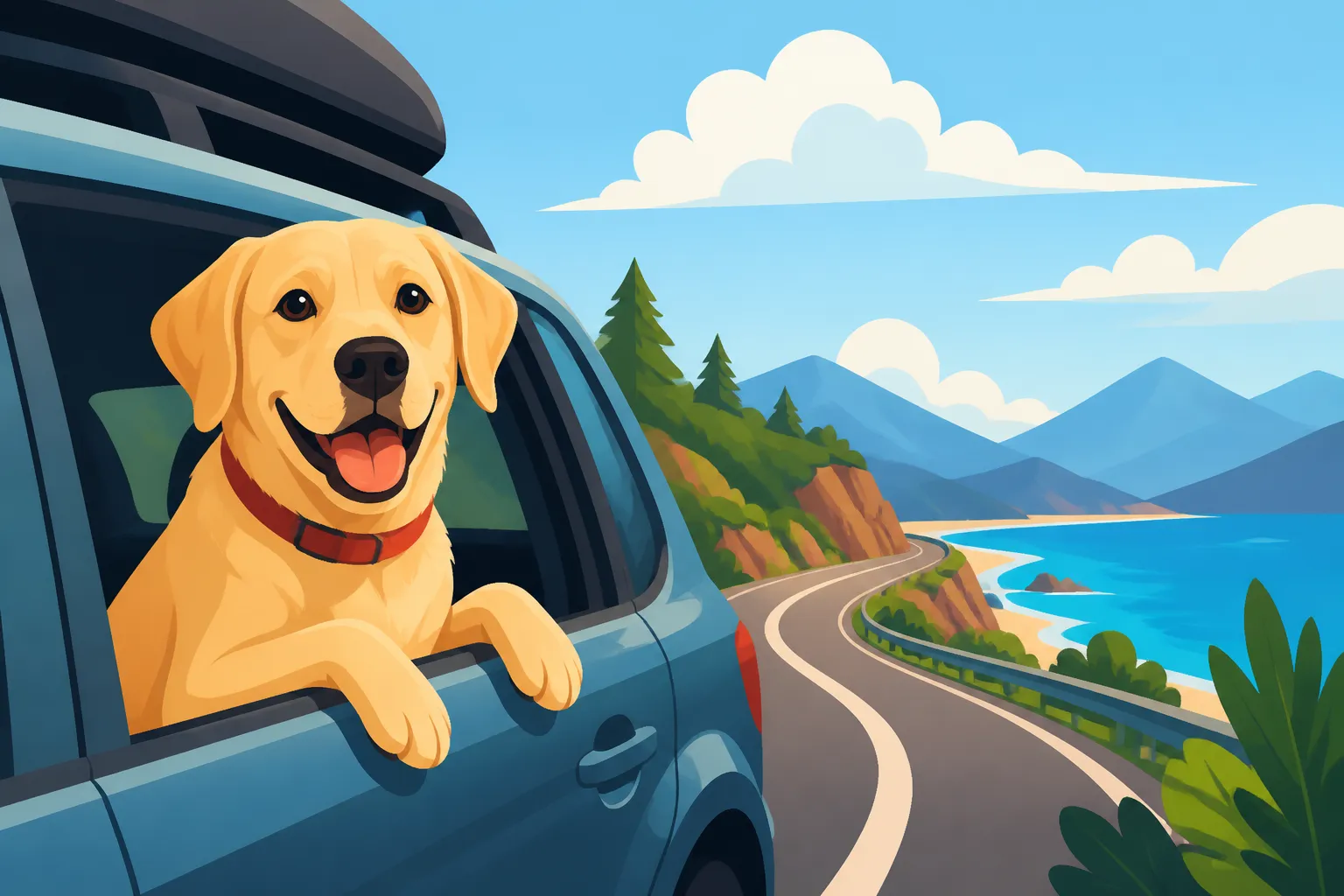
Road Trips and Travel With a Labrador
Hitting the open road with your beloved Labrador is a dream for many, but the reality can sometimes feel less like an idyllic adventure and more like a chaotic struggle, especially when you’re dealing with a dog who gets carsick, barks incessantly, or simply can’t settle down. This comprehensive guide is here to walk you through every step of planning, executing, and enjoying road trips and travel with your Labrador, making sure both you and your furry companion have a smooth, stress-free, and memorable journey.
Preparing for Your Adventure: Essential Pre-Trip Planning
Before you even think about buckling up and hitting the highway, a little foresight and preparation can save you a world of trouble. Labradors are generally eager companions, but throwing them into an unfamiliar travel routine without a solid plan can lead to discomfort for them and frustration for you. Taking the time to get all your ducks, or rather, your Lab's ducks, in a row will make a huge difference.
Gathering Your Labrador's Travel Essentials
Packing for yourself is one thing, but packing for a Labrador requires a whole different checklist. You’ll want to ensure you have everything your dog needs to feel secure, nourished, and entertained, no matter how far you're going. Think of it as creating a mini-home away from home for them.
First and foremost, bring plenty of their regular food. Switching foods unexpectedly can cause stomach upset, which is the last thing you want on a road trip. Measure out portions into individual baggies or a portable container to make feeding on the go simple. Don't forget their favorite treats for rewards and distractions. A sturdy, non-spill water bowl and a gallon or two of water from home can also prevent stomach issues from unfamiliar local water sources. Chewy offers a fantastic selection of portable bowls and travel water bottles that make hydration easy on the road.
Beyond food and water, consider comfort and entertainment. Their favorite bed or blanket from home can provide a familiar scent and a comfortable resting spot in the car or at your destination, helping to reduce anxiety. Pack a variety of sturdy chew toys, like a Kong filled with peanut butter, to keep them occupied during long stretches of driving or when you need them to settle down. A First Aid Kit for a Labrador Retriever is absolutely non-negotiable for any trip, no matter the length. Include basics like antiseptic wipes, gauze, vet wrap, dog-safe pain relief (as prescribed by your vet), and tweezers for splinters or ticks. Having a copy of your dog’s vaccination records and your vet’s contact information is also a smart move, just in case of an unexpected visit to an unfamiliar veterinarian.
Ensuring Your Lab's Health is Road Trip Ready
A healthy Labrador is a happy traveler, and a pre-trip health check can identify any potential issues that might make travel uncomfortable or even dangerous. It’s always best to be proactive rather than reactive when it comes to your dog’s well-being.
Before any significant journey, schedule a quick vet visit. Ensure their Labrador Vaccination and Parasite Schedule is up to date, especially for rabies, distemper, parvovirus, and kennel cough. Depending on your travel destination, your vet might recommend additional vaccines like canine influenza or Lyme disease, or preventative measures for heartworm and specific ticks common in that area. Discuss any existing health conditions, such as arthritis, and ask if any adjustments to their medication or routine might be needed for travel. For instance, if your Lab is prone to bloat, which can be a serious concern for deep-chested breeds, your vet might offer specific advice on feeding schedules or activity levels while on the road.
It's also a good idea to ensure your Labrador is microchipped and that your contact information is current. Collars with up-to-date ID tags are essential, but microchips offer a permanent form of identification if a collar were to go missing. Consider pet insurance, like a policy from Healthy Paws, before you leave. While we hope for the best, accidents and illnesses can happen anywhere, and having coverage can provide immense peace of mind should you need emergency veterinary care in an unfamiliar place. It's truly a safety net you hope you never need, but are incredibly grateful for if you do.
Finding the Perfect Pet-Friendly Pit Stops and Stays
One of the biggest hurdles to traveling with a Labrador is finding places that welcome them. You can't just assume every hotel or park is dog-friendly. Researching ahead of time will save you from scrambling last minute and potentially sleeping in your car (which, let's be honest, wouldn't be very comfortable with a Lab in there!).
Start by mapping out your route and identifying potential overnight stops. Websites and apps like BringFido, Pets Welcome, or Go Pet Friendly are invaluable resources for locating pet-friendly hotels, campgrounds, and even restaurants. Pay close attention to any size or breed restrictions; while Labradors are generally welcome, some establishments may have weight limits or other rules. Always call ahead to confirm pet policies, fees, and availability. It’s disheartening to arrive late at night only to find out the "pet-friendly" room is already taken or there's an unexpected fee. You can also look up Hotels That Accept a Labrador Retriever specifically to streamline your search.
Equally important are dog parks, rest stops, and outdoor areas where your Labrador can stretch their legs and relieve themselves safely. Long car rides can be tough on a dog, and regular breaks are crucial for their physical and mental well-being. Look for designated dog areas at rest stops or local parks with walking trails. Be mindful of local leash laws and pick-up regulations; always carry plenty of waste bags and be a responsible pet parent. Having a good idea of where you can stop and let your Lab burn off some energy will make the journey much more pleasant for everyone.
Safety on the Open Road: Securing Your Furry Co-Pilot
A moving vehicle, even for the most well-behaved Labrador, can be a dangerous place if proper safety measures aren't in place. An unrestrained dog can become a projectile in an accident, a distraction to the driver, or even escape through an open window. Ensuring your Labrador is safely secured is not just about their comfort, but about their very life and the safety of everyone in the car.
The Importance of Proper Car Restraints
Just like human passengers, Labradors need to be secured in the car. This isn't just a suggestion; in many places, it's the law. The right restraint can mean the difference between life and serious injury in a sudden stop or collision.
There are primarily two types of effective car restraints for Labradors: crash-tested crates and safety harnesses. A crash-tested travel crate, ideally secured to the car with straps or within the trunk space (if large enough and properly ventilated), offers the highest level of protection. It acts as a protective shell, similar to a child's car seat, and prevents your dog from being thrown around. If your Labrador is already Crate Training a Labrador Puppy, this might be a natural extension for them. Make sure the crate is large enough for them to stand, turn around, and lie down comfortably, but not so large that they can be jostled excessively within it. Position it in a way that allows for good airflow.
Alternatively, a crash-tested safety harness that attaches to the vehicle's seatbelt system can be used. These harnesses are designed to distribute impact forces across your dog's chest and shoulders, rather than concentrating them on their neck. It's crucial to select a harness that has been independently crash-tested and certified by organizations like the Center for Pet Safety (CPS), as not all harnesses offer adequate protection. Avoid simply clipping a leash to your dog's regular collar and then to the seatbelt, as this can cause serious neck injuries in an accident. Always verify the safety ratings before purchase.
| Restraint Type | Pros | Cons | Ideal For |
|---|---|---|---|
| Crash-Tested Crate | Highest safety; prevents distraction; comfortable den. | Takes up significant space; can be heavy; initial training may be needed. | Dogs prone to car sickness, anxiety, or high energy; long trips. |
| Safety Harness + Seatbelt | More flexible; less bulky; allows some movement. | Requires careful selection (must be crash-tested); less containment than a crate. | Dogs who prefer to see out the window; shorter trips; smaller Labs. |
Managing Motion Sickness and Anxiety in the Car
For some Labradors, car rides aren't thrilling adventures but rather sources of severe stress or stomach upset. It's a truly miserable experience for both pet and owner, and recognizing the signs early can help you intervene.
Common signs of car sickness include excessive drooling, lethargy, lip licking, swallowing repeatedly, yawning, whining, vomiting, and even diarrhea. Anxiety might manifest as panting, pacing, barking, or destructive chewing. If your Labrador shows these symptoms, start with short, positive car rides to build a positive association. Begin with just sitting in the car with them, then short drives around the block, gradually increasing duration. Always end on a positive note with praise and treats. Avoid feeding them a large meal right before a trip; a light snack a few hours beforehand is usually better.
For more severe cases, consult your vet. They might prescribe anti-nausea medication like Cerenia or anti-anxiety medications. Over-the-counter options like ginger chews or certain calming supplements can also be effective for some dogs, but always clear these with your vet first. Keeping the car cool, ensuring good ventilation, and opening windows slightly (but not enough for your dog to jump out!) can also help. Some Labradors feel more secure if they can see out the window, while others do better in a covered crate, shielded from the passing scenery. Finding what works for your individual dog is key.
Keeping Your Labrador Hydrated and Comfortable During the Drive
Even without motion sickness, long stretches in a car can lead to dehydration and discomfort. Ensuring your Labrador has access to water and a comfortable environment is vital for their well-being.
Offer water regularly during stops, rather than leaving a full bowl in the moving car which can spill and create a messy, slippery hazard. Many Labs love water, but don't assume they'll drink enough on their own. Encourage them, especially on warm days. Consider bringing a separate cooler with ice and water to keep it fresh and appealing. If your Lab isn't a fan of plain water, a few ice cubes in the bowl or a small amount of low-sodium chicken broth can sometimes entice them. For dogs that are picky about drinking from unfamiliar sources, bringing water from home can be a game-changer. Ollie, for example, offers fresh food that is often higher in moisture content, which can be beneficial, and can be pre-portioned for travel convenience.
Maintain a comfortable temperature in the car. Labradors have a dense double coat, which helps them stay warm in cold water, but can make them susceptible to overheating in a hot car. Even on cooler days, direct sunlight through windows can raise the temperature significantly. Use sunshades if needed, and ensure air conditioning is circulating effectively. Never leave your Labrador unattended in a parked car, even for a few minutes, as internal temperatures can rise rapidly to dangerous levels. Providing a soft, cushioned bed or blanket in their crate or designated travel spot will also contribute to their comfort, encouraging them to relax and even nap during the journey.
Making Memories: Enjoying the Journey and Destination
The goal of traveling with your Labrador isn't just to get from point A to point B safely; it's to create shared experiences and strengthen your bond. Thoughtful planning for stops and activities will transform a grueling drive into an integral part of the adventure.
Strategic Stops for Exercise and Potty Breaks
Labradors, with their boundless energy and love for exploration, simply cannot be cooped up for hours on end without a proper release. Strategic breaks are paramount for their physical and mental health, and for maintaining a peaceful car environment.
Plan to stop at least every 2-3 hours for a potty break and a good stretch. These aren't just quick dashes out of the car; aim for 15-20 minutes of active time. Look for grassy areas away from heavy traffic where your Labrador can safely walk around, sniff, and relieve themselves. Always keep them on a leash, especially in unfamiliar areas, to prevent them from bolting or encountering hazards. A good leash and collar or harness setup is crucial here. If you know a dog park or a large open space is nearby, that's an even better option for a longer exercise session. This is where a game of fetch with a favorite tennis ball or a brisk walk can work wonders in burning off pent-up energy.
Beyond physical relief, these breaks offer mental stimulation. The smells, sights, and sounds of a new place are incredibly enriching for a dog. Let them explore (within safe limits) and sniff to their heart's content. This helps to reset their minds and makes them more likely to settle down and relax when back in the car. For young dogs, remember that Exercise Limits for a Labrador Puppy are important to protect their developing joints, so adjust intensity accordingly. Regular breaks also help prevent boredom-related behaviors like whining, barking, or restlessness in the car.
Navigating New Environments and Local Rules
Arriving at your destination is exciting, but it also presents a new set of challenges and rules. Every town and state has different regulations regarding pets, and being prepared means avoiding fines and ensuring a harmonious visit.
Upon arrival, take some time to familiarize your Labrador with their new surroundings. A leashed walk around the hotel grounds or campsite can help them get their bearings and find a suitable potty spot. Always clean up after your dog, even in remote areas. Check local ordinances for leash laws, designated off-leash areas, and any restrictions on dogs in public places like beaches, hiking trails, or outdoor dining patios. Many popular tourist destinations have specific rules for pets, and a quick online search for "dog-friendly [destination name]" can provide a wealth of information. Being aware of and respecting these rules not only keeps you out of trouble but also ensures that future travelers with pets will be welcome.
Consider the climate of your destination. If you’re traveling to a warmer region, be especially vigilant about signs of overheating. Labradors, particularly Heat Tolerance in a Black Labrador, can struggle in high temperatures. Plan activities for cooler parts of the day and always have access to fresh water. Conversely, if you're headed somewhere cold, ensure your Lab has a warm, dry place to rest and is protected from ice and salt on their paws. Always prioritize your Labrador's comfort and safety over your own itinerary.
Dealing with Unforeseen Challenges Away From Home
Even with the best planning, travel with a dog can throw unexpected curveballs. From sudden illness to behavioral issues in a new environment, being prepared for the unforeseen is a crucial part of being a responsible pet owner.
One of the most common issues is a change in your Labrador’s routine affecting their behavior or digestion. Despite your best efforts, some dogs might experience mild stomach upset from stress or a different water source. Have some bland food (like boiled chicken and rice) ready, or a probiotic supplement, to help settle their tummy. If symptoms persist or worsen, locate the nearest emergency vet clinic before you need it. This goes back to the importance of having your vet's contact info and Pet Insurance for a Labrador Retriever, especially for unexpected scenarios.
Behavioral challenges can also arise. A well-behaved Labrador at home might become anxious or overstimulated in a new place. Excessive barking at unfamiliar noises, destructive chewing in a hotel room, or heightened reactivity to other dogs can be frustrating. Remember the importance of continued positive reinforcement and consistent rules, even on vacation. Bring their favorite comforting items, and ensure they get enough mental and physical stimulation to prevent boredom-induced mischief. If your Labrador struggles with Separation Anxiety in Labrador Retrievers at home, a new environment might exacerbate it, so plan accordingly and avoid leaving them alone for long periods in unfamiliar settings. Sometimes, simply having their crate, even if they don't typically use it at home, can offer a sense of security and a quiet retreat.
Alternative Travel: When the Car Isn't an Option
While road trips are a fantastic way to travel with your Labrador, there are times when other modes of transport become necessary. Each has its own set of rules, risks, and preparations, especially when you have a large, active breed like a Labrador.
Flying with a Labrador Retriever: What You Need to Know
Flying with a Labrador is a significantly more complex undertaking than driving and often requires more stringent planning and adherence to airline regulations. Due to their size, most adult Labradors will travel in cargo, which can be a stressful experience for both pet and owner.
First, contact the airline well in advance – preferably months before your trip – to understand their specific pet policies. Every airline has different rules regarding crate size, breed restrictions (some brachycephalic breeds are banned due to breathing issues, but Labradors are generally okay), temperature embargoes (airlines won't fly pets in cargo if temperatures are too hot or too cold at any point in the journey), and required documentation. You’ll need a health certificate issued by a licensed veterinarian within a specific timeframe (usually 10 days) of travel, and all vaccinations must be up to date. Make sure you understand the exact Airline Fees for Flying a Labrador too, as they can be substantial.
The crate itself must meet strict IATA (International Air Transport Association) standards. It needs to be sturdy, well-ventilated, large enough for your Labrador to stand, turn around, and lie down naturally, and labeled clearly with "LIVE ANIMAL," your contact information, and feeding instructions. Acclimating your Labrador to their travel crate beforehand is vital. Make it a comfortable, positive space where they feel safe. Never tranquilize your dog for air travel unless specifically advised by your vet, as it can interfere with their breathing and ability to regulate body temperature at altitude. While it's a significant undertaking, with meticulous preparation, flying can be a safe option for your Labrador when necessary.
Public Transportation and Other Options for Your Lab
For shorter distances or within urban areas, public transportation might seem like an option, but it comes with considerable limitations for a large dog like a Labrador. Generally, most public transport systems, including buses, subways, and trains, have strict rules about pets.
In most cases, only small dogs in carriers that can fit on your lap or under a seat are allowed. Service dogs, of course, are an exception to these rules. For a Labrador, this means traditional public transport is largely off-limits. You'll likely encounter signs explicitly stating "no pets" or size restrictions that exclude your furry friend. Even if a driver or conductor were to make an exception, a crowded bus or subway car can be incredibly stressful and potentially unsafe for a large dog, risking injury to them or other passengers.
Ride-sharing services like Uber or Lyft might offer "pet-friendly" options, but these are at the discretion of individual drivers, and you should always call ahead to confirm. Even then, you might be asked to provide a blanket to protect the vehicle and ensure your dog is restrained. Taxis can sometimes be an option if you call a dispatcher and specify you're traveling with a large dog, but this also varies greatly by location and company policy. When these options fall through, and a car isn't available, considering alternatives like Pet Sitters Versus Boarding for a Labrador at home might be the most practical and comfortable solution for your dog, allowing them to remain in a familiar environment rather than enduring a stressful journey.
Disclaimer
The information provided in this guide is for general informational purposes only and should not be considered a substitute for professional veterinary advice. Always consult with your veterinarian regarding your Labrador's health, diet, and specific travel needs. Travel regulations and pet policies can change frequently, so always verify current requirements with airlines, accommodations, and local authorities before your trip.