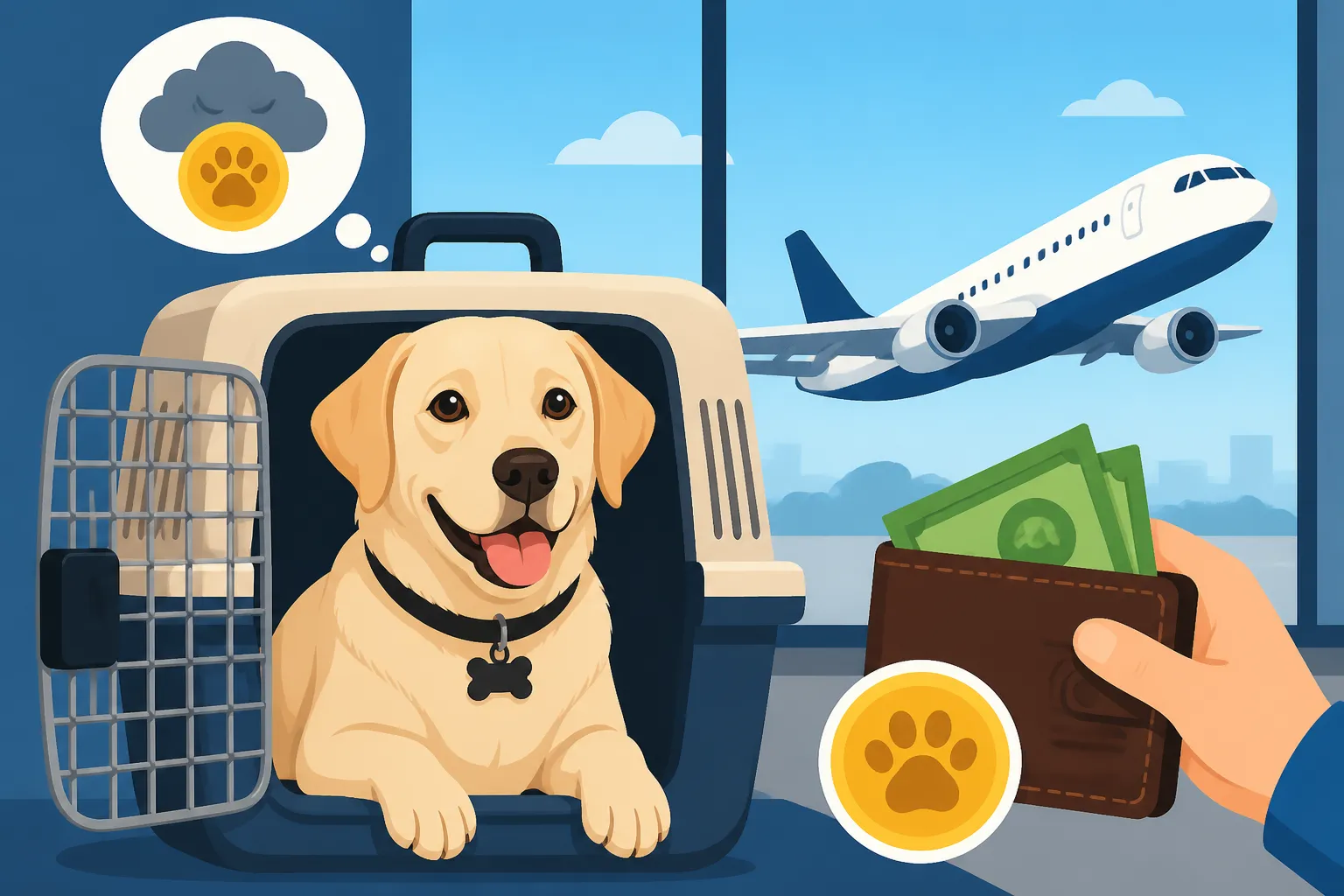
Airline Fees for Flying a Labrador
Traveling with a beloved Labrador Retriever can be an incredible experience, but when air travel becomes necessary, many owners face a steep learning curve and a good deal of anxiety. The biggest initial hurdle often isn't just booking your own ticket, but figuring out the often-confusing and surprisingly high costs associated with flying your large, energetic companion. This guide is here to unravel the complexities of airline fees for Labradors, helping you understand where your money goes and how to prepare for a smoother journey.
Understanding How Labradors Fly On Commercial Airlines
Let's be realistic from the start: the dream of your Labrador curled up at your feet in the passenger cabin is, for most commercial flights, just that—a dream. Labradors are simply too large to fit comfortably, or even legally, under an airline seat. This means that for nearly all standard flights, your Labrador will need to travel either as checked baggage or via cargo. Each option comes with its own set of rules, restrictions, and, of course, costs.
In-Cabin Travel: A Rare Exception for Labradors
While the general rule is that Labradors are too big for in-cabin travel, there are very specific and important exceptions. Service dogs, those specially trained to perform tasks for individuals with disabilities, are permitted to fly in the cabin with their handlers, provided they meet certain requirements and behavioral standards. This isn't a "pet" designation; it's a legal right for the person with a disability. Emotional support animals, once a common allowance, have largely seen their in-cabin privileges restricted by many airlines to service animals only. So, unless your Labrador is a legitimate, task-trained service animal, expect them to travel outside the main cabin. It's vital to research each airline's current policy thoroughly, as these rules change frequently. If you're wondering about specifics, checking whether a Labrador can fly in cabin might offer more detailed insights into these evolving regulations.
Checked Baggage Versus Air Cargo
When your Labrador can't fly in the cabin, the primary options are checked baggage or dedicated air cargo. While they sound similar, there are distinct differences in how airlines handle them, and consequently, how they are priced and managed.
-
Checked Baggage: In this scenario, your Labrador travels in a temperature-controlled, pressurized compartment underneath the plane, usually alongside other checked luggage. They are checked in at the passenger counter, much like an oversized suitcase, and retrieved at baggage claim upon arrival. This option is generally only available on direct flights or those with very short, seamless connections, as the airline is responsible for transferring your pet. The fees for checked baggage pets are typically fixed per one-way trip and depend on the airline's specific pet policy.
-
Air Cargo: For longer journeys, international travel, or if the checked baggage option isn't available, your Labrador will likely fly as designated air cargo. This means they are handled by the airline's cargo division, separate from passenger check-in. Cargo shipments often involve more stringent documentation, specialized handling, and can be more complex to arrange. The pricing for cargo is usually calculated based on the combined weight of your Labrador and their travel crate, as well as the dimensions of the crate, often by volume. This can quickly add up, making it a significant portion of your overall travel budget. Many owners also consider pet relocation services, which manage the entire cargo process for you, though this comes with an additional service fee.
Breaking Down the Costs: Fees for Your Flying Labrador
The fees associated with flying a Labrador can feel like a labyrinth, with charges popping up at various stages of the planning and travel process. It's rarely just a single, straightforward fee, and understanding the components is crucial for budgeting.
Base Airline Pet Fees
This is the core fee charged by the airline for transporting your Labrador. For checked baggage, this is often a flat rate, per kennel, per flight segment. For example, an airline might charge a set amount for a domestic one-way trip. If you have a layover and need to reclaim and re-check your Labrador (which is rare but happens, especially with different airlines or long waits), you might be charged per segment. For cargo, as mentioned, the base fee is calculated based on crate size and weight.
It’s important to remember that these fees are non-refundable in many cases, especially if you cancel your trip last minute. Always check the specific airline's pet policy details well in advance, as they vary widely from carrier to carrier and can even change without much notice. Some airlines also have restrictions based on the type of aircraft, the time of year (due to temperature restrictions), or the destination. These factors can influence availability and, indirectly, costs if you have fewer options.
Additional Charges and Potential Surprises
Beyond the base fee, you might encounter several other charges that can inflate the total cost of flying your Labrador.
-
Veterinary Certificates and Health Checks: Before any flight, particularly international ones, your Labrador will require a health certificate issued by a licensed veterinarian. This certificate verifies that your dog is healthy enough to travel and is free of contagious diseases. The cost for this vet visit and the certificate itself is an out-of-pocket expense. Depending on your destination, additional vaccinations, parasite treatments, or specific tests might be required, adding further to the vet bill. It's a good idea to consult your vet well in advance to understand all the health requirements. A thorough look at the Labrador Vaccination and Parasite Schedule can help you prepare.
-
Airline-Approved Crate: Your Labrador will need an IATA-compliant travel crate. This isn't just any crate; it must meet strict airline standards for size, ventilation, construction, and labeling. For a large Labrador, these crates can be quite sizable and expensive. Factors like proper ventilation on all four sides, "Live Animal" labels, water and food dishes accessible from the outside, and absorbable bedding are critical. You'll need to measure your Labrador accurately to ensure they can stand up, turn around, and lie down naturally within the crate. Purchasing an appropriate crate, especially one large enough for an adult Labrador, can be a significant upfront cost. Retailers like Chewy offer a wide selection of airline-approved crates that meet these specifications.
-
Special Handling Fees: Some airlines or cargo services might have additional fees for "oversized" crates or for specific handling requirements. For example, if your Labrador is particularly heavy, or if the crate requires more than one person to move, there could be extra charges. For very long flights or complex international routes, you might also incur fees for customs clearance or brokerage services at the destination airport. These are typically handled by a pet relocation service, but if you're managing cargo yourself, be aware of these potential costs.
-
Temperature Restrictions and Embargoes: Many airlines impose temperature restrictions for animal travel, especially for brachycephalic (short-nosed) breeds, but also for all pets during extreme heat or cold. If your travel dates fall outside the permissible temperature range at either your origin, destination, or any layover city, your Labrador may be bumped from the flight. This doesn't necessarily mean a direct fee, but it can lead to rebooking costs, additional boarding fees, or even unexpected Labrador Emergency Vet Bills if you're stranded. It's a crucial factor to consider when planning your trip.
Navigating Airline Policies and Ensuring a Safe Journey
Understanding the fees is one thing, but successfully navigating the intricate web of airline policies and ensuring your Labrador's safety is another. Airlines prioritize safety, and their rules are designed to minimize risks, though they can often feel burdensome to pet owners.
Researching Airline-Specific Rules
No two airlines are exactly alike when it comes to pet travel. What one airline permits, another might strictly forbid. This is why thorough research is your best friend. Start by visiting the "Pet Travel" or "Special Services" section of the specific airline's website. Look for details on:
- Crate Dimensions and Weight Limits: These are non-negotiable. An inch too tall or a pound over can mean your Labrador is denied boarding.
- Breed Restrictions: Some airlines have breed-specific restrictions, particularly for short-nosed breeds, but it's always worth double-checking for any general restrictions that might apply.
- Temperature Embargoes: Find out their specific temperature ranges for pet travel. This is crucial if you're traveling during summer or winter months.
- Required Documentation: What health certificates, vaccination records, or permits do they require? How far in advance must they be issued?
- Booking Procedures: Do you need to book your Labrador's spot at the same time as your own? Is there a limited number of pets allowed per flight?
- Arrival and Departure Procedures: Where do you check in your Labrador? Where do you pick them up? This can be different for checked baggage versus cargo.
A quick call to the airline's dedicated pet reservation line (if they have one) can often clarify any ambiguities and give you peace of mind.
Preparing Your Labrador for the Journey
Beyond the financial and logistical preparations, you need to prepare your Labrador mentally and physically for the stress of air travel. This is not a casual car ride.
- Crate Training: This is paramount. Your Labrador needs to view their travel crate as a safe, comfortable den, not a scary prison. Start crate training well in advance, making it a positive experience with treats and toys. They should be completely comfortable spending several hours in the crate. This is also key for Crate Size for Potty Training a Labrador when they are puppies, making them accustomed to enclosed spaces.
- Exercise Before Travel: A well-exercised Labrador is a calmer Labrador. On the day of travel, ensure your dog gets a good, long walk or play session before heading to the airport. This can help them settle down during the flight. For active breeds like Labs, understanding the Exercise a Labrador Needs Each Day is crucial for their overall well-being.
- Familiar Items: Place a familiar-smelling blanket or toy in the crate with them. The scent of home can provide comfort. Avoid anything that could be a choking hazard.
- Food and Water: Do not feed your Labrador a large meal immediately before the flight to reduce the risk of an upset stomach. Offer water right up until check-in, and ensure the crate has an attachable water bowl that can be filled from the outside. You might also pack some of their regular food, perhaps from a brand like Ollie, in a secure container for when they arrive, to avoid any sudden diet changes that could cause stress.
- Identification: Ensure your Labrador wears a collar with clear ID tags, and that their crate is clearly marked with your name, address, phone number, and destination contact information. A microchip, with up-to-date registration, is also essential. More information on Microchipping a Labrador and What It Costs can be useful.
Mitigating Risks and Unexpected Issues
Even with the best planning, unforeseen circumstances can arise. Being prepared for these can save stress, time, and money.
- Consider Pet Insurance: Accidents and emergencies happen, and travel can exacerbate underlying conditions or cause new ones due to stress. Having pet insurance, like a plan from Healthy Paws, can provide a financial safety net for unexpected vet visits that might be needed after a stressful flight or upon arrival in a new place. It's a consideration many owners value when thinking about What a Labrador Costs Over Twelve Years.
- Direct Flights Only: Whenever possible, book direct flights to minimize stress and the risk of mishandling during transfers. If a layover is unavoidable, ensure it's long enough to allow for your Labrador to be taken out for a quick potty break (if the airport offers a pet relief area that can be accessed without re-entering security) but not so long that it becomes an undue delay.
- Avoid Peak Travel Times: Airports are chaotic during holidays and peak seasons. Less foot traffic means less potential for delays or issues with your Labrador's transfer.
- Stay Informed: Keep an eye on weather forecasts for all legs of your journey, as temperature extremes are the most common reason for pets being denied boarding.
- Know Who to Contact: Have the airline's cargo or pet desk phone number readily available.
Table: Comparison of Labrador Air Travel Options
| Feature | In-Cabin (Service Dog Only) | Checked Baggage (Pet) | Air Cargo (Pet) |
|---|---|---|---|
| Availability | Very limited; service animals only | Restricted by airline, route, aircraft | Widely available, often preferred for large breeds/international |
| Cost Structure | Often free for service animals | Flat fee per one-way segment | Calculated by weight & volume |
| Crate Required | No, must sit at handler's feet | Yes, IATA compliant | Yes, IATA compliant |
| Human Contact | Direct, handler in cabin | Limited, airline staff handles | Limited, cargo staff handles |
| Travel Time | Same as passenger | Same as passenger; direct flights best | Can be separate from passenger flight; may require earlier drop-off/later pickup |
| Vet Certs | Varies by airline/destination | Required for most travel | Almost always required |
| Stress Level | Low (for trained dogs) | Moderate to High | Moderate to High |
| Temperature Restrictions | Not applicable | Yes, strict | Yes, strict |
Budgeting and Final Thoughts on Flying Your Labrador
The financial outlay for flying a Labrador can be substantial, making it a critical part of your overall budget for The First Year With a Labrador and What It Costs, or any year for that matter. It's not just the airline fee; it's the sum of all associated expenses.
Creating a Realistic Budget
When budgeting, consider all the elements:
- Airline Pet Fees: Get exact figures from your chosen airline for both outbound and return flights.
- Crate Purchase: Research and buy an IATA-compliant crate well in advance. Factor in potential shipping costs if ordering online.
- Veterinary Costs: Include the cost of the health certificate, any required vaccinations, parasite treatments, or specific tests.
- Travel Supplies: Think about items like absorbable bedding for the crate, extra water/food bowls, "Live Animal" stickers, zip ties for crate security, and maybe a small first-aid kit for your Labrador.
- Contingency Fund: Always, always budget for the unexpected. This could be an extra night at a hotel if a flight is delayed or cancelled, an emergency vet visit, or unforeseen customs fees. This is where an emergency fund for a Labrador becomes truly invaluable.
Minimizing Stress for Both of You
The process of flying can be stressful for both you and your Labrador. While the fees are a practical concern, your dog's well-being is paramount. Choosing a less stressful travel option, even if it's slightly more expensive, can be worth it. Sometimes, a long car trip with appropriate Car Barriers and Seat Covers for a Labrador might be a better choice for shorter distances, or finding Hotels That Accept a Labrador Retriever along a road trip route.
Flying a Labrador is a significant undertaking, requiring meticulous planning, a considerable budget, and a deep understanding of airline regulations. By being prepared for the costs, navigating the policies carefully, and prioritizing your Labrador's comfort and safety, you can make the experience as smooth as possible for everyone involved.
Disclaimer
This article is for general informational purposes only and does not constitute professional advice. Laws, prices and regulations vary by location and change over time. Consult a qualified professional for guidance on your specific situation.