Introducing a Labrador to Children
Bringing a boisterous, loving Labrador into a home with children, or introducing a new baby to your existing furry family member, can feel like navigating a minefield of potential chaos and joyous moments. Parents often worry about accidental bumps, enthusiastic licks turning into nips, or simply ensuring everyone feels safe and happy. This guide will walk you through practical, empathetic steps to foster a harmonious relationship between your Labrador and the kids in your life, building a foundation of trust and respect for years to come.
Understanding Your Labrador's Nature Around Children
It's easy to assume that because Labradors are known for being "good with kids," you can just throw them together and hope for the best. While their general temperament is certainly a huge plus, every dog is an individual, and every interaction needs to be managed with care and foresight.
The Labrador Temperament: Friend or Foe?
Labrador Retrievers are, by and large, renowned for their gentle, patient, and good-natured personalities, making them incredibly popular family pets. They often display a remarkable tolerance for the antics of children, seeing them as smaller, less predictable playmates. Their desire to please, coupled with their inherent retrieving instinct, often translates into a dog who loves to engage in games and be part of the family action. They are generally outgoing and affectionate, eager to dole out slobbery kisses and lean into a good head scratch. You can read more about their core traits in Labrador Temperament and Personality.
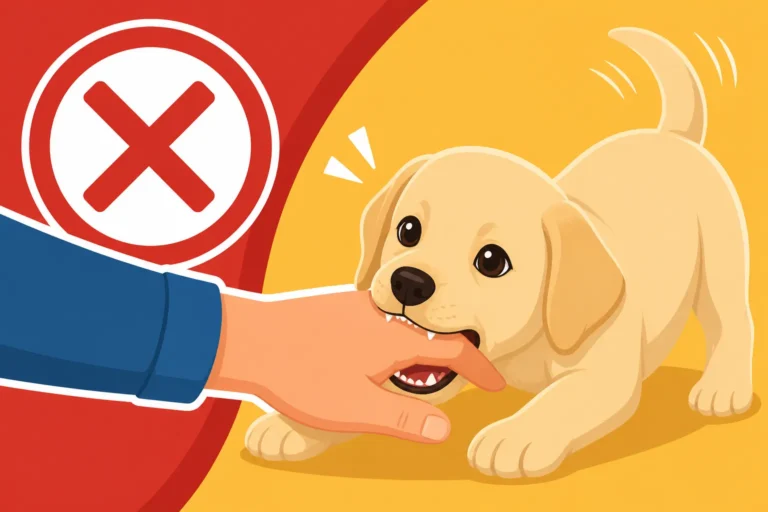
However, this enthusiasm can sometimes be overwhelming, especially for young children or those unfamiliar with large, energetic dogs. A typical Labrador, particularly a young one, moves with gusto. A wagging "otter tail" can sweep objects off coffee tables, and a playful leap can easily knock over a small child. They might not mean any harm, but their sheer size and boundless energy demand respect and careful management. Their retrieving drive also means they love to carry things in their mouths, and while this is often a "soft mouth," they might pick up a child's toy or even nip playfully if not taught appropriate boundaries. These aren't signs of aggression, but rather a reflection of their breed traits and high energy levels.
Reading Your Labrador's Body Language
One of the most crucial skills you can develop as a Labrador owner, especially in a family with children, is the ability to read your dog's body language. Labradors are famously stoic, but they constantly communicate their feelings if you know what to look for. Recognizing signs of stress, discomfort, or overstimulation in your Labrador is paramount for preventing negative interactions before they escalate.
A happy, relaxed Labrador will typically have a loose, fluid body, a wagging tail that might sweep wide or helicopter, soft eyes that aren't staring, and a relaxed mouth. Their ears might be in a natural position, not pinned back or stiffly forward. When a Labrador starts to feel uncomfortable or stressed, their body language will shift. You might see lip licking, yawning (when not tired), turning their head away, a stiffening of their body, whale eye (where the whites of their eyes are visible), or even a quick tail tuck. If they're feeling particularly overwhelmed, they might try to escape the situation, hide, or even growl softly as a warning. It's vital to respect these signals. If your Labrador is showing signs of discomfort, it's your cue to intervene, remove them from the situation, or create space. Ignoring these subtle cues can lead to a dog feeling unheard and resorting to more direct (and potentially problematic) ways of communicating their distress.
Preparing Children for a Labrador's Arrival (or vice versa)
Just as you train your dog, you need to "train" your children on how to interact safely and respectfully with your Labrador. This preparation is foundational to a peaceful household and helps prevent misunderstandings from both sides.
Teaching Kids "Dog Etiquette"
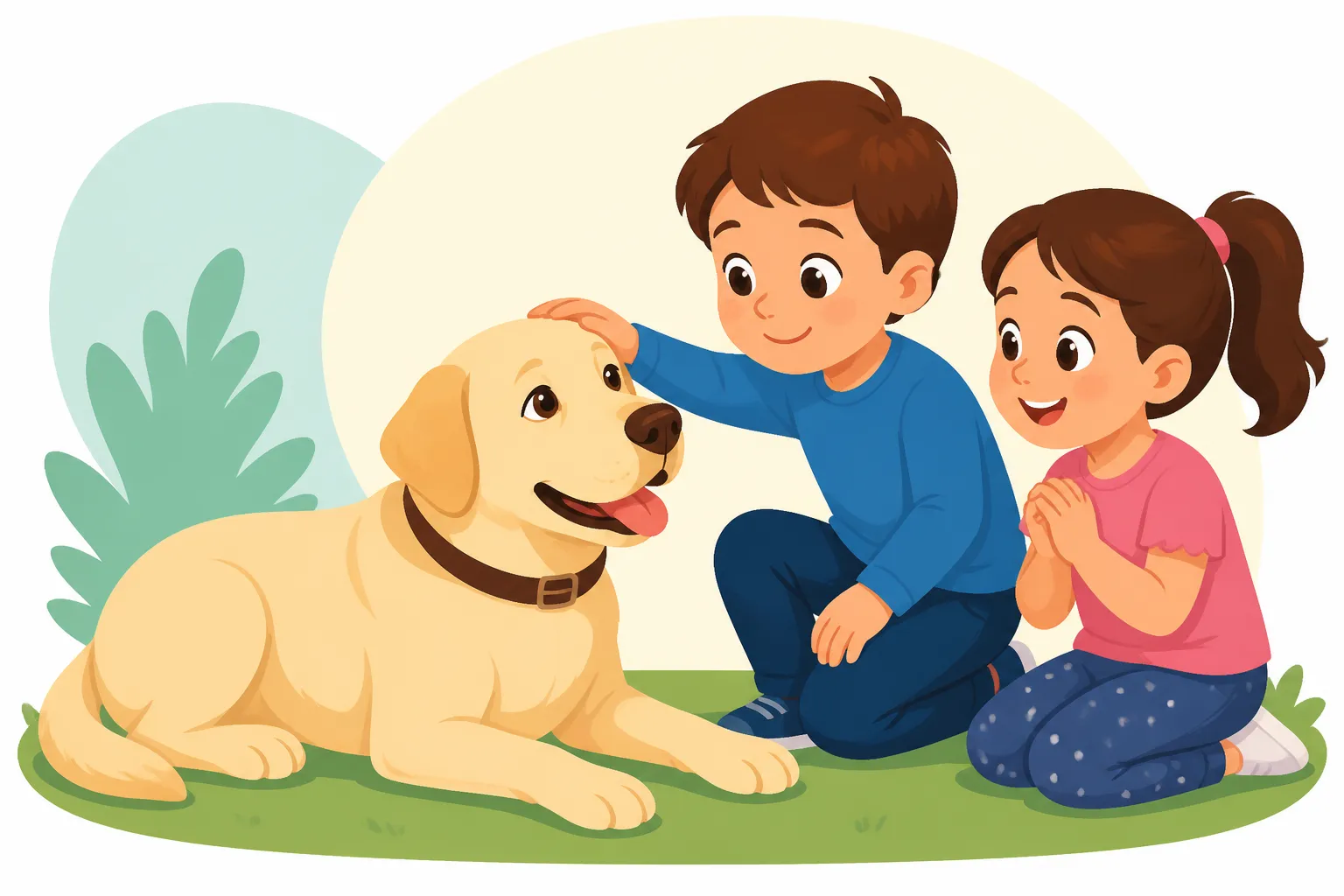
Children, especially young ones, don't instinctively know how to behave around dogs. They often see dogs as furry playthings, not living beings with their own feelings and boundaries. It's your job to teach them proper "dog etiquette" from day one. Start by explaining that dogs need space and quiet time. Teach them to always approach a dog calmly and slowly, avoiding sudden movements, running, or loud noises that can startle even the most even-tempered Labrador. Emphasize that dogs don't like hugs or kisses in the same way humans do, and that reaching over a dog's head to pet can be perceived as threatening. Instead, show them how to offer a hand for sniffing before gently petting on the chest or shoulder.
Crucially, teach children never to disturb your Labrador when it's eating, sleeping, or chewing on a toy. These are prime times when dogs can feel vulnerable or protective. Imagine being woken up abruptly or having your dinner snatched – it's no different for a dog. A simple rule like "when the dog is in its bed, leave it alone" can prevent many potential issues. Make it clear that pulling ears, tails, or poking eyes is absolutely off-limits. Reinforce that if the dog walks away, it means it wants to be left alone, and they must respect that. Teaching Children to Handle a Labrador offers more guidance on this topic.
Setting Up Safe Spaces for Both
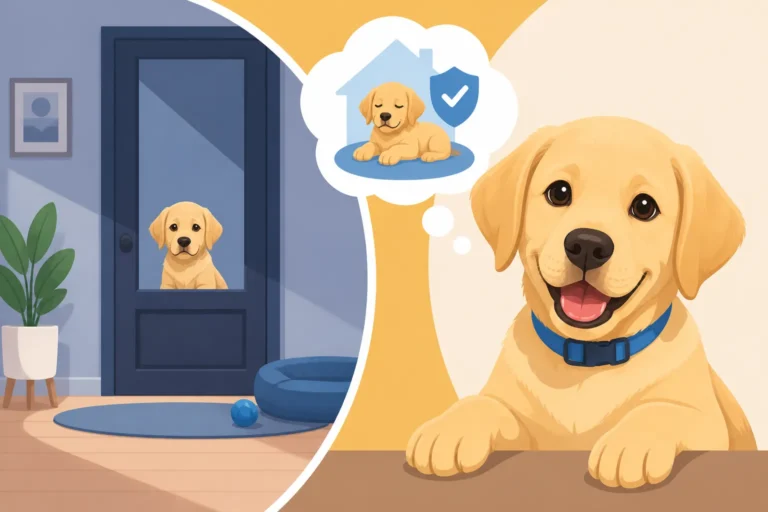
Creating designated safe zones is one of the most effective strategies for managing interactions between Labradors and children. Your Labrador needs a sanctuary – a place where they can retreat and be undisturbed. This could be their crate, a cozy bed in a quiet corner, or even a specific room with a baby gate. This space should be off-limits to children, a place where the dog knows they can relax without interruption. It's their personal den, and everyone in the family, children included, must respect this boundary. Think of it as their private bedroom.
Equally important is establishing child-only zones, especially if you have very young children or a particularly excitable Labrador. Baby gates are your best friend here. They allow the dog and child to see each other, reducing feelings of isolation, but prevent direct physical contact when supervision isn't 100%. For instance, you might gate off the living room where your toddlers play, or create a playpen area for your baby that the dog cannot access. These physical barriers provide peace of mind and prevent accidental bumps, jumps, or curious mouthing from a Labrador who might just want to investigate a dropped cracker. This strategy is also incredibly helpful during the puppy stage, when you're busy house training your puppy and managing their boundless energy; a safe space like a crate is crucial, as discussed in Crate Training a Labrador Puppy.
The First Introductions: A Step-by-Step Approach
The initial meetings between your Labrador and children set the tone for their future relationship. Rushing these interactions can lead to stress or fear, so a calm, controlled, and positive approach is key.
Controlled, Supervised Meetings
Every single interaction, especially in the early days, must be closely supervised by a responsible adult. This isn't just about safety; it's about setting up successful, positive experiences for everyone. Start with very short, calm encounters. Have your Labrador on a leash, even if they are well-behaved, to give you a measure of control if they get overly excited. Begin with the dog and child separated by a baby gate or in different rooms, allowing them to acclimate to each other's presence and sounds before direct contact.
When you're ready for a supervised meeting, ensure the environment is calm. Avoid chaotic times or high-energy situations. Have the child sit quietly on the floor (if old enough) or in a high chair, and allow the Labrador to approach them. Do not force interaction. Let the dog sniff and investigate at their own pace. Encourage the child to offer a gentle, open hand for the dog to sniff, then teach them to gently stroke the dog on the chest or side, never the head initially. Many trainers recommend a "one-pet-rule" for young children: they can give one gentle pet, then their hand goes back in their lap. This prevents overstimulation for the dog and teaches the child restraint. Always look for those body language cues from your Labrador, and end the session before either party becomes stressed or overly excited. A series of short, positive interactions is far more beneficial than one long, stressful one.
Positive Reinforcement and Rewards
Making the presence of children a predictor of good things for your Labrador is a powerful tool in building a positive relationship. Every time your Labrador interacts calmly and gently with a child, or simply tolerates their presence without getting over-excited, reward them with high-value treats and praise. This could be a tiny piece of cooked chicken, cheese, or their favorite crunchy biscuit. The goal is for your Labrador to associate children with positive experiences and rewards. You might even find yourself reaching for a treat pouch, perhaps one you picked up on Amazon, to keep those rewards handy!
Similarly, if your children are old enough to understand, teach them to reward the Labrador for calm behavior. For instance, if the dog sits politely instead of jumping, the child can be guided to offer a treat. This helps children learn to interact positively and gives them a role in the training process. When you reinforce positive behaviors, you're not just training your dog; you're building a foundation of trust and respect that makes interactions safer and more enjoyable for everyone involved. Remember, even short bursts of training can be effective for a Labrador's focus, as highlighted in Short Training Sessions That Suit a Labrador.
Establishing Rules and Boundaries for Harmony
A truly harmonious household relies on clear, consistent rules and boundaries that everyone, both two-legged and four-legged, understands and adheres to. This prevents confusion and creates a predictable environment where everyone feels secure.
Consistent Training for Your Labrador
Ongoing, consistent training is non-negotiable when you have a Labrador and children. Basic obedience commands like "sit," "stay," "down," and "leave it" are not just party tricks; they are crucial safety cues. Practice these commands regularly, especially in the presence of children, so your Labrador learns to respond even with distractions. For instance, if your Labrador is prone to jumping, practicing "sit" when a child approaches can preempt the unwanted behavior.
Beyond basic commands, focus on impulse control. Teaching your Labrador to "wait" before going through a door, getting a toy, or diving into their food bowl can translate into better self-control around excited children. This builds mental discipline and helps them manage their natural exuberance. If you're looking for structured guidance, platforms like BAXTER & Bella offer comprehensive online training programs that can help you maintain consistency and tackle specific behavioral challenges from puppyhood through adulthood. Their resources often include detailed steps and support, which can be invaluable when trying to integrate training into a busy family life.
Managing Playtime and Energy Levels
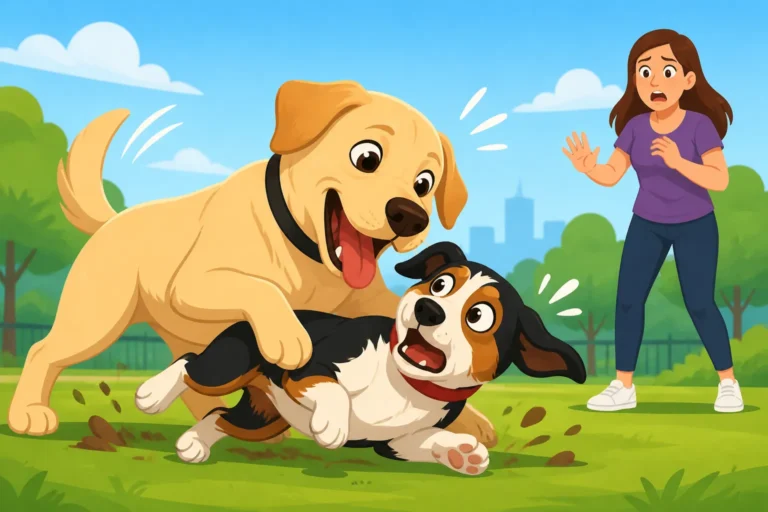
Labradors love to play, and so do children, but not all play is created equal when it comes to dog-child interactions. Establish clear rules for playtime to ensure it's safe and positive. Encourage games like fetch with a soft toy or gentle tug-of-war (with the rule that the dog must "drop" the toy on command). These activities channel their natural retrieving drive in a constructive way. However, strictly discourage games that involve chasing, wrestling, or roughhousing between children and your Labrador. These can quickly escalate into over-excitement, accidental nips, or jumps that can injure a child.
It's also essential to manage your Labrador's energy levels before they interact with children. A tired Labrador is a good Labrador. Ensure your dog gets plenty of appropriate exercise, like a brisk walk, a good run in the park, or a vigorous game of Retrieving Games That Tire a Labrador, before settling down with the kids. This can help prevent them from becoming overly boisterous when children are present. If your Labrador tends to mouth hands or clothes, immediately redirect this behavior to an appropriate chew toy. This teaches them what is acceptable to chew and helps curb Labrador Puppy Mouthing and How to Redirect It.
Addressing Common Challenges and Troubleshooting
Even with the best preparation, living with a Labrador and children will inevitably present some challenges. Knowing how to identify and address these common issues can prevent them from becoming ingrained problems.
Dealing with Over-Excitement and Jumping
One of the most frequent complaints from Labrador owners with children is managing their dog's boundless enthusiasm, which often manifests as jumping. A Labrador jumping up on a child, even playfully, can be frightening and dangerous. The key to stopping this behavior is absolute consistency from everyone who interacts with the dog. When your Labrador jumps, the response should be immediate and uniform: turn your back, cross your arms, and completely ignore them. No eye contact, no pushing them down, no scolding. Only when all four paws are on the floor do you turn around and calmly offer praise or a treat.
Preventative measures are also crucial. Teach your Labrador to "sit" when greeting people, including children. Practice this repeatedly. If your dog is getting over-aroused by children's loud noises or running, create a physical barrier or remove the dog to its safe space until calm is restored. Remember, any attention, even negative attention, can reinforce the jumping behavior for your Labrador. Make calm, four-paws-on-the-floor greetings the only way they get what they want – your attention. More specific strategies for this can be found in Stopping a Labrador From Jumping Up.
Resource Guarding and Protective Behavior
While Labradors are generally not known for aggression, any dog can develop resource guarding if not managed properly, especially given their food drive. Resource guarding is when a dog becomes possessive over food, toys, sleeping spots, or even people, and reacts negatively (growling, snapping, biting) if someone approaches. It's a serious behavior that requires immediate and careful intervention.
Recognize the early signs: a stiff body over a toy, a low growl when a child comes near their food bowl, or a rapid snatching of a dropped item. Management is the first step: feed your Labrador in a separate room, away from children. Pick up all high-value toys (like favorite bones or chew items) when children are present. Teach your Labrador a reliable "drop it" and "leave it" command, practicing with items they value, then rewarding them with an even higher-value treat. You can also teach a "trade" game, where you offer a superior treat for a guarded item, making the exchange positive. Never punish a growl, as this teaches the dog to skip the warning and go straight to a bite. If you notice persistent resource guarding, especially towards children, it is vital to consult with a professional dog behaviorist. This isn't a behavior you should try to fix on your own, as mishandling it can make it worse. Dive deeper into this topic with Resource Guarding in Food-Driven Labradors.
Long-Term Strategies for a Lasting Bond
Building a strong, positive relationship between your Labrador and children is an ongoing process that extends far beyond the initial introductions. It requires continued effort, education, and mutual respect.
Involving Children in Labrador Care
Engaging children in age-appropriate aspects of your Labrador's care can be a wonderful way to foster a deeper bond and teach responsibility. For older children, this might mean helping measure out food portions at mealtime (under your supervision, of course, to ensure proper Portion Control for a Food-Obsessed Labrador). Younger children can help by gently brushing the dog's coat, fetching toys for playtime, or assisting with simple training cues like "sit" or "stay" (again, with close adult guidance).
These activities not only give children a sense of ownership and importance in the dog's life but also create positive, structured interactions. It teaches them empathy and understanding of a living creature's needs. Ensure that any task given to a child is genuinely safe and enjoyable for both the child and the dog. The goal is to build positive associations, not create stressful chores. This involvement transforms the dog from just "a pet" into a cherished family member who everyone contributes to caring for.
Ongoing Supervision and Education
Even with the most well-behaved Labrador and the most dog-savvy children, ongoing supervision is non-negotiable. Children grow and change, and so do dogs. What might have been a safe interaction yesterday could be different today as a child explores new behaviors or a dog enters a new life stage. Never leave young children unsupervised with any dog, regardless of how trustworthy you believe your Labrador to be. Accidents happen quickly, and even the most patient dog has a limit.
Regularly refresh your children's knowledge of dog safety rules as they mature. What you teach a toddler will be different from what you teach an eight-year-old. Continue to observe your Labrador's body language closely during all interactions. If you notice signs of fear or stress in your Labrador, or if your child is struggling to respect boundaries, re-evaluate your strategies and be prepared to step in. The relationship between a Labrador and children is a beautiful, dynamic bond that thrives on constant attention, clear communication, and a commitment from the adults to ensure everyone's safety and well-being. Keeping an eye on their energy levels is always important, as Labrador Energy Level by Age can tell you, their needs will shift over time.
Quick Guide to Safe Labrador-Child Interactions
Here's a handy table to quickly reference do's and don'ts when it comes to your Labrador and children:
| Interaction Type | Do's (Safe & Recommended) | Don'ts (Unsafe & Discouraged) |
|---|---|---|
| Approaching Dog | Approach calmly, quietly, let dog sniff hand. | Rush, yell, grab, run towards the dog. |
| Petting | Gentle strokes on chest/shoulder, "pet and leave." | Hugging, kissing face, pulling ears/tail, poking eyes. |
| Dog's Space | Respect crate/bed as a safe zone; use baby gates. | Disturb dog while eating, sleeping, or chewing. |
| Playtime | Supervised fetch, gentle tug, puzzle toys. | Roughhousing, chasing games, wrestling, teasing. |
| Training | Reward calm behavior, practice "sit" for greetings. | Punish growls, yell at dog for jumping. |
| Supervision | Always supervise interactions, especially with young kids. | Leave children and dog alone, even for a moment. |
| Understanding Cues | Learn dog's body language (stress vs. relaxation). | Ignore signs of discomfort (lip lick, yawn, stiff body). |
| Environment | Provide quiet spaces for both dog and child. | Allow chaotic, uncontrolled interactions. |
This article is for general informational purposes only and does not constitute professional advice. Laws, prices and regulations vary by location and change over time. Consult a qualified professional for guidance on your specific situation.