Why a Labrador Puppy Bites Hands and Sleeves
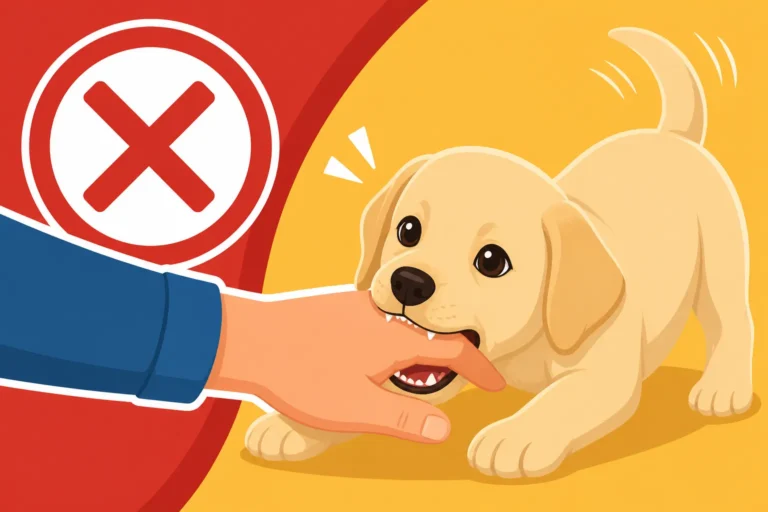
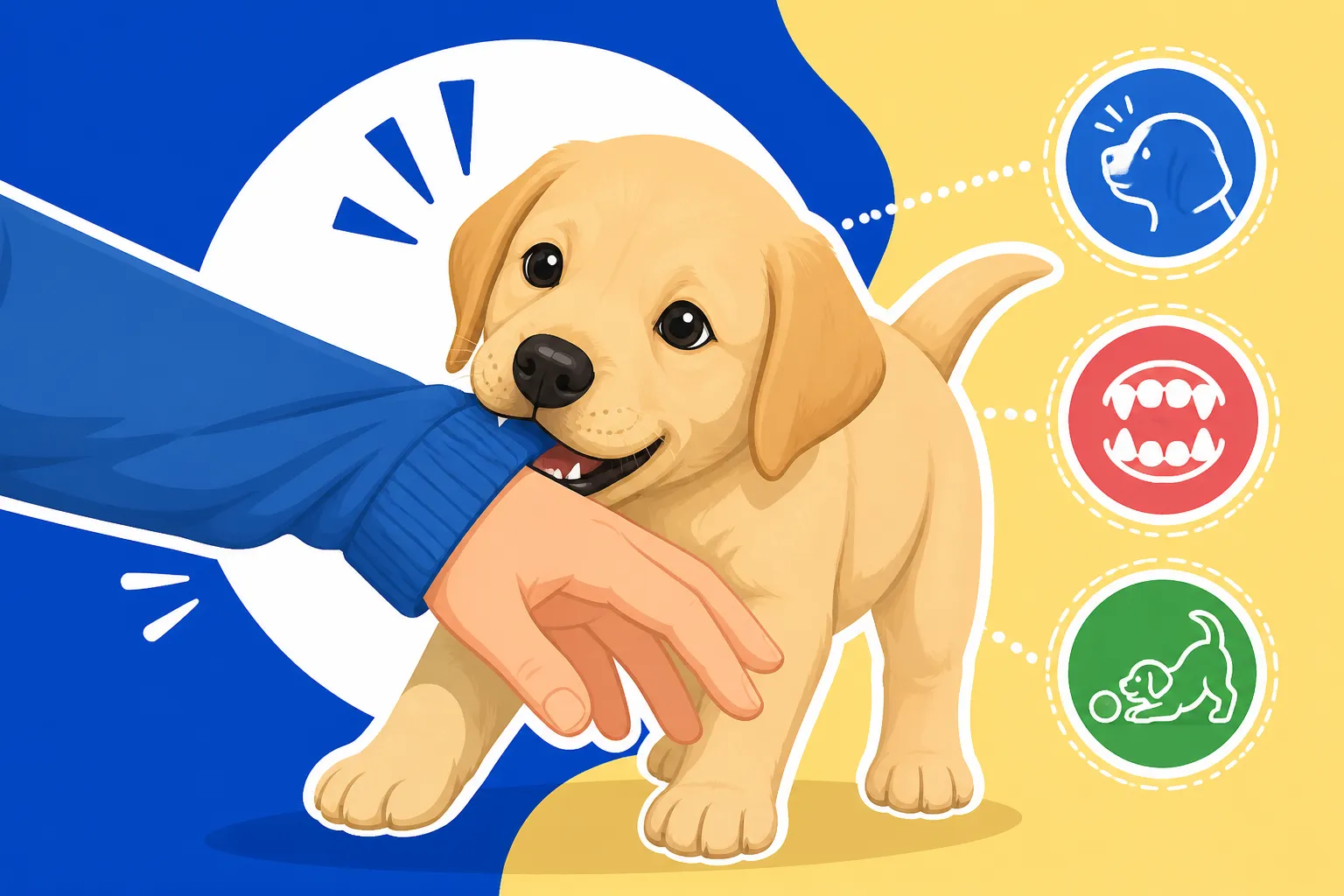
Oh, the joy of a new Labrador puppy! Those big, clumsy paws, that adorable wobbly run, and then… chomp! Those needle-sharp puppy teeth latching onto your hand, your sleeve, or even your unsuspecting ankle. It’s a common frustration for new Labrador owners, feeling like their sweet little fur baby has suddenly transformed into a tiny piranha. But don't despair! This isn't a sign of aggression; it's a completely normal, albeit painful, stage of puppyhood. This guide will walk you through why your Labrador puppy uses their mouth so much and, more importantly, how you can gently and effectively teach them to keep their teeth to themselves.
The Natural Reasons Behind Puppy Biting
It’s easy to feel personally attacked when your Labrador puppy is constantly nipping, but it’s crucial to understand that they're not doing it out of malice. In their world, biting and mouthing serve several important, natural purposes. It's how they interact with the world and learn about their environment, much like a human baby puts everything in their mouth.
Exploring the World with Their Mouths
Imagine having no hands, no opposable thumbs, and limited dexterity in your paws. How would you investigate a new object? How would you understand its texture, its give, its temperature? For a puppy, their mouth is their primary tool for sensory exploration. It's their equivalent of our hands and eyes rolled into one. When your puppy mouths your fingers, they're not necessarily trying to hurt you; they're gathering information.
Think about a new toy you give them. The first thing they do is put it in their mouth, chew on it, and feel it. They're learning if it's hard, soft, chewy, or crunchy. The same goes for your hand, your arm, or even the hem of your pants. They're trying to figure out what these things are. This exploratory mouthing is especially common in very young puppies, as they’re just starting to make sense of the vast, exciting world around them. It's a completely natural and necessary part of their development, even if it feels a bit like torture for us.
Teething Pains and Relief
One of the most significant drivers behind persistent puppy biting is teething. Just like human babies, puppies go through a period where their baby teeth fall out and their adult teeth emerge, and let me tell you, it's not a comfortable process for them! Those tiny, razor-sharp puppy teeth, which are great for tearing up food, eventually give way to larger, stronger adult teeth. This transition usually starts around 3-4 months of age and can last until they're about 6-7 months old. You can learn more about The Labrador Teething Timeline to know what to expect.
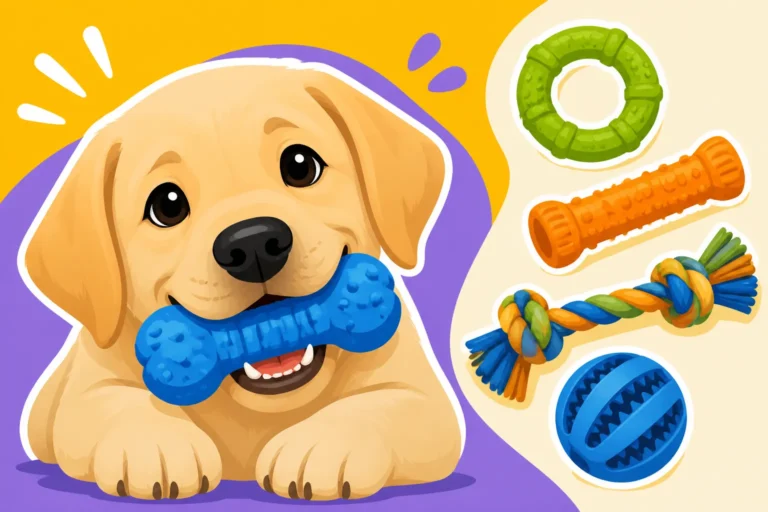
During this time, your puppy's gums become swollen, sore, and incredibly itchy. Chewing provides immense relief by applying pressure to the aching areas, similar to how a child might chew on a teething ring. Your hands and sleeves, being conveniently located and often soft enough to mold around their gums, become prime targets for this relief-seeking behavior. Providing appropriate and varied Toys That Satisfy a Teething Labrador is absolutely essential during this phase. Things like frozen Kongs, rubber chew toys, or even a chilled carrot can offer welcome comfort for their inflamed gums, diverting their attention from your personal extremities.
Instinctual Play and Communication
Before your Labrador puppy came to live with you, they were with their littermates and their mother. In that environment, biting was a perfectly normal and acceptable part of play and communication. Puppies wrestle, tumble, and nip at each other. This rough-and-tumble play teaches them vital social skills, including something called "bite inhibition." When one puppy bites another too hard, the bitten puppy will often yelp loudly, and the play will stop. This immediate feedback teaches the nipper that "ouch, that was too hard, and now my playmate doesn't want to play with me."
The mother dog also plays a critical role, sometimes giving a growl or a gentle correction if her puppies get too rambunctious with their mouths. This process helps puppies learn to control the pressure of their bite – to understand that a gentle mouth is okay, but a hard bite is not. When they join your family, they’re still operating on these instincts. They see your hands moving and might interpret them as another puppy’s paws, inviting a game of rough play that involves lots of mouthing and nipping. It's up to us to pick up where their canine family left off and continue teaching them appropriate manners.
Understanding Bite Inhibition and Why It Matters
Teaching your Labrador puppy not to bite isn't just about saving your hands; it's about raising a well-adjusted, safe adult dog. Bite inhibition is a critical skill that every dog needs to learn, especially a large, powerful breed like a Labrador Retriever.
What is Bite Inhibition?
Bite inhibition isn't about teaching your dog never to put their mouth on anything, or to never bite at all. That's an unrealistic and potentially dangerous goal. Instead, bite inhibition is the ability for a dog to control the pressure of their bite. A dog with good bite inhibition understands how much pressure it takes to cause pain, and, crucially, will not apply that much pressure even in situations where they might feel stressed, scared, or overexcited.
Think of it this way: even the most well-behaved dog might, in a moment of surprise or fear, snap or mouth. But a dog with strong bite inhibition will do so with a gentle, inhibited mouth, rather than a full-force bite that could cause serious injury. This skill is paramount, particularly for a breed as strong as a Labrador. An adult Labrador’s full bite force is considerable, and while we hope they never use it aggressively, knowing they have a "soft mouth" is vital for the safety of everyone they interact with, from children to other pets and even unexpected strangers. It's about ensuring that if they do accidentally nip, it causes a bruise, not a puncture.
The Role of the Litter and Mother
As we touched on earlier, a puppy's first lessons in bite inhibition come from their littermates and mother. This "natural curriculum" is incredibly effective. When a puppy bites a sibling too hard, the offended sibling typically yelps loudly and immediately stops playing. This teaches the biting puppy that rough play results in a loss of play. It’s a powerful, natural consequence.
The mother dog reinforces these lessons. If her puppies are too rough with her, she might give a corrective growl, a firm stare, or even get up and walk away, effectively ending the interaction. This teaches the puppies that their mother’s discomfort leads to a withdrawal of her attention and affection, which is something they definitely don't want. These early experiences are why proper Socializing a Labrador Puppy during their critical development window is so important – it allows them to learn these subtle cues from other dogs. When puppies are removed from their litter too early, they miss out on these vital lessons, and owners often find themselves dealing with a much more mouthy puppy who hasn't learned these fundamental boundaries.
Your Human Role in Teaching Soft Mouths
Once your Labrador puppy comes home, you become their primary teacher, stepping into the shoes of their littermates and mother. This means you need to consciously and consistently teach them about bite inhibition, using methods they can understand. The key is to mimic the natural feedback they would get from other dogs. This involves teaching them that human skin is fragile and that any pressure from their teeth, even light, is unacceptable during play or interaction.
This isn't about punishment; it's about communication and consequence. You'll be teaching them that gentle mouthing is not okay, and that human hands are for petting, not for chewing. It requires patience and consistency, but the effort you put in now will pay dividends in raising a dog that is a joy to be around and safe for all. Our goal is to encourage them to only put their mouths on appropriate chew toys and never on human skin. This process is a core component of Training a Labrador From Puppy to Adult.
Practical Strategies to Redirect Biting
Now that we understand why your Labrador puppy is biting, let's talk about the practical steps you can take to manage and redirect this behavior. Consistency, patience, and positive reinforcement are your best friends here.
The "Yelp and Withdraw" Method
This is perhaps the most effective method for teaching bite inhibition, as it directly mimics what a puppy learns from their littermates. Here’s how it works:
- Exaggerated Yelp: The instant your puppy’s teeth touch your skin, let out a sharp, high-pitched "ouch!" or "yelp!" Make it sound genuinely painful, even if it didn't hurt that much. This sudden, unexpected sound is similar to what another puppy would do.
- Immediate Withdrawal: Immediately after the yelp, remove your hand, arm, or whatever body part they were biting. Don't just pull it away; completely withdraw it from their reach and turn your back to them. If they jump on you, simply stand up and cross your arms, ignoring them completely.
- Brief Time-Out: If the puppy continues to try and nip or jumps up to get your attention, give them a brief "time-out." This means either you leave the room for 10-20 seconds or, if safe and practical, gently guide them into a pen or crate for a short cool-down period. The key is to make it clear that biting equals the end of all interaction and fun.
- Resume Interaction Calmly: After the brief time-out, return to them (or let them out if they were crated) and resume interacting calmly. If they nip again, repeat the entire process immediately.
The success of this method lies in its consistency. Every single person who interacts with the puppy must respond the same way, every single time. It's also important to return to interaction quickly so the puppy associates the cessation of fun only with the biting, not with you being upset long-term. Remember, short training sessions are often best for a young Labrador, as their attention spans are quite limited. How Long a Labrador Puppy Can Concentrate is often shorter than you think!
Providing Appropriate Chew Alternatives
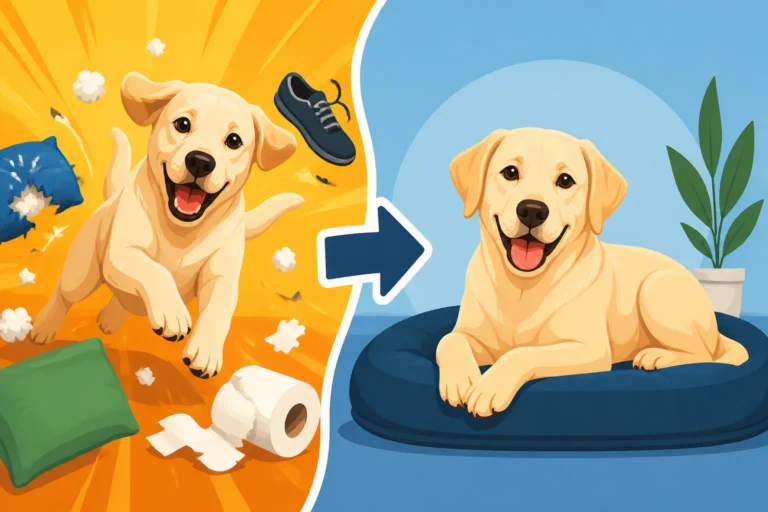
One of the simplest yet most powerful ways to manage puppy biting is to ensure your Labrador always has acceptable things to chew on. If they have an instinct to chew (and they absolutely do, especially during teething), you need to provide them with approved outlets for that behavior.
Keep a variety of appropriate chew toys readily available wherever you and your puppy spend time. This means having them in the living room, in their crate, and even carrying one in your pocket. When your puppy starts to mouth your hands or clothes, immediately redirect them to an appropriate chew toy. Gently place the toy in their mouth, praise them when they take it, and then engage them with the toy. Play a little tug-of-war (with clear rules – you start and end the game, and the toy touches your hand, not your skin) or roll the toy for them to chase.
Variety is also key. Some puppies love soft, plush toys; others prefer hard, durable rubber toys (like those made by Kong) that can withstand their powerful jaws. Frozen chew toys or puzzle feeders stuffed with frozen peanut butter (xylitol-free, of course!) can also be wonderful for soothing teething gums and keeping them occupied. Look for durable, non-toxic options on platforms like Amazon, ensuring they are sized appropriately for your growing Labrador. Having a range of textures and hardness levels can keep them interested and reduce the likelihood of them seeking out your hands for relief.
Engaging in Structured Play and Training
Redirecting your Labrador's energy and mouthiness through structured play and early training can make a huge difference. Labradors are intelligent and energetic dogs who thrive on having a "job" to do, even if that job is just playing fetch or learning basic commands.
Instead of roughhousing with your hands, which can inadvertently encourage biting, engage your puppy in games that involve toys. Fetch is a classic Labrador favorite and is excellent for burning off energy without your hands getting involved. Tug-of-war, when done correctly, can also be a valuable tool. Teach your puppy to "take it" (the toy) and "drop it" on command. If their teeth accidentally touch your hand during tug, the game stops immediately. This teaches them boundaries even during exciting play. You'll find that Retrieving Games That Tire a Labrador are not only fun but great for their development.
Enrolling in a positive reinforcement puppy class or utilizing an online training program like BAXTER & Bella can provide a structured environment for learning. These programs often teach essential commands like "sit," "stay," "leave it," and "drop it," which are invaluable for managing a mouthy puppy. When your puppy is focused on learning a command or engaging with a toy, they’re less likely to be nipping at you. Remember, Short Training Sessions That Suit a Labrador are more effective than long, drawn-out ones. Just 5-10 minutes a few times a day can make a huge impact. This also helps build a strong foundation for First Commands to Teach a Labrador and reinforces your role as a benevolent leader.
| Chew Toy Type | Best For | Benefits | Caveats |
|---|---|---|---|
| Rubber Toys | Teething, moderate chewers | Durable, bouncy, can be stuffed with treats | Some very strong chewers might destroy them quickly |
| Nylon Bones | Strong chewers, long-lasting | Satisfies urge to gnaw, good for dental health | Can be very hard, supervise to prevent splintering |
| Rope Toys | Interactive play, tugging | Great for fetch and tug-of-war | Can fray and become ingestible, supervise closely |
| Puzzle Feeders | Mental stimulation, slow eating | Keeps puppies busy, provides a "job" | Requires supervision, some parts can be chewed off |
| Edible Chews | Short-term satisfaction | Highly motivating, digestible (check ingredients) | Monitor for choking hazards, high calorie if overused |
Avoiding Common Mistakes and Seeking Help
While puppy biting is a normal phase, how you respond to it can either help or hinder its resolution. It's important to be mindful of common pitfalls and know when it might be time to call in some extra help.
What Not to Do
It's natural to get frustrated when your puppy's nips are constant and painful, but certain reactions can actually make the problem worse or damage your relationship with your dog.
- Don't physical punish your puppy: Hitting, tapping their nose, holding their mouth shut, or alpha rolling them is absolutely counterproductive. These methods teach fear, not bite inhibition. A puppy might stop biting you out of fear, but they haven't learned to control their bite pressure; they've only learned that you are unpredictable or scary. This can lead to a dog who bites harder when truly stressed, or one who doesn't give warning signs before a bite because they've learned warnings are punished. You'll want to avoid these kinds of tactics at all costs. For more on this, read What Not to Do When a Labrador Puppy Bites.
- Don't yank your hand away quickly: While the "yelp and withdraw" method involves moving your hand, doing so with a quick, jerky motion can actually trigger a puppy's prey drive. To them, a fast-moving object can look like something to chase and catch, making them even more likely to lunge and bite. Instead, remove your hand smoothly and firmly, then disengage.
- Don't use your hands as toys: Avoid wrestling or playing rough with your puppy using only your hands. This teaches them that hands are fun objects to bite and play with, confusing the boundaries you're trying to set. Always use a toy as a barrier between your hands and their mouth during play.
- Don't ignore the problem: Hoping it will "just go away" as they get older is a dangerous gamble. While mouthing might decrease as they age and lose their baby teeth, the lack of bite inhibition training means that if they do nip as an adult, it could be with full force. Address the behavior now, while they are young and most receptive to learning.
Consistency Across the Household
Imagine being a puppy trying to learn the rules, and every person in your family has different ones. One person yelps, another pushes you away, and another thinks it's funny when you mouth their hand. How confusing would that be? Inconsistency is one of the biggest roadblocks to successfully teaching bite inhibition.
For your Labrador puppy to truly understand the message that human skin is off-limits, everyone in the household needs to be on the same page. Hold a family meeting and decide on a consistent approach – typically the "yelp and withdraw" method combined with immediate redirection to an appropriate chew toy. Discuss how to respond to nips, what toys are acceptable, and how to engage in play without encouraging biting. This includes children, who need to be taught how to interact gently with the puppy and what to do if the puppy nips them. Teaching children Labrador Puppy Nipping at Small Children is particularly important for their safety and the puppy's training. The more consistent the environment, the faster your puppy will learn and understand the boundaries.
When to Consult a Professional
Most Labrador puppy biting can be managed effectively with consistent application of the strategies outlined above. However, there are times when it’s wise to seek the guidance of a professional dog trainer or a veterinary behaviorist.
Consider professional help if:
- The biting is exceptionally hard or persistent: If your puppy is routinely breaking the skin, drawing blood, or seems to be biting with unusual intensity despite your consistent efforts, it could indicate a deeper issue that requires expert assessment.
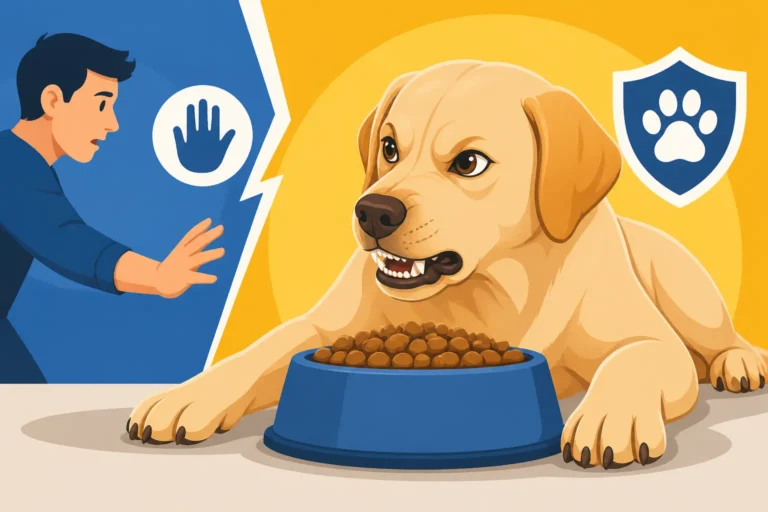
- Your puppy shows signs of aggression: This includes growling, snapping, or lunging with stiff body language when not in play, especially if it's over resources like food or toys. True aggression is different from typical puppy play biting and needs immediate intervention.
- You're feeling overwhelmed or unable to make progress: Sometimes, a fresh pair of eyes and tailored advice can make all the difference. A certified professional dog trainer (CPDT) can observe your interactions, identify subtle cues you might be missing, and help you implement a training plan specific to your puppy and family.
- You're concerned about safety: If you have small children, elderly family members, or other vulnerable individuals in the home and are struggling to curb the biting, getting professional help is a priority to ensure everyone's safety.
A good trainer will use positive, reward-based methods and help you understand your puppy's body language and motivations. They can also offer personalized solutions and support, helping you build a stronger, more positive relationship with your Labrador. Don't hesitate to reach out if you feel out of your depth; it's a sign of a responsible pet owner.
Disclaimer
This article is for general informational purposes only and does not constitute professional advice. Laws, prices and regulations vary by location and change over time. Consult a qualified professional for guidance on your specific situation.