Why a House-Trained Labrador Regresses
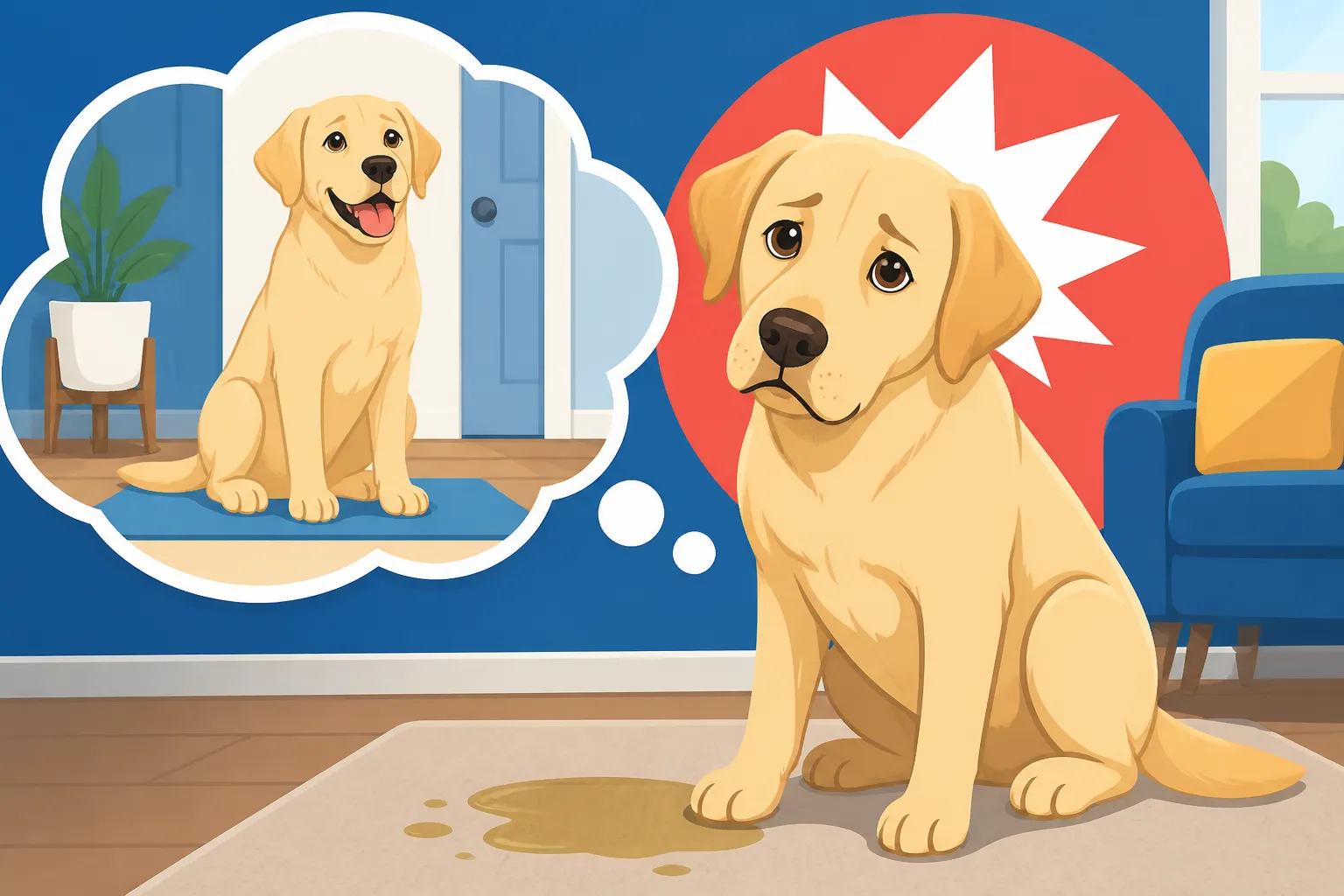
It's incredibly disheartening when your beloved Labrador, who once perfectly understood that all potty business happens outdoors, suddenly starts having accidents inside the house again. You thought you were past this stage, perhaps even years ago, and now you're left scrubbing floors, wondering what went wrong and feeling a deep sense of frustration. This guide is here to walk you through the many reasons a house-trained Labrador might regress and provide practical, empathetic advice on how to get back on track.
Understanding the Labrador's Mindset and House Training Basics
Labradors are generally considered intelligent dogs, eager to please, and highly trainable. Their strong desire to be with their people and learn new things makes them excellent candidates for house training. However, "house-trained" isn't a permanent, immutable state; it's a learned behavior reinforced over time. Life happens, and sometimes, even the best-behaved Labs can experience a lapse.
The Early Days: What "House-Trained" Really Means
When we say a Labrador is "house-trained," what we really mean is they've learned a specific association: they relieve themselves outside and hold it inside. This isn't just about understanding "no potty in the house"; it's about developing the physical ability to hold it for extended periods, recognizing the cues to go outside, and being consistently rewarded for doing so. A successful house training journey involves a strict schedule, constant supervision, positive reinforcement, and usually, a good deal of patience on the owner's part. It's a testament to the strong bond and clear communication you've built with your dog.
Think back to those puppy days. You were probably taking your Labrador Puppy Feeding Amounts and Schedule outside every hour or two, after every nap, and certainly after every meal. You probably praised them lavishly when they did their business in the right spot and immediately cleaned up any indoor mishaps without fuss. This consistent, predictable routine is what built that initial foundation. It’s a habit, and like any habit, it can be unlearned or disrupted under certain circumstances.
Why Regression Feels So Frustrating
When house training regression occurs, it feels like a betrayal, doesn't it? You put in all that hard work, maybe endured sleepless nights taking your Labrador Puppy Nights and Crying out, and now it seems like it was all for nothing. This frustration is completely normal and valid. It’s messy, it’s inconvenient, and it can be confusing because your dog knows better. You might start to question your dog's intelligence, your training abilities, or even your relationship with your Lab.
The key to overcoming this frustration is to remember that regression is almost never intentional or spiteful. Dogs operate on a simpler, more immediate logic. If they're having accidents, there's a reason, and it's our job as their guardians to become detectives and figure out what that reason is. Reacting with anger or punishment will only make the situation worse, potentially damaging your bond and increasing your dog's anxiety, which can in turn exacerbate the problem. It's time to put on your detective hat and approach the situation with empathy and a fresh perspective.
Common Causes for House Training Regression in Labradors
There's rarely a single, simple answer when a house-trained Labrador starts having accidents. It's often a combination of factors, or one big underlying issue that's gone unnoticed. Unpacking these potential causes is the first crucial step toward finding a solution.
Medical Issues Mimicking Behavioral Problems
This is often the first, and most important, thing to consider. Many medical conditions can cause a dog to lose control of their bladder or bowels, or simply make it too painful or difficult to adhere to their house training. Things like urinary tract infections (UTIs) are incredibly common and can make a dog feel a sudden, urgent need to go, often leading to accidents right where they are. Kidney disease, diabetes, Cushing's disease, or even certain medications can increase thirst and, consequently, urination.
For older Labradors, arthritis or other mobility issues can make it painful to get up, walk to the door, or even go outside in cold or wet weather. Imagine having to navigate slippery steps or a long walk when your joints are aching; sometimes, an accident inside is simply the path of least resistance or even a physical impossibility to avoid. Cognitive dysfunction syndrome (CDS), akin to Alzheimer's in humans, can also cause senior Labs to forget their training or become disoriented. If your older Labrador is struggling, consider how Arthritis Signs in a Seven-Year-Old Labrador might manifest in their ability to get outside. A sudden change in house training almost always warrants a vet visit to rule out health problems.
Environmental Changes and Stressors
Labradors, while adaptable, thrive on routine and stability. Any significant change in their environment or daily life can trigger stress, which can manifest as house training regression. Have you recently moved to a new home? The new smells, sounds, and unfamiliar layout can be incredibly disorienting. A new baby, a new pet, or even a new family member moving in can throw off your Lab's sense of security and routine. Even a seemingly small change, like someone in the household suddenly working longer hours, can lead to increased anxiety and accidents.
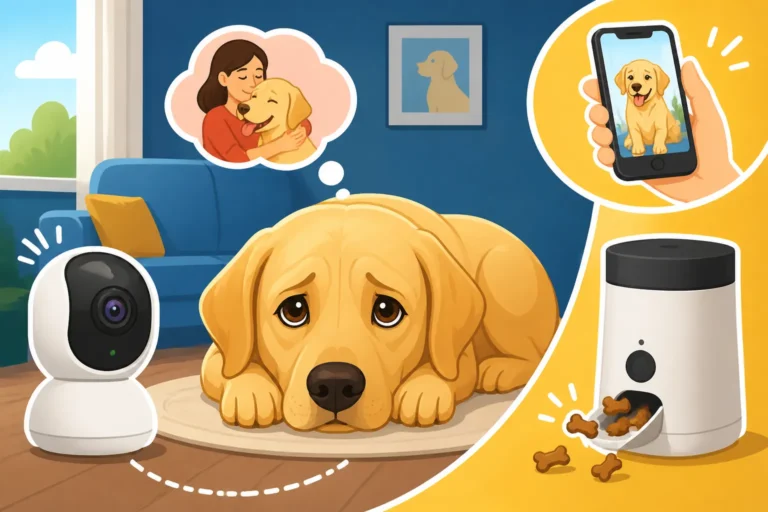
Loud noises, like ongoing construction outside or frequent thunderstorms, can also make a dog reluctant to go outside, preferring to relieve themselves where they feel safe, even if it's indoors. Some Labradors are incredibly sensitive to changes in their owner's schedule or mood. If you've been particularly busy or stressed, your dog might pick up on that, leading to their own anxiety. This can sometimes look like Separation Anxiety in Labrador Retrievers, especially if accidents occur when left alone. A change in daily walking schedules or the amount of outdoor access can also contribute.
Training Breakdown or Inconsistency
Sometimes, the regression isn't due to medical issues or major life changes, but a subtle (or not-so-subtle) breakdown in the training routine itself. This is particularly common if different family members have different expectations or methods for house training. For instance, if one person always takes the dog out immediately after waking, but another waits a bit longer, the dog might get confused. Punishing accidents instead of preventing them or simply cleaning them up without making a fuss can also be detrimental. Dogs don't understand punishment for natural functions; they just learn to hide their eliminations, making the problem harder to address.
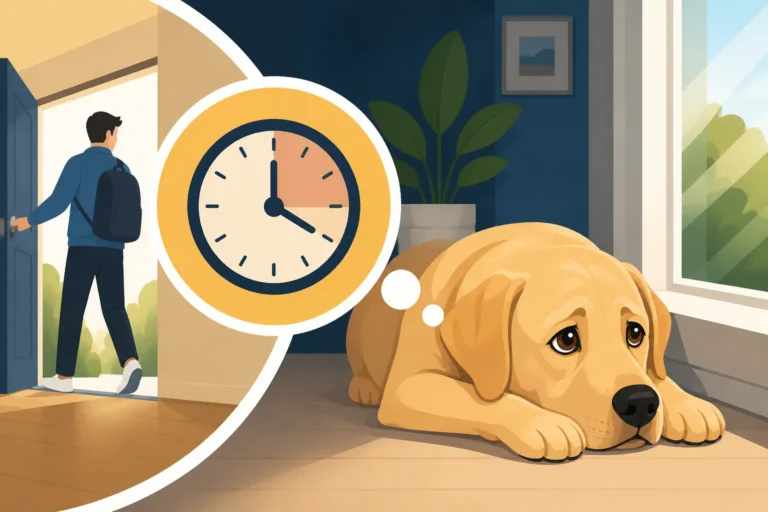
Another common scenario is gradually extending the time between potty breaks without the dog being fully ready, or simply becoming less diligent in supervision. Perhaps you used to religiously take your puppy out on a Potty Training Schedule for a Labrador Puppy, but as they got older, those strict timings started to slide. Accidents can also happen if your Labrador isn't getting enough outdoor access, especially if their exercise routine has changed or they're being left alone for longer periods than they can comfortably hold it. It’s easy to get complacent once a dog is "trained," but consistency truly is key throughout their lives. Even with the best intentions, subtle shifts can impact your Lab's learned habits.
Addressing Regression: Practical Steps for Owners
Once you've identified the potential causes, it's time to take action. This usually involves a multi-pronged approach, combining veterinary checks, a return to basic training principles, and careful management of your home environment.
A Trip to the Vet: Ruling Out the Obvious
As mentioned, a veterinary check-up is paramount the moment you notice house training regression. It's a non-negotiable first step. Your vet can perform a thorough physical exam, collect urine and blood samples, and potentially conduct further diagnostics like X-rays or ultrasounds. This can rule out common culprits like UTIs, kidney problems, diabetes, or even painful conditions like bladder stones. For older Labs, discussing cognitive function and arthritis is especially important. Your vet can assess conditions that might make it difficult for your Labrador to get outside quickly or even remember their training.
Don't wait to see if it "gets better on its own." Medical conditions can worsen over time, and the sooner you address them, the better your dog's chances of a quick recovery and a return to their normal house-trained self. Be prepared to provide your vet with a detailed history of the accidents: when they occur, how often, the volume, and any other symptoms you've noticed. This information is invaluable in helping them pinpoint the issue. Remember, addressing health concerns can save you from a lot of frustration and your dog from unnecessary discomfort. It’s an investment, but a crucial one for your Labrador Lifespan and What Changes It.
Back to Basics: Re-establishing the Routine
If medical issues are ruled out, or while they are being treated, it’s time to go back to square one with house training. This means treating your Labrador like a brand-new puppy for a week or two, even if they're an adult. The goal is to prevent all accidents inside and lavishly reward all appropriate eliminations outside.
Here’s how to do it:
- Constant Supervision: Keep your Labrador with you at all times, either on a leash tethered to you or within your direct line of sight. If you can't supervise directly, they should be in their crate. This prevents them from sneaking off to have an accident in a hidden corner.
- Frequent Potty Breaks: Take your Lab out every 1-2 hours initially, and definitely after waking, after eating/drinking, and before bedtime. Use a specific verbal cue ("go potty," "do your business") every time you take them out.
- Reward Success: When your Labrador eliminates outside, praise them enthusiastically and immediately offer a high-value treat. Make it a celebration!
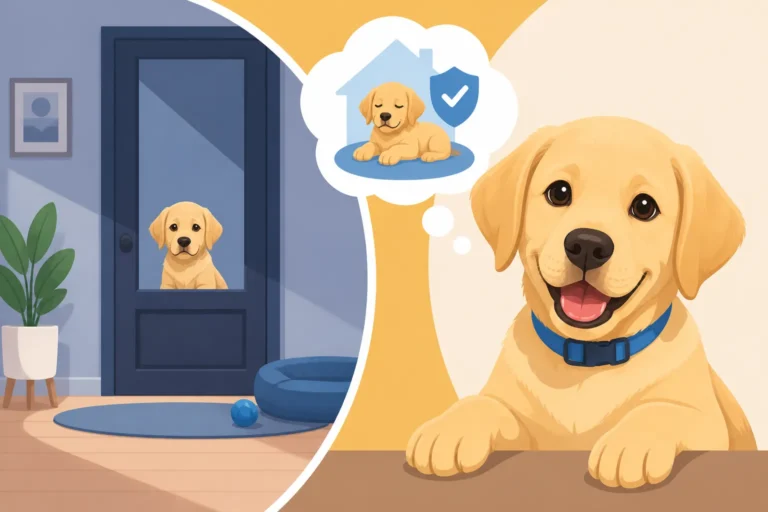
- Crate Training Revisited: If your Labrador is crate trained, use the crate judiciously. It should be a safe, comfortable space where they won't want to soil. For guidance on appropriate crate usage, revisit Crate Training a Labrador Puppy. Never use the crate as punishment, only as a management tool.
- Clean Accidents Thoroughly: Use an enzymatic cleaner (like those found easily on Amazon) to completely eliminate odors from any indoor accidents. Dogs are attracted to the smell of previous accidents, so a thorough cleanup is vital to prevent repeat offenses. Standard cleaners often don't break down the enzymes in dog urine, leaving a scent behind that's imperceptible to humans but clear as day to your dog.
It might feel tedious, but this intensive period of "back to basics" is often the quickest way to reset habits and remind your Labrador of the rules.
Managing the Environment for Success
Beyond the direct training, making some adjustments to your home environment can significantly aid in preventing regression. Consider setting up baby gates or ex-pens (also readily available on Amazon) to restrict access to certain areas of the house where accidents are more likely to occur, especially when you can't offer 100% supervision. This minimizes opportunities for mistakes and keeps your dog in areas where you can easily monitor them.
If your Labrador is experiencing stress from external factors, try to mitigate those as much as possible. For instance, if loud noises like fireworks cause anxiety, create a safe, quiet "den" for them during those times. White noise machines or calming pheromone diffusers might also help. If the issue is a new pet or baby, ensure your Labrador still gets dedicated one-on-one attention and feels secure in their place in the family. Sometimes, an online training program, like those offered by BAXTER & Bella, can provide structured support for managing new family dynamics or anxiety-related behaviors. The goal is to reduce stress and create an environment where your Labrador feels comfortable and confident.
Long-Term Strategies to Prevent Future Setbacks
House training regression, once successfully navigated, doesn't mean your Labrador is forever prone to accidents. However, it does highlight the importance of ongoing vigilance and consistency in their care and training. Implementing these long-term strategies can help ensure a house-trained life for your beloved companion.
Consistency is Key: Everyone on Board
Once you've re-established good habits, the absolute most important thing for long-term success is consistency. Every single person who interacts with your Labrador needs to be on the same page regarding potty breaks, routines, and rewards. If one family member allows for longer stretches between breaks or isn't vigilant about taking the dog out, it can quickly unravel the progress you've made. This goes for dog walkers, pet sitters, and anyone else who might be responsible for your Lab's care. Make sure they understand your expectations and routines.
Regular communication among household members about your dog's last potty break and their general needs can prevent misunderstandings. A simple whiteboard or shared calendar can even help track potty times, especially in busy households. Remember, Short Training Sessions That Suit a Labrador are best for reinforcement, but the core routine of potty breaks needs to be consistent and unwavering.
Ongoing Reinforcement and Monitoring
Just because your Labrador is "trained" doesn't mean you stop reinforcing good behavior. Continue to praise and reward your dog, perhaps not with high-value treats every single time, but with verbal praise and affection when they do their business outside. This keeps the positive association strong. Regularly observe your Labrador for subtle cues that they might need to go out – sniffing around, pacing, or heading towards the door. Don't wait for a frantic dance or a full-blown accident. Proactive potty breaks are always better than reactive cleanups.
As your Labrador ages, their physical needs might change. An older dog might not be able to hold it as long, or arthritis might make the journey outside more challenging. Be prepared to adjust your schedule and offer more frequent breaks as needed. If you have an older Labrador, Caring for a Senior Labrador involves recognizing these subtle shifts and accommodating them with grace and patience. Consider installing a doggy door if appropriate and safe, which can give your Lab more autonomy and prevent accidents.
Mental Stimulation for a Happy Lab
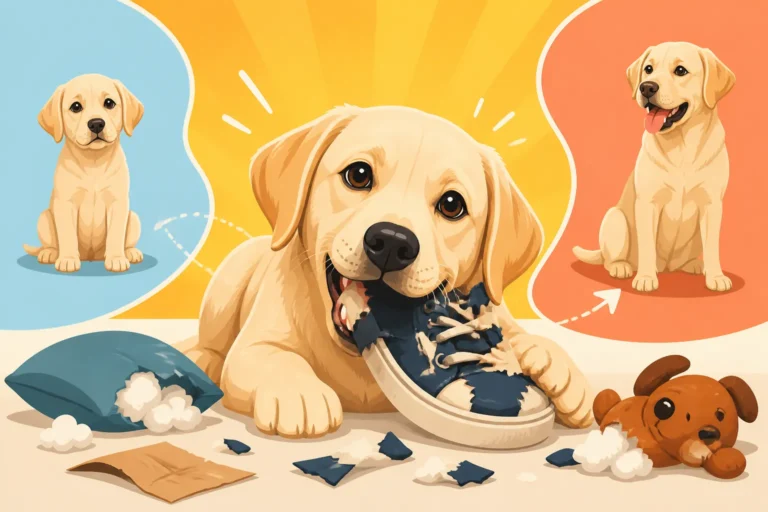
Sometimes, house training regression, particularly in younger or middle-aged Labradors, can be a symptom of boredom or insufficient mental and physical exercise. Labradors are intelligent, energetic dogs that need a job to do. If they're not getting enough stimulation, they might resort to destructive behaviors, excessive barking, or even indoor accidents as a way to relieve stress or get attention. Providing plenty of Mental Work for a Bored Labrador can prevent these issues.
Incorporate puzzle feeders, interactive toys, regular training sessions, and engaging walks into their daily routine. Consider enrolling in an obedience class, trying scent work, or even just playing structured games like hide-and-seek with their toys. A tired, mentally stimulated Labrador is a happy Labrador, and a happy Labrador is far less likely to have behavioral issues, including house training regression. A well-exercised body and mind contribute significantly to their overall well-being and their ability to follow household rules.
Potential Causes and Solutions for Labrador House Training Regression
Here's a quick overview of common reasons for house training regression and immediate actions you can take:
| Potential Cause | Symptoms | Immediate Action |
|---|---|---|
| Medical Issue | Sudden onset, increased frequency/urgency, straining, blood in urine/stool, pain, excessive thirst. | Schedule an urgent vet visit. This is always the first step. |
| Environmental Stress | New home, new pet, new baby, changes in routine, loud noises, owner stress. | Identify stressor, provide safe space, maintain routine, increase positive interactions. |
| Inconsistent Training/Routine | Accidents gradually increasing, different family members have different rules, longer alone times. | Go "back to basics" with puppy-like supervision and frequent breaks. Ensure everyone is consistent. |
| Insufficient Potty Breaks | Accidents after long periods alone, immediately after waking/eating. | Increase frequency of outdoor trips. |
| Incomplete Cleanup | Repeat accidents in the same spot. | Use enzymatic cleaner (e.g., from Amazon) to thoroughly remove odors. |
| Aging/Cognitive Decline | Accidents in previously "safe" spots, disorientation, forgetting cues. | Consult vet for cognitive support. More frequent breaks, clear pathways, doggy door. |
| Separation Anxiety | Accidents only when left alone, paired with destructive chewing, barking, pacing. | Consult vet/behaviorist. Build alone-time tolerance gradually. Consider calming aids or professional guidance from resources like BAXTER & Bella. |
| Boredom/Lack of Stimulation | Accidents paired with destructive behavior, excessive energy, seeking attention. | Increase physical exercise and mental enrichment (puzzle toys, training). |
Disclaimer
This article is for general informational purposes only and does not constitute professional advice. Laws, prices and regulations vary by location and change over time. Consult a qualified professional for guidance on your specific situation.