Teaching a Labrador to Greet Politely
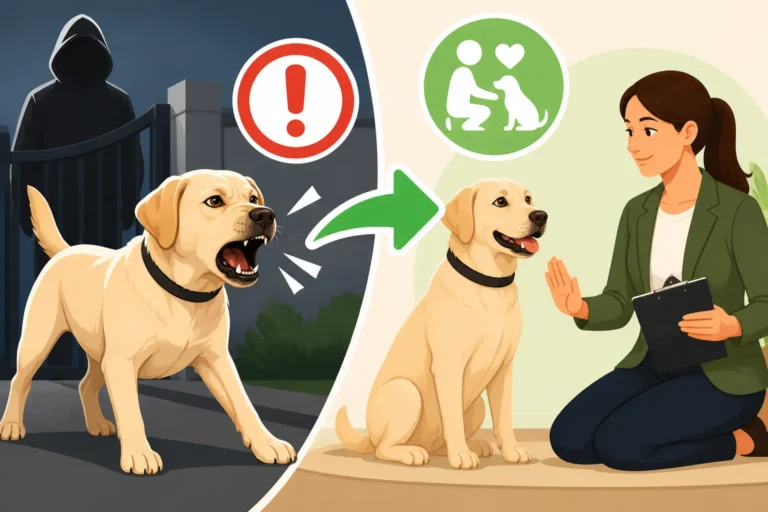
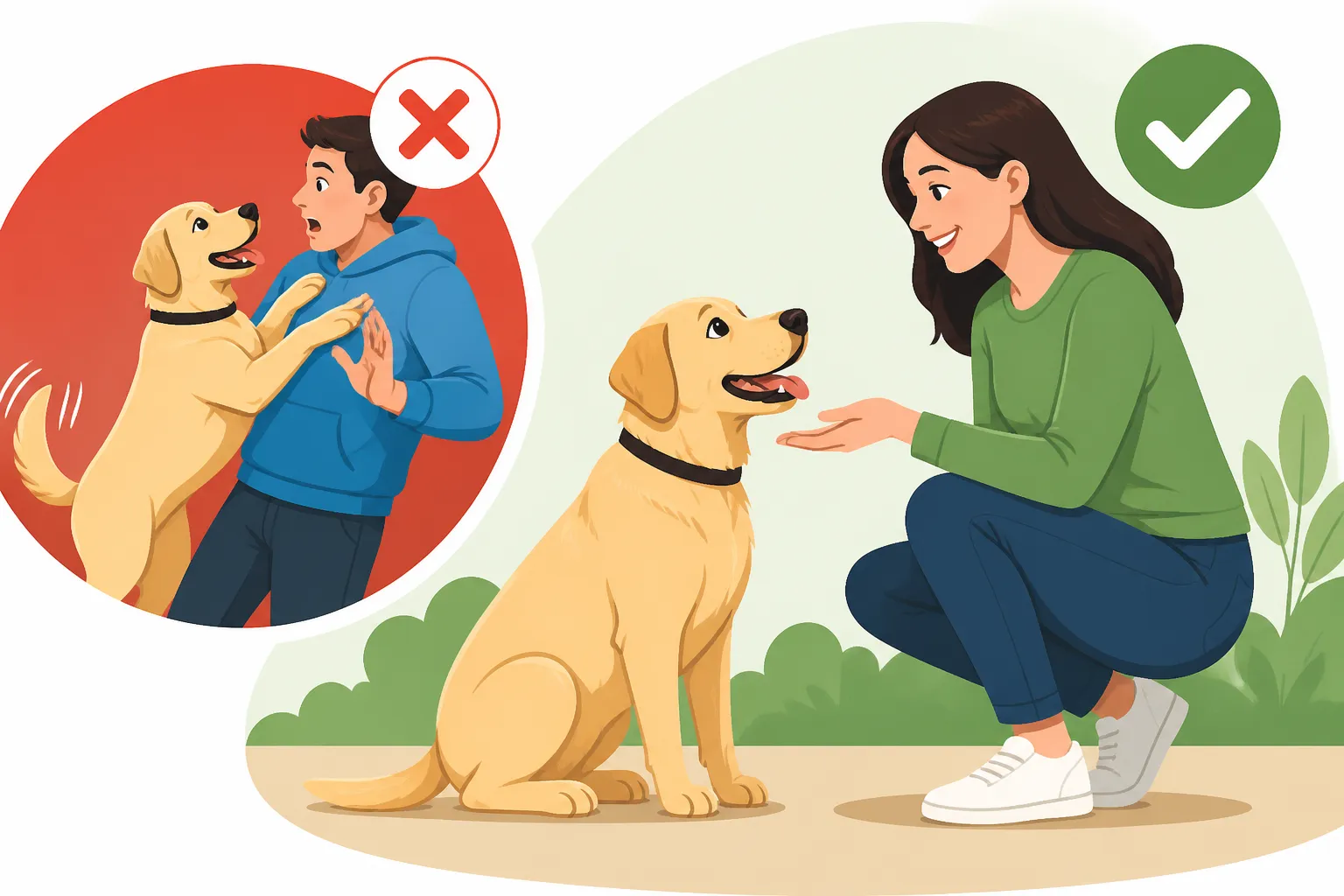
It's a scene many Labrador owners know all too well: the doorbell rings, and your lovable, well-meaning furry companion transforms into a pogo stick with four legs, launching themselves at your unsuspecting guest. Their heart is in the right place, full of joy and excitement, but the impact can be… a lot. This guide is here to help you channel that boundless enthusiasm into graceful, polite greetings, ensuring your Labrador is a welcome sight for everyone who walks through your door.
Understanding Why Your Labrador Jumps Up
Before we can teach our wonderful Labradors how to greet politely, it’s really helpful to understand why they do what they do. It’s rarely out of malice or disobedience; more often, it's a perfect storm of natural instincts, learned behaviors, and our own accidental reinforcement.
The Labrador's Natural Enthusiasm and Affection
Labradors are, by their very nature, incredibly friendly, outgoing, and affectionate dogs. They love people, and when someone new (or even someone they know and adore!) arrives, their instinct is often to get as close as possible, as fast as possible, to express that joy. For a dog, jumping up can be a way to get closer to your face, a primary point of communication for them, and to solicit attention. They're literally trying to say, "Hello! I'm so happy you're here! Pay attention to me!"
This deep-seated desire to connect is part of what makes Labradors such beloved companions, but it needs to be guided. Imagine a child who is so excited they jump on every adult; while cute at two, it becomes problematic at seven. The same goes for our Labs. Their enthusiasm is endearing, but their size and strength mean that jumping can be genuinely overwhelming, even dangerous, for some people, especially children or the elderly. It’s about channeling that love in a way that’s enjoyable for everyone.
Unintentional Reinforcement by Humans
Here's a tough truth: often, we've accidentally taught our Labradors that jumping works. Think about it. When your Lab jumps up, what's your immediate reaction? Do you push them down, say "No!", or make eye contact? All of these, from your dog's perspective, are forms of attention. Even negative attention is still attention, and for a social creature like a Labrador, any attention is often better than none. So, in their minds, "If I jump, I get a reaction." This cycle can be incredibly hard to break if you don't actively change your response.
This unintentional reinforcement can happen in subtle ways too. Perhaps you let them jump when you first come home, because you're so excited to see them. Or maybe they only jump on you, so you tolerate it, not realizing that what's okay for you becomes a learned behavior they'll try with everyone else. Consistency is absolutely key here. Every single time your Labrador jumps and gets any form of engagement, even just a glance, they're logging it as a successful strategy.
Lack of Clear Boundaries and Training
Sometimes, the jumping behavior isn't about malicious intent or even just over-excitement; it's simply a lack of understanding. If a Labrador hasn't been explicitly taught an alternative, polite greeting behavior, how are they supposed to know what to do? They're just following their natural instincts. This is where dedicated training comes in. It's not about stifling their joyful nature, but about providing them with a clear, acceptable way to express it.
A lack of clear boundaries extends beyond just the moment of greeting. If a dog isn't generally taught impulse control, or hasn't had consistent training with basic commands like "sit" or "stay" in exciting situations, then expecting them to magically stop jumping when a guest arrives is unrealistic. Polite greetings are often the culmination of a broader training foundation, emphasizing self-control and clear communication between you and your dog. Many owners find great success with a dedicated online puppy training course, such as those offered by BAXTER & Bella, which breaks down complex behaviors into manageable steps.
Foundational Training for Polite Greetings
Teaching your Labrador to greet politely isn't just about yelling "Off!" when they jump. It's about building a solid foundation of basic obedience and impulse control. These core commands will be your secret weapons in transforming frantic greetings into calm, courteous encounters.
Mastering the "Sit" Command
The "sit" command is arguably the most fundamental skill for polite greetings. If your dog can reliably sit on command, especially when excited, you have a powerful tool to redirect their energy. The goal here isn't just a sit in a quiet room, but a rock-solid "sit" even when the doorbell rings, or a new person approaches. Start in low-distraction environments and gradually increase the challenge.
Practice "sit" countless times a day, in different locations, with varying levels of excitement. Use high-value treats to reward quick, enthusiastic sits. As you progress, introduce mild distractions: have someone walk past, jingle keys, or even knock softly on a door far away. Reward every successful sit instantly. Remember, a Labrador's attention span can be short, so keep sessions brief and positive. Short Training Sessions That Suit a Labrador can provide more insights on this.
Teaching "Four Paws on the Floor"
This isn't a formal command you’ll find in every textbook, but it's an incredibly useful concept to teach your Labrador. The idea is simple: attention and rewards only happen when all four of your dog's paws are firmly on the ground. As soon as even one paw lifts in a jump, all attention is removed. This teaches your dog that jumping never gets them what they want.
You can practice this actively. When your Labrador is calm and has all four paws down, offer a treat and praise. If they start to get bouncy or lift a paw, immediately turn your back, cross your arms, and completely ignore them. No eye contact, no talking. The moment their paws are back on the floor, turn back and reward. This technique requires incredible consistency from every family member, but it's highly effective in teaching your Labrador that jumping is a non-starter for attention.
The Importance of a "Place" Command
A "place" command teaches your Labrador to go to a designated spot – like a dog bed, mat, or crate – and remain there until released. This is particularly invaluable for managing excited greetings at the front door. Instead of your Labrador being right in the guest's face, they can be calmly observing from their "place."
To teach "place," start by luring your dog onto their mat with a treat. Once they’re on it, say "Place" and reward them. Gradually increase the time they stay there and the distance you are from them. Add distractions over time, like walking around the room or having someone else move about. Once they're proficient, you can use "Place" when guests are about to arrive, giving them a job to do and preventing the jumping behavior before it even starts. Crate Training a Labrador Puppy principles can also apply here, as a crate can serve as a "place" during high-excitement times.
Step-by-Step Guide to Polite Greetings
Now that your Labrador has a solid foundation, it's time to put those skills into practice in real-world greeting scenarios. Remember, consistency and patience are your best friends here.
Managing Greetings at the Front Door
The front door is often the biggest hurdle. The sound of the doorbell or a knock can trigger an instant burst of excitement. The key is to manage the environment and your Labrador's expectations. Start with controlled setups.
Have a family member or friend act as a "guest." Before they even knock, put your Labrador on their "place" or a leash if necessary. The moment the "guest" approaches or knocks, ask your Labrador to "sit." If they remain sitting, the "guest" can briefly step inside. If your Labrador jumps or gets up without permission, the "guest" immediately steps back outside, closing the door. This teaches your Labrador that calm behavior equals access to the person they want to greet. Repeat this many, many times, gradually increasing the duration the guest stays inside and the level of interaction your Labrador is allowed, always tied to calm, four-paws-on-the-floor behavior.
Polite Greetings with Strangers in Public
Greeting strangers in public presents its own set of challenges, as you have less control over the environment and the other person's reactions. The goal is for your Labrador to acknowledge someone calmly, without jumping, and ideally, waiting for permission to engage.
When you see someone approaching, proactively put your Labrador into a "sit" or "heel" position. If the person asks to pet your dog, instruct them to only pet if your Labrador remains sitting or standing calmly with all four paws on the ground. Tell them to immediately remove their attention (stand up, turn away) if your Labrador jumps up. You can also teach your dog to pass by people politely without demanding attention. Practice loose leash walking in busy areas. Loose Leash Walking With a Labrador is a crucial skill here, as a dog pulling to get to someone is halfway to jumping.
Handling Excitement with Known Friends and Family
While strangers might be easier to manage (they usually follow instructions better), friends and family can be the toughest because they're often just as excited to see your Labrador as your Labrador is to see them! They might inadvertently reinforce jumping behavior.
Before your friends or family arrive, explain your training plan. Ask them to completely ignore your Labrador if they jump or get overly excited. No eye contact, no speaking, no touching. The moment your Labrador settles, perhaps by sitting or standing calmly, they can then offer calm praise and a pet. Encourage them to reward the desired behavior, not the unwanted one. Over time, your Labrador will learn that their beloved people will only engage when they are being polite and calm. This consistent approach is vital for success, as even one person reinforcing the jump can set your training back.
Tools and Techniques to Aid Training
While the core of polite greeting training lies in consistency and understanding, certain tools and techniques can make the process smoother and more effective for both you and your Labrador.
Appropriate Leash and Harness Choices
For many Labradors, a standard flat collar or back-clip harness can actually encourage pulling and jumping, as it allows them to use their full body weight and strength. Investing in a good quality, well-fitting front-clip harness, easily found on Amazon, can make a huge difference in managing their enthusiasm. These harnesses redirect a dog's forward momentum when they pull, gently turning them to the side, making jumping harder and less rewarding.
A head halter is another excellent tool for strong, enthusiastic Labradors. It gives you more control over their head, which in turn controls their body, making it very difficult for them to jump or lunge. While some dogs initially resist a head halter, with proper positive introduction, most adapt quickly. Whichever tool you choose, ensure it fits properly and is used consistently during training sessions, especially when practicing greetings. Remember, these are training aids, not substitutes for actual training.
Using Treats and Rewards Effectively
Labradors are famously food-motivated, which makes treats an incredibly powerful training tool. For polite greeting training, use high-value treats – something your Labrador absolutely adores and rarely gets. Small, soft, smelly treats work best, as they can be consumed quickly without distracting from the task.
The timing of your reward is crucial. The treat should be delivered within 1-2 seconds of your Labrador performing the desired behavior (e.g., all four paws on the floor, sitting calmly). This clear association helps them understand exactly what they're being rewarded for. As your Labrador gets better, you can start to fade the food rewards, replacing them with verbal praise, a favorite toy, or a calm scratch behind the ears. However, always keep some high-value treats on hand for those extra challenging moments or for reinforcing particularly excellent behavior. You'll want a reliable source for those high-value training treats – bulk options from Amazon can be a lifesaver.
Calming Aids and Management Strategies
Sometimes, especially with very young or exceptionally excitable Labradors, a little extra help can go a long way. This isn't about shortcuts, but about creating an environment where your Labrador can succeed. Calming pheromone diffusers or collars can sometimes help take the edge off a dog's anxiety or over-excitement, making them more receptive to training.
Management strategies are also key. If you know your Labrador struggles with specific guests (like the overly effusive aunt), consider putting them in their crate with a chew toy before the guest arrives. This prevents them from practicing the unwanted behavior and gives them a positive outlet for their energy. For consistent success, especially when you can't be there, a remote camera or a service like BAXTER & Bella's online training program can offer invaluable guidance and support for observing and managing your dog's behavior. Remember that management is a temporary solution; it buys you time to implement consistent training.
Progressive Steps for Greeting Training
Training is a journey, not a destination, and it's important to understand that your Labrador will progress through stages. Here's a general outline of what that might look like:
| Stage | Description | Key Focus | Goal |
|---|---|---|---|
| Stage 1: Foundation | Teaching basic commands (Sit, Down, Place) in low-distraction environments. | Reliability of core commands. | Labrador understands what is asked of them. |
| Stage 2: Control | Practicing commands with mild distractions, like a moving person or a soft knock. | Holding position, impulse control. | Labrador can stay calm with minor stimuli. |
| Stage 3: Introduction | Controlled "guest" scenarios with known people, managing door greetings. | Consistency in ignoring jumping, rewarding calm. | Labrador learns that calm equals access to greetings. |
| Stage 4: Generalization | Practicing polite greetings in various public settings and with different people. | Applying learned behaviors to new situations and people. | Labrador generalizes polite greeting behavior to all contexts. |
| Stage 5: Maintenance | Ongoing reinforcement of polite greetings, occasional refresher training. | Sustaining good habits, preventing regression. | Labrador consistently greets people politely without constant intervention. |
The most important thing is to be patient and understanding. Labradors are smart and eager to please, but old habits die hard, especially when those habits are linked to something as exciting as a new friend arriving. Celebrate small victories, don't get discouraged by setbacks, and your Labrador will eventually master the art of the polite greeting.
Disclaimer
This article is for general informational purposes only and does not constitute professional advice. Laws, prices and regulations vary by location and change over time. Consult a qualified professional for guidance on your specific situation.