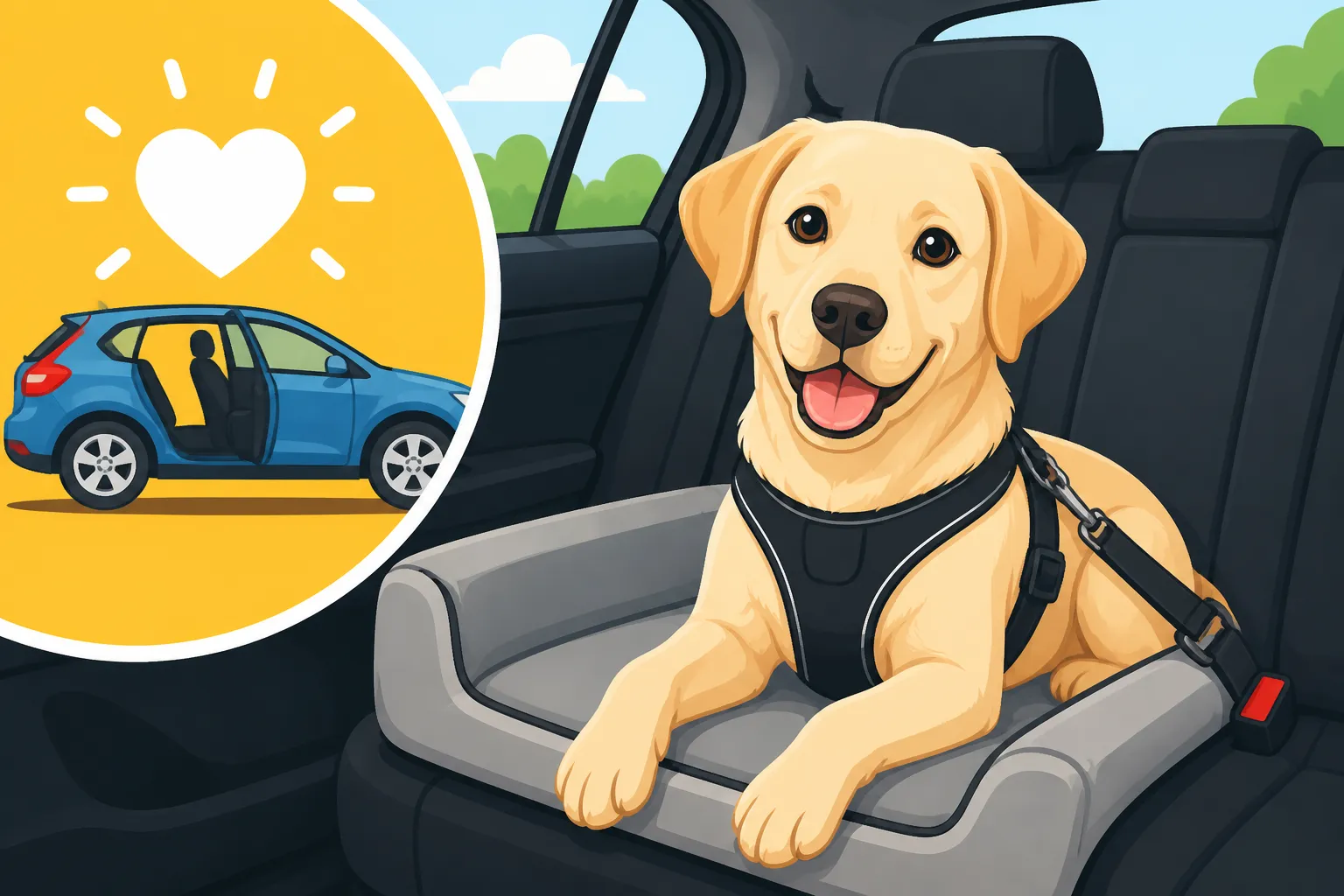
Getting a Labrador Comfortable in the Car
The open road, a cool breeze, and your Labrador's happy face hanging out the window — it's the classic image, isn't it? But for many Labrador owners, car rides are anything but idyllic. Instead, they're often a source of immense stress, barking, drooling, or even panic for their beloved companion. Getting your Labrador comfortable and even excited about car travel isn't a quick fix, but with patience, understanding, and the right approach, you can transform car rides from a dreaded chore into a pleasant adventure for both of you. This guide will walk you through understanding why your Lab might struggle, how to build positive associations, and the practical steps to make car journeys calm and enjoyable.
Why Your Labrador Might Be Uncomfortable in the Car
It’s truly disheartening when your usually boisterous and happy-go-lucky Labrador turns into a quivering mess or a barking menace the moment you approach the car. You might wonder if you did something wrong, or if your dog is just "weird." But there are very real, understandable reasons why a Labrador might not enjoy car rides, and recognizing these is the first step toward helping them. It’s not about them being stubborn; it's about addressing their underlying fears or discomforts.
Early Experiences and Associations
Think about how a puppy often experiences car rides. For many, the first few trips are to the vet for shots, a new and sometimes scary environment. Or perhaps it's to a place where they're left alone, or somewhere they don't particularly enjoy. If a Labrador's early experiences in the car are consistently negative or anxiety-inducing, they can quickly form a strong negative association with the vehicle itself. The car becomes a predictor of something unpleasant, rather than an exciting journey to the park or a fun hike.
It’s crucial to remember that dogs don't understand our human logic about where we're going. They operate on associations. If every car ride ends with a needle poke or a stressful groomer visit, they're going to start panicking before you even leave the driveway. This can be especially true for rescue Labradors, whose past might be completely unknown, and whose previous car experiences could have been terrifying, like being abandoned or taken to a shelter. Their fear isn't a choice; it's a learned response to perceived danger.
Motion Sickness and Physical Discomfort
Just like people, dogs can suffer from motion sickness. This isn't just about throwing up; it can manifest as drooling excessively, panting, yawning frequently, lip-licking, or generally looking miserable. If your Labrador experiences these symptoms, it's a very clear sign that car rides are making them feel unwell, which is naturally going to lead to them dreading the experience. Who would want to get in a vehicle that consistently makes them feel nauseous?
Motion sickness is often more prevalent in puppies and younger dogs because their inner ear structures, which control balance, aren't fully developed. As they mature, some dogs outgrow it, but others continue to struggle throughout their lives. Beyond true motion sickness, some Labradors might just be physically uncomfortable. A cramped space, being unable to see out, or jostling around on uneven surfaces can make a long journey unpleasant, especially for an older dog with Labrador Arthritis in Middle Age or other joint issues. Ensuring physical comfort is paramount.
Anxiety and Fear of the Unknown
For many Labradors, car discomfort isn't about motion sickness at all, but pure anxiety or fear. The car is a noisy, vibrating, fast-moving metal box that takes them away from the familiarity of their home. This can be incredibly disorienting and scary for a dog who doesn't understand its purpose. They might worry about where they're going, if they'll be left alone, or if something bad will happen.
Symptoms of anxiety can include whining, pacing, barking, trembling, hiding, inappropriate urination or defecation, or destructive chewing. Some Labradors develop full-blown Separation Anxiety in Labrador Retrievers that is triggered or worsened by car rides if they associate the car with being left somewhere unfamiliar. This fear is very real to them, and simply forcing them into the car can make the problem much, much worse. Building Confidence in a Timid Labrador is key to overcoming this type of fear.
Creating a Positive Car Experience for Your Labrador
Once you understand why your Labrador might be struggling, you can start to address the root cause and build a more positive association. This isn't about magical thinking; it's about systematic, gentle desensitization and counter-conditioning. Consistency and patience are your best friends here. You're essentially rewriting your dog's perception of the car, which takes time and a lot of tasty rewards!
Starting Small and Building Positive Associations
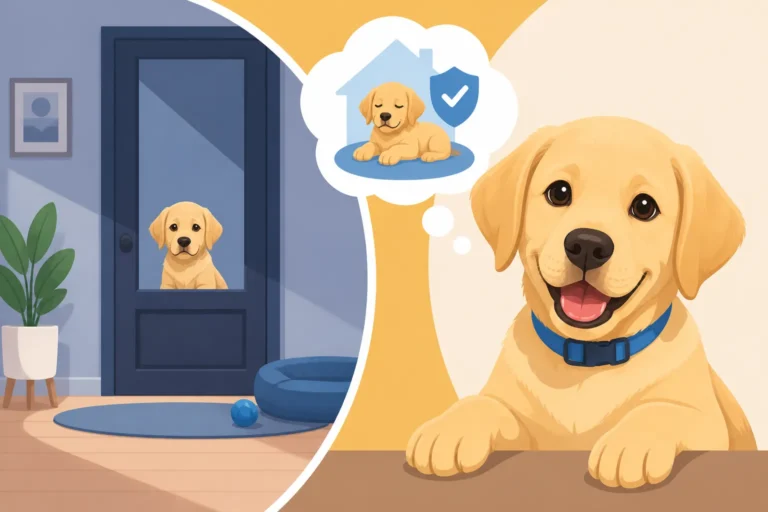
The key here is to start with tiny, non-threatening steps. Don't just drag your reluctant Labrador into the car and drive away. Begin by simply having the car present as a non-threatening object. Feed them their favorite treats near the car, then inside the car with the engine off. Make it a game: toss a toy into the car and let them jump in to retrieve it. Praise and reward heavily for any calm interaction.
Once they're comfortable getting in and out with the engine off, try turning the engine on for short periods while they're inside, again, rewarding them for calm behavior. Don't go anywhere. Just let them get used to the sounds and vibrations. Eventually, you can try backing out of the driveway and pulling right back in. The goal is to create a series of extremely short, positive experiences, proving that the car can be a place where good things happen and that journeys are not always scary or long. Think of it like a gradual Socializing a Labrador Puppy to new environments, but specifically for the car.
Ensuring Safety and Security During Travel
A Labrador that feels insecure or is constantly sliding around during a car ride is not going to be a happy traveler. Safety and stability are crucial for comfort and reducing anxiety. A good car restraint system can make a world of difference. This isn't just about keeping them safe in an accident, but also about making them feel secure in the moving vehicle.
Consider a crash-tested harness that attaches to the seatbelt, or a sturdy crate secured in the car. For many Labradors, a familiar crate provides a den-like sense of security and limits their view, which can sometimes reduce overstimulation or motion sickness. If using a crate, ensure it's well-ventilated and large enough for them to stand and turn around comfortably. You can learn more about options in Car Barriers and Seat Covers for a Labrador. Whatever you choose, make sure it's properly installed and your Labrador is accustomed to it before you ever hit the road. Many dogs will feel more secure and less likely to fall or be jostled if they are safely contained.
Managing Motion Sickness
If you suspect motion sickness is the primary issue, there are several strategies you can employ. First, try to limit food intake a few hours before a car trip. A full stomach can exacerbate nausea. Second, open the windows slightly to provide fresh air, which can help some dogs. Third, consider positioning your Labrador to face forward, if possible, as looking out the side windows can sometimes worsen motion sickness.
If these measures aren't enough, talk to your veterinarian. They can prescribe medications for motion sickness or anxiety that can be incredibly effective. Don't feel guilty about using medication; if it makes the difference between a miserable trip and a comfortable one, it's absolutely worth it for your Labrador's well-being. There are also over-the-counter options like ginger chews or certain supplements, but always consult your vet before trying new remedies to ensure they are safe and appropriate for your dog. A calm, comfortable ride is the end goal, however you achieve it.
Training Steps for a Happy Traveler
Once you've set the stage for positive experiences and addressed any underlying motion sickness, you can dive into more structured training. This is where you systematically build up your Labrador's tolerance and enjoyment of car rides, one step at a time. Remember, every successful, calm trip reinforces the positive association.
Desensitization and Counter-Conditioning
This is the bedrock of overcoming car anxiety. Desensitization means gradually exposing your Labrador to the car at levels that don't trigger their fear. Counter-conditioning means changing their emotional response from negative (fear, anxiety) to positive (happy, relaxed) by pairing the car with something wonderful. Think super high-value treats – slices of cooked chicken, cheese, or their absolute favorite toy.
Start with your Labrador merely seeing the car, then approaching it, then getting in, then sitting with the engine off, then engine on, then moving a few feet, and so on. At each stage, if they show any sign of discomfort, you've gone too fast. Go back a step and spend more time there, showering them with praise and treats. Never force them. The moment they show calm, relaxed behavior, even for a second, reward it generously. A good training system, like those offered by BAXTER & Bella, can provide structured guidance for these types of progressive training steps, helping you break down the process into manageable chunks. This methodical approach is far more effective than trying to rush it.
Practicing Short, Positive Trips
Once your Labrador is calm with the car engine on, even sitting in the driveway, it’s time for short, positive trips. And I mean short. The first actual drive might just be to the end of your street and back. The key is that every single one of these initial trips must end with something amazing. Drive to the local park for a walk, or to a friend's house they love, or just a quick spin to get a special treat from a drive-thru. The destination should be so fun that it actively outweighs any lingering car anxiety.
Avoid making stressful trips (like vet visits) the only car experiences during this training phase. If you must go to the vet, try to sandwich it between two fun, short car rides on other days, or follow it immediately with a super positive experience. As your Labrador becomes more comfortable, you can gradually increase the duration and distance of your trips. The goal is for them to associate the car not just with good things, but with the excitement of going somewhere enjoyable. This practice is vital for making them a well-rounded and confident traveler, capable of handling Road Trips and Travel With a Labrador.
Incorporating Car Travel into Routine
Once your Labrador shows good progress with short, fun trips, start to subtly integrate car rides into your regular routine, but always keep them positive. Maybe it's a quick trip to the pet store for a new toy, or a drive to a different walking trail. The more varied and frequent their positive car experiences become, the less they will view it as a specific, anxiety-inducing event, and more as just another part of their day.
You can also use their food drive to your advantage. If your Labrador is food-motivated (and most Labs are!), feed them a small, high-value snack or part of their meal in the car before you even start driving. This helps further cement the idea that the car is a source of good things. Regular, positive exposure is the name of the game. Over time, your Labrador will likely become much more relaxed, seeing the car as a gateway to new adventures rather than a source of stress. Just remember, consistency is key, and never punish fear or anxiety in the car; it will only make it worse.
Essential Gear and Tools for Car Comfort
Beyond training and medication, there are practical tools and gear that can significantly improve your Labrador's comfort and safety in the car. Investing in the right equipment isn't just a luxury; it's a smart choice for long-term peace of mind and canine well-being. Think of it as part of your initial investment, much like what you'd find in What a Labrador Puppy Starter Kit Costs – these items are essential.
Securing Your Labrador Safely
Proper restraint is paramount, not just for your dog's safety in an accident, but for preventing them from distracting the driver or becoming a projectile in a sudden stop. There are several options:
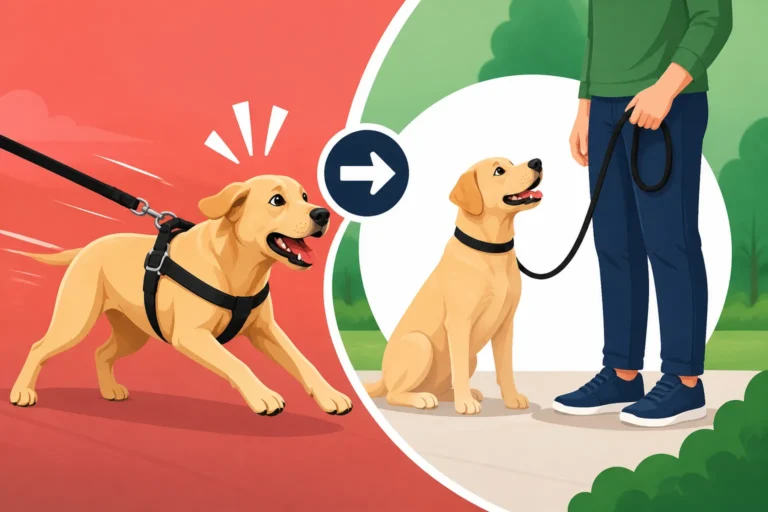
- Crash-Tested Harnesses: These are designed to secure your dog to the car's seatbelt system. Look for brands that have undergone crash testing (often independently certified) to ensure they actually protect your dog in an impact. They keep your dog from moving freely around the car but still allow them to sit, stand, or lie down. You can find a wide variety of these on Amazon, with detailed reviews to help you pick the best fit for your powerful Labrador.
- Car Crates or Carriers: A sturdy, well-secured crate can be an excellent choice, especially for anxious dogs who feel safer in an enclosed space. Hard-sided plastic or wire crates can be secured in the cargo area of an SUV or hatchback, or on a back seat, provided they are rated for car travel and properly anchored. Ensure the crate is large enough for your Labrador to stand, turn around, and lie down comfortably, but not so large that they are jostled excessively.
- Car Barriers: For some Labradors, especially those who ride in the cargo area, a sturdy barrier between the back seats and the cargo area can prevent them from climbing into the passenger compartment while still allowing them space to move. However, a barrier alone doesn't secure the dog in a crash, so it's often best used in conjunction with a secured crate or harness.
| Restraint Type | Pros | Cons | Best For |
|---|---|---|---|
| Crash-Tested Harness | Allows some movement, easy to use, space-efficient | Can be chewed, requires proper fit, not all are truly crash-tested | Dogs who prefer to see out, less anxious travelers |
| Hard-Sided Car Crate | Excellent crash protection, den-like security, contains messes | Bulky, takes up a lot of space, can be heavy | Anxious dogs, dogs prone to motion sickness, long trips, cargo areas |
| Wire Crate (secured) | Good ventilation, often foldable, provides security | Less crash protection than solid crates, can be noisy | Dogs who like visibility, trained crated dogs, short trips |
| Car Barrier (alone) | Keeps dog contained to a specific area | Does not secure dog in a crash, not for all temperaments | Dogs who ride in cargo, calm, non-chewing dogs |
Comfort and Cleanliness Aids
Let's face it, Labradors can be messy, especially after a swim or a romp in the mud. And a comfortable Lab is a happy Lab.
- Seat Covers: A durable, waterproof seat cover is a must-have for protecting your car's interior from muddy paws, wet fur, and shed hair. Many are machine washable and easy to install, making clean-up a breeze. These can be found readily on Amazon and will save your car's upholstery from a multitude of sins.
- Orthopedic Beds or Cushions: For older Labradors or those with joint issues, an orthopedic bed or cushion in their crate or on the seat can provide crucial support and make long rides much more comfortable. Even young Labs appreciate a soft place to rest.
- Absorbent Pads: If your Labrador is prone to drooling or occasional accidents due to anxiety, placing absorbent pads (like puppy pads or washable pee pads) under their crate liner or on the seat cover can save your car's interior.
- Portable Water Bowl: Staying hydrated is important, especially on longer journeys. A collapsible water bowl and a bottle of water can be a lifesaver for breaks.
Calming Tools and Strategies
Sometimes, even with training, a little extra help goes a long way in keeping your Labrador calm.
- Calming Chews or Treats: Many brands offer treats infused with calming ingredients like L-Tryptophan, chamomile, or hemp extract. While not a substitute for training, these can help take the edge off anxiety for some dogs. Always check with your vet before introducing new supplements.
- Pheromone Sprays/Diffusers: Products containing canine appeasing pheromones (like Adaptil) can be sprayed in the car or diffused to create a sense of calm and security for your Labrador. These mimic the natural pheromones a mother dog produces to soothe her puppies.
- Comfort Items: Bring a favorite blanket or toy from home that smells familiar and comforting. This can provide a sense of security in an otherwise unfamiliar environment.
- Interactive Chew Toys: For some dogs, a long-lasting chew or a puzzle toy stuffed with peanut butter (ensure it's xylitol-free!) can provide a distraction and help them settle down during a ride. This can be particularly useful for Telling Labrador Boredom From Real Anxiety, as it engages their mind.
Remember, every Labrador is an individual. What works wonders for one might have no effect on another. Be patient, experiment with different methods, and always prioritize your Labrador's comfort and safety. With dedication, you can turn car rides into an enjoyable part of your life together.
Disclaimer
This article is for general informational purposes only and does not constitute professional advice. Laws, prices and regulations vary by location and change over time. Consult a qualified professional for guidance on your specific situation.